

Sleep a full eight hours and still cannot stay awake the next day? That gap between sleep and being awake sits at the center of narcolepsy.
It is a neurological disorder that changes how the brain controls the sleep-wake cycle, and it can appear suddenly, disrupting daily life with little warning at all.
The signs of narcolepsy go beyond feeling tired. They can include sudden sleep attacks, muscle weakness, sleep paralysis, and vivid hallucinations.
These signs can look like other health problems, so many people live with narcolepsy for years before they get a clear answer. Knowing what to watch for is the first step toward getting help.
What is Narcolepsy?
Narcolepsy is a long-term neurological disorder. It interferes with the brain’s ability to regulate the sleep-wake cycle properly. For people with narcolepsy, this goes way beyond ordinary tiredness.
Their brain has trouble keeping sleep and wakefulness in their own separate lanes. So each one ends up bleeding into the other at exactly the wrong moment.
According to the National Institute of Neurological Disorders and Stroke (NINDS), narcolepsy usually begins between ages 7 and 25, though it can start at any age. It is a lifelong condition, but symptoms often improve or level off over time rather than progressively worsening
Narcolepsy is also uncommon and often overlooked entirely. A lot of people go years without a proper diagnosis since early symptoms can look a lot like depression, insomnia, or plain old sleep deprivation.
Type 1 vs Type 2 Narcolepsy
Both types can cause significant daytime sleepiness and disrupted sleep. The main distinction is that type 1 is associated with cataplexy or low orexin, whereas type 2 occurs without cataplexy and generally has normal orexin levels.
| Feature | Narcolepsy Type 1 | Narcolepsy Type 2 |
|---|---|---|
| Cataplexy | Present | Absent |
| Orexin Levels | Low | Usually normal |
| Daytime Sleepiness | Present | Present |
| Underlying Cause | Linked to orexin-cell loss | Less understood |
| Diagnosis | Cataplexy and/or low orexin | Sleep-test findings without cataplexy |
Signs and Symptoms of Narcolepsy
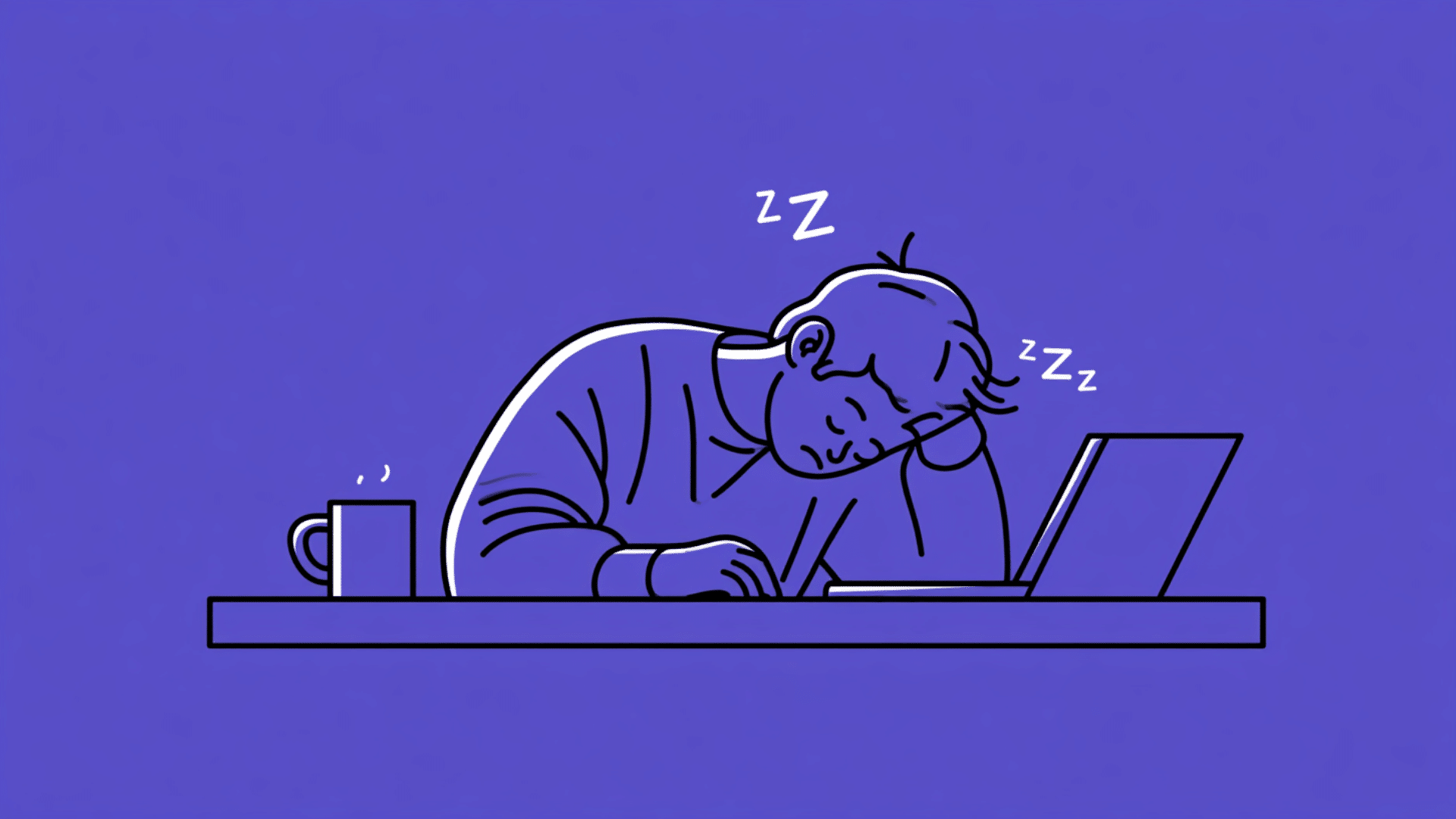
Narcolepsy doesn’t look the same in every person. Some people deal with just one or two of these symptoms; others get hit with the full range, and how disruptive it is can vary wildly too.
1. Excessive Daytime Sleepiness
This is the one symptom nearly everyone with narcolepsy deals with; it’s basically the defining feature of the condition.
People often describe it as a wave of sleep that hits out of nowhere in the middle of a conversation during dinner or even behind the wheel of a car.
A quick nap usually helps for a little while, but the drowsiness creeps back before long.
2. Cataplexy
Cataplexy shows up as a sudden loss of muscle control even though the person stays completely aware of what’s happening around them.
It’s considered a telltale sign of narcolepsy type 1, but not everyone with narcolepsy experiences it. It’s usually set off by intense emotion; laughing hard is a classic trigger.
The physical effects can be minor, like the jaw going slack, or much more dramatic, like the legs giving out entirely. Episodes typically last anywhere from a few seconds to a couple of minutes.
3. Sleep Paralysis and Hallucinations
Sleep paralysis is an experience in which one feels immobile and unable to communicate when falling asleep or waking up. Sleep paralysis is not dangerous; however, the experience can actually be quite frightening.
Hypnagogic hallucinations can sometimes occur with sleep paralysis. Hypnagogic hallucinations include visualizations and sensations experienced while falling asleep.
Some people see shapes or shadows in the room, while others hear sounds or feel a presence nearby, even though nothing is actually there.
4. Disrupted Nighttime Sleep
Here’s the ironic part: despite being exhausted all day, people with narcolepsy often struggle to sleep well at night.
They tend to wake up often, have intense vivid dreams, and may even physically act those dreams out. This broken-up nighttime sleep only makes the daytime sleepiness worse, creating a loop that’s tough to escape without proper treatment.
They may also experience sleep paralysis or hallucinations around bedtime, making restful nighttime sleep even harder to achieve.
5. Automatic Behaviors
Sometimes people with narcolepsy keep doing whatever they were doing writing, typing, and walking during brief moments of sleep without even realizing it’s happening.
The catch is that what they produce during these moments often comes out sloppy or just plain off.
Once they snap back to full alertness, they usually have little to no recollection of it. This tends to happen during periods of especially heavy daytime sleepiness.
What Really Causes Narcolepsy?
Researchers do not fully understand what causes narcolepsy, but several factors may contribute to its development.
In narcolepsy type 1, brain cells that produce orexin are lost. Orexin helps regulate wakefulness and REM sleep.
Evidence suggests an autoimmune response may erroneously attack these cells in the hypothalamus.
Transmissible factors may also play a role, particularly the HLA DQB1*06:02 gene variant, although having it alone does not cause narcolepsy.
Environmental factors, including infections such as influenza, may trigger immune activity in genetically predisposed individuals. Narcolepsy type 2 remains less understood because orexin levels are broadly normal and cataplexy is absent.
Signs of Narcolepsy in Children
Narcolepsy can appear differently in children, making its early signs harder to recognize than expected.
- Daytime Sleepiness: Children may seem unusually tired, irritable, distracted, or sleepy throughout the day.
- Unexpected Sleep Episodes: They may fall asleep during lessons, homework, meals, or other routine activities.
- Academic Difficulties: Ongoing sleepiness can affect concentration, memory, classroom participation, and school performance.
- Cataplexy: Signs may include facial weakness, drooping eyelids, unusual jaw movements, or sudden muscle weakness.
- Physical Changes: Interestingly, some children gain weight quickly around the time their other symptoms start.
- Possible Misinterpretation: Because these symptoms can look a lot like ADHD, mood issues, developmental delays, or other sleep disorders, narcolepsy in children is often mistaken for something else entirely, which can delay getting the right diagnosis.
How Narcolepsy Disrupts the Sleep-Wake Cycle
In normal sleep, different stages occur in a specific order. But in the case of narcolepsy, the order gets messed up.
Due to the low levels of orexin signaling, the person’s brain enters the REM state of sleep quite suddenly without going through the stages of light sleep first. It is one of the reasons for sleep attacks occurring abruptly.
The muscle paralysis that usually occurs during REM sleep prevents the body from physical reactions to the dream. The same phenomenon happens in narcolepsy in an altered way.
It results in cataplexy, which means a partial occurrence of the REM sleep state during wakefulness. A strong emotional reaction triggers it.
How Doctors Diagnose Narcolepsy
A narcolepsy diagnosis begins with a detailed sleep history and symptom review. Doctors may then take several steps to identify unusual sleep patterns and rule out other conditions.
1. Sleep History: Doctors review daytime sleepiness, sleep patterns, cataplexy, hallucinations, and related symptoms.
2. Sleep Diary: Patients may track sleep and wake times to reveal patterns and rule out insufficient sleep.
3. Polysomnography: This overnight test records brain waves, breathing, eye movements, and other activity while checking for conditions such as sleep apnea.
4. Multiple Sleep Latency Test: Scheduled daytime naps measure how quickly someone falls asleep and enters REM sleep.
Results from these assessments help doctors distinguish narcolepsy from other causes of excessive daytime sleepiness.
When Narcolepsy Signs May Need Medical Evaluation
Medical evaluation may be needed when there is persistent excess sleepiness during the day despite sufficient sleep, or when it begins to interfere with work, studies, driving, or other everyday tasks. The experience of weakness in muscles due to emotional triggers can also require evaluation.
The presence of frequent experiences of sleep paralysis, vivid hallucinations at the moment of falling asleep, and constantly interrupted nighttime sleep might be additional signs that require consultation with a health practitioner.
Such symptoms do not automatically indicate narcolepsy since many medical and sleep disorders have similar effects. For example, sleep apnea, lack of sleep, medication, and others.
Disclaimer: This article is for informational purposes only and is not intended to replace professional medical advice, diagnosis, or treatment. If someone experiences symptoms related to narcolepsy or other sleep concerns, consulting a qualified healthcare professional is recommended.
Conclusion
Narcolepsy can influence daily life in ways that are not always immediately recognizable.
Learning how the condition develops, how its two types differ, and how doctors evaluate it provides useful context for understanding unusual sleep patterns.
Because several other conditions can produce similar experiences, symptoms alone cannot confirm narcolepsy. A professional assessment and appropriate sleep testing are important for determining what may be happening.
Found this helpful? Share the information with others and leave a comment with thoughts or questions about narcolepsy.
Frequently Asked Questions
Can Someone Have Narcolepsy Without Cataplexy?
This is what doctors classify as narcolepsy type 2. People with this form don’t experience cataplexy, but they can still deal with intense daytime sleepiness along with other sleep-related symptoms tied to the condition.
Does Narcolepsy Affect How Long Someone Sleeps?
Not really in the way you’d think. Narcolepsy isn’t about needing more total sleep; it’s more about the body struggling to properly regulate when it’s supposed to be awake versus asleep.
How is Narcolepsy Different From Sleep Deprivation?
The key difference is the cause. Sleep deprivation results from not getting enough sleep, while narcolepsy is a neurological condition that affects the brain’s sleep-wake regulation.