

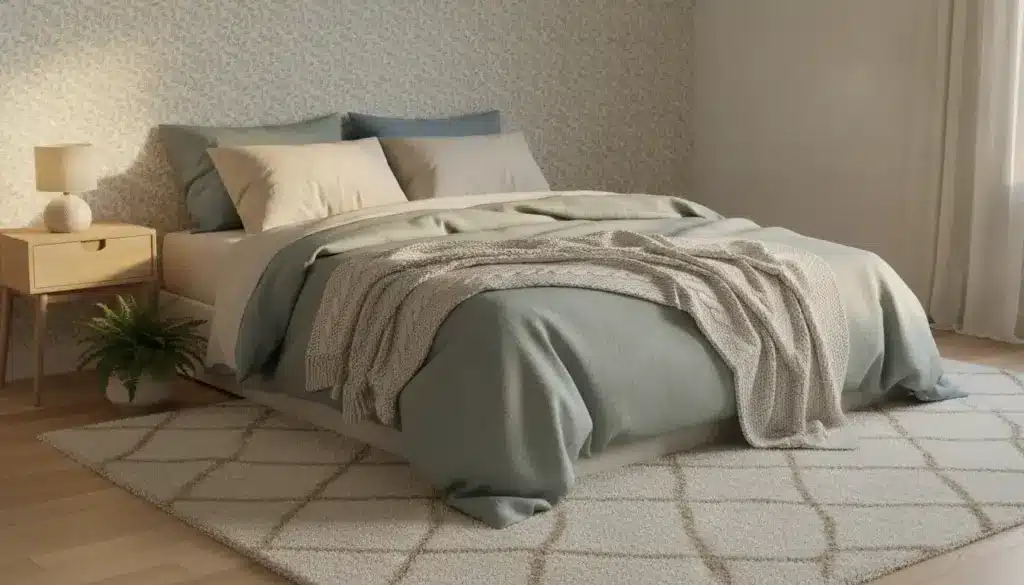
Want a bedroom that helps you sleep? Start with the room itself. The way your bedroom looks and feels has a big effect on how well you rest in it. A calm, quiet, softly lit room tells your body it is time to switch off. The good news is that designing a bedroom for better sleep is simple. A few easy changes do most of the work, and it often starts with the wall behind your bed. A soft botanical wallpaper there sets a calm mood the moment you walk in.
What Makes a Bedroom Good for Sleep?
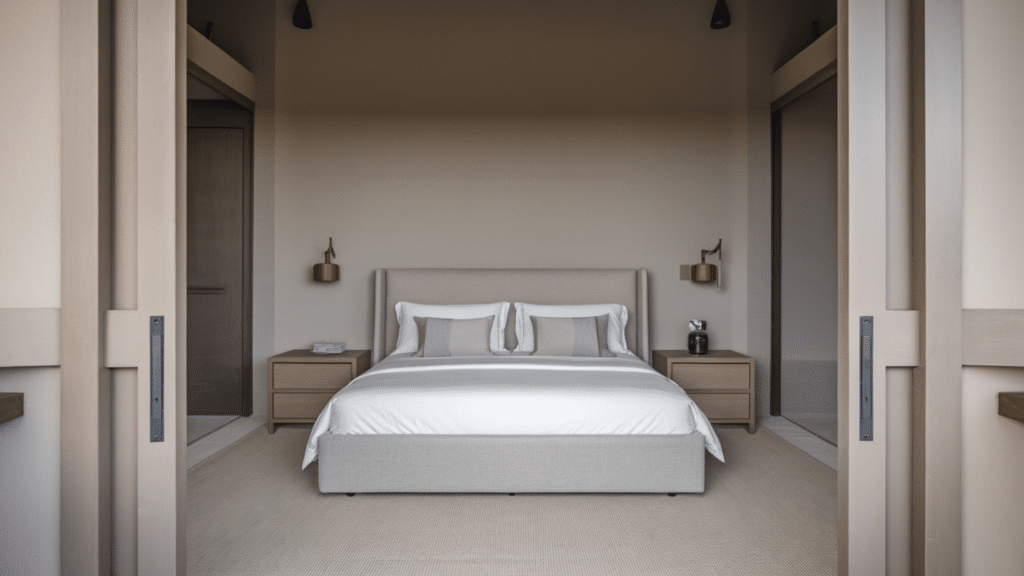
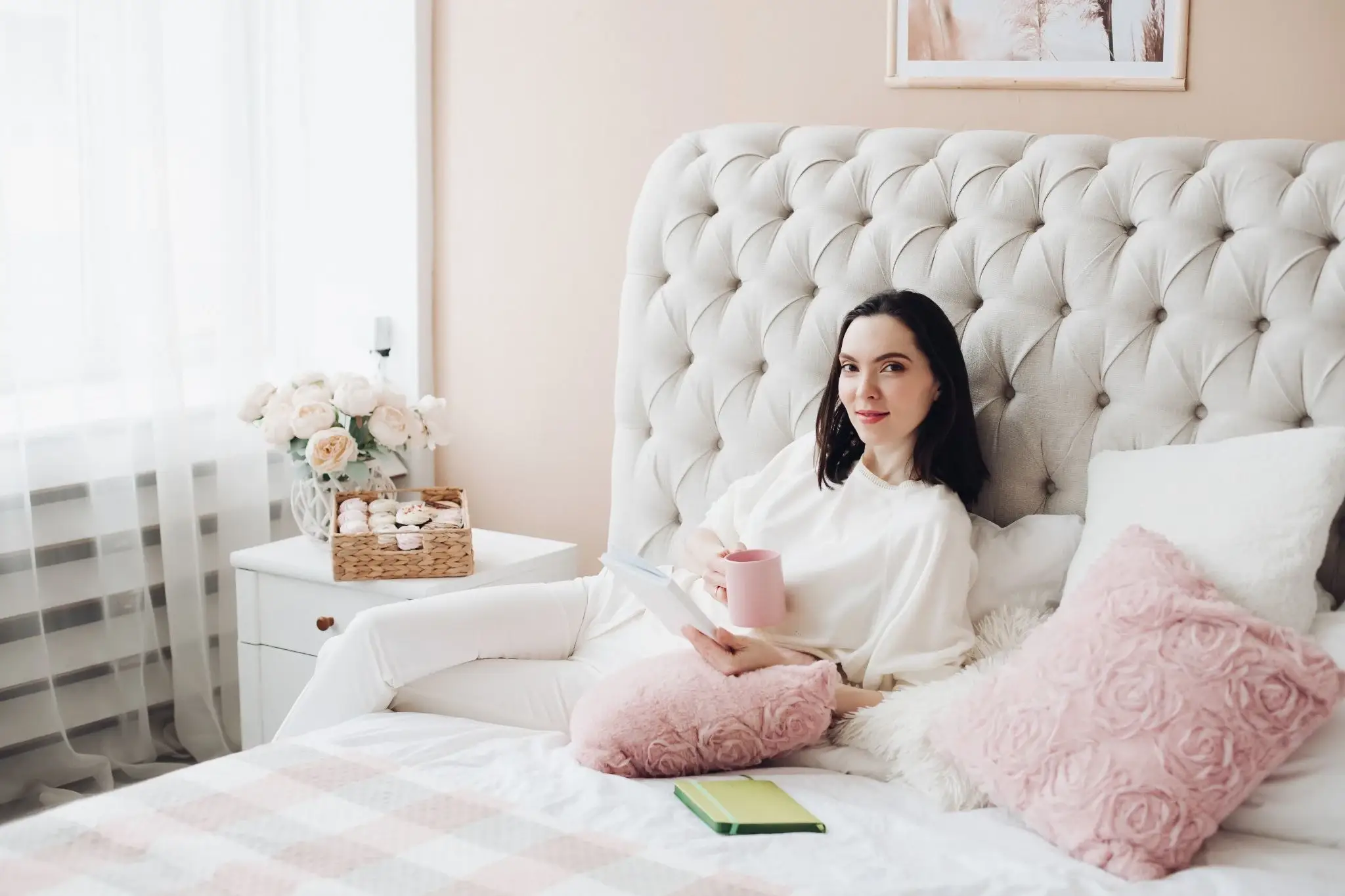
A sleep-friendly bedroom is calm, soft, and free of clutter. It uses gentle colors, quiet patterns, and warm, low light. It has cozy textures you want to sink into and clear surfaces that let the room breathe. None of these things is hard to do. Put them together and your bedroom starts to feel like a place to rest, not a place to be busy. Here is how to get each part right.
The Best Bedroom Colors for Sleep
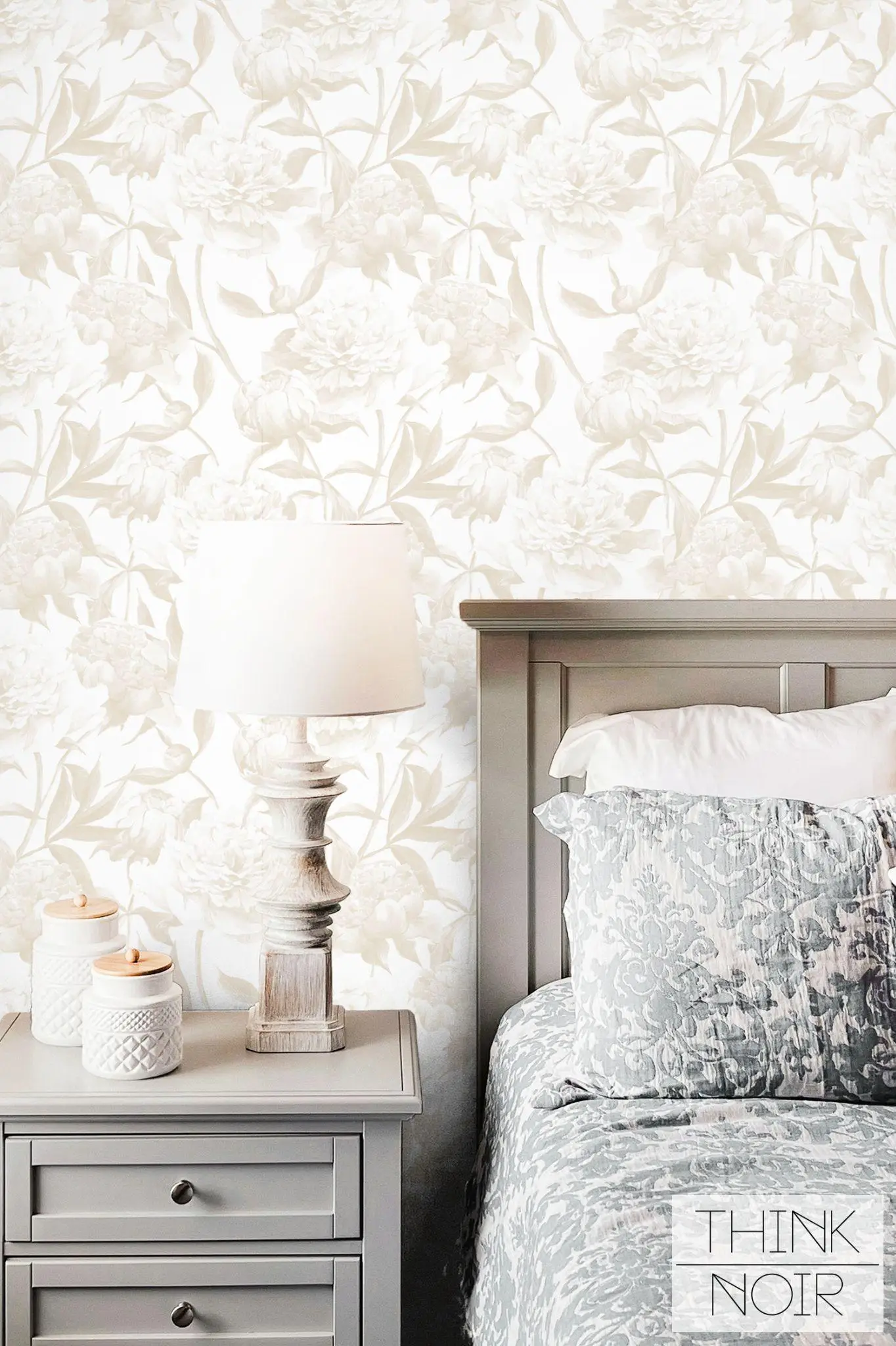
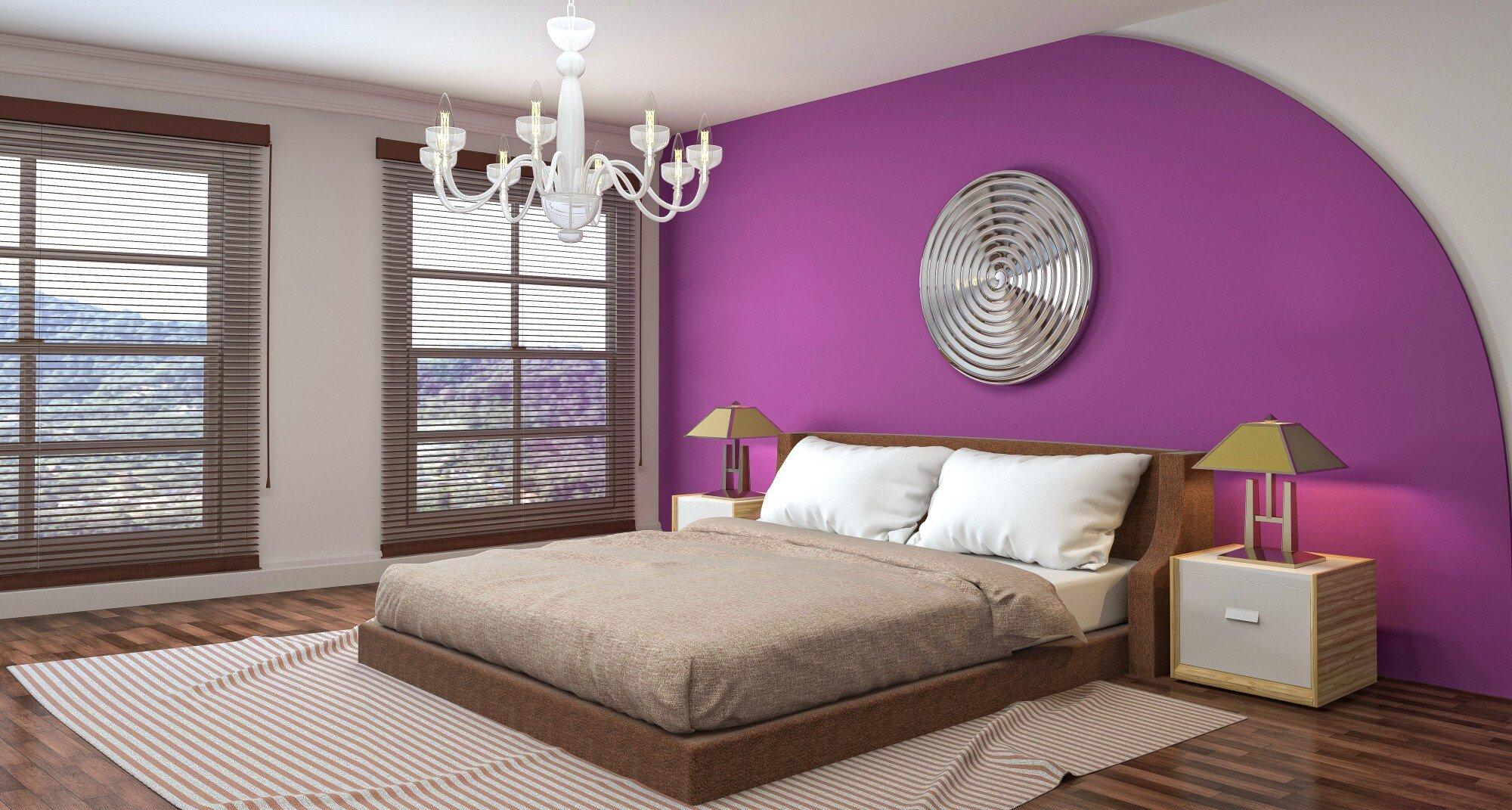
Color is the fastest way to change how a room feels. For sleep, pick colors that calm you down instead of waking you up. Soft, muted shades work best. Think gentle greens, warm neutrals, and quiet blues. Deep, cozy colors work too, because they make a room feel like a snug retreat. What you want to avoid are bright, bold, high-energy colors. They keep your eyes and mind busy when you are trying to wind down. Choose a color that helps you relax as soon as you walk in.
The Best Wallpaper and Pattern for a Calming Bedroom
Pattern changes the mood of a room as much as color does. In a bedroom, you want a pattern that soothes you, not one that keeps your eyes moving. Soft, flowing, nature-inspired designs are perfect. Their gentle lines are calming to look at. This is why a botanical or a soft floral suits a bedroom so well. It brings a little of the outdoors inside and gives you a peaceful spot to rest your eyes.
The wallpaper you choose sets the tone for the whole room. A large, soft botanical behind your bed makes a calm focal point. A subtle, tonal design adds warmth while still feeling quiet. Even a dark, moody wallpaper can help you sleep, because a deep wall makes the room feel like a cozy hideaway. Just skip anything too loud or busy. In a bedroom, quiet patterns win.
How Should You Light a Bedroom for Sleep?
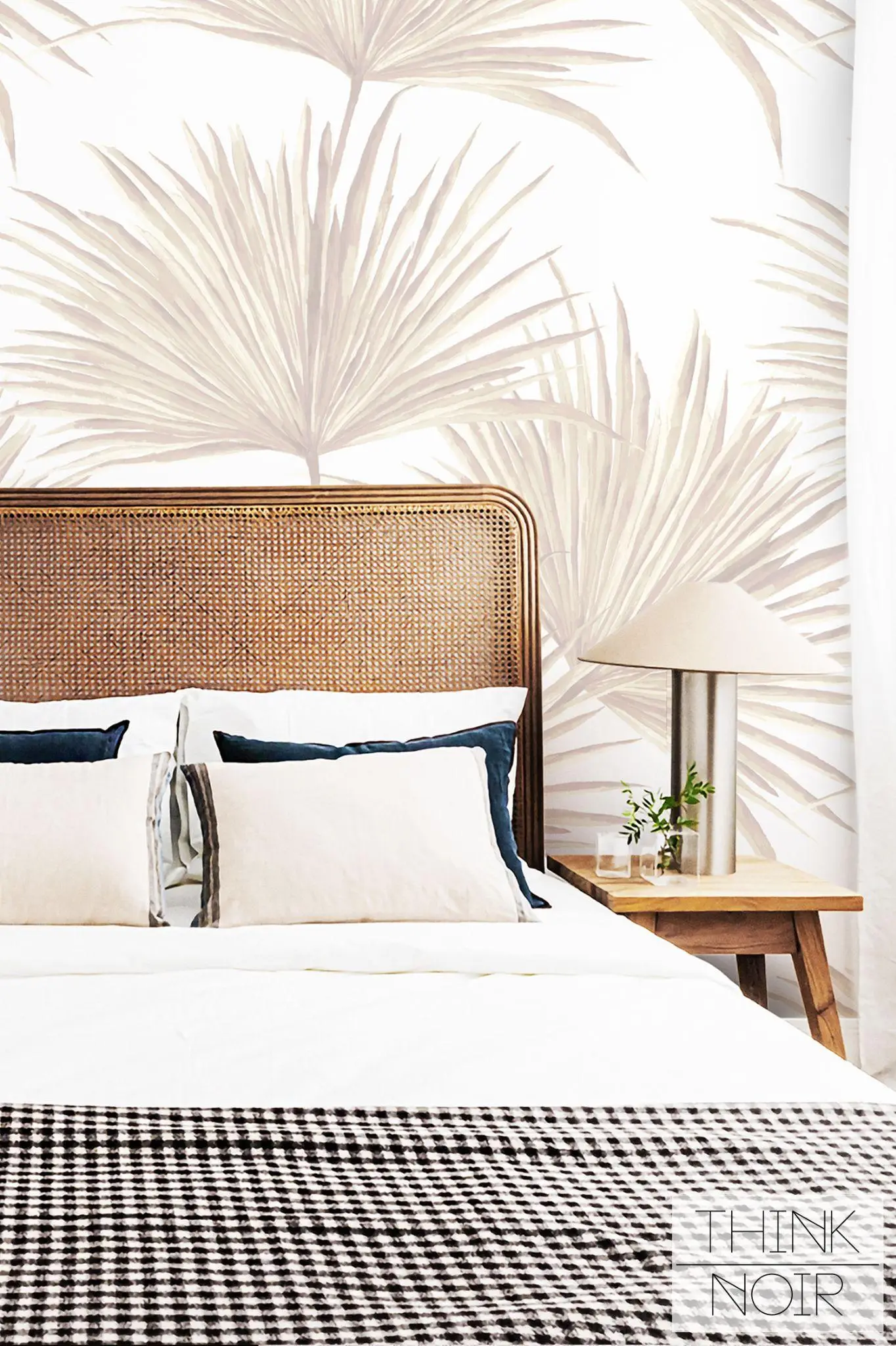
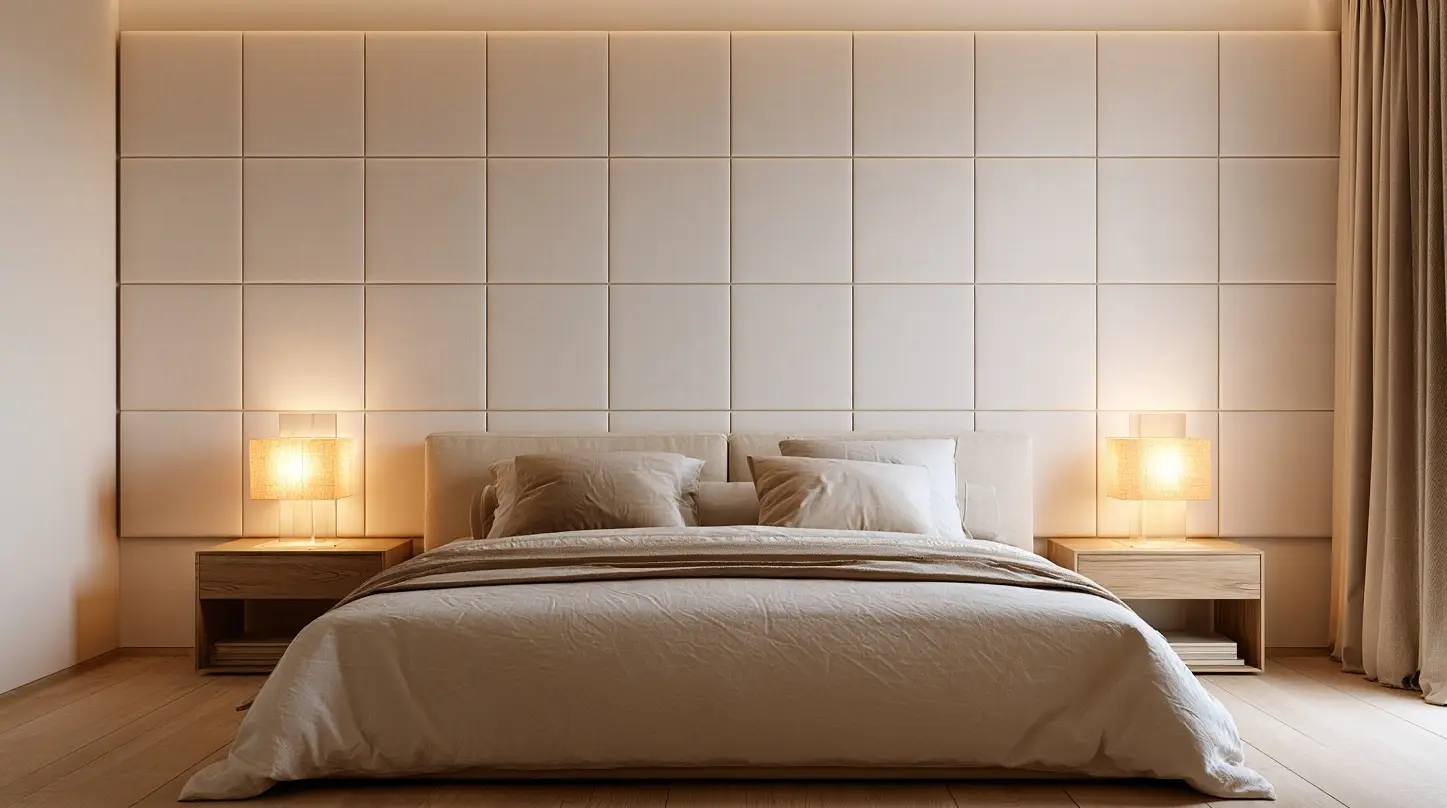
Lighting matters more than most people think. Bright, cool, overhead light is bad for sleep. It tells your body it is still daytime. Use soft, warm light instead. A bedside lamp, a warm bulb, and a dimmer switch all help. The goal is to lower the light slowly in the evening, so the room eases you toward rest. Warm, low light does as much for your sleep as any other change in the room.
Which Textures Make a Bedroom Feel Restful?
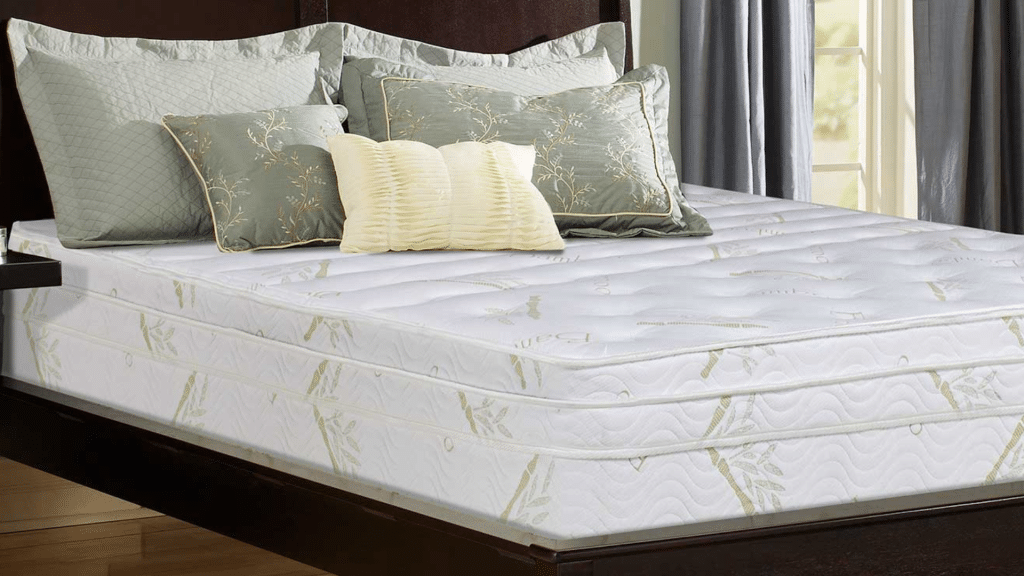
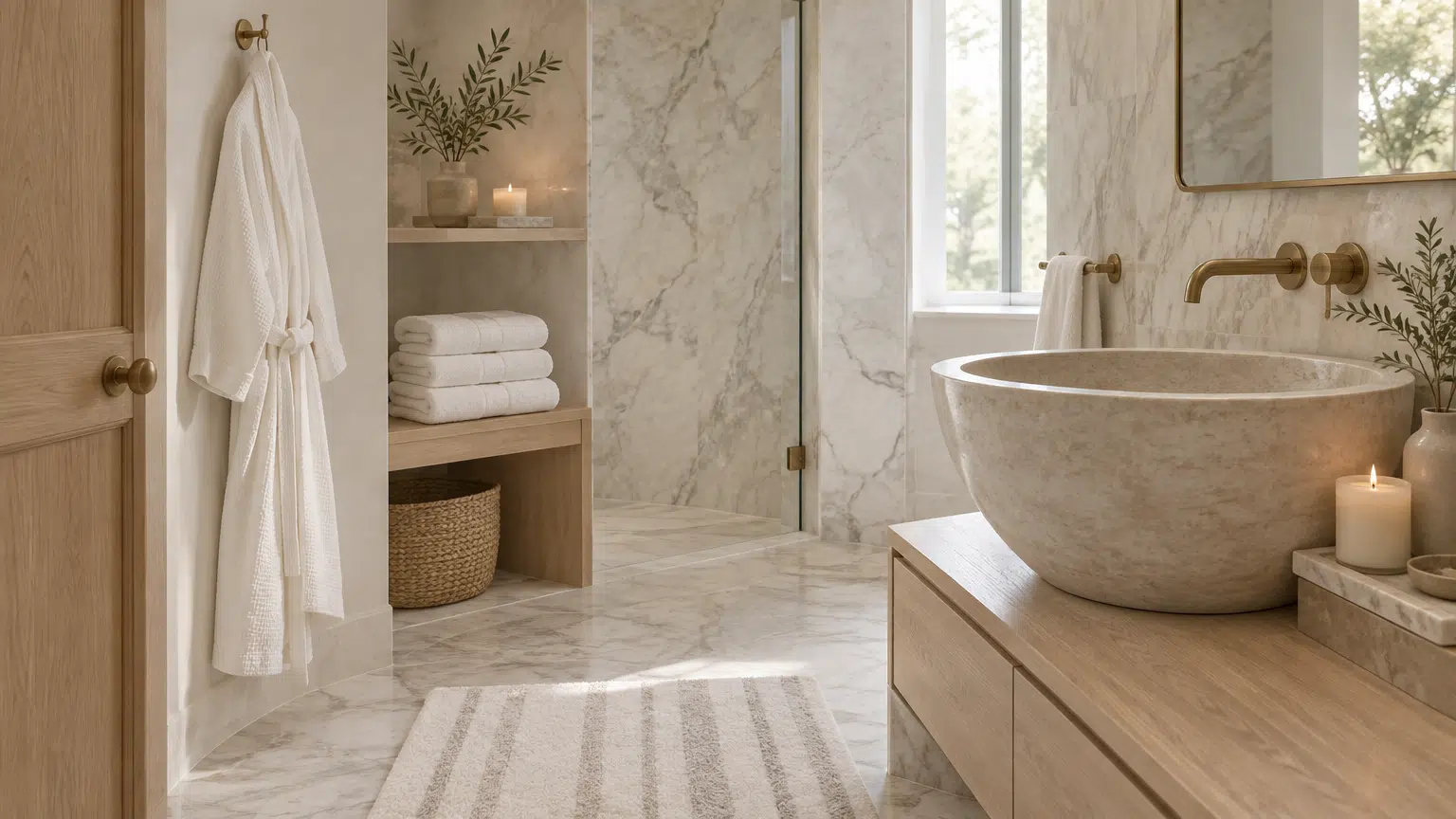
Texture is what makes a bedroom feel cozy. Soft, natural materials add comfort and warmth. Think linen, cotton, wool, a chunky throw, and a rug your feet land on in the morning. These soft layers also calm the room by softening sound and light. You do not need many. Just a few soft, natural pieces make the room feel gentle to touch and to look at.
How to Reduce Clutter in the Bedroom
Clutter keeps your mind busy, even when you are not looking right at it. A room full of stuff, cables, and covered surfaces makes it harder to switch off. So clear the visual noise. Keep your surfaces mostly empty, put things away, and let the room feel open. A calm bedroom is often just a tidy one, and that sense of order helps you relax.
Put It All Together
A bedroom that helps you sleep is the sum of small choices: calm colors, a soft pattern, warm light, cozy textures, and little clutter. None of them is dramatic on its own. Together, they turn your room into a gentle signal that it is time to rest. The biggest single change is usually the wall behind your bed, since you see it as you lie down. Get its color and pattern calm and right, and the rest follows.
One Last Tip
Before you commit to a color or wallpaper, live with a sample on the wall for a day. Look at it at night under your bedside lamp, not just in daylight. Your bedroom does its real work in the evening, so judge it by the soft, warm light you actually fall asleep in. Get that right, and your room will feel calm and sleep-ready long before your head hits the pillow.
FAQ
What Color Is Best for A Bedroom for Sleep?
Soft, muted colors like gentle green, warm neutral, and quiet blue are best. Deep, cozy shades also work well. Avoid bright, bold colors, as they keep your mind active.
Is Wallpaper a Good Idea in A Bedroom?
Yes. A soft, calming wallpaper, like a botanical or a gentle floral, adds warmth and a peaceful focal point behind the bed. Just avoid busy, high-contrast prints.
Does a Dark Bedroom Help You Sleep?
It can. A deep, moody wall makes a bedroom feel like a cozy retreat, which many people find restful. Pair it with warm, low lighting so it feels snug, not gloomy.
How can I make my bedroom more relaxing? Use calm colors, a soft pattern, warm low lighting, cozy natural textures, and clear surfaces. Small changes add up to a room that feels calm and easy to rest in.