

Skip to content
logo-easy-rest
  • Sleep Science
  • Sleep Essentials
  • Wellness & Lifestyle
  • Home & Living
  • Practical Guides
  • Sleep Science
  • Sleep Essentials
  • Wellness & Lifestyle
  • Home & Living
  • Practical Guides
  • Sleep Science
  • Sleep Essentials
  • Wellness & Lifestyle
  • Home & Living
  • Practical Guides
  • Sleep Science
  • Sleep Essentials
  • Wellness & Lifestyle
  • Home & Living
  • Practical Guides
Explore All

Creating a Comfortable Home Environment for a Smoother Recovery

  • Picture of Kai Bennett Kai Bennett
  • August 23, 2026
Read 5 min
  • Sleep & Health

Table of Contents

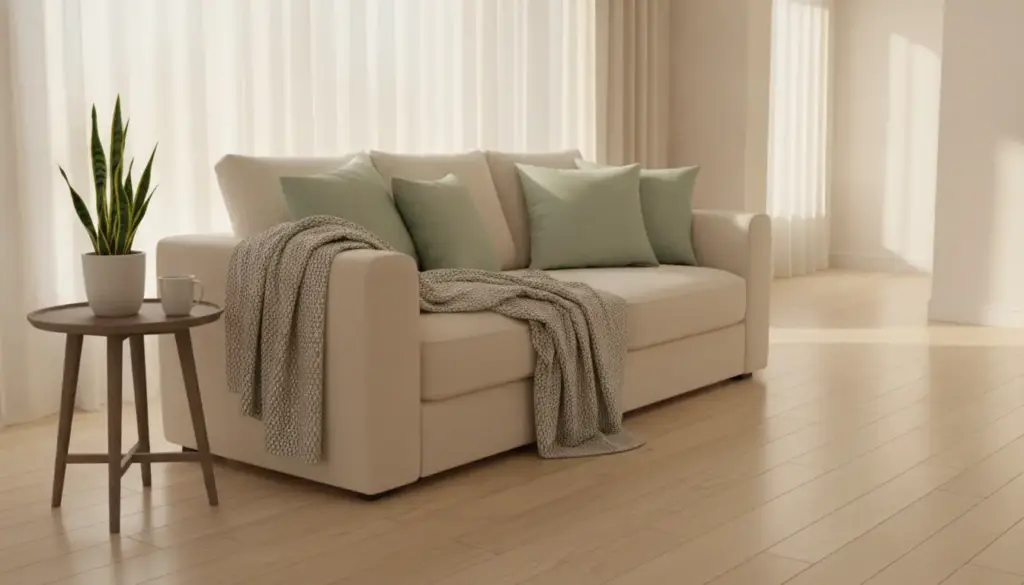
Beige sofa with green pillows and knit blanket in sunny living room with wooden floor

Coming home after a hospital stay feels like a relief – until you realize the house isn’t set up for how you’re actually moving and resting right now.

Stairs that were never an issue before suddenly matter. The couch that seemed perfectly comfortable isn’t anymore. And sleep, which is when most of the real healing happens, keeps getting interrupted by small things that were easy to ignore before.

Getting the home environment right makes a real difference in how recovery goes. Here’s what actually helps.

Start With the Sleeping Setup
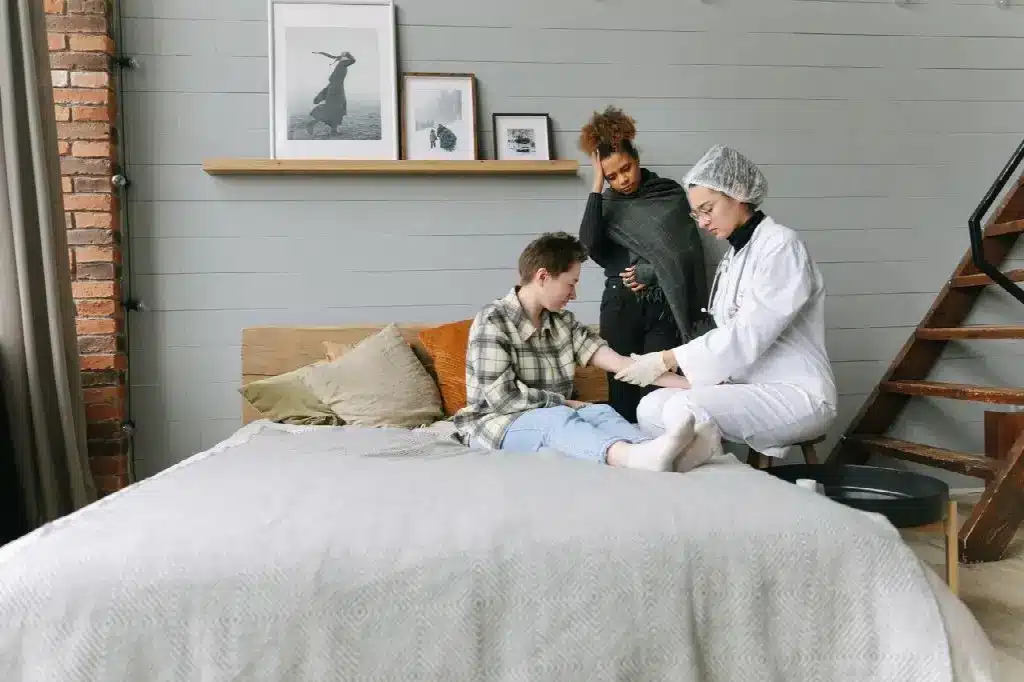
Person receiving medical attention on bed in cozy room with framed photos and wooden ladder

Sleep is where your body does most of its repair work. That makes your sleeping arrangement the most important thing to sort out before you come home, not after.

A few things worth thinking through in the first part of recovery:

  • Mattress support matters more than usual. A mattress that’s too soft makes it hard to get in and out of bed without straining healing areas. If your usual bed is very plush, a firm mattress topper or even a temporary bed on a lower, stable frame can help depending on your mobility situation.
  • Pillow positioning. Post-surgery, most people need more pillow support than they’re used to – under knees, behind the back, or propping a limb. Wedge pillows are worth having on hand before you get home.
  • Proximity to the bathroom. If your bedroom is far from the bathroom, consider whether sleeping somewhere closer on the ground floor makes more practical sense for the first few weeks.
  • Temperature control. Bodies recovering from surgery or illness often run warmer or cooler than usual. Lightweight layering – a breathable sheet plus a light blanket rather than one heavy comforter – makes it easier to adjust without waking up fully.

The goal is a setup where you can get in and out of bed without help if possible and where lying down doesn’t itself cause discomfort.

Professional Support Changes What’s Possible at Home

For people recovering from surgery, a serious illness, or a hospital stay of any length, having professional care at home shifts the recovery experience significantly.

Recovery care at home in Florida services can provide skilled nursing, physical therapy, and personal care assistance in the home – which means medical oversight without having to leave to get it.

This matters practically because many of the environmental changes that make recovery smoother – mobility aids, safe transfer techniques, wound care, and medication management – are things that benefit from professional guidance rather than improvisation.

Reduce Friction in High-Use Areas

The parts of the home you use most during recovery are the bedroom, bathroom, and kitchen. Small modifications in each of these can cut down on the effort each basic task takes – which matters when energy is limited and every unnecessary strain slows things down.

  • Bathroom: Grab bars near the toilet and in the shower are the highest-impact addition for most people recovering from orthopedic surgery or any condition affecting balance or leg strength. A shower chair and a handheld showerhead make bathing possible without standing for extended periods.
  • Kitchen: Move frequently used items to counter level so reaching up or bending down isn’t required. A kettle, a toaster, and whatever you eat most often should all be accessible without stretching or stooping. If you’re cooking for yourself, batch cooking or having meals delivered in the early weeks takes pressure off days when energy is low.
  • Living areas: Clear a direct path between the rooms you use most. Extension cords, rugs that shift, and anything on the floor that requires stepping over are fall risks that don’t matter on a normal day but matter a lot when mobility is compromised.

What to Have Within Reach
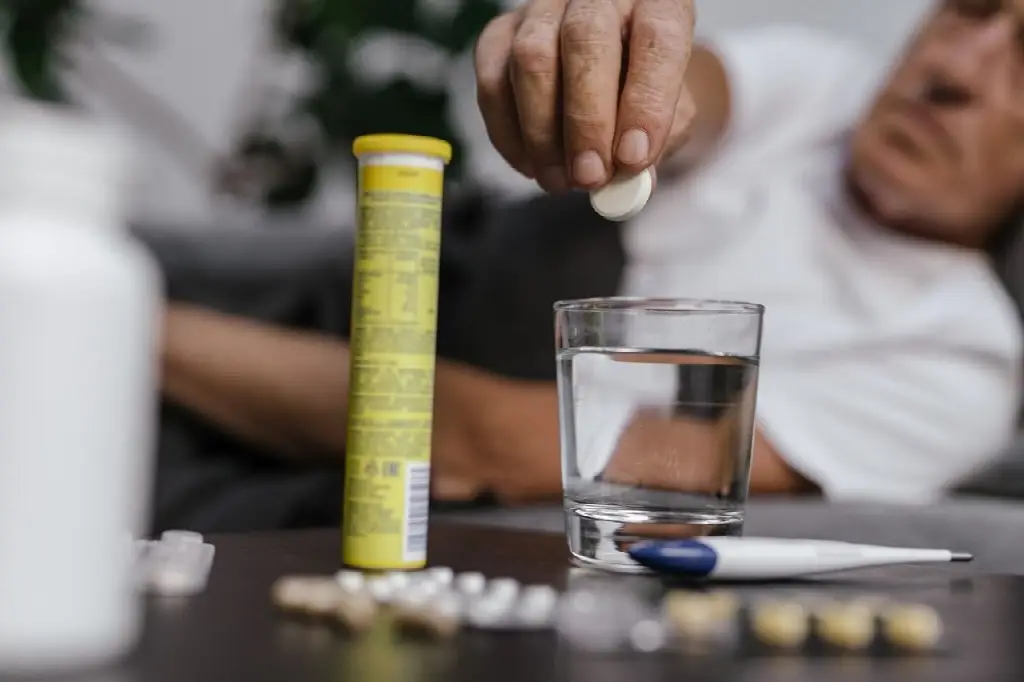
Person dropping tablet into glass of water surrounded by medication on table

One of the most practical things you can do before coming home is set up a recovery station – a single area, usually near the bed or the couch where you’ll spend the most time, that has everything you might need without requiring you to get up repeatedly.

Things worth having within arm’s reach:

  • Water bottle and any medications with a schedule reminder
  • Phone charger at a convenient height
  • Tissues, hand sanitizer, a small trash bag
  • Remote controls, reading material, headphones
  • A small notebook for tracking symptoms, medication times, or questions for the next appointment

Getting up unnecessarily costs energy and increases fall risk in the early stages of recovery. The fewer trips across the house for small things, the better.

Recovery Takes Longer Than It Looks

The temptation once you feel better is to go back to normal activity before the healing is complete. Most setbacks in home recovery happen not because the environment was wrong but because the person started doing too much too soon.

A comfortable home environment doesn’t just make physical recovery easier – it makes it easier to rest, which makes it easier to be patient. When your space is genuinely comfortable, staying in it and letting the process work isn’t as frustrating. That might be the most underrated part of setting things up well before you come home.
About the Author

Kai Bennett

Most sleep problems have a clear cause once you look at the habits and patterns behind them, and that is the part I focus on.

I studied Behavioral Science at San José State University and became a Diplomate in Behavioral Sleep Medicine.

That background shapes how I approach everything from insomnia and sleep apnea to the small daily habits that decide how rested you feel, both physically and mentally.

Much of my training centers on cognitive behavioral therapy for insomnia (CBT-I), a first-line approach for treating chronic insomnia, and it informs most of what I write.

It has also given me a clear sense of where lifestyle changes help and where a doctor’s input is needed, a line I make sure every reader understands.

As someone who enjoys stargazing, I know how easy it is to let a late night slide, so I keep my advice realistic, in plain words, with steps you can actually follow.

Visit More Articles

Table of Contents

Categories

Home & Living

Sleep Essentials

Wellness & Lifestyle

Sleep Science

Practical Guides

Also Read

Softside waterbed with a quilted bamboo cover on a dark wood frame
  • Sleep Essentials
  • August 20, 2025

Do They Still Make Waterbeds?

Back when I first heard about waterbeds making a quiet comeback, I asked the same thing you might be wondering now: Do they still make...

feng shui bed direction chart for better energy flow
  • Wellness & Lifestyle
  • January 6, 2026

Feng Shui Bed Direction Chart for Better Energy Flow

I used to think arranging my bed according to Feng Shui meant following some universal “best direction” rule. Turns out, your ideal sleeping position is...

What Causes Black Spots on Sheets If Not Bed Bugs?
  • Sleep Science
  • August 7, 2025

What Causes Black Spots on Sheets If Not Bed Bugs?

Have you ever woken up to find mysterious black spots on your clean sheets? I understand how scary this can be when you first notice...

Readers Comments

Leave a Reply Cancel reply

Your email address will not be published. Required fields are marked *

Related Articles

Read 5 min

The Overlooked Impact of Poor Sleep on Everyday Independence

Most people associate independence with physical mobility, financial stability, or the ability to manage everyday..

Visit Blog : The Overlooked Impact of Poor Sleep on Everyday Independence
Cozy bedroom with gray bedding, wooden furniture, soft lighting, and a landscape painting above the bed
Read 4 min

How to Set Up Your Bedroom for Better Sleep

Creating a calm bedroom environment is important for getting good sleep. Sleep affects many parts..

Visit Blog : How to Set Up Your Bedroom for Better Sleep
Woman sleeping peacefully on a bed in a dimly lit bedroom with gray bedding and nightstand lamp
Read 4 min

How to Sleep Comfortably When Your Back Hurts

Getting a good night’s sleep can be hard if your back hurts. It might be..

Visit Blog : How to Sleep Comfortably When Your Back Hurts
Woman sleeping peacefully in bed with a night guard on bedside table
Read 3 min

How Your Teeth Can Impact Your Sleep

You might blame a bad night’s sleep on stress, a noisy neighbor, or too much..

Visit Blog : How Your Teeth Can Impact Your Sleep
  • Subscribe to Newsletter
Swing
logo-easy-rest

At Easyrest, we believe good sleep is the start of everything: better moods, sharper minds, and calmer days. We’re here to make rest a lifestyle.

Stay connected for updates, fresh reads, and smart ways to bring calm back into your day.

Facebook Instagram Envelope
  • About Us
  • Blogs
  • Contact
  • Privacy Policy 
  • About Us
  • Blogs
  • Contact
  • Privacy Policy 
  • Sleep Science
  • Sleep Essentials
  • Wellness & Lifestyle
  • Home & Living
  • Practical Guides
  • Interior Design
  • Sleep & Health
  • Sleep Science
  • Sleep Essentials
  • Wellness & Lifestyle
  • Home & Living
  • Practical Guides
  • Interior Design
  • Sleep & Health
Facebook Instagram Envelope

Copyright 2026 Easyrest. All Rights Reserved.

flower

What’s keeping you up?

Search 1,400+ guides on sleep, bedding and home.

Common sleep problems

  • adjustable beds
  • sleeping with arms
  • green living room
  • twin XL sheets
  • cloud mattresses made
  • eating sugar