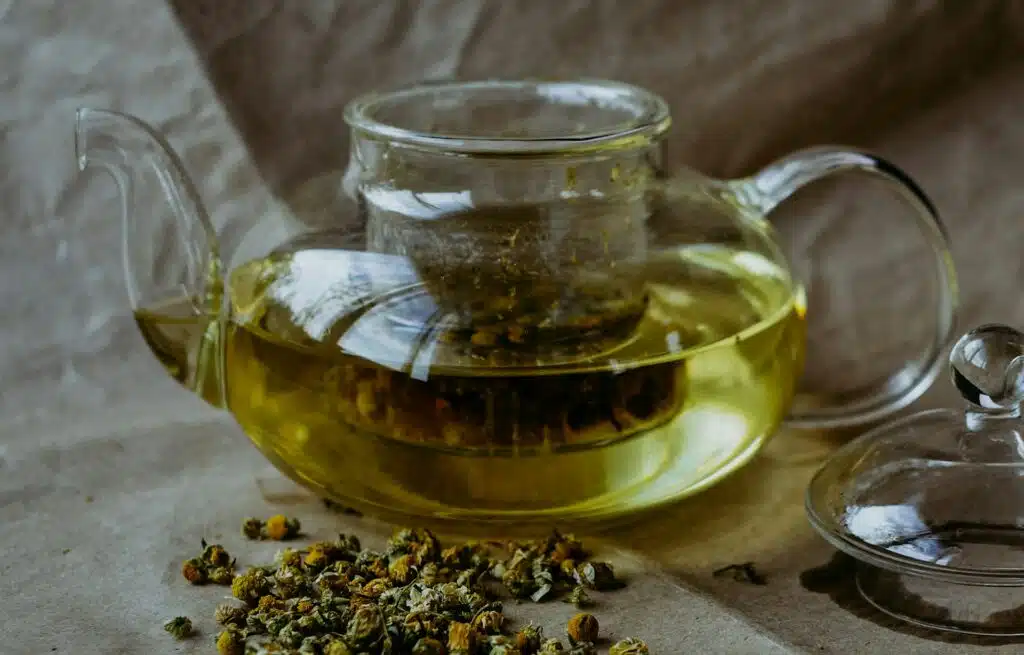
A warm cup of chamomile tea before bed is one of the simplest ways to slow down at the end of the day. Its soft floral aroma, gentle sweetness, and soothing qualities have made chamomile a popular choice for the evening.
But the tea itself is only part of the experience. How it is brewed can influence its temperature, aroma, flavour, and even how much of its natural plant compounds are released into the water. This is where a Yixing clay teapot can make a difference.
Known for its excellent heat retention and naturally porous clay, a Yixing teapot provides a stable and well-suited environment for brewing. When paired with chamomile and other soothing botanicals, it can help produce a fuller, more aromatic infusion while turning a simple cup of tea into a relaxing bedtime ritual.
Why Chamomile Is So Popular Before Bed
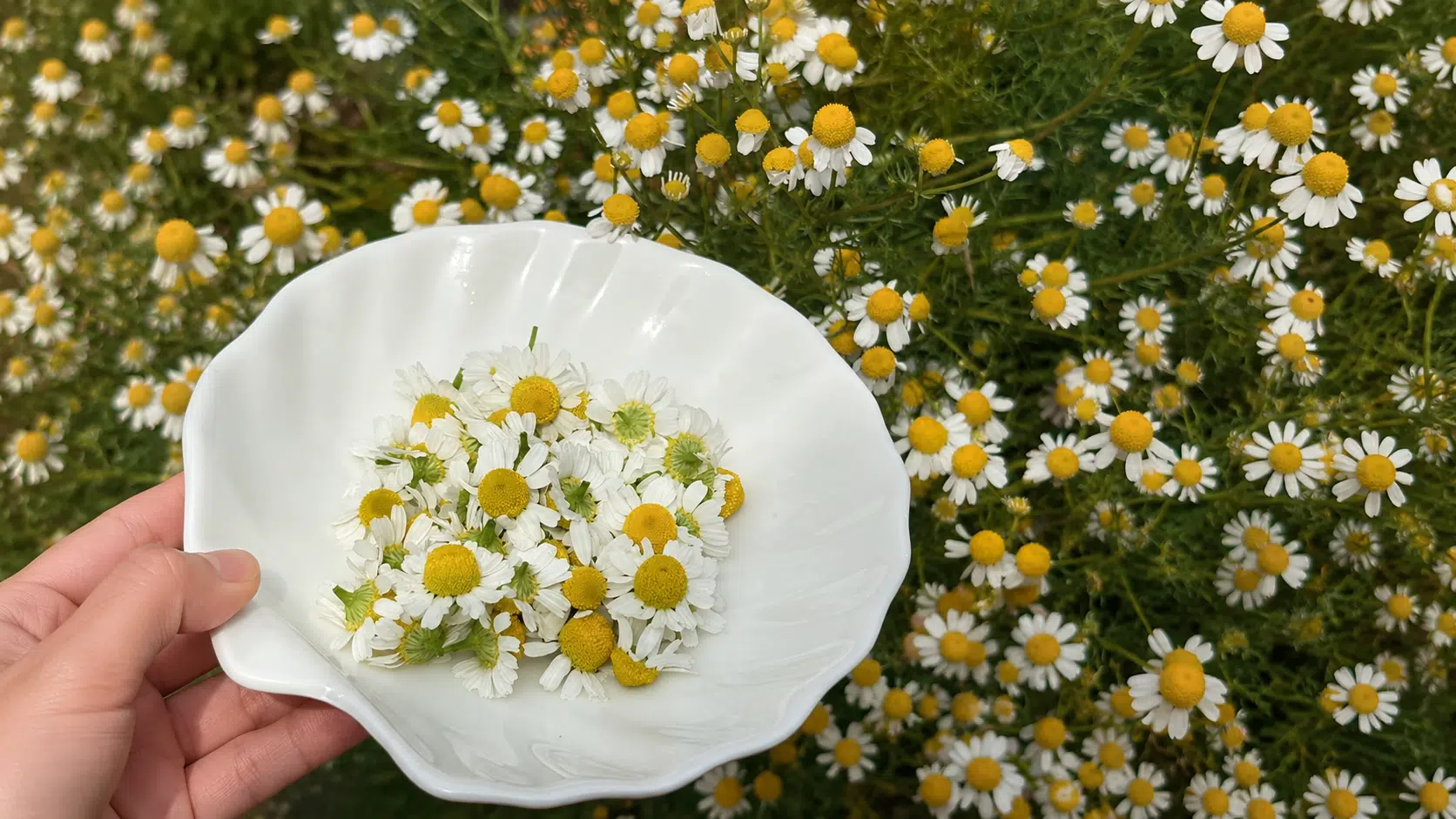
Chamomile (Matricaria chamomilla) has long been associated with relaxation and sleep. One of its best-known natural compounds is apigenin, a flavonoid that has been studied for its interaction with receptors in the brain involved in relaxation and sleep. Research on chamomile suggests that regular consumption may help support sleep quality and make it easier for some people to settle down at night.
Chamomile also contains a variety of other flavonoids and aromatic compounds that contribute to its gentle floral character. But enjoying chamomile is not simply about extracting one particular compound.
Temperature, steeping time, water quality, aroma, and the brewing vessel all influence the final cup. A properly brewed chamomile tea should feel warm and rounded, with a soft fragrance reminiscent of apple, dried flowers, honey, and fresh hay. This is one reason the teapot matters.
How a Yixing Clay Teapot Can Enhance Chamomile Tea
Yixing teapots are traditionally made from zisha clay from Yixing in Jiangsu Province, China. Unlike glazed porcelain or glass, the clay is left unglazed, giving the teapot its distinctive texture and brewing characteristics.
Yixing teapots are best known for brewing traditional Chinese teas, but their properties can also work beautifully with herbal infusions – especially when one pot is dedicated to a similar family of aromatic ingredients.
A Yixing teapot does not change the natural properties of chamomile. Instead, it provides conditions that allow the tea to brew more steadily and express its flavour and aroma more fully.
Better Heat Retention for a Fuller Infusion
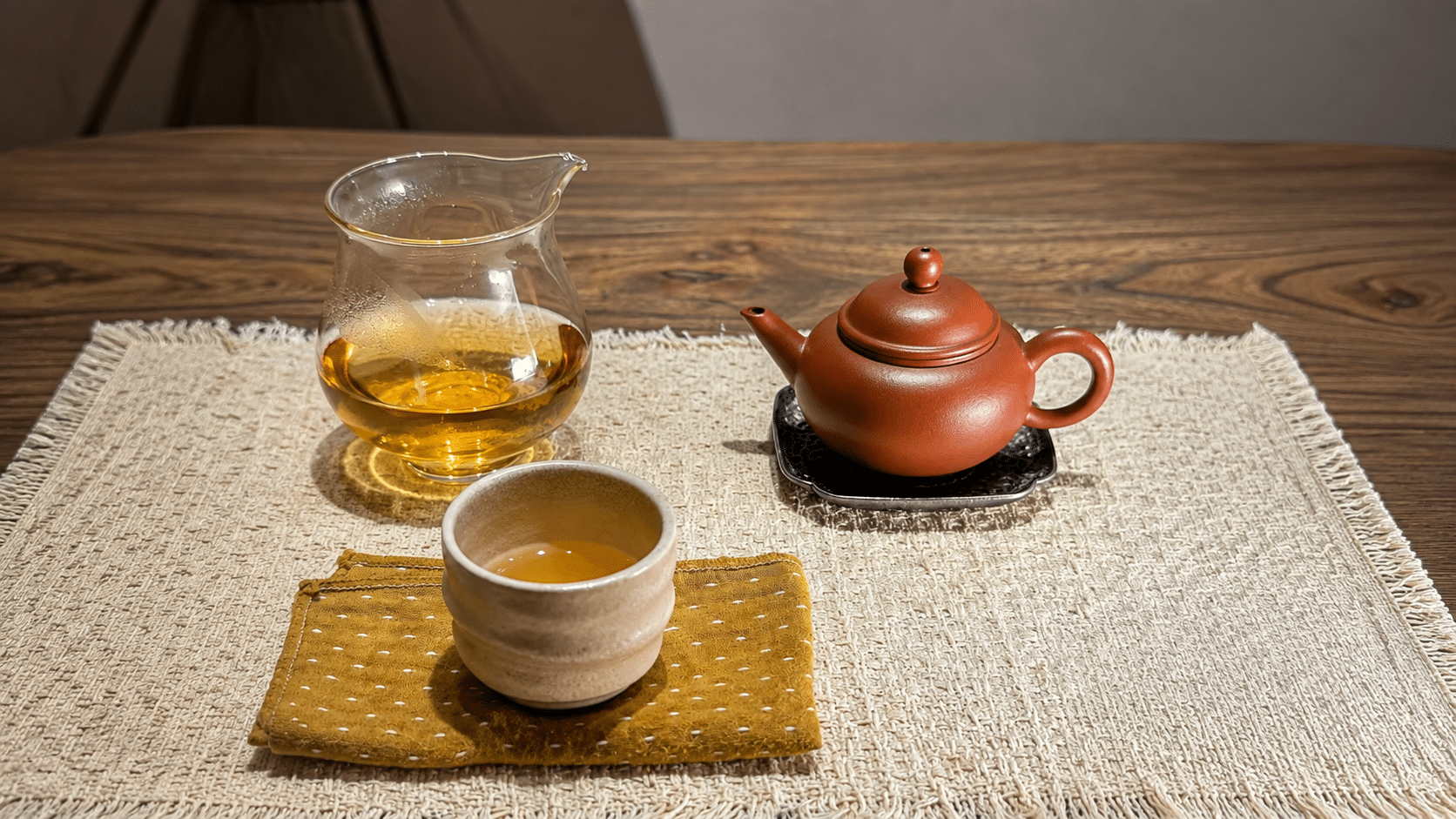
One of the most noticeable qualities of Yixing clay is its ability to retain heat. Chamomile flowers need enough time in hot water for their flavour, aroma, and water-soluble plant compounds to move into the infusion. If the brewing vessel cools down very quickly, the tea may become lighter and less expressive before the steeping process is complete.
The thicker walls of many Yixing teapots help keep the water warm throughout the infusion. The consistent warmth can encourage a more complete extraction of chamomile’s aromatic compounds and flavonoids, including apigenin and related plant compounds.
In this sense, a Yixing teapot may help bring out more of what is already naturally present in the chamomile. The difference is often noticeable not as an aggressive increase in strength, but as a fuller aroma, deeper flavour, and more rounded mouthfeel.
A Softer, Rounder Taste
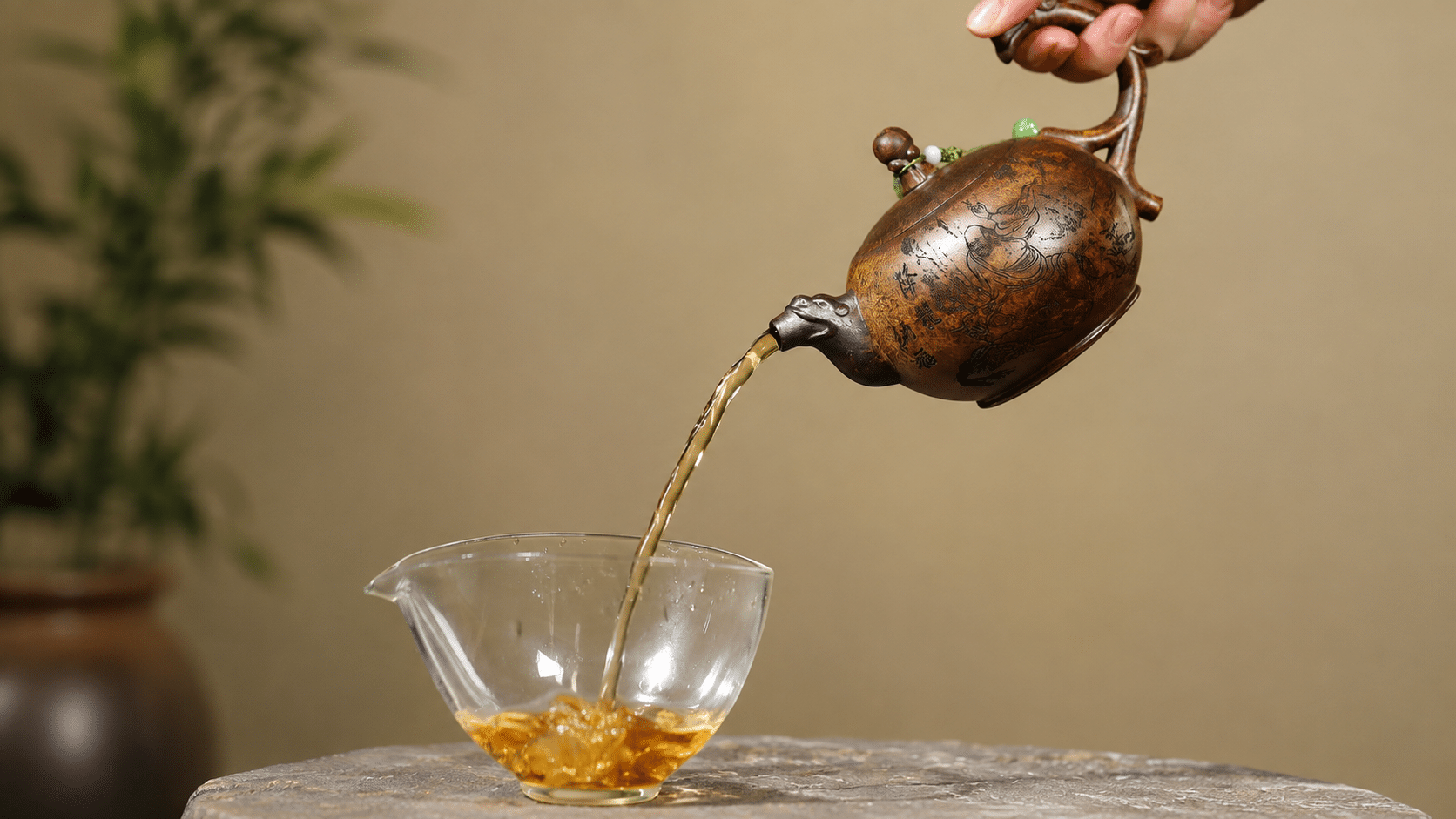
Yixing clay is often appreciated for producing a softer, more rounded tea-drinking experience. Its unglazed surface can help create a smoother and more integrated cup, which is particularly pleasant with floral herbal teas where harshness can easily overpower their delicate character.
Chamomile brewed in Yixing can feel warmer and rounder, allowing its natural honey-like sweetness and gentle floral notes to become more noticeable. For a tea intended for the evening, that softer drinking experience matters. The goal is not simply to make the tea stronger, but to make every sip feel comfortable and unhurried.
Bringing Out the Aroma
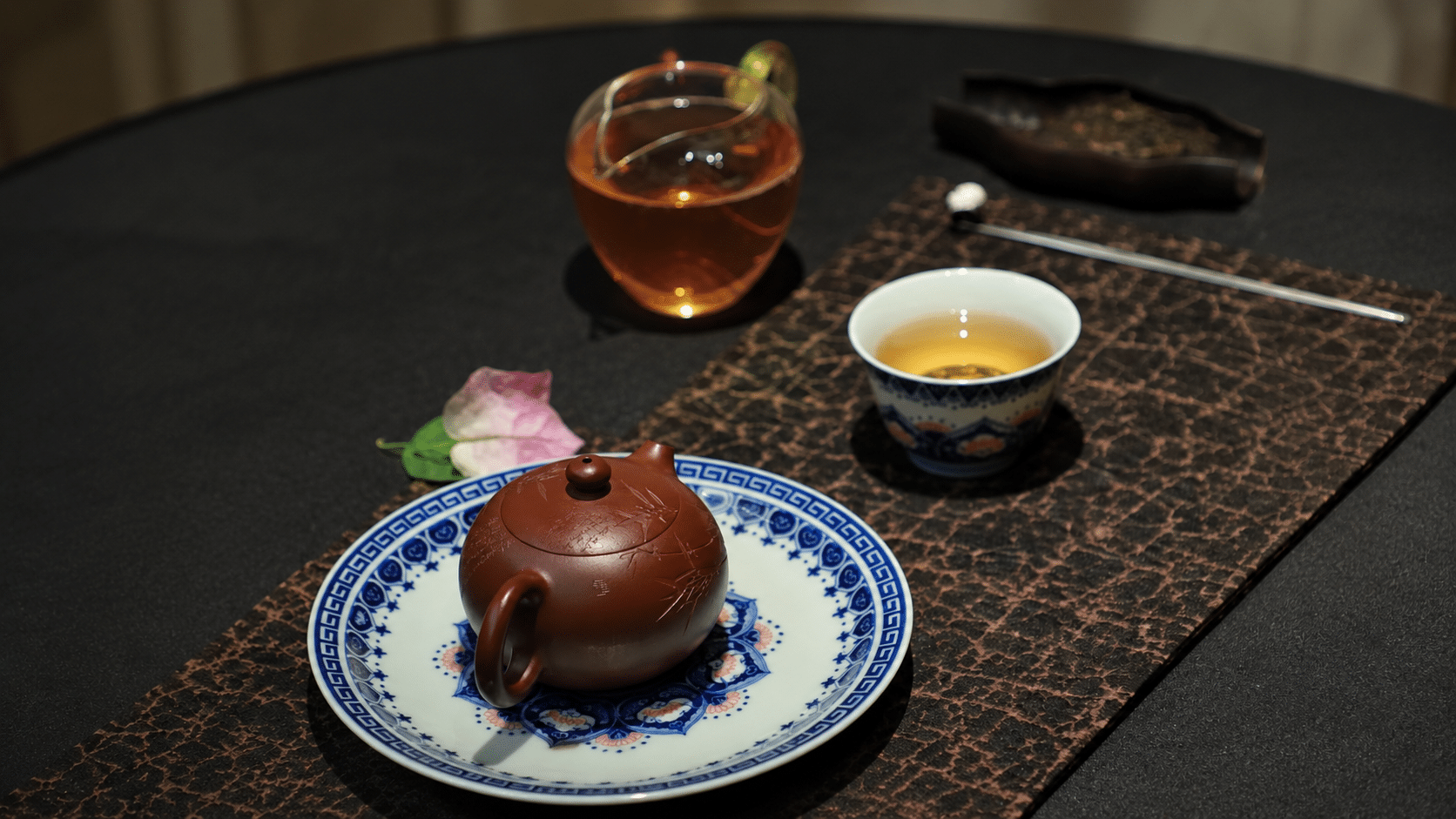
Aroma is an important part of the chamomile experience. As the tea steeps, its soft floral and slightly fruity fragrance becomes more noticeable, adding depth to the overall flavour without becoming overpowering. A Yixing teapot provides a suitable environment for these delicate aromas to unfold during brewing.
Because Yixing clay is unglazed and naturally porous, the pot may pick up subtle traces of the teas brewed in it over time. For this reason, many tea drinkers dedicate one Yixing pot to a single tea or a closely related group of teas. For chamomile and similar floral blends, this helps keep the flavour profile familiar and consistent with regular use.
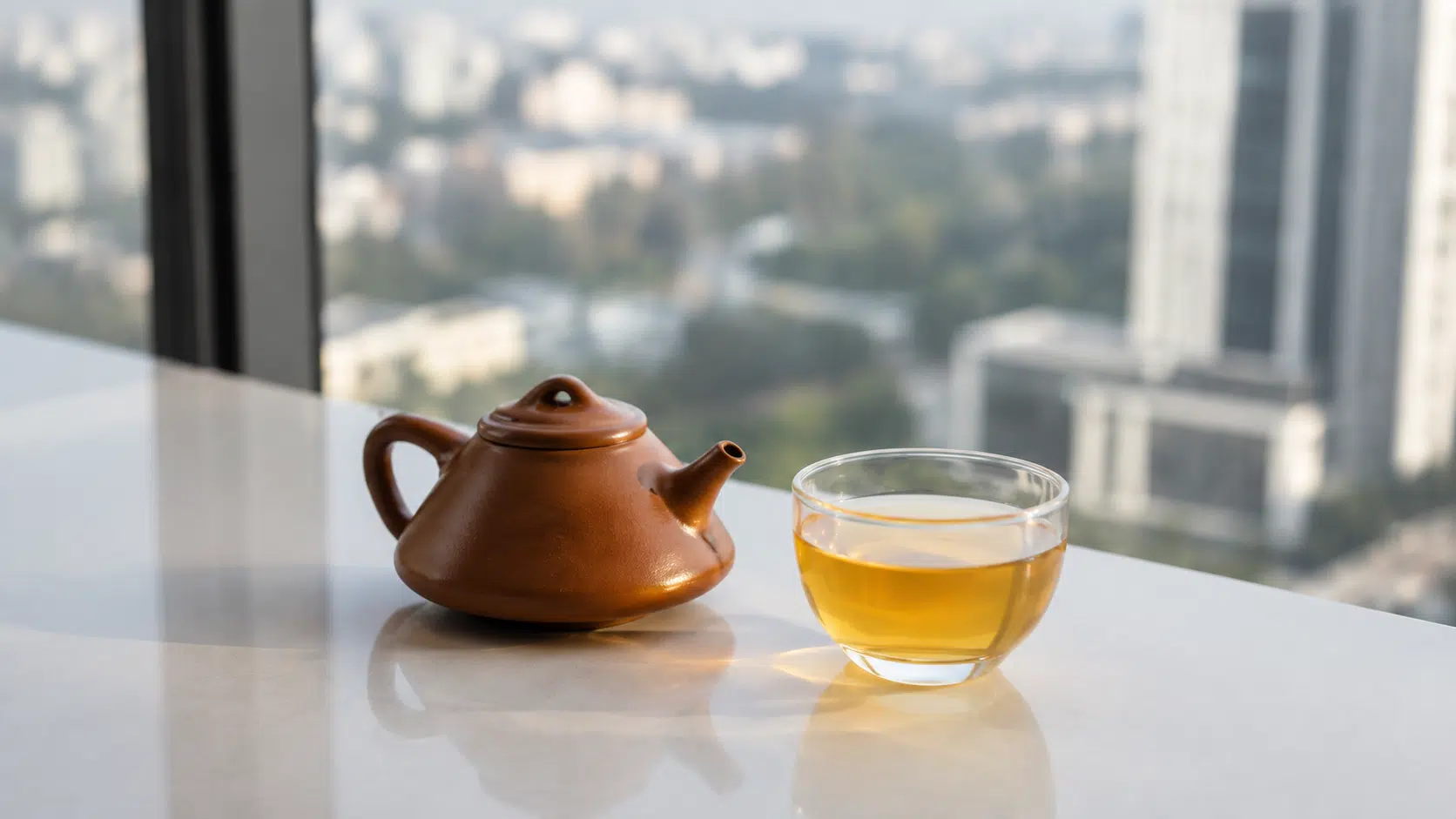
A Calmer Bedtime Tea Ritual
Brewing a cup of chamomile tea before bed can be a simple and pleasant way to wind down. Warming the teapot, adding the chamomile, pouring in hot water, and waiting for the tea to steep gives you a few quiet minutes to enjoy its warmth and gentle floral aroma.
A Yixing teapot works especially well for this kind of brewing. Its unglazed, microporous clay gives the pot a gentle breathability, which suits the slow steeping of chamomile and other botanicals and allows their aromas to develop naturally.
Used as part of an evening tea routine, it makes the preparation and enjoyment of chamomile tea feel simple and unhurried.
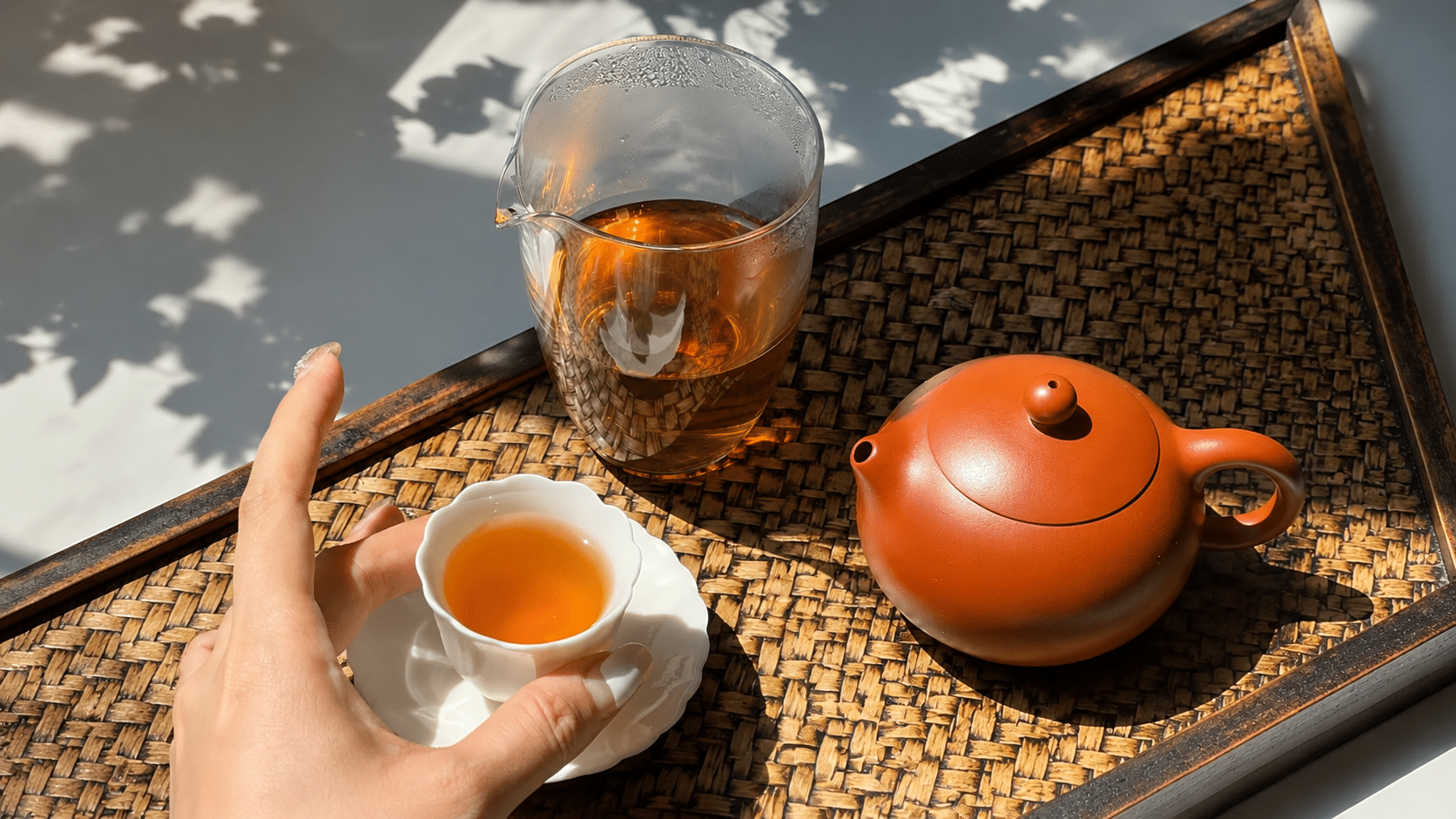
Pairing Yixing Clay with a Chamomile Sleep Tea Blend
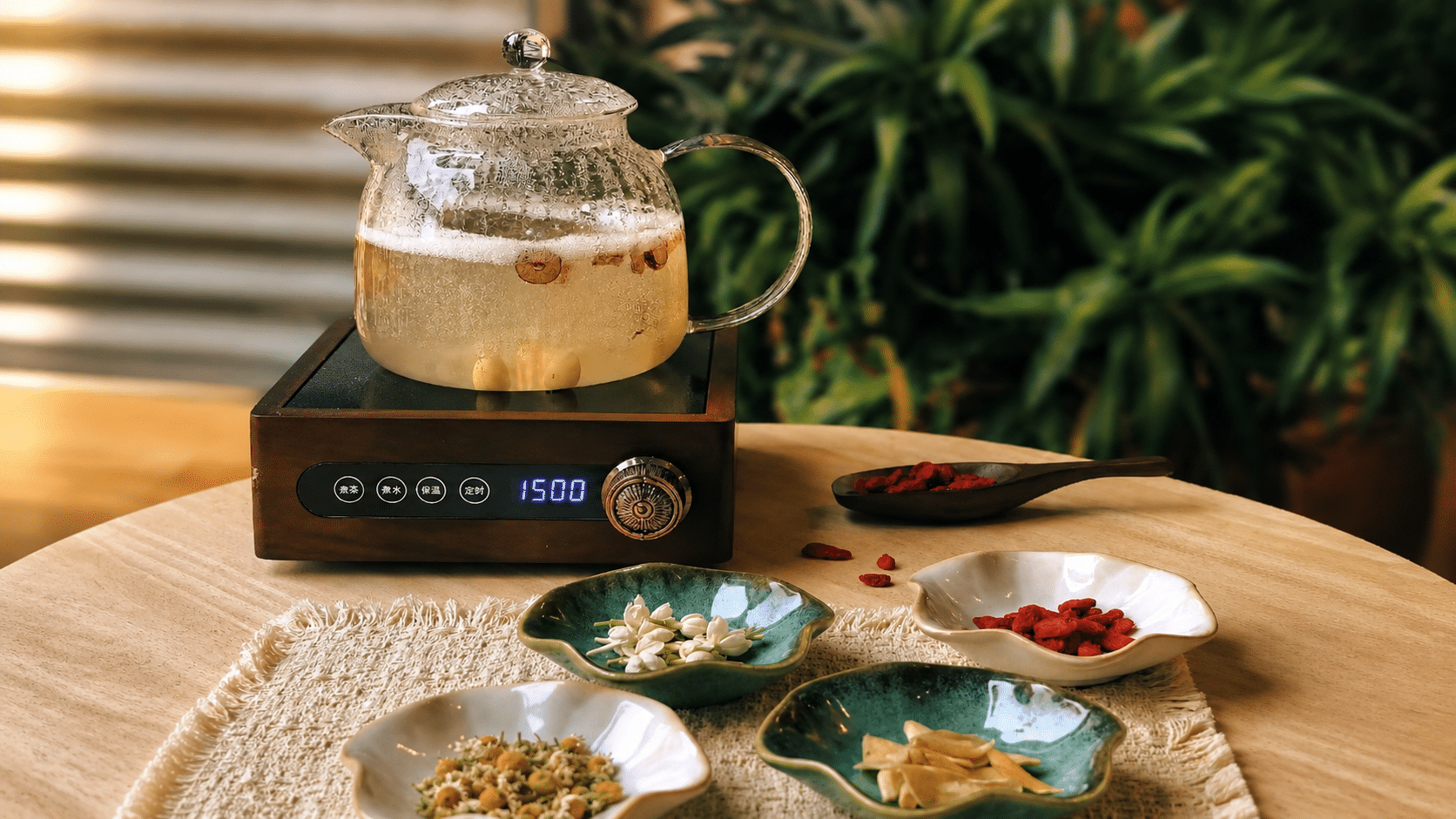
Chamomile can be combined with other gentle botanicals to create a more layered and balanced bedtime tea. A carefully blended infusion may include jasmine buds, dried lily bulb, and honeysuckle alongside chamomile, bringing together soft floral aromas and naturally mild flavours.
Chamomile provides a mellow, slightly sweet base, while jasmine adds a richer floral fragrance. Dried lily bulb contributes a delicate, mild character, and honeysuckle brings a light, refreshing sweetness. Together, these ingredients create a smooth and aromatic blend that is well suited to a quiet evening routine.
Brewing this blend in a Yixing clay teapot can bring out its different layers more fully, allowing the flavours of the botanicals to come together naturally. The result is a balanced tea that is well suited to evening drinking.
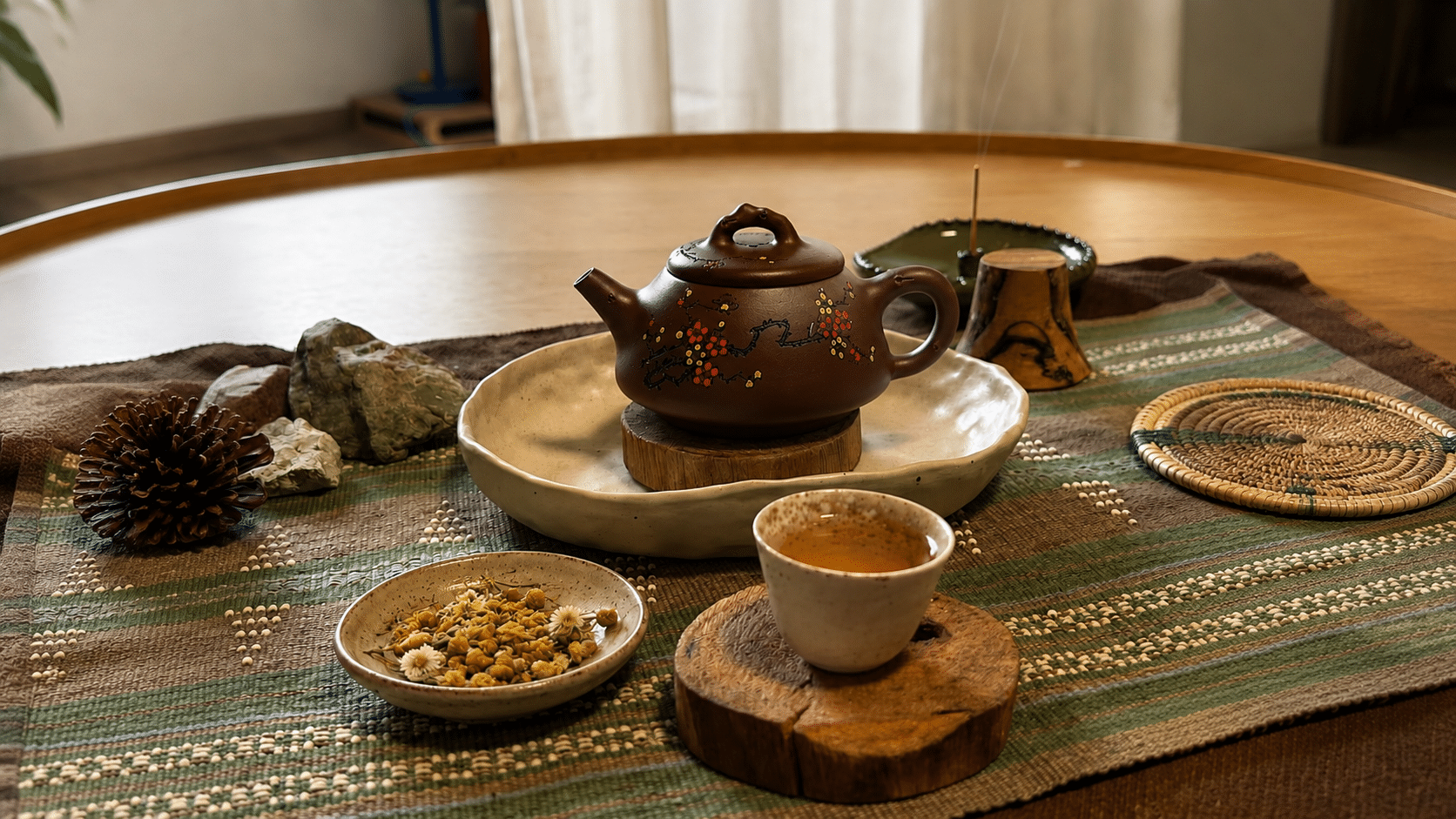
How to Brew Chamomile Sleep Tea in a Yixing Teapot
Brewing chamomile sleep tea in a Yixing teapot is simple. Start by rinsing the teapot with hot water to warm the clay, then add the tea blend according to the size of the teapot and your preferred strength.
Pour in water at around 90-95℃ (194-203°F) and let the tea steep for 5-8 minutes. During this time, the chamomile and other botanicals release their flavour and aroma into the water.
Pour the tea into a cup and enjoy it warm. For a bedtime tea, it is best enjoyed around 30-60 minutes before sleep.
Caring for a Yixing Teapot Used for Herbal Tea
Because Yixing clay is unglazed, it is best to dedicate the pot to chamomile or similar floral blends rather than constantly switching between strongly different teas.
After brewing, remove the flowers and rinse the pot thoroughly with clean warm water. Avoid strongly scented detergents, as the porous clay can absorb unwanted smells. Leave the lid open and allow the pot to dry completely before storing it.
With regular use, the pot may pick up subtle traces of the tea’s aroma, while its surface develops a softer lustre. This gradual relationship between tea and teapot is part of the pleasure of using Yixing clay.
A Better Cup and a Better Way to End the Day
Chamomile is naturally well suited to evening drinking, and brewing it in a Yixing clay teapot can help maintain a steady temperature while allowing its flavour and aroma to develop more fully. The result is a warm, smooth, and fragrant cup that is pleasant to enjoy before bed.
For those who regularly enjoy chamomile or herbal sleep tea, a dedicated Yixing teapot can be a practical and enjoyable addition to an evening tea routine.
Word: chamomile sleep tea
Link: https://www.umiteasets.com/products/meditation-sleeping-tea-blend
Word: Yixing clay teapot can make a difference
Link: https://www.umiteasets.com/collections/yixing-teapots