

The instinct when working with European design references is to go all the way. You have to commit to a period aesthetic and furnish the room as though it exists in a different century. That approach produces rooms that feel like sets.
The more interesting and more livable result comes from taking specific principles from European furniture tradition and applying them selectively within a contemporary context, where the contrast between old and new creates the tension that makes a room feel considered.
The principle worth understanding first is that European furniture design, across its various national traditions and historical periods, was built around proportion, material quality, and craft detail in ways that most contemporary furniture production isn’t. Those three things are what carry forward into a modern context without requiring the full period aesthetic that makes rooms feel like museums.
Start With Proportion Before Anything Else
European furniture from the periods that produced the most enduring designs, whether French provincial, Italian Renaissance, or the various Germanic traditions, was scaled to the room it was designed for.
The pieces were large enough to have presence without overwhelming the space, and the relationships between furniture heights, room ceiling heights, and architectural features like cornices and dado rails were considered as a composition.
Contemporary rooms in Australian homes don’t have the ceiling heights or the architectural detail of European period interiors, but the proportional thinking transfers regardless.
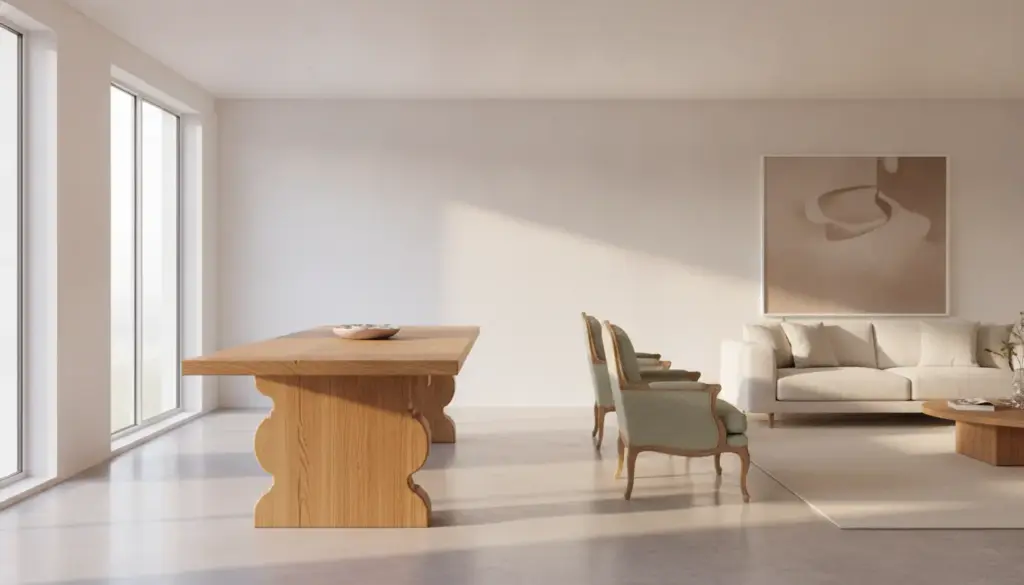
A sofa with a lower profile sits differently in a room with 2.4 metre ceilings from one with a high back designed for a grander space. A dining table that’s appropriately scaled to the room’s footprint and the number of chairs it needs to accommodate reads differently from one that was chosen for its appearance in a showroom without reference to the actual space it would occupy.
The European inspired furniture pieces that work best in contemporary Australian interiors are the ones whose proportions were considered for spaces of similar scale, and finding those pieces requires more attention to dimension specification than most furniture shopping involves.
Use Material and Craft Detail as the Connection Point
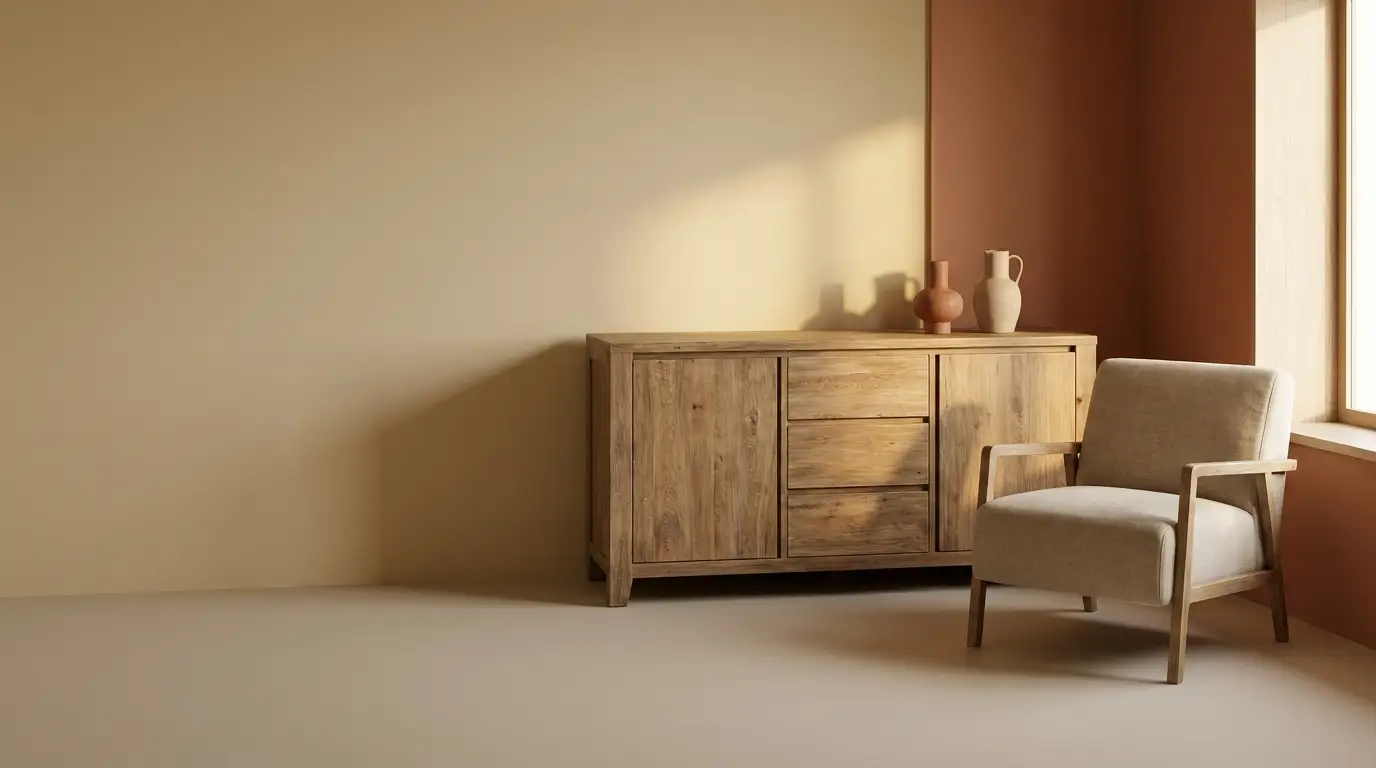
The clearest way to bring European design principles into a contemporary interior without creating a period room is through material quality and craft detail applied selectively. A single piece of furniture with a solid timber frame and a finish that develops character with age reads differently in a room from a collection of contemporary pieces with similar profiles.
It creates a focal point that anchors the room in something more considered than the surrounding pieces, and it doesn’t require the rest of the room to match it in period character to work.
Upholstery choices are another connection point. European furniture traditions used fabrics with qualities communicated through the material itself. A contemporary sofa reupholstered in a quality linen or a textured wool blend reads differently from the same frame in a synthetic. That reading doesn’t require the frame to be period in its design. The material is doing enough work on its own.
Mix Deliberately and Limit the Number of Reference Points
The contemporary interior that successfully incorporates European design principles tends to have a limited number of pieces doing that work while the rest of the room functions as a neutral backdrop.
Two or three pieces with genuine European design character, a dining table with carved legs, a pair of armchairs with a classic profile, a sideboard with period-inspired hardware, create enough of a design conversation with the contemporary elements around them without turning the room into a pastiche.
The mistake is introducing too many reference points from too many different European traditions simultaneously. French provincial chairs with Italian Renaissance a table and Germanic storage pieces in the same room creates a competition between reference points that produces confusion.
Choosing one tradition and applying it selectively, or choosing pieces that share enough design language to feel related without being matchy, produces a room where the European influences feel intentional.
The contemporary living space that incorporates Old World design principles well is a room where those principles are present in the craft and proportion of specific pieces, where the materials communicate quality through their own character, and where the mix between old and new creates the visual interest that either approach alone wouldn’t produce.