
Freezing winter winds make outdoor activities uncomfortable without proper clothing choices. Layering heavy jackets and sweaters helps retain core warmth during icy snaps. Covering exposed skin creates a strong defense against rapidly dropping outdoor temperatures.
Soft knitted headwear acts as a personal shield against harsh environmental conditions. Investing in thick head coverings allows your body to retain warmth far more efficiently throughout freezing days. Selecting quality materials makes winter walks pleasant and manageable.
The Physics of Thermal Insulation
Heavy coats protect your chest and core when stepping outdoors into frigid air. Pairing warm coats with quality beanie hats for women from HatAttack provides a simple fix to stop cold breezes from dropping your temperature. That extra fabric layer forms a protective boundary against freezing wind gusts. Thick knits stop cold air from reaching your scalp.
Fabric weaves create thousands of tiny microscopic spaces right near your skin. These trapped air pockets act like insulating walls, stopping chilly breezes from reaching your scalp. Heat stays locked inside these tiny chambers instead of drifting away.
Thicker knits create larger thermal layers, improving performance on freezing afternoons. Choosing dense materials like wool keeps comfort levels high all day long. Proper material thickness makes a noticeable difference during prolonged exposure.
Understanding Heat Loss Science
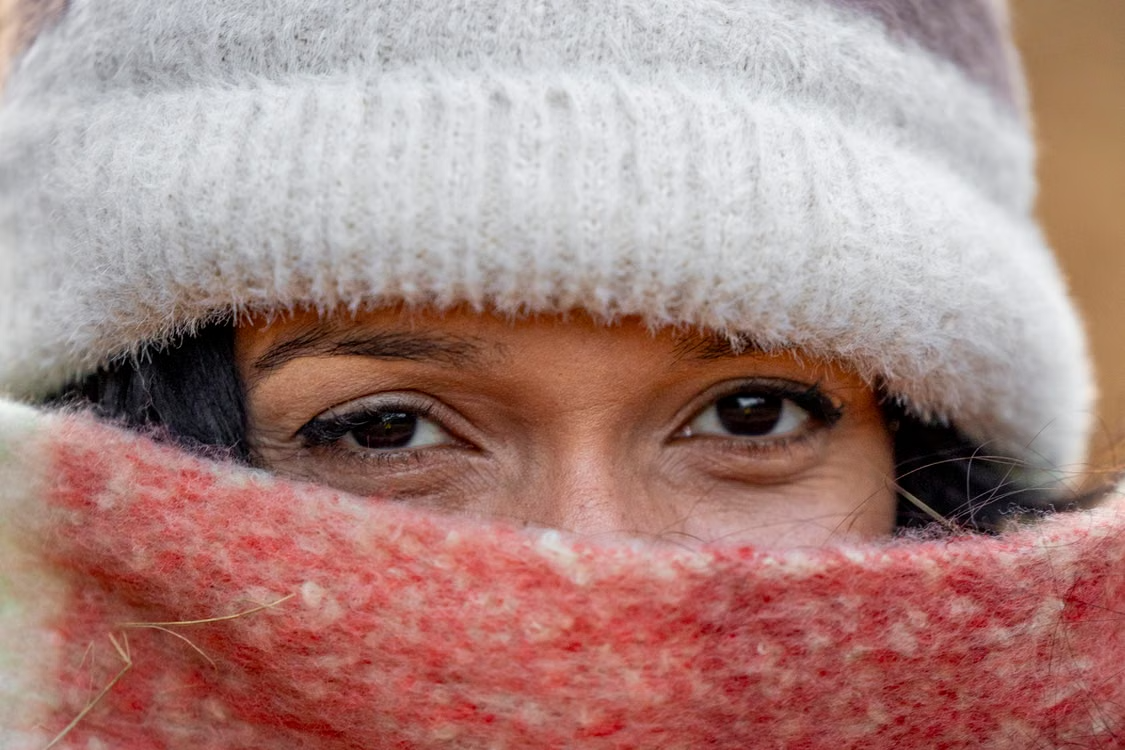
Old urban myths suggested that people lose half of their bodily warmth through their heads. Modern research clarifies that the actual heat loss through the head and face stays close to 10%. That percentage still represents a significant amount of heat escaping into frigid air.
Protecting your scalp reduces strain on your circulatory system as it tries to regulate internal temperature. Keeping your core temperature steady prevents energy depletion during outdoor tasks. Simple garments prevent your heart from working harder than necessary.
Conserving that warmth helps your muscles stay loose during winter walks. Simple head coverings keep your entire body functioning comfortably in snowy conditions. Staying warm makes physical movement smoother and far more enjoyable.
Preventing Cold Weather Risks
Extreme weather conditions require active gear choices to protect your health. Shifting weather patterns make thermal retention critical for avoiding frostbite and hypothermia. Proper clothing choices prevent body temperatures from dipping into dangerous ranges.
Exposed ears and scalps suffer fast tissue cooling when temperatures plummet below freezing. Covering these sensitive areas lowers health risks during long outdoor stays. Simple precautions keep body tissue safe from severe frost damage.
Consistent warmth allows outdoor enthusiasts to enjoy winter sports safely. Smart headwear choices make long hours outside far safer. Proper preparations allow individuals to remain active throughout chilly seasons.
Trapping Air Near the Scalp
Head coverings serve as physical shields against harsh winter elements. Donning a warm hat builds a tight barrier that holds heat right beside your body. This barrier prevents natural warmth from escaping into cold air.
This thermal buffer stops natural body heat from evaporating into open air. Staying covered means your body wastes less energy generating extra warmth. Conserved energy helps maintain physical stamina during long walks.
Selecting tight-fitting ribbed materials maximizes this protective barrier effect. A snug fit blocks drafty spaces where cold air might sneak inside. Double-layered designs provide additional protection against sharp gusts.
Smart winter dressing requires paying close attention to every exposed area. Adding comfortable headgear to your daily routine keeps thermal energy locked right where it belongs.
Staying warm during chilly months relies on smart fabric choices and coverage. Quality accessories keep winter chill away so you can enjoy every cold-season activity.