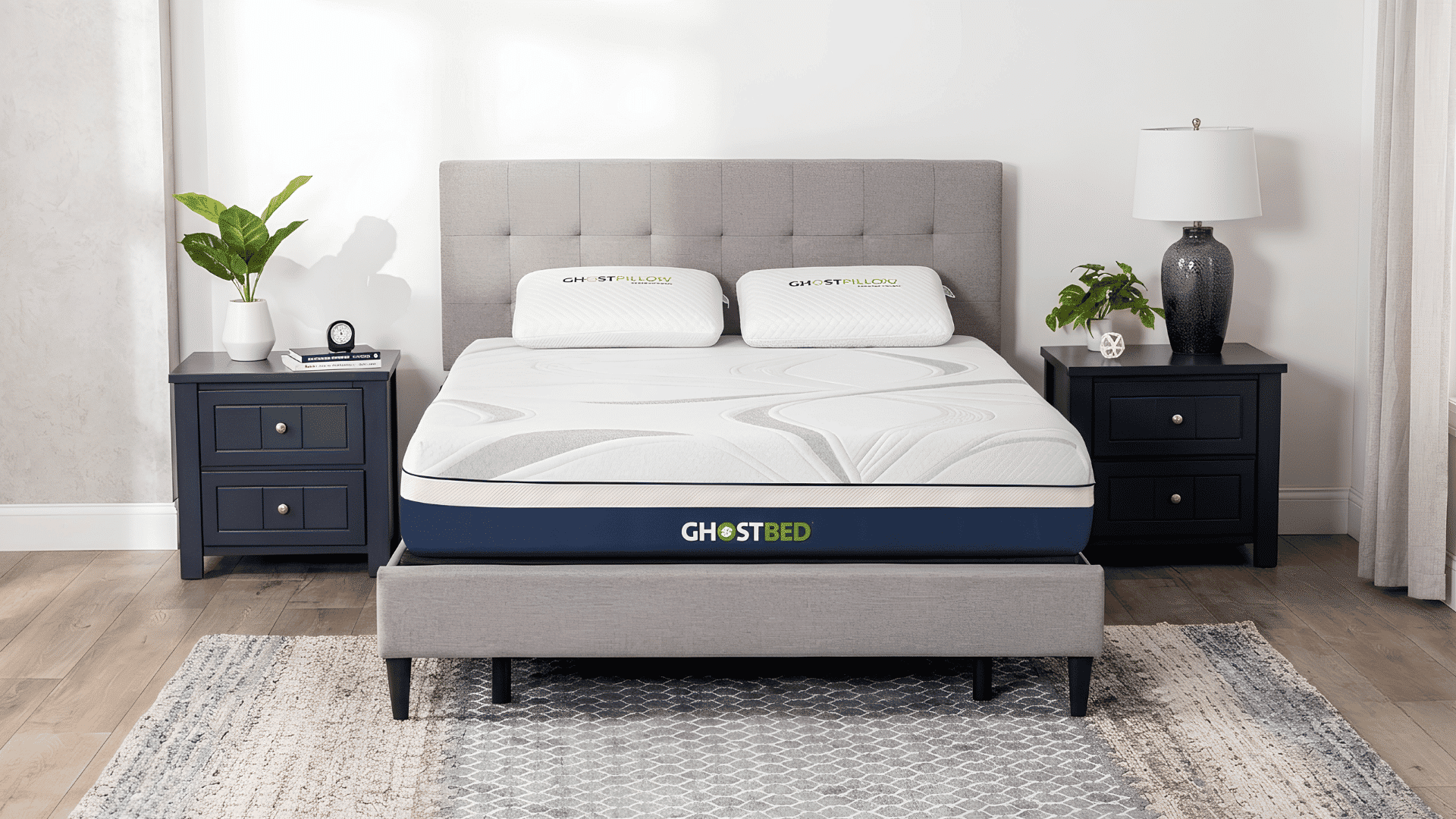

Waking with stiff joints, aching hips or shoulders, or arthritis pain that worsens overnight can make restful sleep difficult.
A suitable mattress should relieve pressure while keeping the body supported, rather than simply feeling soft or firm.
For many sleepers, a medium-firm surface offers a practical starting point, though body weight, sleep , and pain location matter.
The mattresses below are assessed by firmness range, pressure-point cushioning, motion isolation, trial periods, and warranty terms, with medical review noted only where relevant and verified.
What is Arthritis?
Arthritis is a condition that causes pain, swelling, stiffness, and reduced movement in one or more joints.
It is not a single disease; the term covers more than 100 joint-related conditions.
Osteoarthritis develops when the cushioning cartilage between bones wears down, while rheumatoid arthritis occurs when the immune system attacks healthy joint tissue.
Symptoms may vary from mild discomfort to ongoing pain that affects walking, working, and sleeping. Age, injuries, family history, weight, and certain health conditions can raise the risk.
Proper medical care, regular movement, and supportive sleep habits may help people manage symptoms.
Choosing The Right Mattress Firmness for Arthritis
Use this quick guide to compare mattress firmness based on arthritis location, body weight, pressure relief, and overall support needs.
| Arthritis location or body weight | Suggested firmness | Why it may help |
|---|---|---|
| Shoulder or hip arthritis | Soft to medium-firm | Cushions sensitive pressure points |
| Back, spinal, or knee arthritis | Medium to medium-firm | Balances joint cushioning with stable support |
| Arthritis in multiple joints | Medium-firm | Provides balanced full-body support |
| Under 130 pounds | Soft to medium | Allows sufficient contouring for a lighter body |
| Over 230 pounds | Medium-firm to firm | Limits excessive sinking and improves stability |
7 Best Mattresses for Arthritis
These seven mattresses offer varied firmness, pressure relief, cooling, and support options for people managing arthritis-related discomfort during sleep.
1. Saatva Classic
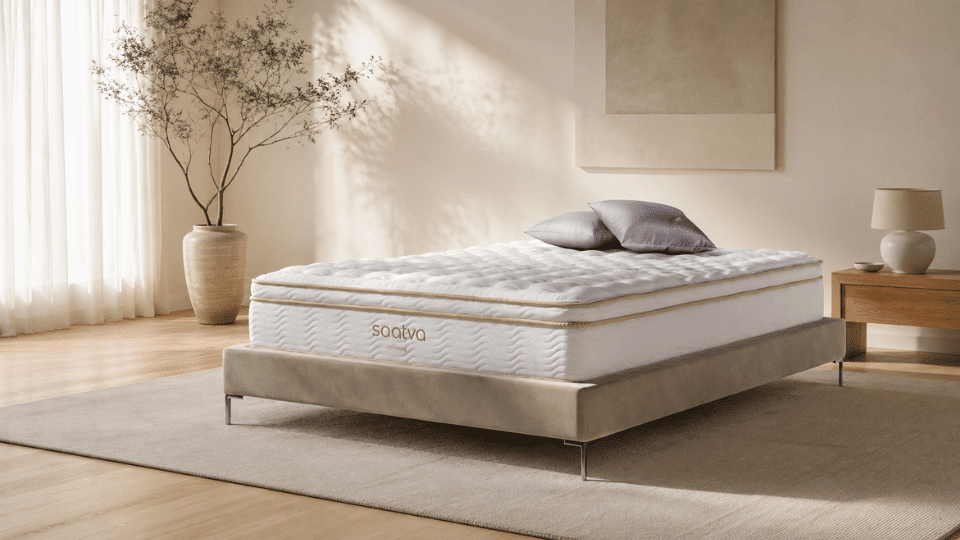
The Saatva Classic combines responsive coils, cushioned comfort layers, and focused lumbar support, providing balanced pressure relief without allowing the body to sink excessively overnight.
Pros
- Three firmness choices for different comfort needs
- Strong edge support
- Good motion isolation for couples
Cons
- Higher price than many competing mattresses
- Responsive feel may not suit people wanting deep foam contouring
Features
- Dual-coil support system
- Three firmness levels
- Lumbar zone support
- Foam-reinforced edges
Choose the Saatva Classic for adaptable firmness, sturdy edges, balanced cushioning, and lumbar support that can accommodate changing comfort preferences.
2. Purple Hybrid

The Purple Hybrid uses a flexible grid over responsive coils, cushioning concentrated pressure around the hips and shoulders while remaining supportive and breathable elsewhere overnight.
Pros
- Strong pressure relief around the hips and shoulders
- Breathable construction supports cooler sleep
- Responsive surface makes reing easier
Cons
- Grid texture may require an adjustment period
- Transfers more movement than some memory foam mattresses
Features
- Flexible GelFlex Grid
- Responsive coil base
- Breathable open-grid construction
- Pressure-sensitive cushioning
Choose the Purple Hybrid if side sleeping places pressure on arthritic hips or shoulders, and you prefer responsive cushioning nightly.
3. WinkBed
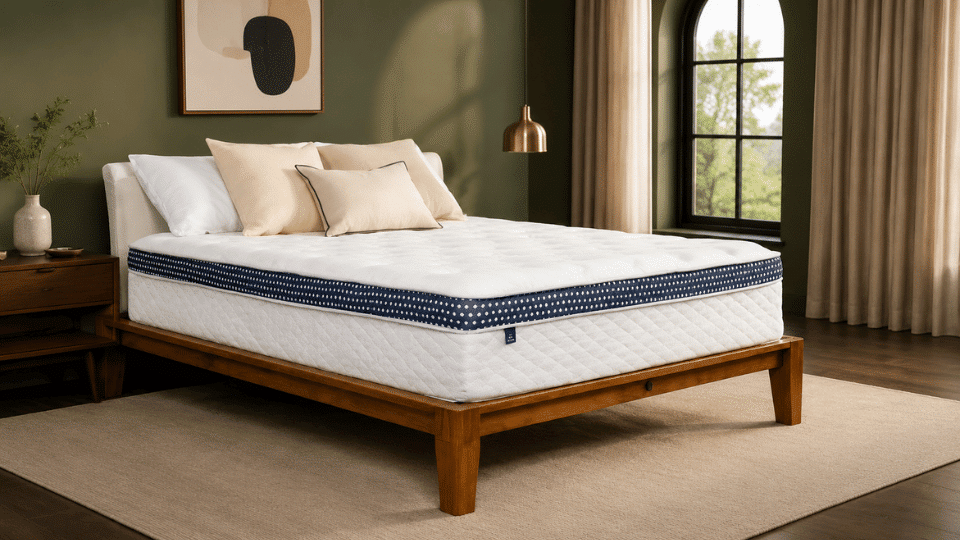
The WinkBed combines a plush pillow top with zoned coils, offering focused lumbar support, steady spinal alignment, and cushioning for sleepers experiencing back discomfort overnight.
Pros
- Strong support around the lower back
- Several firmness choices
- Good airflow and edge stability
Cons
- Pillow top may compress with extended use
- Cushioned surface may not suit people wanting a flat, firm feel
Features
- Zoned coil support system
- Plush pillow top
- Reinforced perimeter
- Multiple firmness options
Choose the WinkBed when arthritis discomfort affects your back or spine, and you need cushioning combined with targeted lumbar support.
4. Nectar Premier

The Nectar Premier uses layered memory foam to contour around sensitive joints, reduce motion transfer, and provide pressure relief at a relatively accessible price overnight.
Pros
- Cushions sensitive joints
- Strong motion isolation
- More accessible price than many luxury mattresses
Cons
- Limited bounce may make reing difficult
- Edge support is weaker than many hybrid mattresses
- Foam may feel restrictive to some sleepers
Features
- Layered memory foam
- Cooling cover
- Medium-firm feel
- Extended home trial
Choose the Nectar Premier for affordable joint cushioning, strong motion isolation, and enough trial time to evaluate comfort at home.
5. Brooklyn Bedding Bloom Hybrid

The Brooklyn Bedding Bloom Hybrid pairs cushioning materials with a durable coil system, helping heavier sleepers remain supported without sinking excessively into the mattress overnight.
Pros
- Maintains support under higher body weight
- Durable coil base
- Good airflow and temperature regulation
Cons
- Firmer feel provides limited deep contouring
- Heavy construction can make moving or rotating difficult
Features
- High-density coil base
- Multiple firmness choices
- Reinforced perimeter
- Cooling comfort layer
Choose the Bloom Hybrid if higher body weight causes mattresses to sag, soften, or lose support too soon for you.
6. Helix Midnight
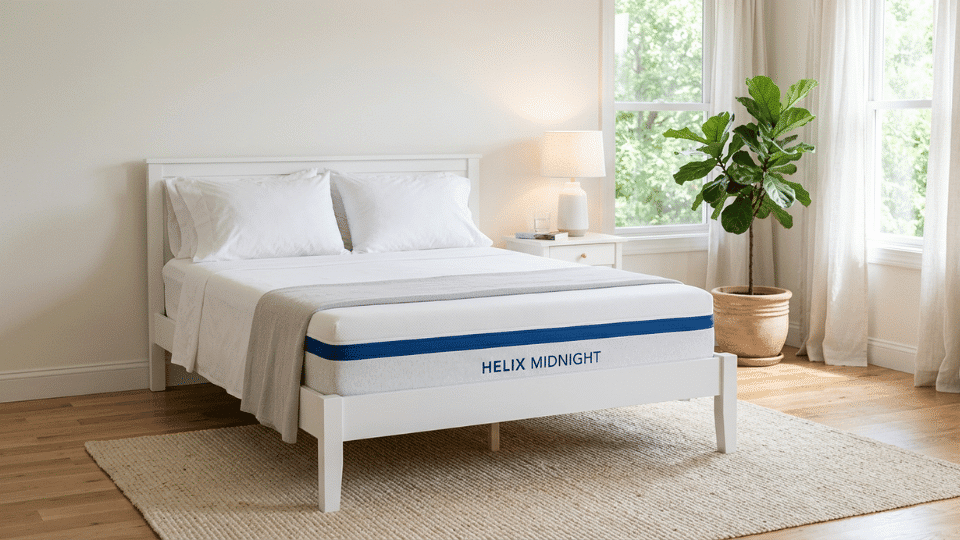
The Helix Midnight combines memory foam cushioning with breathable wrapped coils, offering balanced pressure relief, motion control, responsiveness, and improved airflow for warmer sleepers overnight.
Pros
- Sleeps cooler than many all-foam mattresses
- Balanced cushioning and support
- Good motion isolation for couples
Cons
- Enhanced cooling options may increase the price
- Medium feel may not suit people needing extra-firm support
Features
- Breathable cooling cover
- Memory foam comfort layer
- Individually wrapped coils
- Airflow-friendly support core
Choose the Helix Midnight if joint discomfort occurs alongside warmth and you want cushioning without the heat of foam layers.
7. Avocado Green Mattress
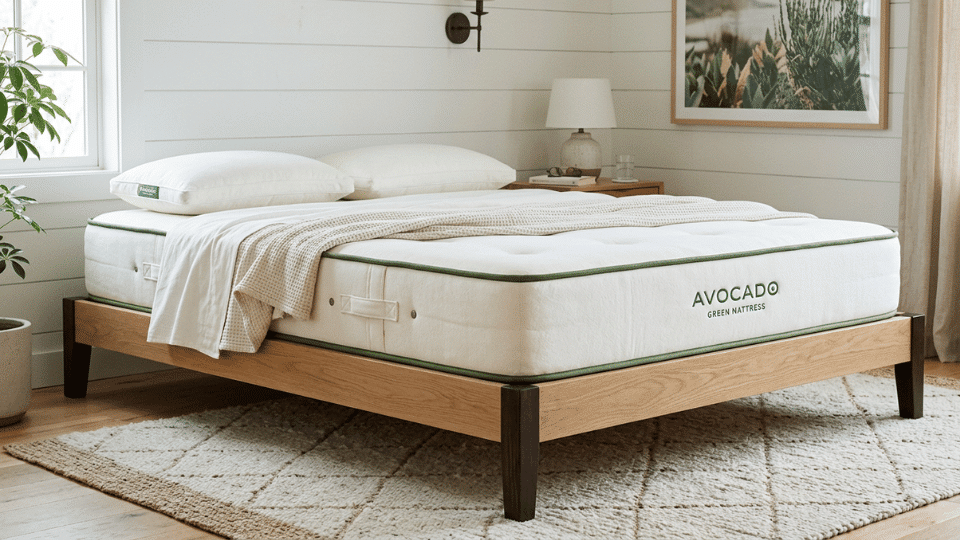
The Avocado Green Mattress combines responsive latex with supportive coils, offering durable support, easier movement, reinforced edges, and flexibility for use with adjustable bases overnight.
Pros
- Compatible with many adjustable bases
- Responsive surface supports easier movement
- Durable materials and strong edges
Cons
- Premium price
- Firmer latex feel may not suit people wanting deep foam cushioning
Features
- Natural latex comfort layer
- Supportive coil system
- Reinforced perimeter
- Flexible hybrid construction
Choose the Avocado Green if adjustable elevation, responsive support, and separate comfort solutions are important for you and your partner.
What Makes a Mattress Good for Arthritis?
The right mattress can cushion painful joints, support the body, and promote more comfortable sleep for people with arthritis.
1. Pressure Relief vs. Firmness: Pressure relief cushions sensitive joints and distributes body weight, while firmness describes how hard or soft a mattress feels. Excessive firmness can create pressure, whereas excessive softness may reduce spinal support.
2. Medium-Firm Comfort: A medium-firm mattress often balances cushioning with stable support. However, the right firmness depends on body weight, sleeping , and arthritis location, so personal comfort should guide the final choice.
3. Memory Foam: Memory foam contours closely to the body, helping reduce pressure around painful shoulders, hips, knees, and the spine. Its deep cushioning may feel restrictive for sleepers who frequently change s during sleep.
4. Hybrid and Latex: Hybrid mattresses combine cushioning foam with supportive coils, while latex provides responsive pressure relief and easier movement. Both options can suit sleepers who need joint cushioning without excessive sinking.
Medical Disclaimer: This content is provided for general informational purposes and should not replace medical advice. Speak with a doctor or physical therapist for mattress guidance based on your symptoms, mobility, and health needs.
Other Factors that Help with Arthritis Pain at Night
Mattress accessories and thoughtful sleep-changes may reduce joint pressure, improve support, and make nighttime movement more comfortable.
- Adjustable bases can elevate painful joints and make entering bed easier.
- Supportive pillows help maintain alignment around the neck, spine, hips, and knees.
- Mattress toppers add cushioning when the existing sleep surface feels excessively firm.
- Side sleepers can place a pillow between their knees for added support.
- Consult a doctor or physical therapist for advice based on individual symptoms.
When to Consult a Doctor About Arthritis Pain
Medical advice is also important when pain appears with persistent swelling, redness, warmth, tenderness, fever, unexplained weight loss, or prolonged morning stiffness.
Speak with a doctor if joint pain regularly interrupts sleep, worsens despite changing your mattress or sleep, or limits movement during the day.
Seek prompt care after an injury if the joint looks misshapen, becomes suddenly swollen, cannot bear weight, or causes severe pain.
A doctor or physical therapist can assess the cause and recommend treatment, exercises, or suitable sleep adjustments.
Final Thoughts
Finding the best mattress for arthritis starts with balancing pressure relief and support while allowing easy movement.
Medium-firm models suit many sleepers, but body weight, sleep, and the location of joint pain should shape your decision.
Before purchasing, check the materials and firmness choices. Also review edge support and cooling. Trial periods and warranty coverage are important too.
An adjustable base, supportive pillow, or suitable topper may also improve nighttime comfort.
Which mattress would you choose for arthritis-related discomfort? Share your experience or questions in the comments below.
Frequently Asked Questions
Can a New Mattress Actually Reduce Arthritis Pain?
A supportive mattress won’t cure arthritis, but it can reduce pressure on inflamed joints and improve sleep quality, easing morning stiffness over time.
How Often Should Someone with Arthritis Replace Their Mattress?
Most mattresses lose support after seven to eight years, sooner if they sag, which matters more for arthritis sufferers who need consistent joint support.
What Sleep is Best for Arthritis?
Side sleeping with a pillow between the knees often reduces pressure on the hips and spine, though the best position depends on which joints are affected.