
Bringing home a newborn comes with many choices, and picking the right sleep space is one of the first decisions parents make.
A bassinet and a crib both give babies a safe place to rest, but they are designed for different stages.
The right choice depends on your baby’s age, your home setup and how long you want the sleep space to last.
Read on for a bassinet vs crib comparison that explains the differences, safety tips, benefits and limits to help you choose the right option.
What is a Bassinet?
A bassinet is a small, portable bed made for newborns, usually used from birth until around four to six months.
Its compact design makes it easier for parents to keep their baby close during the early months.
Pros of Bassinets:
- Compact size works well in smaller rooms.
- Lightweight design makes it easy to move.
- Can be placed beside the parent’s bed.
- Suitable for newborns during the early months.
Cons of Bassinets:
- Has a short usage period as babies grow quickly.
- Not suitable once babies start rolling or pushing up.
- Requires switching to another sleep space once limits are reached.
What is a Crib?
A crib is a larger baby bed designed for long-term use from the newborn stage through the toddler years. It provides more sleeping space and usually has a sturdy frame with adjustable mattress heights.
Pros of Cribs:
- Provides more space as babies grow.
- Can be used for several years.
- Adjustable mattress heights make it easier to use.
- Some models convert into toddler beds.
Cons of Cribs:
- Takes up more space than a bassinet.
- Heavier and harder to move.
- Usually costs more upfront.
- May require extra items like a mattress and bedding.
Bassinet vs Crib: Quick Comparison
Compare bassinets and cribs by size, safety, usage period, features, and newborn suitability.
| Feature | Bassinet | Crib |
|---|---|---|
| Best For | Newborns’ first few months | Newborns to toddler years |
| Size | Small and easy to move | Larger and stays in one place |
| Usage Time | Short-term use | Long-term use |
| Space | Fits smaller rooms | Needs more room |
| Portability | Lightweight and portable | Heavier and harder to move |
| Cost | Usually lower cost | Higher cost but lasts longer |
| Main Benefit | Keeps baby close for easy care | Gives more space as baby grows |
Bassinet vs Crib: Which One Should You Choose for Your Newborn?
Choosing between a bassinet and a crib depends on your baby’s age, sleeping needs, available space, and how long you want the sleep space to last.
When to Choose a Bassinet
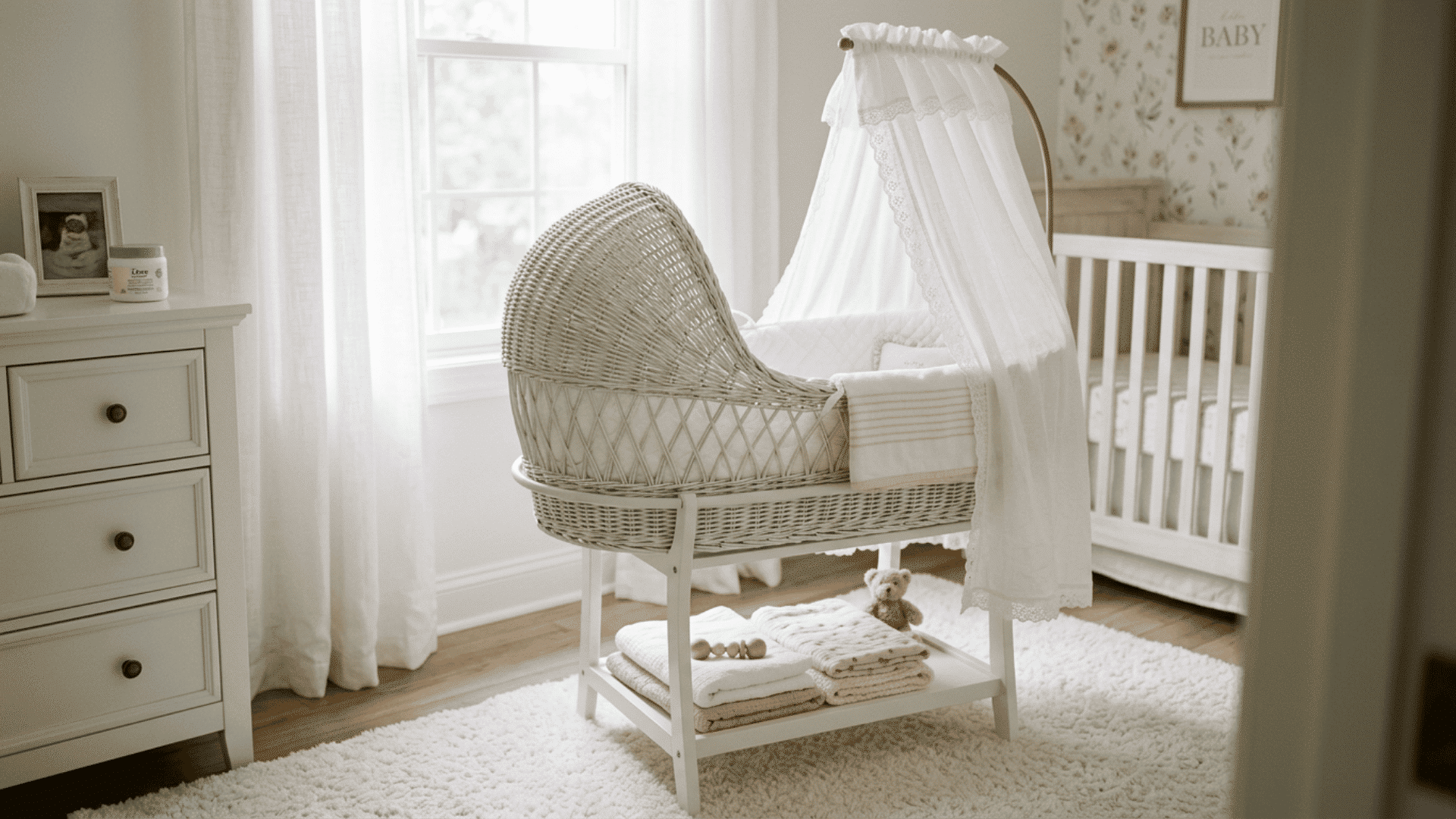
A bassinet is a suitable choice for newborns because it is small, lightweight, and easy to keep near the parent’s bed. It makes nighttime feeding, checking, and comforting the baby easier.
A bassinet works well for families with limited space or parents who want a portable sleep option.
Since it is designed for younger babies, it usually needs to be replaced once the baby grows or becomes more active.
When to Choose a Crib
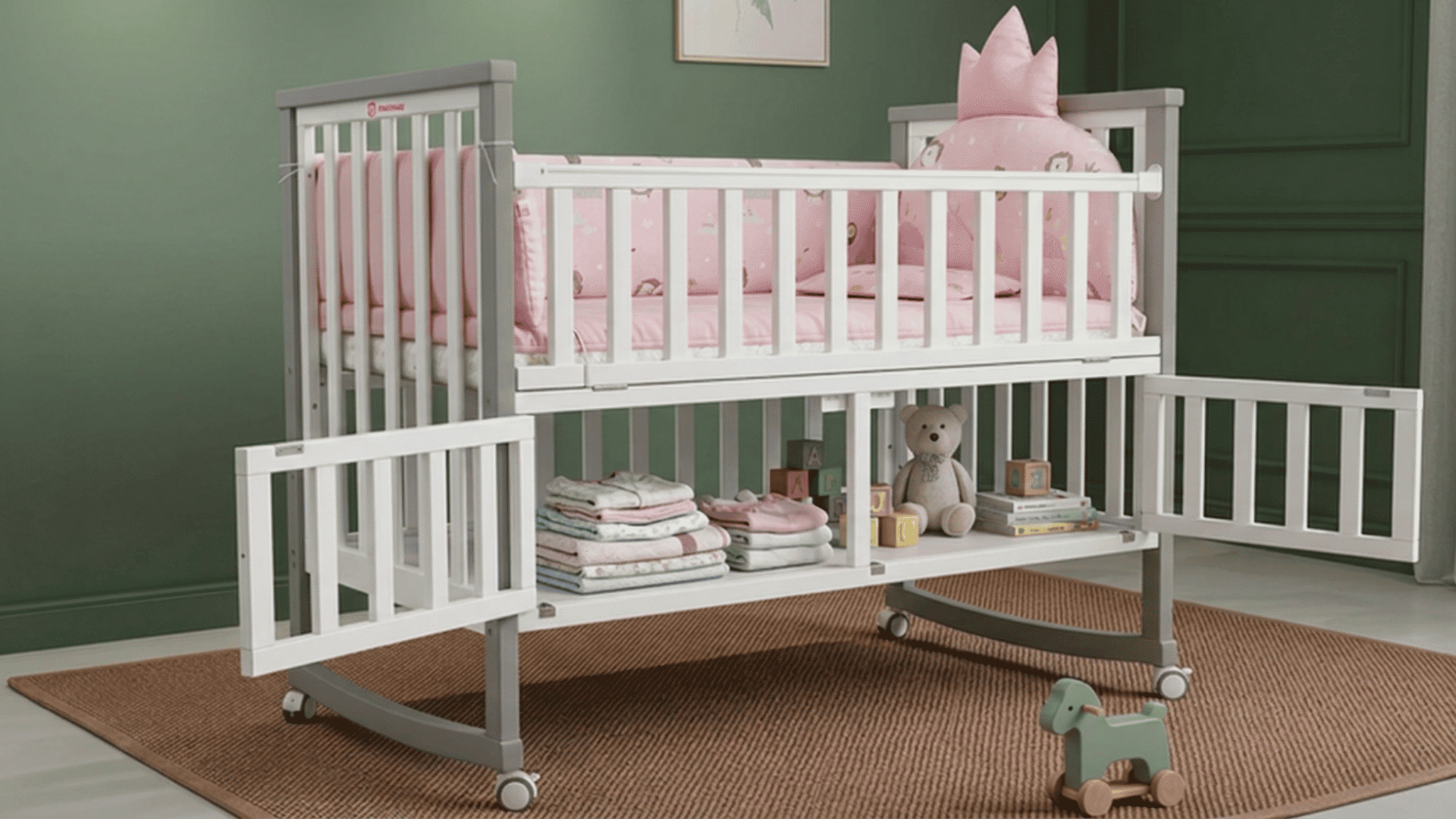
A crib is a better option for parents who want a sleep space that can be used for several years. It provides more room as babies grow and often comes with adjustable mattress heights.
Can You Use Both a Bassinet and Crib?
Many parents choose to use both a bassinet and a crib at different stages. A bassinet can be useful during the first few months when keeping the baby close is a priority.
A crib may require more space and a higher initial cost, but it can be used from the newborn stage through the toddler years when used properly.
Later, a crib can become the main sleeping area as the baby grows. Choosing between the two depends on your budget, home space, and personal preference.
When Should a Baby Move From a Bassinet to a Crib?
The move from a bassinet to a crib usually happens when a baby reaches the bassinet’s size, weight or developmental limits.
This may occur when the baby becomes too heavy, begins rolling, pushes up, or no longer has enough room to sleep comfortably and safely.
Many babies transition during the first few months, although the right time varies for each child.
Parents should always review the manufacturer’s instructions for maximum weight and developmental warnings.
Moving the baby before the bassinet becomes cramped or unsafe helps provide a more suitable sleep space and supports a smoother overall transition to the crib.
Is a Bassinet or Crib Safer for a Newborn?
Both bassinets and cribs can provide a safe sleep area when they follow safety standards and are used correctly.
The baby should sleep on a firm, flat mattress with a fitted sheet. Soft items such as pillows, loose blankets, toys, and extra bedding should stay out of the sleep space.
Parents should also follow the age, weight, and movement limits listed by the manufacturer.
A baby who can roll, push up, or move around more may need to switch from a bassinet to a crib. Checking the product details before use helps create a safer sleep setup.
Tips for Using a Bassinet or Crib Safely
Using a bassinet or crib correctly helps create a safer sleep space for your baby. Follow these tips to keep your baby comfortable and reduce common sleep risks.
- Use a Firm, Flat Mattress: Choose a mattress that fits properly with no gaps around the edges.
- Keep the Sleep Area Clear: Remove pillows, loose blankets, toys, and other soft items from the baby’s sleep space.
- Place the Baby on Their Back: Always put your baby on their back for sleep unless advised otherwise by a healthcare professional, according to NIH.
- Check Weight and Age Limits: Stop using a bassinet or crib when your baby reaches the product’s recommended limits.
- Keep the Area Smoke-Free: Avoid exposing your baby’s sleep space to smoke or strong fumes.
- Inspect the Product Regularly: Check for loose parts, damage, or worn-out pieces before use.
- Follow the Manufacturer’s Instructions: Use the bassinet or crib only as directed for safe operation.
Final Thoughts
Choosing between a bassinet vs. a crib comes down to what works best for your baby and your home.
A bassinet can make the early newborn months easier with its small size and easy access, while a crib offers more space and longer use as your baby grows.
Think about your daily routine, available space, and future needs before you choose.
Have you used a bassinet, crib, or both for your baby? Share your experience and tips in the comments below.
Frequently Asked Questions
Can a Baby Sleep in A Bassinet Overnight?
Yes, a baby can sleep overnight in a bassinet if it meets safety standards and is used within the recommended limits.
Do Cribs Need a Special Mattress for Newborns?
Yes, cribs need a firm mattress that fits properly without gaps around the edges.
Can You Use a Second-Hand Bassinet or Crib?
It is best to check the product’s safety history, condition, and current standards before using a used sleep product.