
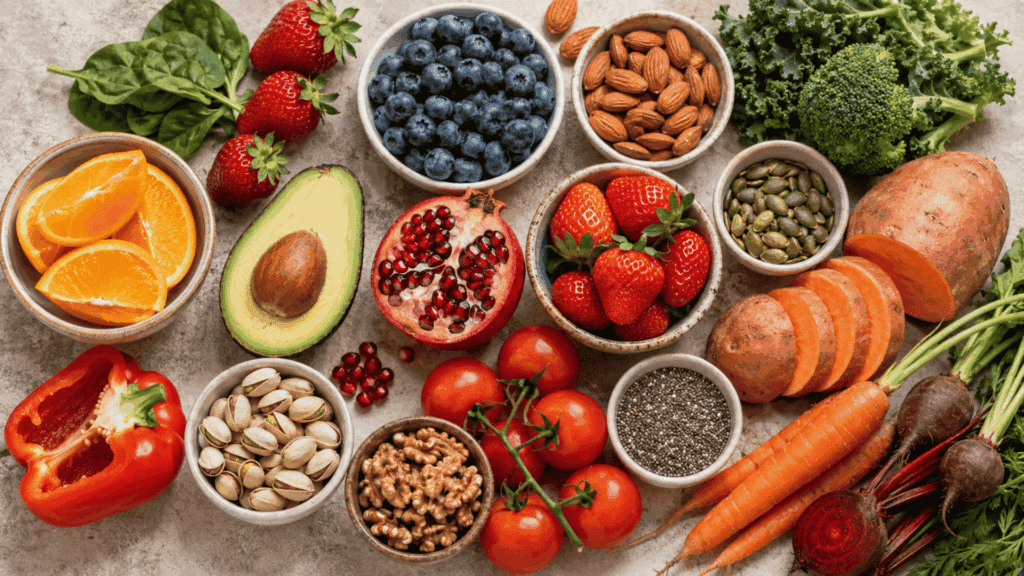
Aging is natural, but daily habits can influence how well your body ages. The foods you choose provide nutrients that protect cells, support skin health, and help the body function over time.
No food can erase wrinkles or reset biological age, yet certain anti-aging foods can support the body’s natural repair and defense systems.
This blog covers 27 anti-aging food options, their key nutrients, possible benefits, and simple ways to include them in meals.
It also shares real skin experiences and shows why sleep, hydration, and sun protection matter. Read the full blog and start building a balanced routine today.
What are Anti-Aging Foods?
Anti-aging foods are nutrient-rich options that provide antioxidants, vitamins, minerals, fiber, healthy fats, and protein to support the body as it ages.
While they cannot stop aging, they can help maintain important functions such as skin health, muscle strength, heart health, and brain function.
Aging brings changes like slower cell repair and reduced muscle mass.
A balanced diet with a variety of whole foods helps provide nutrients that support these changes.
Instead of relying on one “miracle” food, combining different nutrient-dense foods creates a stronger foundation for healthy aging.
Anti-Aging Foods for Healthy Aging
These nutrient-rich fruits, vegetables, nuts, and seeds support skin health, cell protection, digestion, heart function, and overall well-being.
1. Blueberries
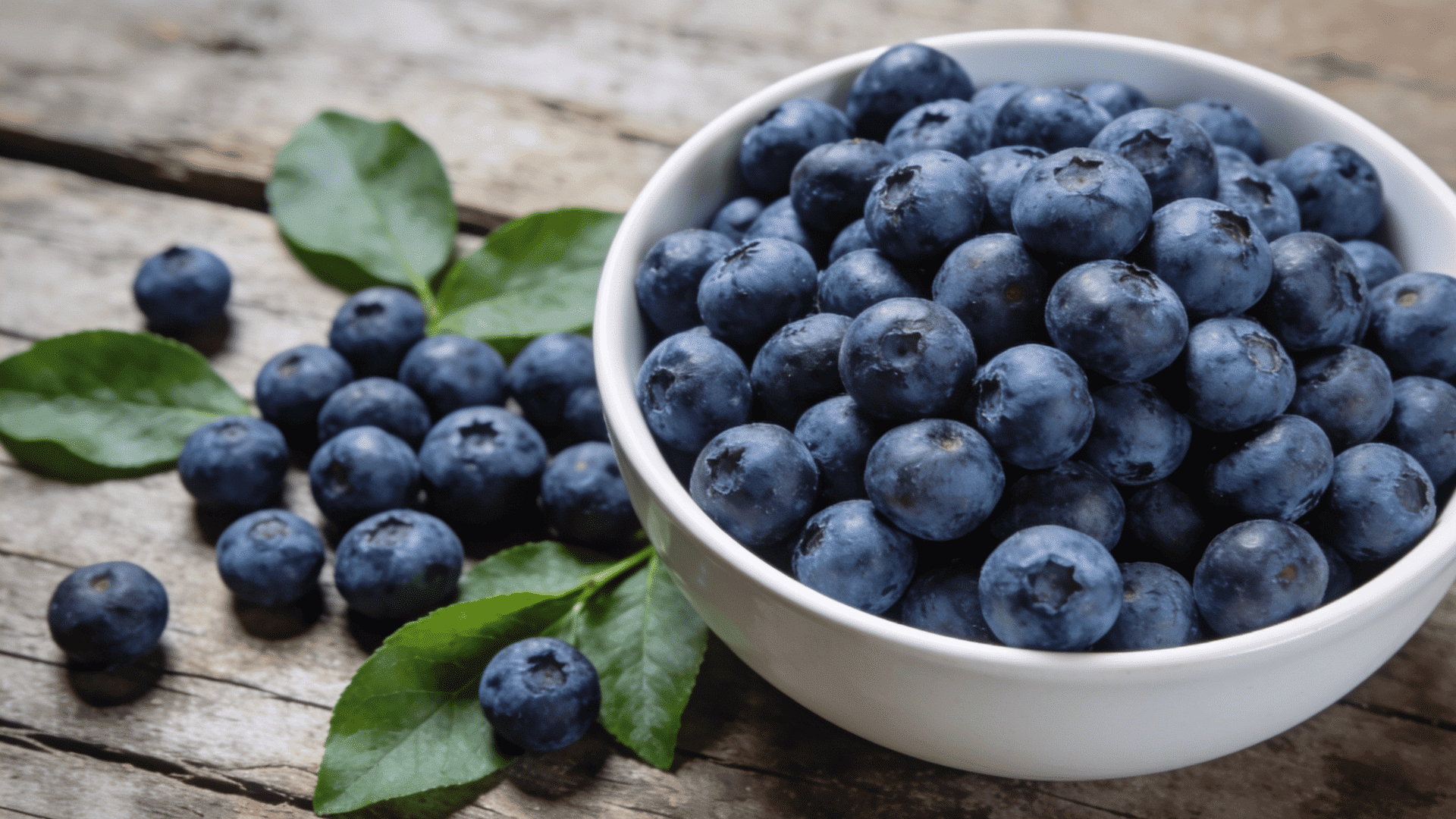
Blueberries provide fiber, vitamin C, and colorful plant compounds that support healthy aging.
- Key Nutrients: Blueberries contain vitamin C, manganese, fiber, and natural plant pigments called anthocyanins.
- Health Benefits: Their nutrients support normal cell protection, digestion, heart health, and balanced nutrition.
- Meal Ideas: Add blueberries to oatmeal, yogurt, smoothies, pancakes, or fresh fruit bowls.
- Skin Support: The vitamin C content plays a role in collagen synthesis, while anthocyanins add extra antioxidant protection for skin cells.
- Best Choice: Select fresh or frozen blueberries without syrups, sweeteners, or added sugar.
2. Strawberries
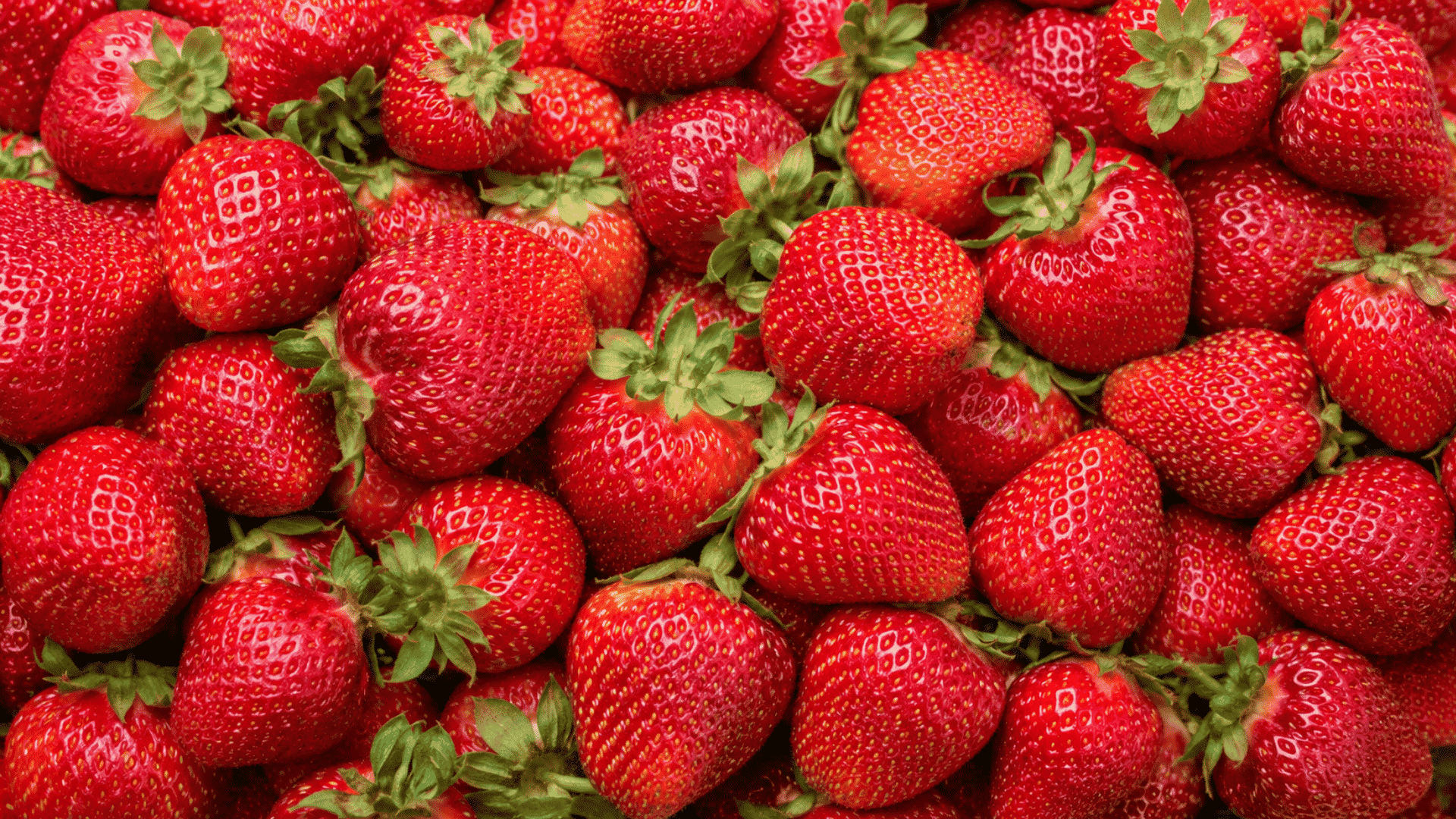
Strawberries offer vitamin C, fiber, and plant compounds in a naturally sweet, versatile fruit.
- Key Nutrients: Strawberries contain vitamin C, folate, manganese, fiber, and several antioxidant plant compounds.
- Health Benefits: Their nutrients support immune function, digestion, cell protection, and general heart health.
- Meal Ideas: Serve strawberries with yogurt, porridge, salads, smoothies, or whole-grain breakfast dishes.
- Skin Support: Their vitamin C helps the body form collagen needed for normal skin structure.
- Best Choice: Choose firm, evenly colored berries without bruises, mold, or added sweeteners.
3. Oranges
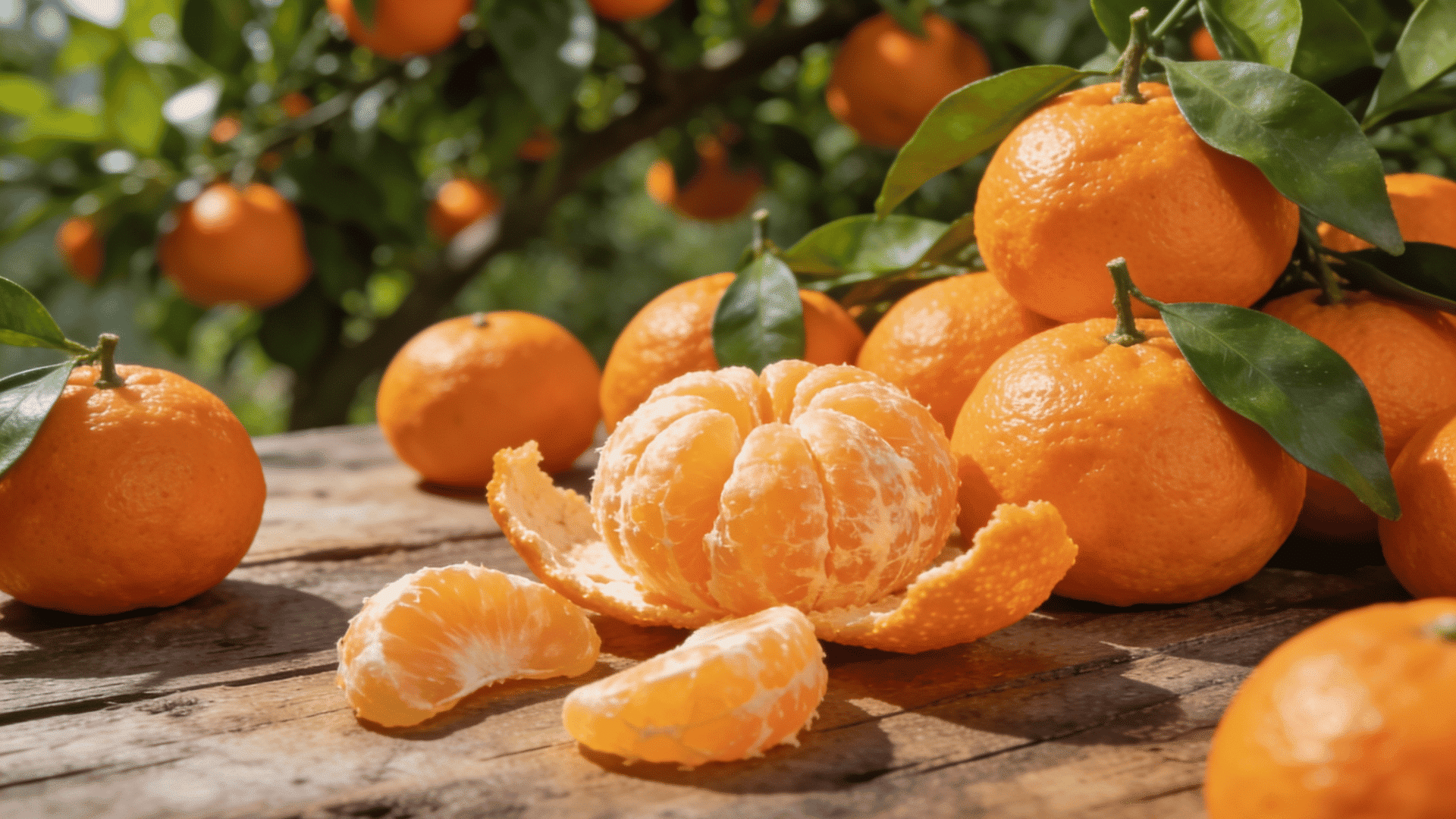
Oranges provide vitamin C, water, fiber, and protective plant compounds in each serving.
- Key Nutrients: Oranges contain vitamin C, folate, potassium, fiber, and several natural citrus compounds.
- Health Benefits: These nutrients support immunity, digestion, hydration, and normal blood vessel function.
- Meal Ideas: Eat orange segments alone or add them to salads, yogurt, and oatmeal.
- Skin Support: Vitamin C supports collagen formation and helps protect cells from oxidative damage.
- Best Choice: Choose whole oranges instead of sweetened juice to retain more dietary fiber.
4. Pomegranates
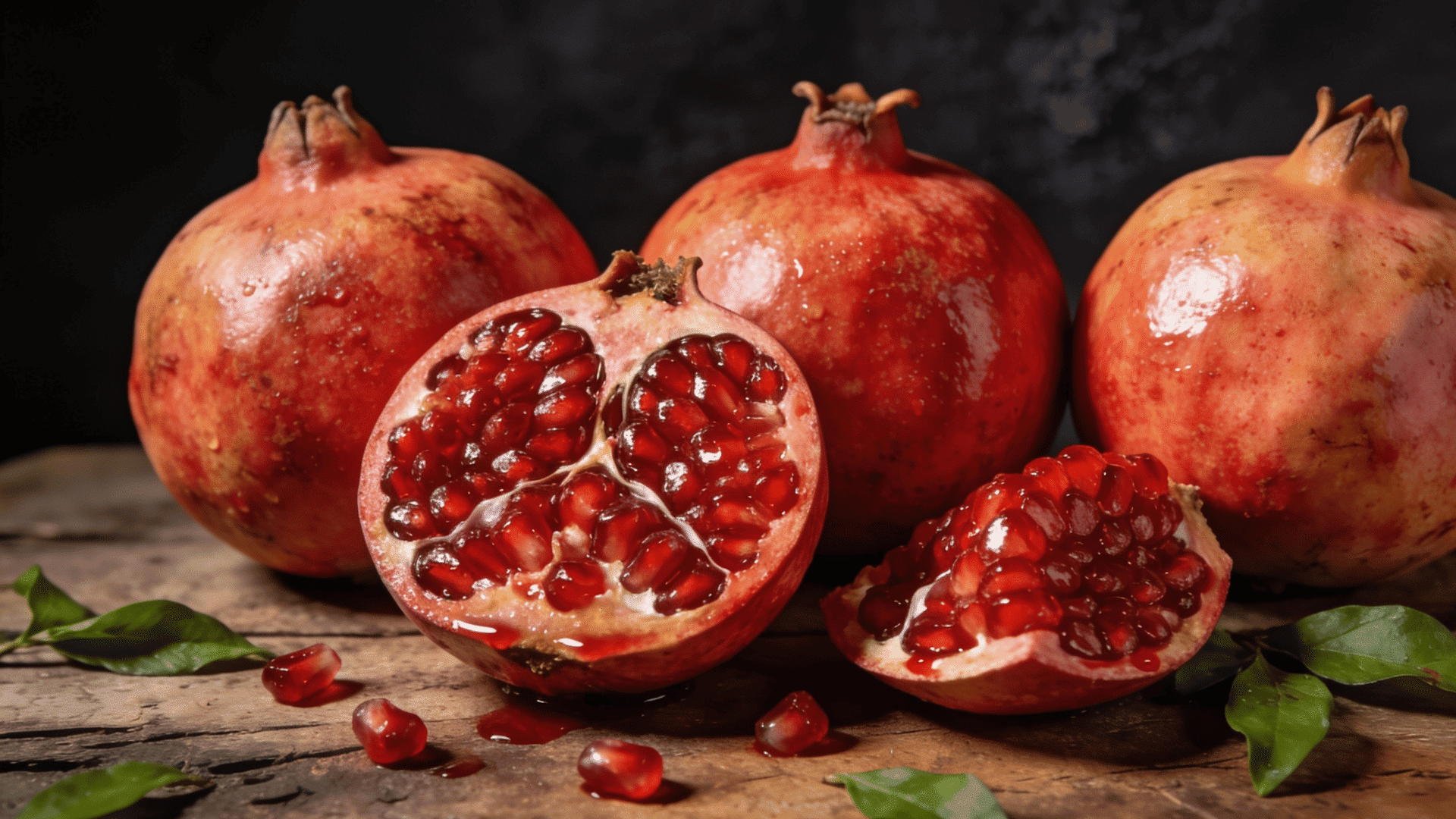
Pomegranates contain fiber and deeply colored plant compounds that add variety to balanced meals.
- Key Nutrients: Pomegranate seeds provide fiber, vitamin C, folate, potassium, and antioxidant polyphenols.
- Health Benefits: These nutrients support digestion, cell protection, circulation, and overall dietary quality.
- Meal Ideas: Sprinkle the seeds over salads, yogurt, oatmeal, grains, or roasted vegetables.
- Skin Support: Vitamin C supports collagen production, while antioxidants help protect healthy body cells.
- Best Choice: Select whole fruit or unsweetened seeds without syrups and added sugars.
5. Avocados
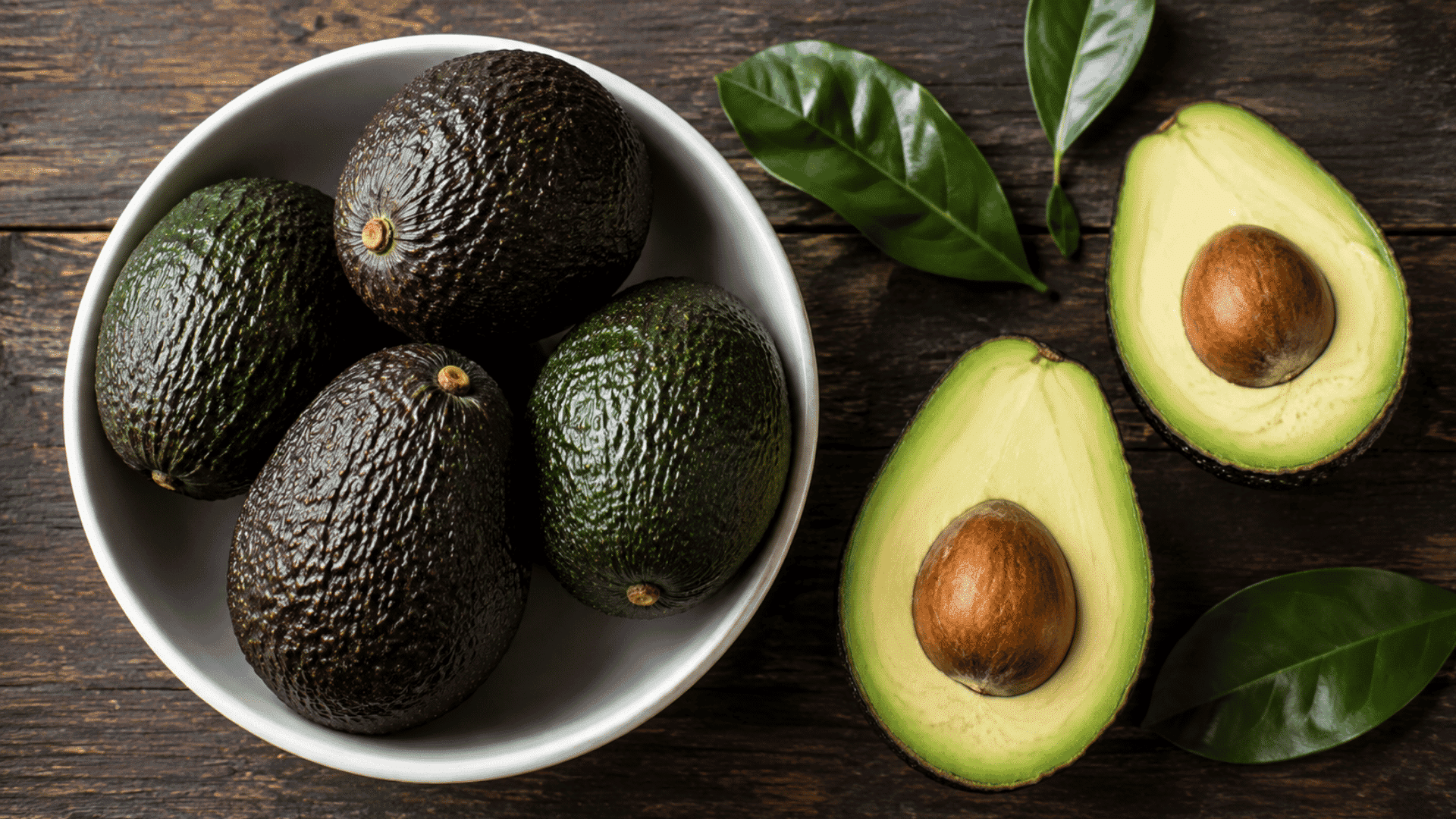
Avocados provide healthy fats and fiber that support balanced nutrition as the body ages.
- Key Nutrients: Avocados contain monounsaturated fats, fiber, potassium, folate, vitamin E, and vitamin K.
- Health Benefits: Their nutrients support heart function, digestion, fullness, and normal nerve activity.
- Meal Ideas: Add avocado to toast, salads, grain bowls, sandwiches, or bean dishes.
- Skin Support: Healthy fats and vitamin E help support normal skin structure and moisture.
- Best Choice: Choose slightly soft avocados and use sensible portions within balanced meals.
6. Papaya
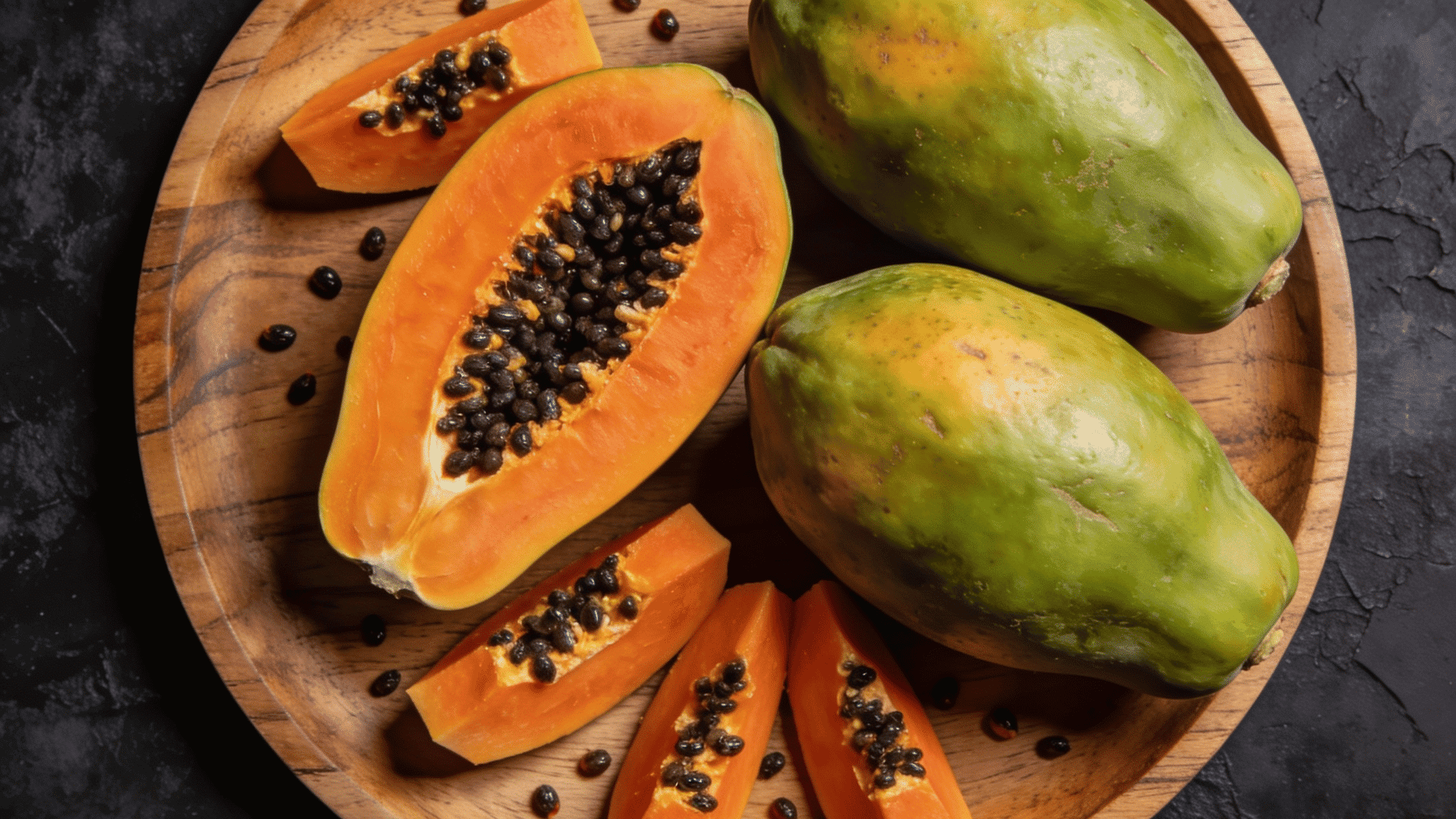
Papaya offers vitamin C, vitamin A compounds, fiber, and water in a soft fruit.
- Key Nutrients: Papaya contains vitamin C, folate, fiber, potassium, and carotenoids.
- Health Benefits: These nutrients support digestion, immunity, hydration, and normal cell protection processes.
- Meal Ideas: Add ripe papaya to yogurt, smoothies, fruit bowls, salsa, or salads.
- Skin Support: Vitamin C supports collagen production, while carotenoids support normal skin cell health.
- Best Choice: Select ripe papaya without added syrup, sugar, or heavily processed toppings.
7. Kiwi
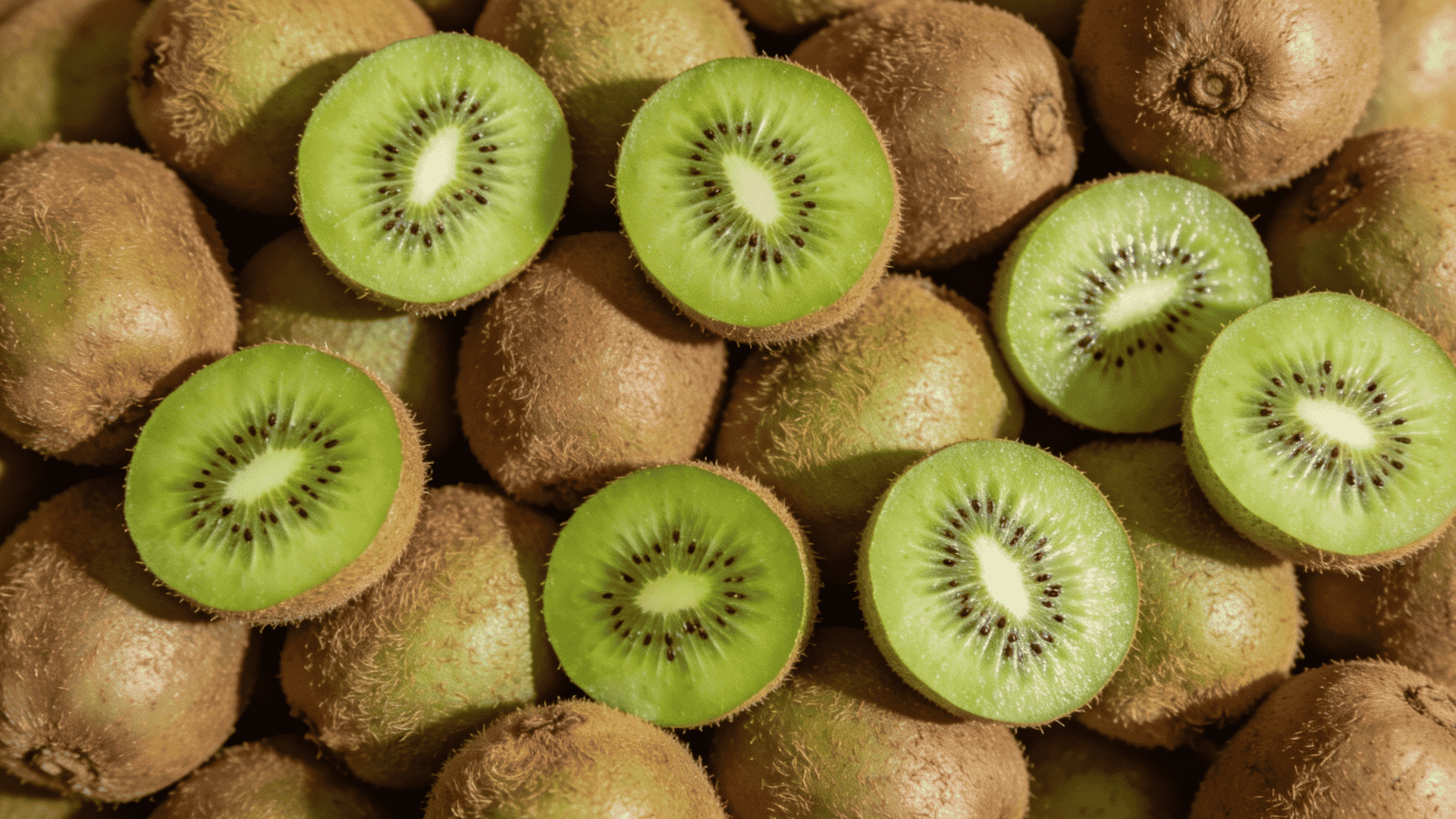
Kiwi is a compact fruit containing vitamin C, fiber, potassium, and natural antioxidants.
- Key Nutrients: Kiwi provides vitamin C, vitamin K, folate, potassium, fiber, and carotenoid compounds.
- Health Benefits: Its nutrient mix supports digestion, immunity, cell protection, and normal heart function.
- Meal Ideas: Slice kiwi into yogurt, oatmeal, fruit salads, smoothies, or chilled desserts.
- Skin Support: Its vitamin C contributes to collagen formation and normal connective tissue maintenance.
- Best Choice: Choose ripe whole kiwi and eat the washed skin for extra fiber.
8. Apples
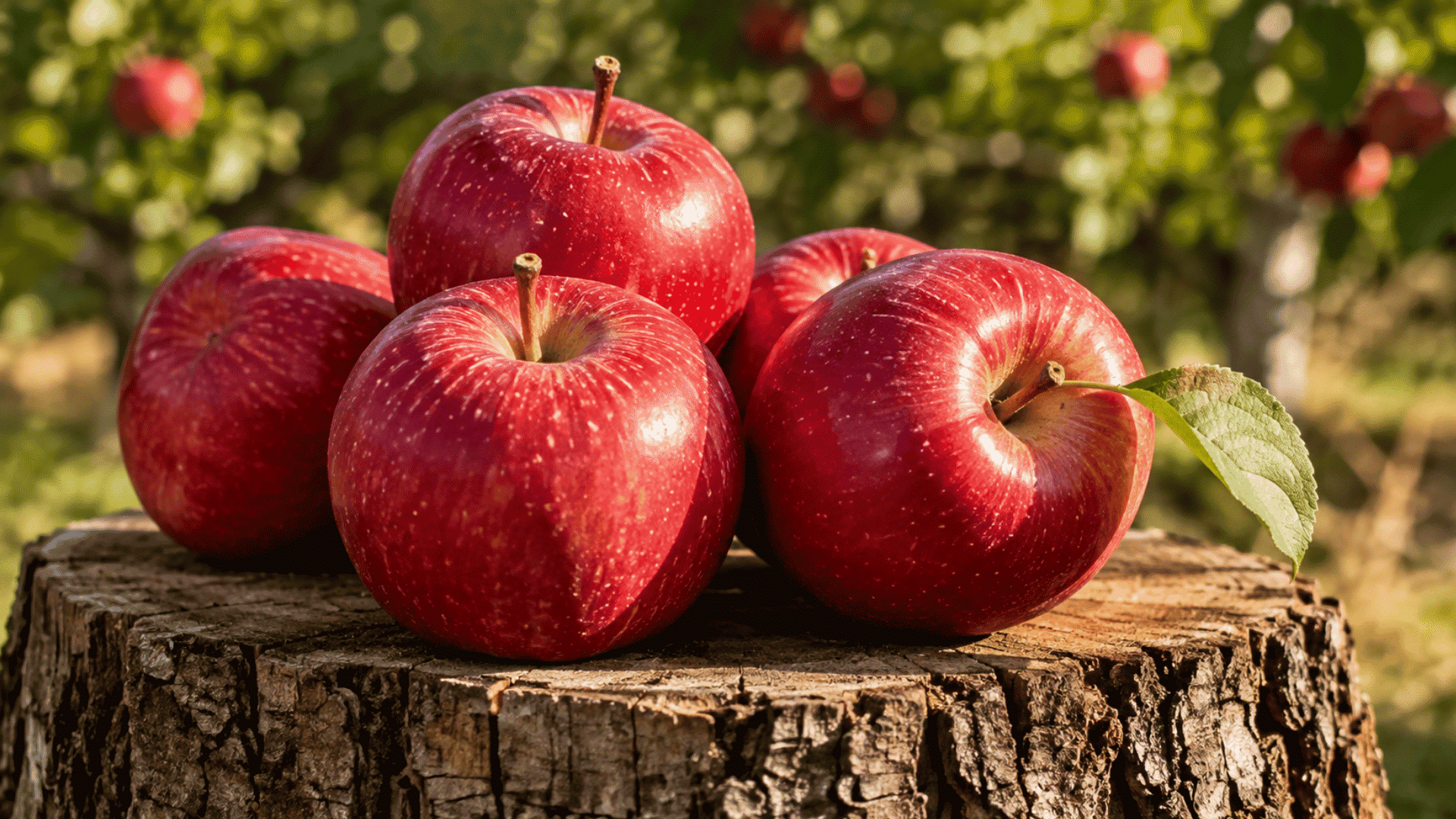
Apples supply fiber and plant compounds in an affordable fruit suited to daily meals.
- Key Nutrients: Apples provide soluble fiber, vitamin C, potassium, water, and several natural polyphenols.
- Health Benefits: Their nutrients support digestion, fullness, heart health, and balanced blood sugar responses.
- Meal Ideas: Pair sliced apples with yogurt, oats, nut butter, salads, or whole grains.
- Skin Support: Vitamin C supports collagen formation, while water contributes to normal body hydration.
- Best Choice: Eat washed apples with their peel to retain more fiber and nutrients.
9. Red Grapes

Red grapes provide water, vitamin K, and colorful plant compounds in a convenient fruit.
- Key Nutrients: Red grapes contain vitamin K, copper, water, natural sugars, and antioxidant polyphenols.
- Health Benefits: Their nutrients support hydration, cell protection, connective tissues, and balanced eating patterns.
- Meal Ideas: Add grapes to salads, yogurt, grain bowls, snacks, or frozen fruit cups.
- Skin Support: Their water content supports hydration, while antioxidants help protect healthy body cells.
- Best Choice: Select firm whole grapes and limit juice, which contains much less fiber.
10. Tomatoes
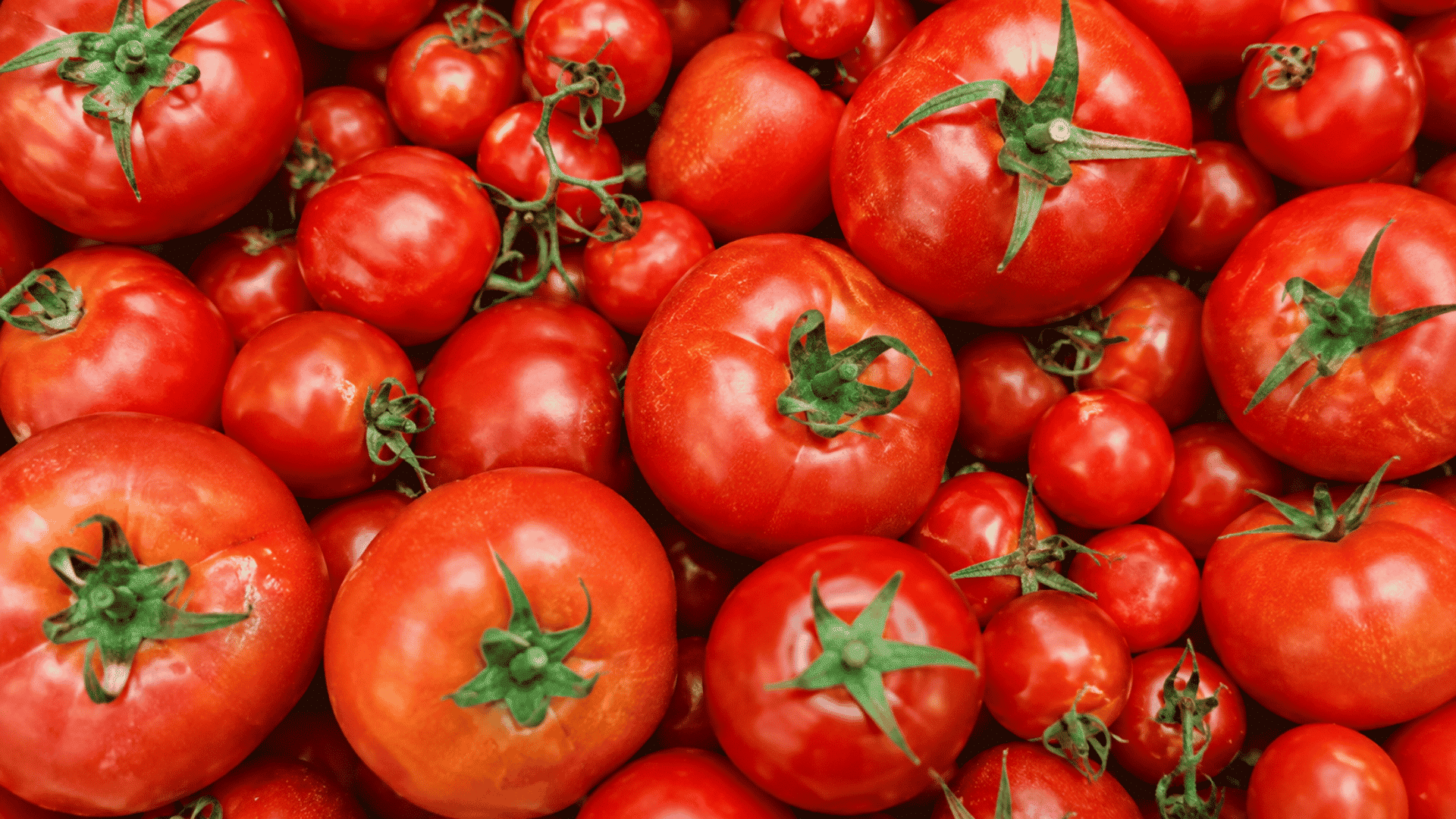
Tomatoes provide vitamin C and lycopene, the plant pigment responsible for their red color.
- Key Nutrients: Tomatoes contain vitamin C, potassium, folate, fiber, and the carotenoid antioxidant lycopene.
- Health Benefits: These nutrients support cell protection, heart function, digestion, and balanced meal quality.
- Meal Ideas: Use tomatoes in soups, sauces, salads, sandwiches, curries, or roasted dishes.
- Skin Support: Vitamin C supports collagen formation, while lycopene helps protect cells from oxidation.
- Best Choice: Combine cooked tomatoes with healthy fat to help the body absorb lycopene.
11. Spinach
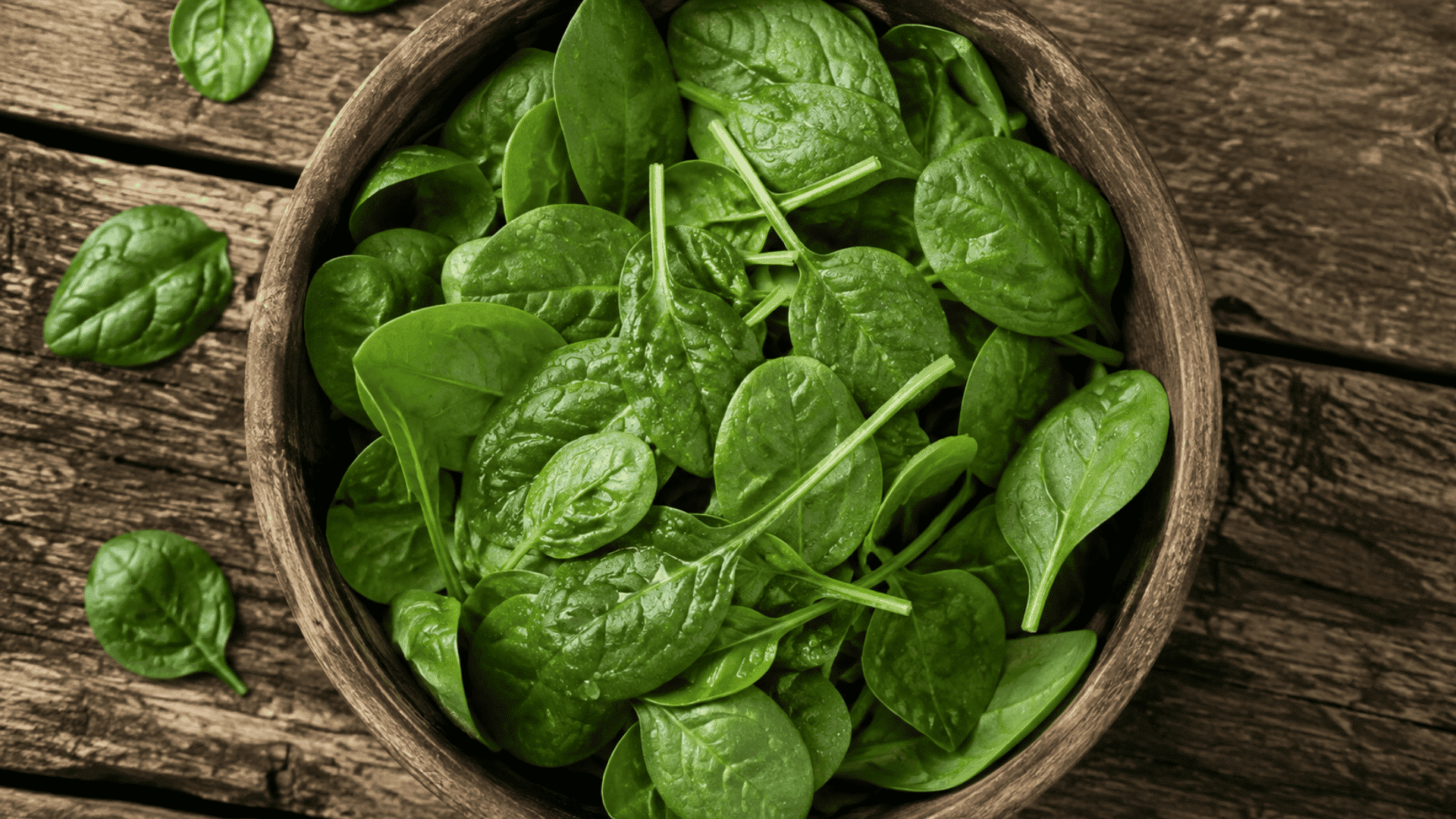
Spinach adds vitamins, minerals, fiber, and protective plant pigments to meals without much preparation.
- Key Nutrients: Spinach contains folate, vitamin K, vitamin C, iron, magnesium, and carotenoid compounds.
- Health Benefits: Its nutrients support bones, blood formation, digestion, immunity, and normal cell protection.
- Meal Ideas: Add spinach to soups, eggs, pasta, curries, salads, or blended smoothies.
- Skin Support: Vitamin C and carotenoids help support collagen production and healthy skin cells.
- Best Choice: Use fresh or frozen spinach without heavy sauces, salt, or added cream.
12. Kale
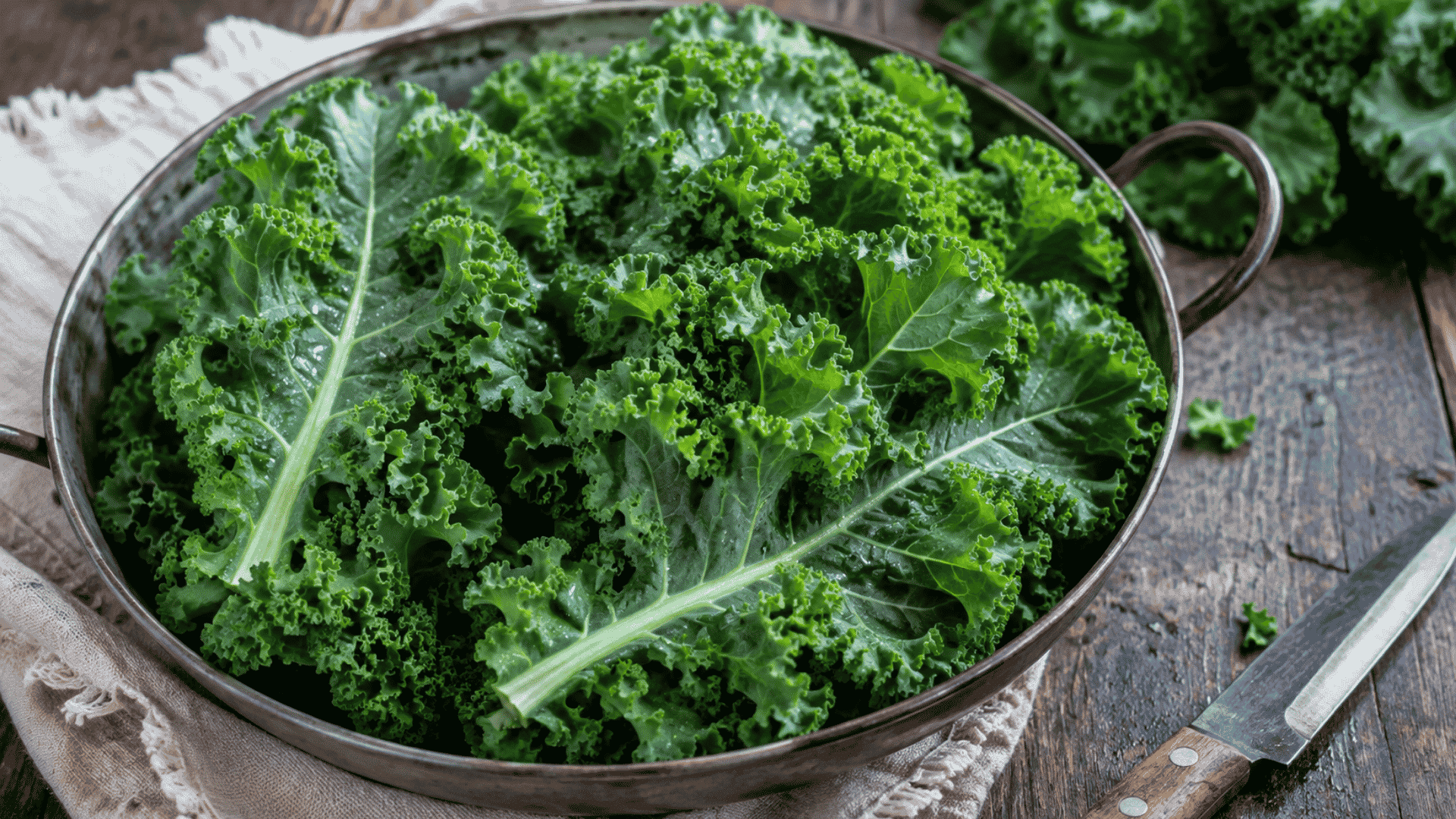
Kale provides fiber, vitamins, and carotenoids that can strengthen the variety of everyday meals.
- Key Nutrients: Kale contains vitamins C and K, fiber, calcium, folate, and carotenoid pigments.
- Health Benefits: These nutrients support bones, digestion, immunity, vision, and normal cellular defense systems.
- Meal Ideas: Mix kale into soups, salads, pasta, eggs, beans, or roasted dishes.
- Skin Support: Vitamin C supports collagen formation, while carotenoids support normal skin cell health.
- Best Choice: Massage raw kale or cook it lightly to improve texture and flavor.
13. Broccoli
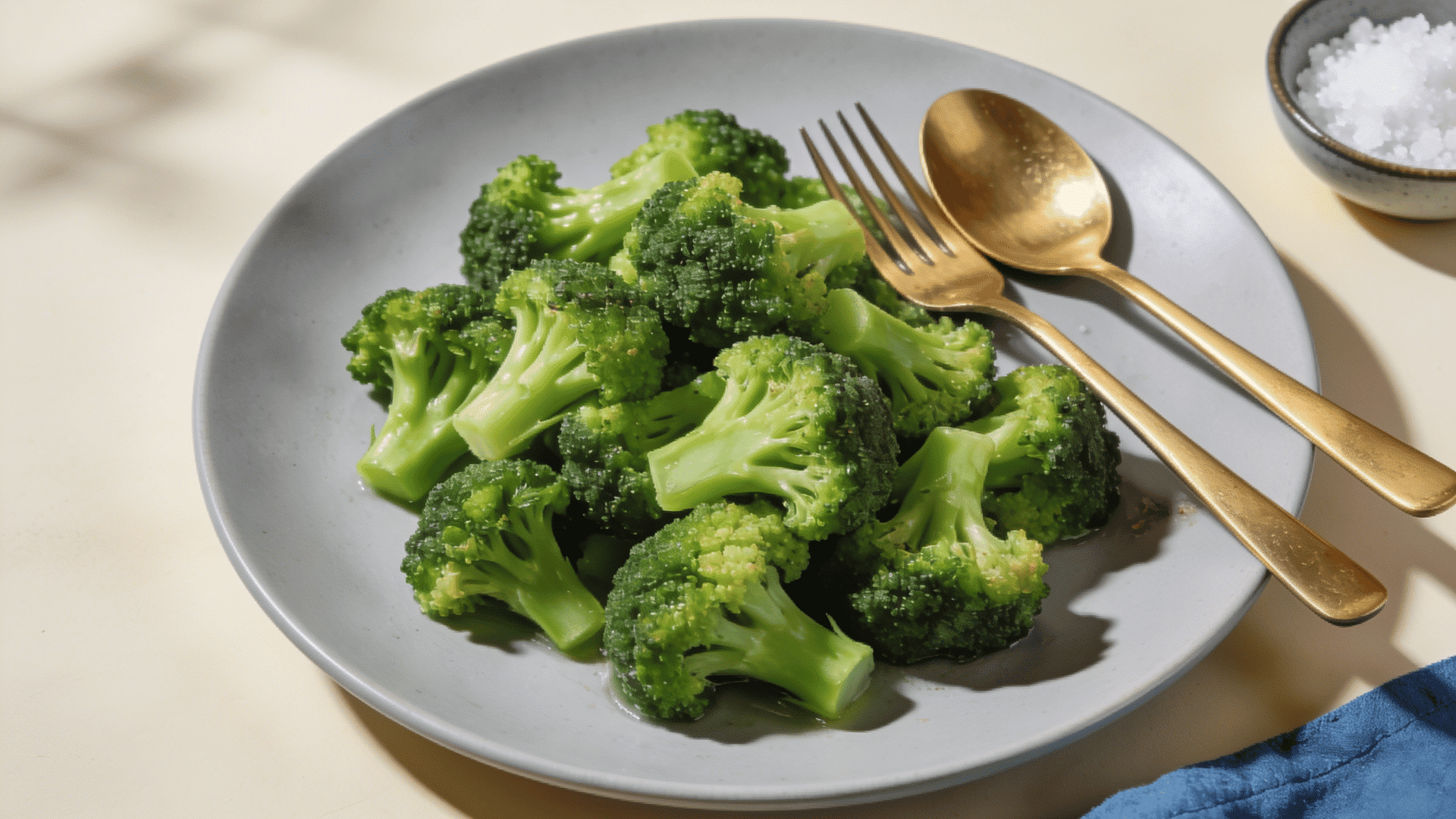
Broccoli combines fiber, vitamin C, folate, and several protective compounds in one versatile vegetable.
- Key Nutrients: Broccoli provides vitamin C, vitamin K, folate, fiber, potassium, and plant compounds.
- Health Benefits: Its nutrients support digestion, immunity, bones, cell protection, and balanced heart health.
- Meal Ideas: Steam, roast, or stir-fry broccoli for bowls, pasta, soups, and curries.
- Skin Support: Its vitamin C helps the body create collagen for normal skin structure.
- Best Choice: Cook broccoli briefly to retain texture while limiting unnecessary nutrient loss.
14. Red Bell Peppers
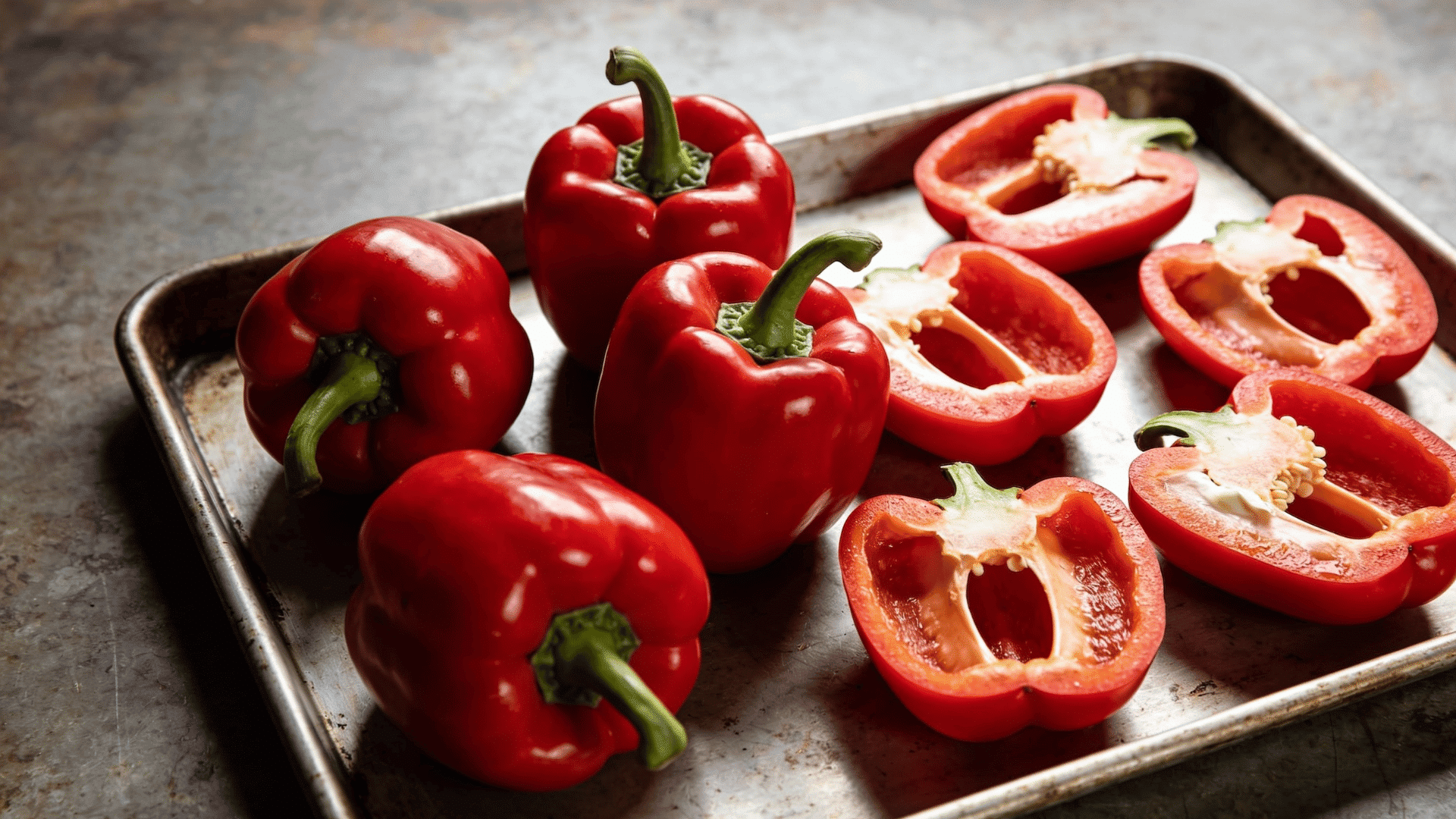
Red bell peppers offer high vitamin C content, fiber, and bright carotenoid plant pigments.
- Key Nutrients: Red peppers contain vitamin C, vitamin A compounds, folate, fiber, and potassium.
- Health Benefits: These nutrients support immunity, vision, digestion, cell protection, and normal nerve function.
- Meal Ideas: Add sliced peppers to salads, wraps, eggs, stir-fries, or roasted meals.
- Skin Support: Vitamin C supports collagen production, while carotenoids support healthy skin cell maintenance.
- Best Choice: Choose firm, glossy peppers without soft spots, wrinkles, or damaged skin.
15. Sweet Potatoes

Sweet potatoes provide fiber, complex carbohydrates, potassium, and orange carotenoid compounds for balanced meals.
- Key Nutrients: Sweet potatoes contain beta-carotene, vitamin C, potassium, manganese, and dietary fiber.
- Health Benefits: Their nutrients support vision, digestion, immunity, cell health, and steady meal satisfaction.
- Meal Ideas: Roast, mash, bake, or add sweet potatoes to soups and grain bowls.
- Skin Support: Beta-carotene supports normal skin cells, while vitamin C contributes to collagen production.
- Best Choice: Eat the washed skin when suitable to gain additional fiber and nutrients.
16. Carrots
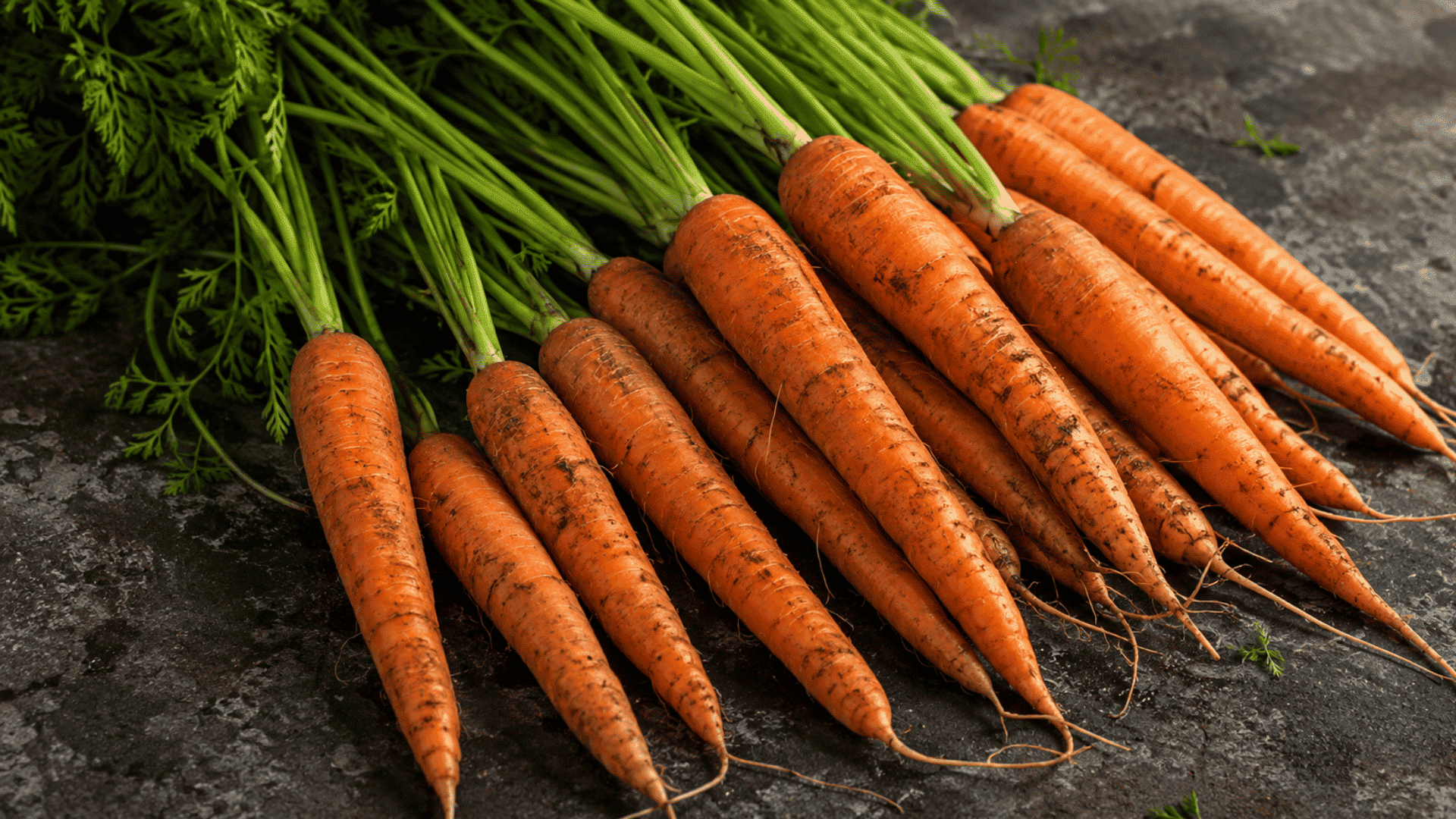
Carrots offer fiber and carotenoids in a practical vegetable that works in many dishes.
- Key Nutrients: Carrots contain beta-carotene, fiber, potassium, vitamin K, and small amounts of vitamin C.
- Health Benefits: These nutrients support vision, digestion, immunity, cell protection, and balanced overall nutrition.
- Meal Ideas: Add carrots to soups, salads, curries, stir-fries, snacks, or roasted meals.
- Skin Support: The body converts beta-carotene into vitamin A, which supports normal skin cells.
- Best Choice: Use fresh, frozen, raw, or lightly cooked carrots without sugary glazes.
17. Beetroot
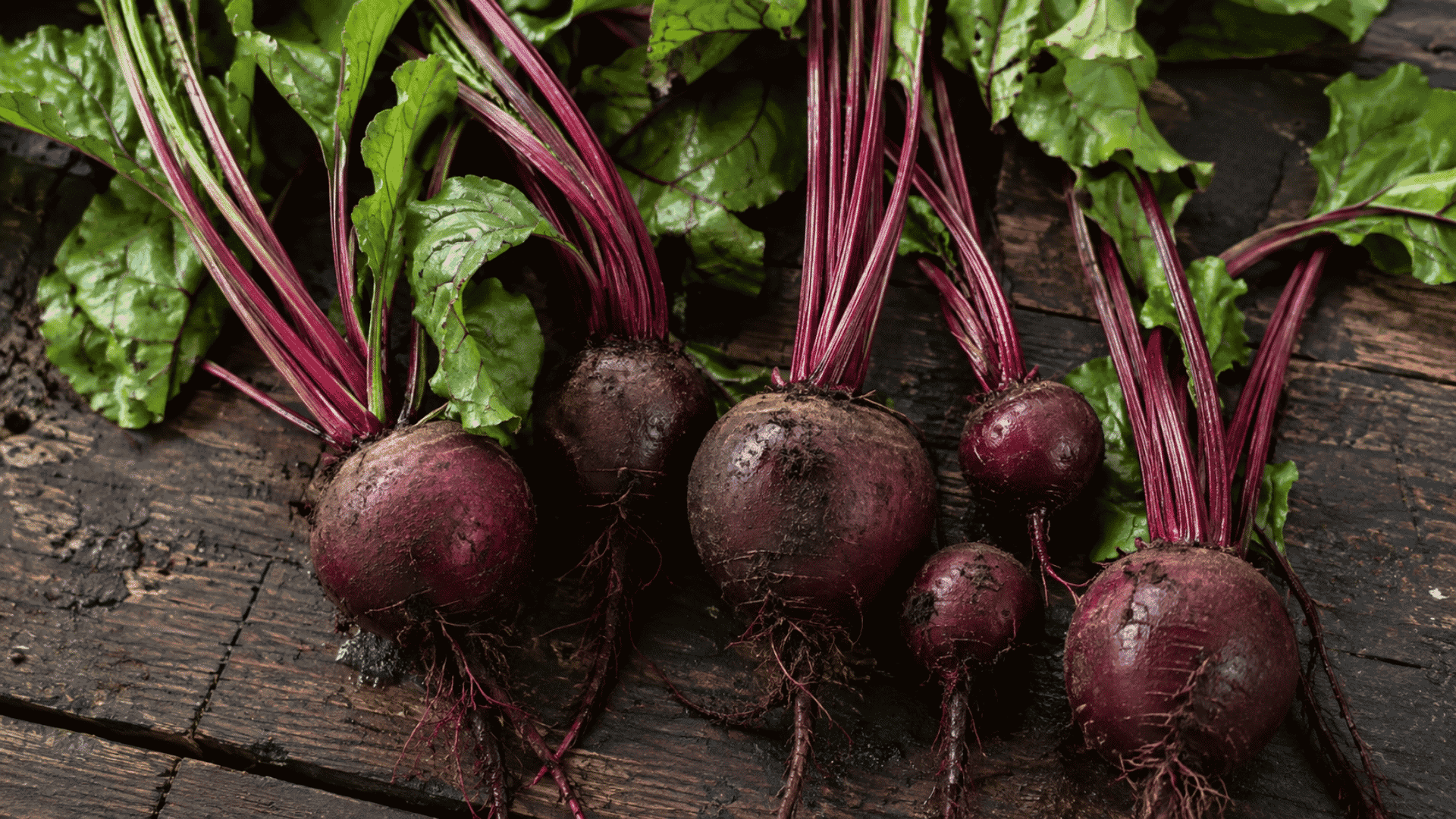
Beetroot provides fiber, folate, potassium, and natural pigments that add color to meals.
- Key Nutrients: Beetroot contains folate, manganese, potassium, fiber, vitamin C, and natural dietary nitrates.
- Health Benefits: Its nutrients support digestion, circulation, normal cell function, and balanced dietary variety.
- Meal Ideas: Roast, grate, steam, or blend beetroot into salads, soups, and dips.
- Skin Support: Vitamin C contributes to collagen production and helps protect cells from oxidative stress.
- Best Choice: Choose plain beetroot instead of heavily salted, sweetened, or pickled products.
18. Brussels Sprouts

Brussels sprouts provide fiber, vitamin C, and vitamin K in a nutrient-dense cruciferous vegetable.
- Key Nutrients: Brussels sprouts contain vitamin C, vitamin K, folate, fiber, and carotenoid plant compounds.
- Health Benefits: Their nutrients support digestion, bones, immunity, cell protection, and balanced heart health.
- Meal Ideas: Roast, steam, or sauté them for salads, grain bowls, or side dishes.
- Skin Support: Vitamin C helps the body form collagen needed for normal skin structure.
- Best Choice: Cook until tender-crisp to improve flavor without creating a soft texture.
19. Red Cabbage
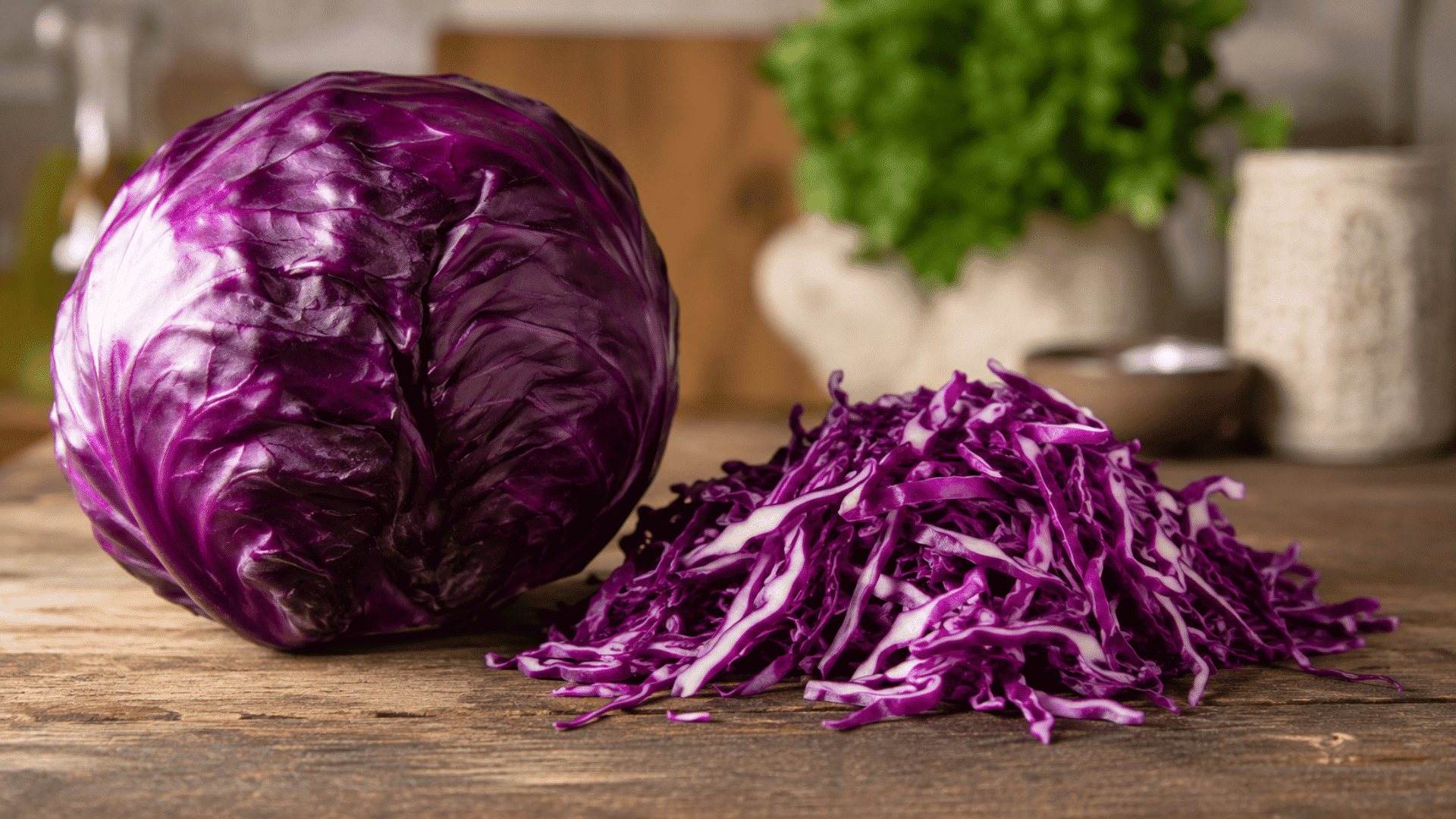
Red cabbage adds fiber, vitamin C, and purple plant pigments to raw and cooked dishes.
- Key Nutrients: Red cabbage contains vitamin C, vitamin K, fiber, potassium, and anthocyanin pigments.
- Health Benefits: These nutrients support digestion, immunity, bones, cell protection, and general dietary balance.
- Meal Ideas: Add shredded cabbage to salads, wraps, stir-fries, soups, or grain bowls.
- Skin Support: Vitamin C supports collagen formation, while anthocyanins help protect healthy body cells.
- Best Choice: Choose firm, brightly colored heads without damaged, dry, or wilted leaves.
20. Almonds
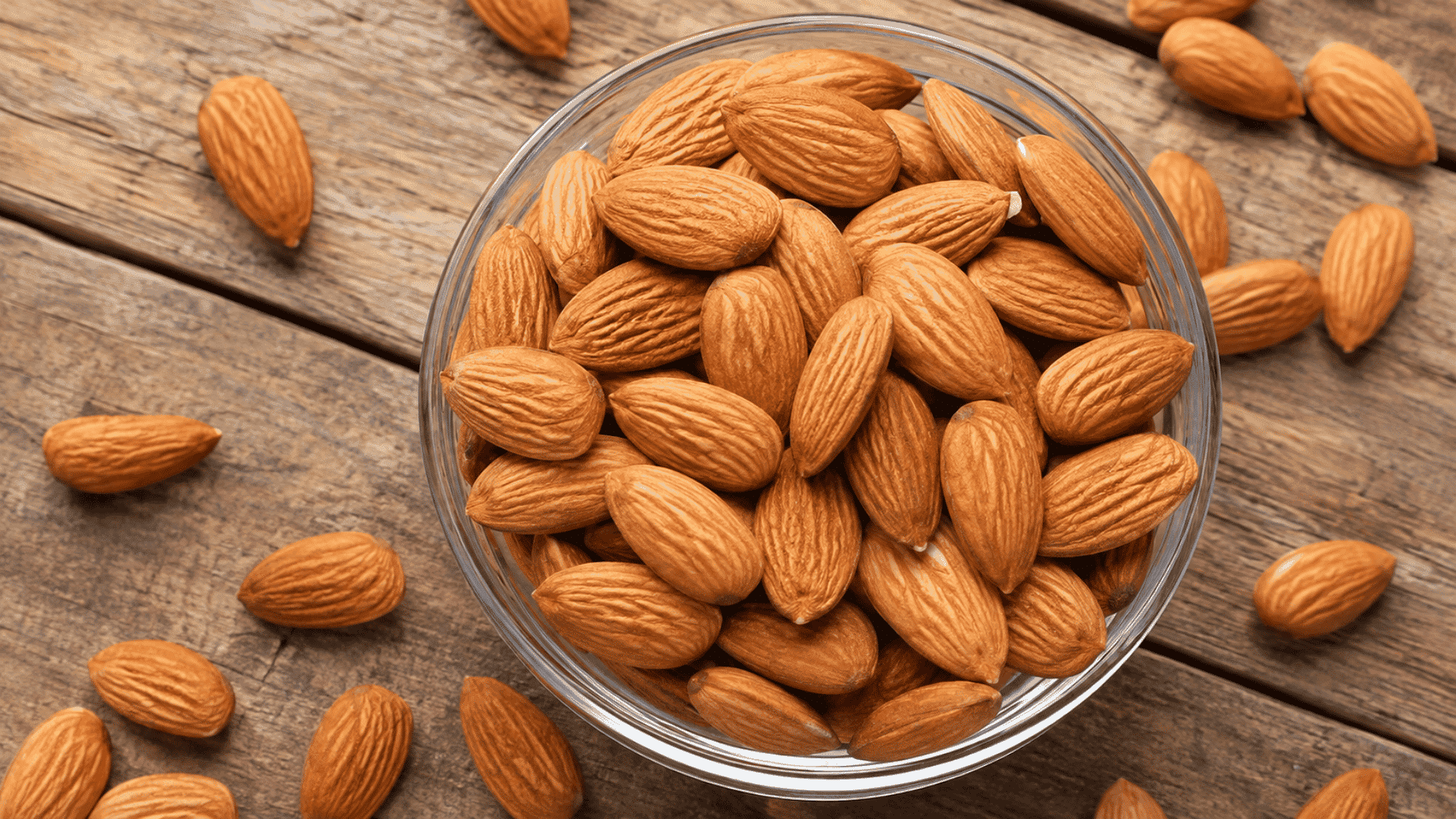
Almonds provide healthy fats, protein, fiber, and vitamin E in a convenient small serving.
- Key Nutrients: Almonds contain vitamin E, magnesium, fiber, plant protein, and monounsaturated healthy fats.
- Health Benefits: Their nutrients support heart health, digestion, fullness, muscles, and normal cell protection.
- Meal Ideas: Add almonds to oatmeal, yogurt, salads, grain dishes, or homemade snacks.
- Skin Support: Vitamin E helps protect cells and supports normal skin barrier function.
- Best Choice: Select plain, unsalted almonds and keep portions moderate because calories accumulate quickly.
21. Walnuts
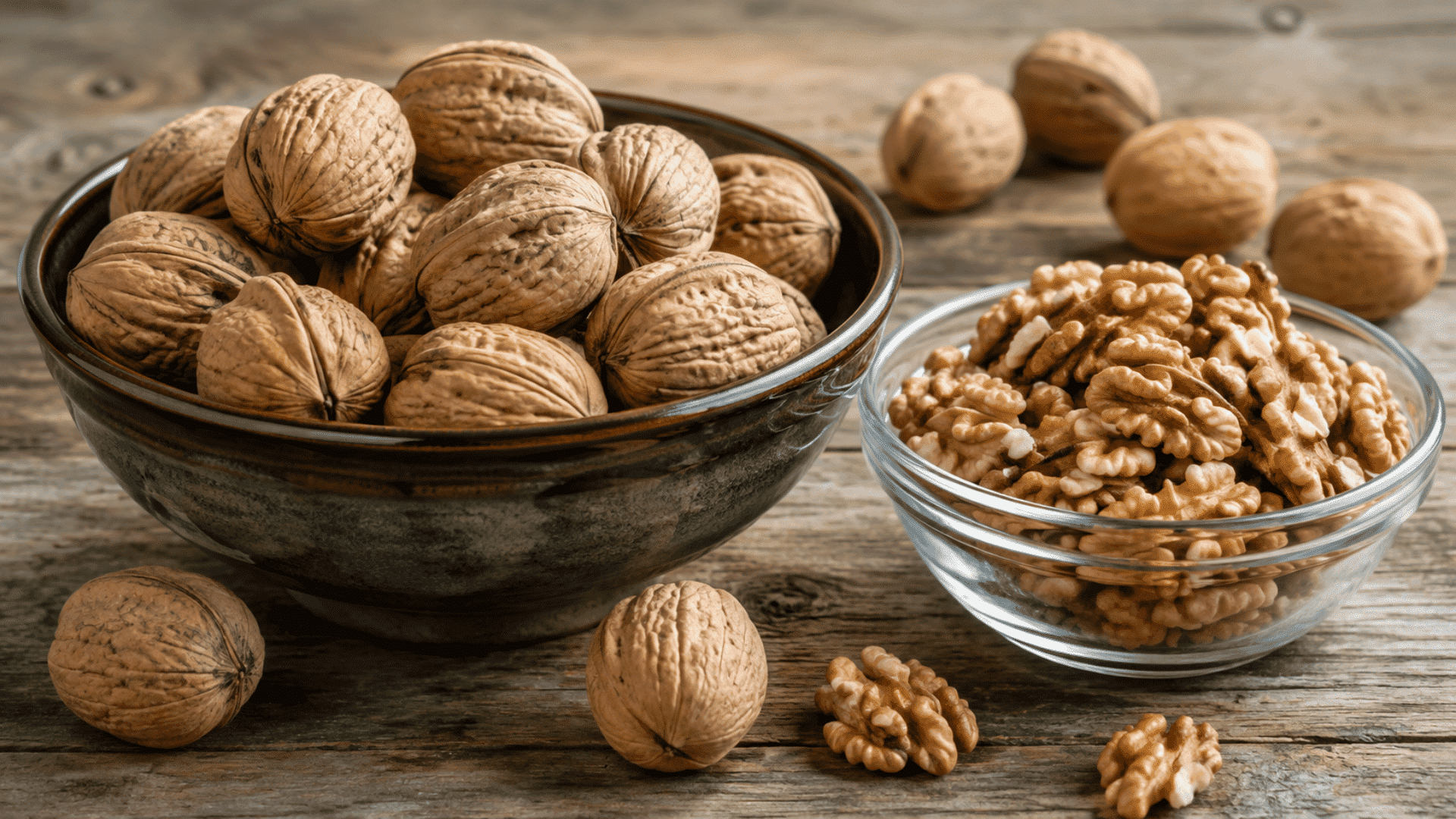
Walnuts provide plant-based omega-3 fat, fiber, protein, and minerals within a balanced diet.
- Key Nutrients: Walnuts contain alpha-linolenic acid, protein, fiber, copper, magnesium, and antioxidant polyphenols.
- Health Benefits: Their nutrients support heart function, digestion, fullness, and normal cellular protection processes.
- Meal Ideas: Sprinkle walnuts over oatmeal, yogurt, salads, vegetables, or whole-grain breakfast dishes.
- Skin Support: Healthy fats support the skin barrier and help maintain normal moisture levels.
- Best Choice: Choose raw or dry-roasted walnuts without excessive salt, sugar, or coatings.
22. Pistachios
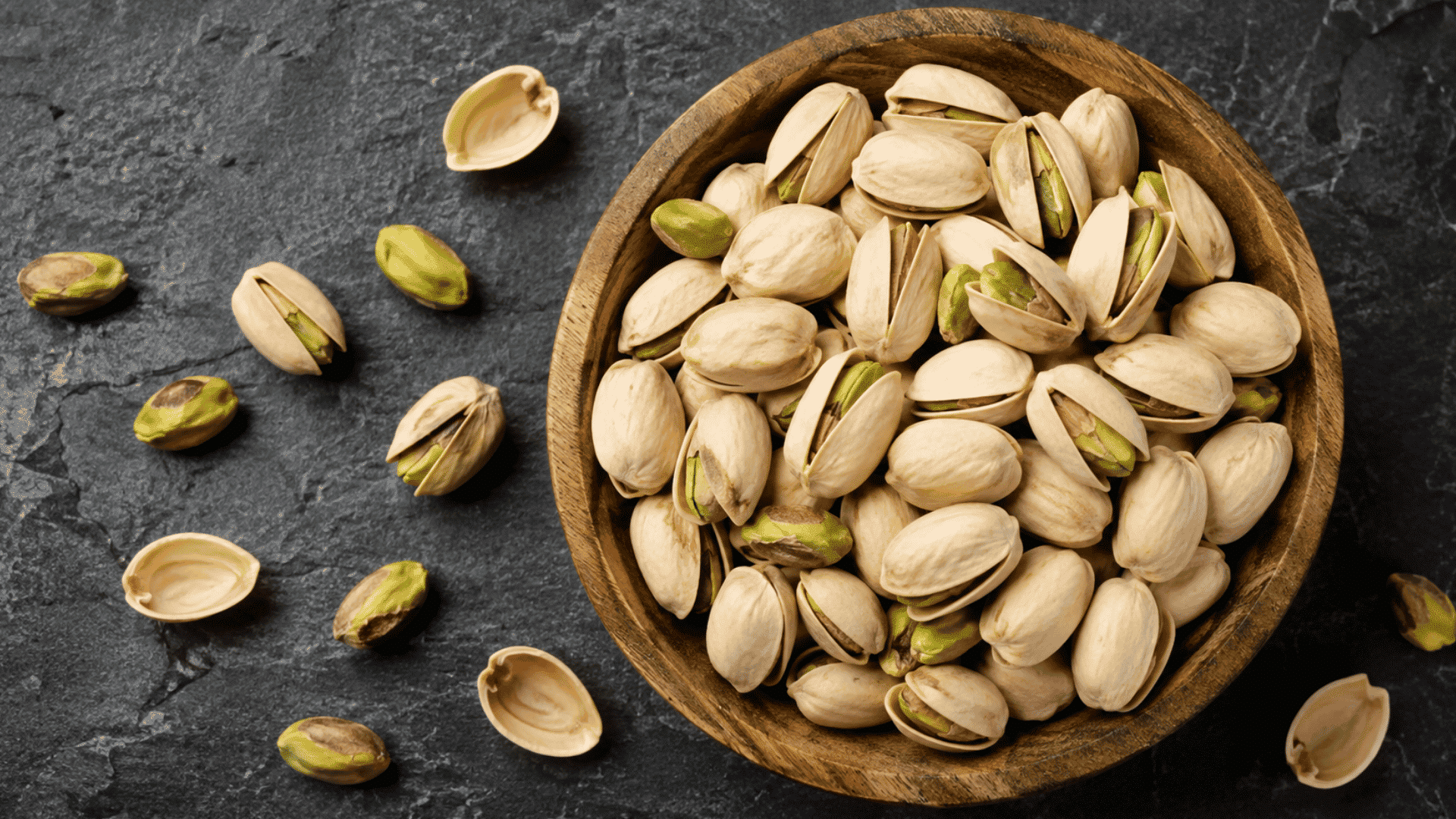
Pistachios contain protein, fiber, healthy fats, minerals, and green carotenoid compounds.
- Key Nutrients: Pistachios provide protein, fiber, potassium, vitamin B6, copper, lutein, and healthy fats.
- Health Benefits: Their nutrients support fullness, digestion, eye health, nerve function, and balanced nutrition.
- Meal Ideas: Add pistachios to yogurt, salads, rice dishes, fruit bowls, or snacks.
- Skin Support: Healthy fats and copper support normal connective tissues and skin barrier function.
- Best Choice: Select unsalted pistachios and measure portions instead of eating directly from packages.
23. Brazil Nuts
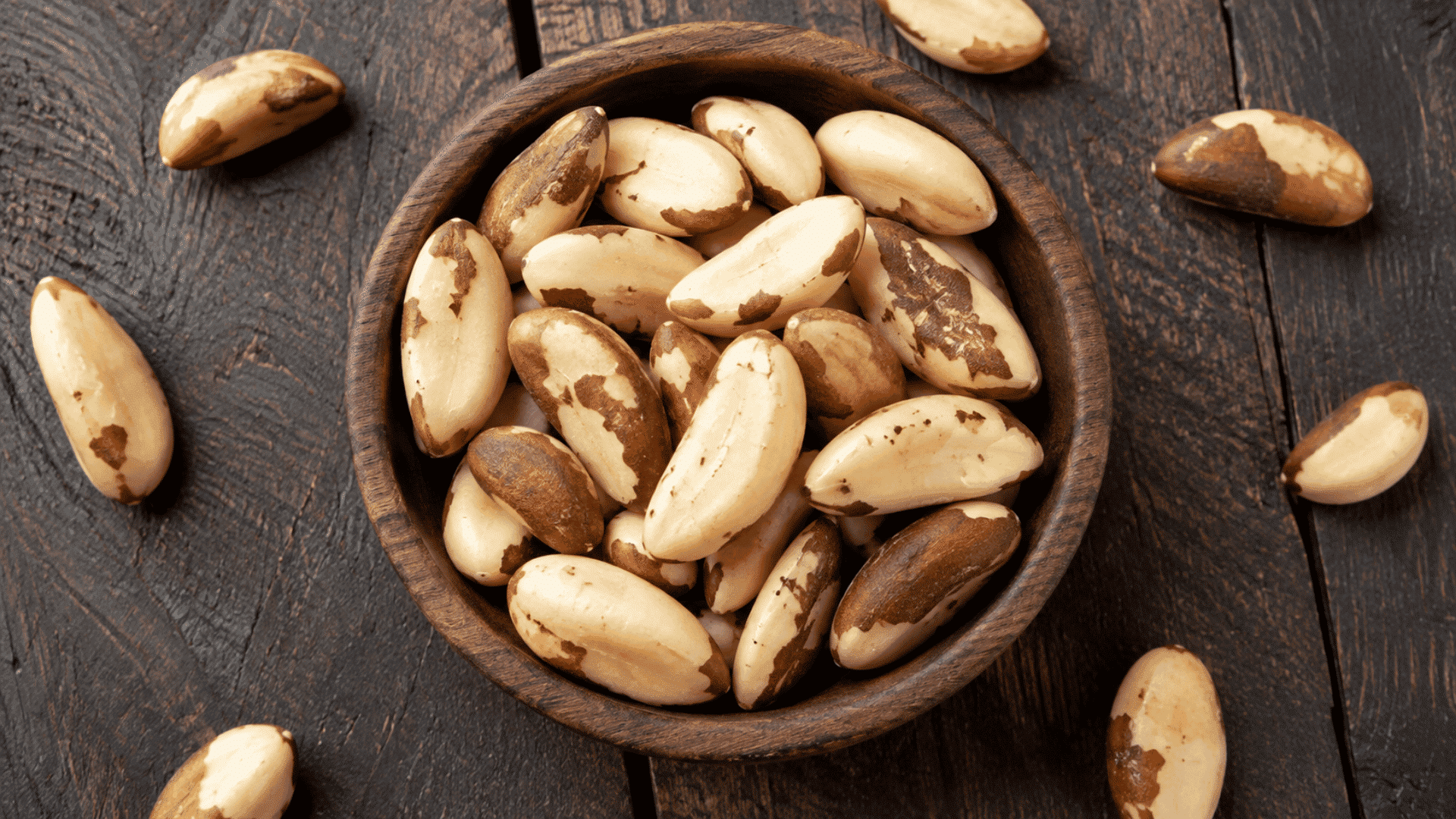
Brazil nuts are especially rich in selenium, so a small serving provides substantial nutrition.
- Key Nutrients: Brazil nuts contain selenium, magnesium, copper, protein, fiber, and unsaturated healthy fats.
- Health Benefits: Selenium supports thyroid function, antioxidant defenses, immunity, and normal cell protection processes.
- Meal Ideas: Chop one or two nuts into oatmeal, yogurt, salads, or trail mix.
- Skin Support: Selenium helps antioxidant enzymes protect healthy cells, including cells within skin tissue.
- Best Choice: Limit portions because Brazil nuts contain much more selenium than most foods.
24. Chia Seeds
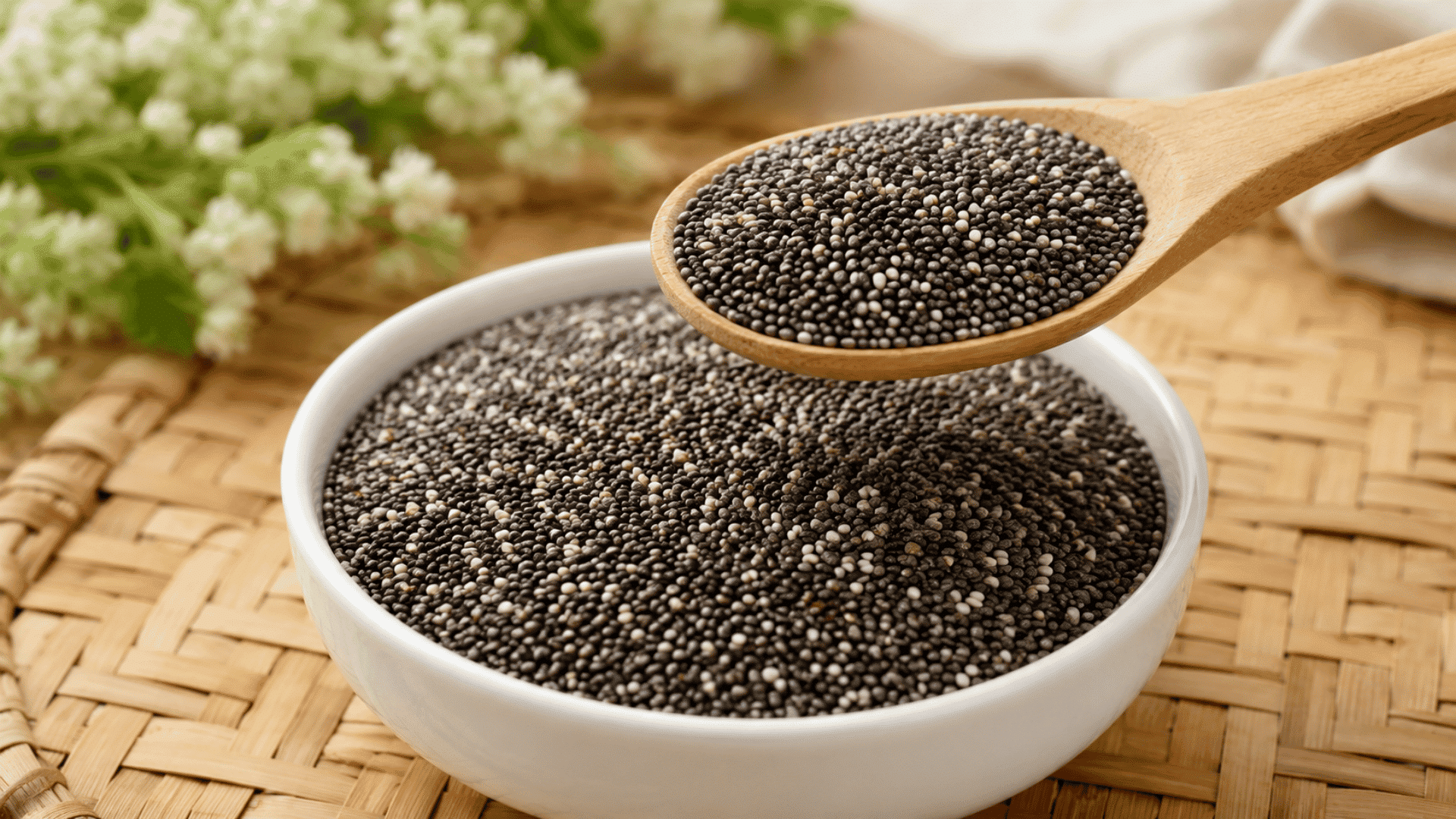
Chia seeds provide fiber, plant omega-3 fats, protein, and minerals in a small portion.
- Key Nutrients: Chia seeds contain fiber, calcium, magnesium, protein, phosphorus, and alpha-linolenic acid.
- Health Benefits: Their nutrients support digestion, fullness, bones, heart health, and balanced meal quality.
- Meal Ideas: Stir chia into yogurt, oatmeal, smoothies, puddings, or homemade baked foods.
- Skin Support: Healthy fats help support the skin barrier and maintain normal moisture levels.
- Best Choice: Soak chia seeds in liquid and increase intake gradually with adequate water.
25. Flaxseeds
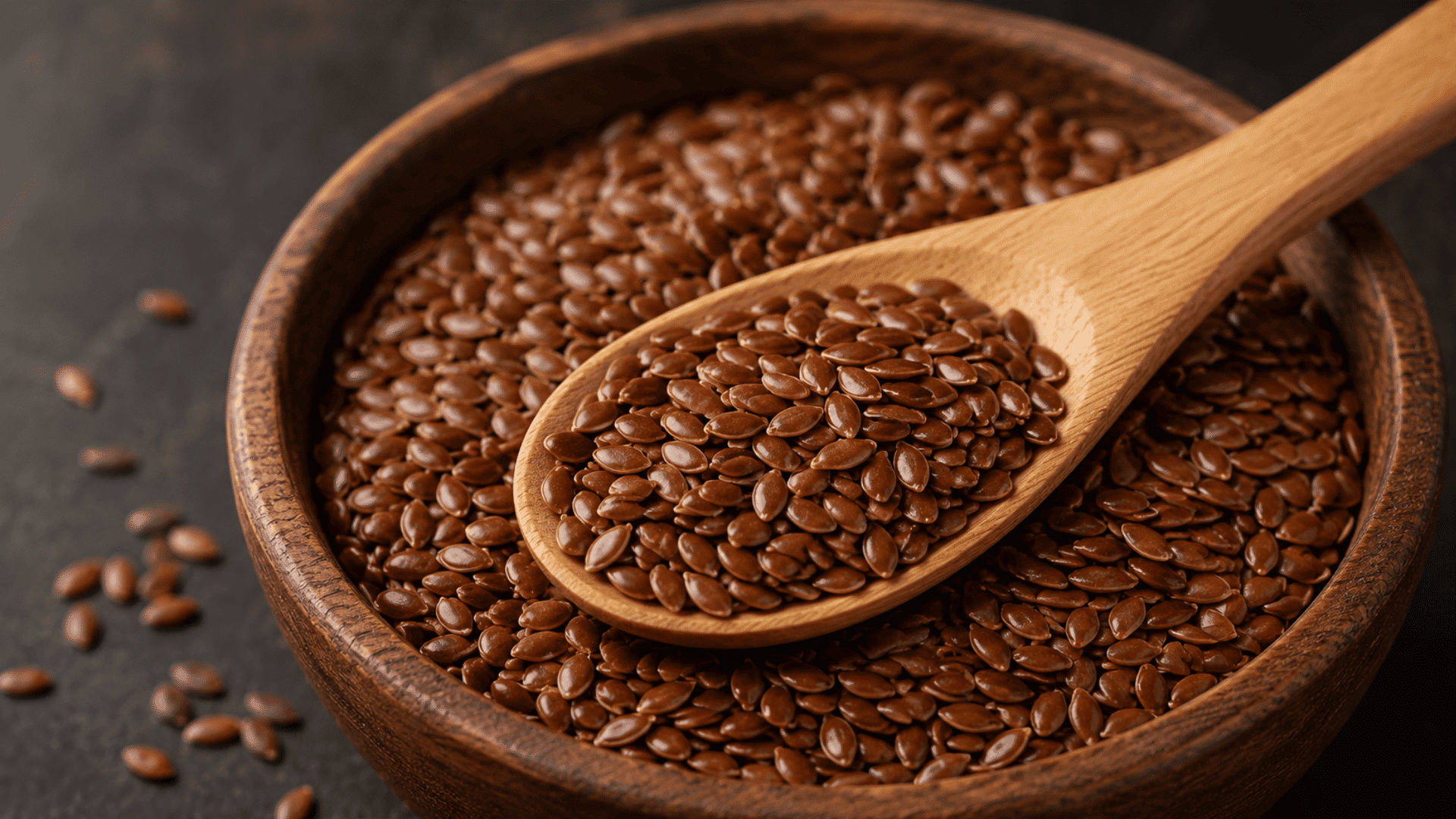
Flaxseeds provide fiber, plant omega-3 fat, and lignans that complement a varied eating pattern.
- Key Nutrients: Flaxseeds contain fiber, alpha-linolenic acid, magnesium, thiamine, protein, and plant lignans.
- Health Benefits: Their nutrients support digestion, fullness, heart health, and normal cellular protection processes.
- Meal Ideas: Mix ground flaxseed into oatmeal, yogurt, smoothies, batters, or soups.
- Skin Support: Plant-based fats support the skin barrier and help maintain normal skin moisture.
- Best Choice: Choose ground flaxseed because the body may not fully digest whole seeds.
26. Pumpkin Seeds
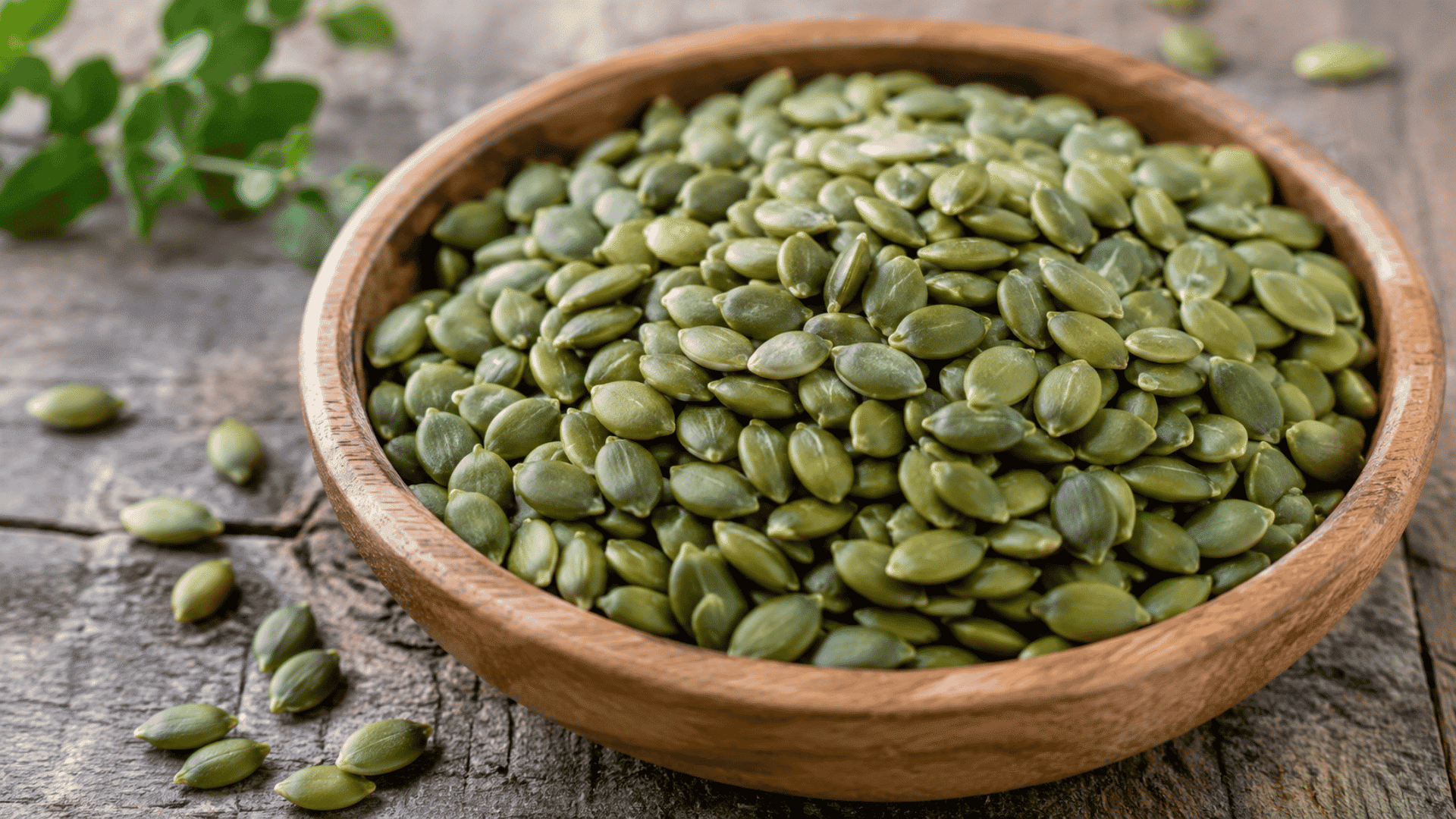
Pumpkin seeds offer protein, healthy fats, zinc, magnesium, and iron in a compact serving.
- Key Nutrients: Pumpkin seeds contain magnesium, zinc, iron, copper, protein, fiber, and unsaturated fats.
- Health Benefits: Their nutrients support muscles, immunity, energy production, bones, and normal nerve function.
- Meal Ideas: Sprinkle pumpkin seeds over salads, oatmeal, soups, yogurt, or roasted vegetables.
- Skin Support: Zinc and healthy fats support normal skin repair and skin barrier function.
- Best Choice: Select plain, unsalted seeds and store them tightly sealed to maintain freshness.
27. Sunflower Seeds
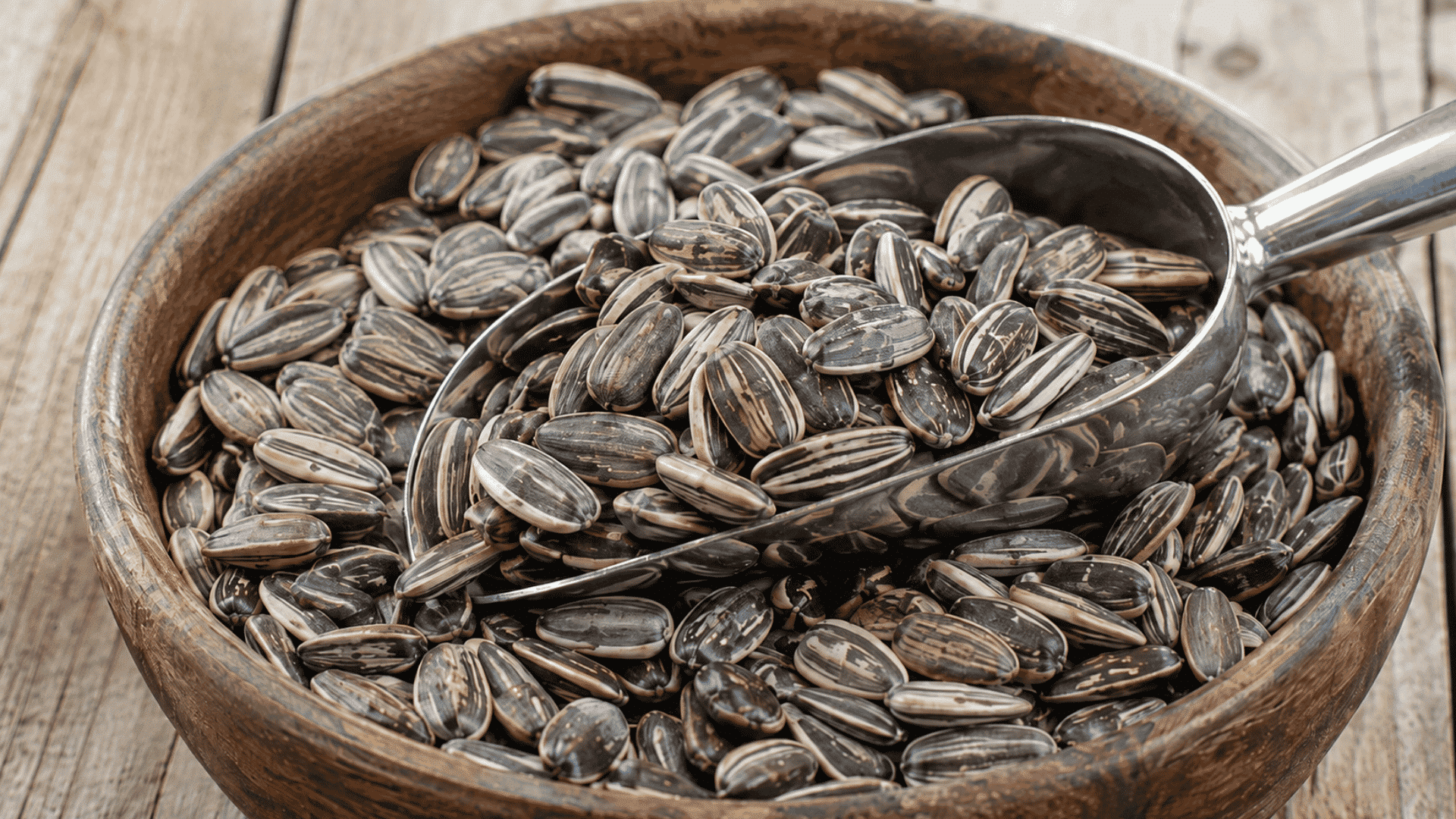
Sunflower seeds provide vitamin E, healthy fats, minerals, and protein in an easy topping.
- Key Nutrients: Sunflower seeds contain vitamin E, selenium, copper, magnesium, protein, and unsaturated fats.
- Health Benefits: Their nutrients support cell protection, heart health, muscles, nerves, and balanced daily nutrition.
- Meal Ideas: Add sunflower seeds to salads, oatmeal, yogurt, breads, or vegetable dishes.
- Skin Support: Vitamin E supports normal skin barrier function and helps protect healthy body cells.
- Best Choice: Choose unsalted kernels and use moderate servings within a varied eating pattern.
What People Say Has Worked for Their Skin
Online comments show that food-related skin results can differ between individuals.
“Carrots always improve my complexion…about 1–2 carrots a day.” Reddit
This commenter linked regular carrot intake with a brighter complexion. Carrots provide beta-carotene, which supports normal skin health.
“Low foods with added sugar…and my skin was clearer, less red, and more glowing.” Reddit
This person noticed clearer skin after reducing added sugar. Gradual dietary changes may be easier to maintain than strict restrictions.
“Less sugar, more fiber and omega-3 fats.” Reddit
This approach includes vegetables, berries, chia seeds, walnuts, and fatty fish as part of a balanced diet.
Pair Healthy Foods with Better Habits
Anti-aging foods work best when they support a healthy daily routine.
Regular exercise helps maintain muscle strength, bone health, circulation, and mobility. Consistent sleep gives the body time to repair tissues and regulate important hormones.
Drink enough water, limit smoking, and protect your skin from strong sunlight. Managing stress also supports heart health and overall well-being.
Focus on steady habits rather than short-term changes.
A balanced diet, regular movement and restful sleep can support healthier aging more effectively than any single food.
Conclusion
Healthy aging depends on consistent choices, not a single food or quick fix.
Fruits such as berries and citrus provide vitamin C and plant compounds. Leafy greens and colorful vegetables provide fiber and vitamins. Nuts and seeds supply healthy fats and minerals.
These foods may support collagen production. Their value becomes stronger with regular exercise and enough sleep. Proper hydration also helps, along with stress management and sun protection.
Start by adding one or two options to meals you already enjoy, then share your preferred anti-aging foods and meal ideas in the comments.
Frequently Asked Questions
Are Organic Foods Better for Healthy Aging?
Organic foods may reduce pesticide exposure, but conventional produce can still provide valuable nutrients for healthy aging.
Does Meal Timing Affect The Aging Process?
Meal timing may influence blood sugar and sleep, but overall food quality remains more important for long-term health.
Can Intermittent Fasting Slow Biological Aging?
Evidence remains limited, and fasting may not suit everyone, especially people with certain health or nutritional needs.