
Is 4 hours of sleep enough to keep you healthy, focused, and productive? For almost all adults, the answer is no. Sleeping this little can affect memory, mood, reaction time, and long-term health, even when you feel used to it.
A very small number of people carry rare gene variants that allow them to function well on less sleep, but most people do not.
This blog explains how much sleep adults and students need, what happens after short sleep, and how 4-, 6-, and 8-hour sleep compares.
Keep reading to learn what your body really needs each night for proper recovery.
Why the Myth That “4 Hours of Sleep Is Enough” Persists
This myth lasts because some people feel awake after very little sleep. Yet feeling alert does not always mean the brain is working at full speed.
Focus, memory, judgment, and reaction time may still drop. A few people are natural short sleepers due to rare genetic variants, including those linked to DEC2 or BHLHE41.
These cases are uncommon, so most people should not compare themselves with them. The body also does not fully adjust to ongoing sleep loss.
Sleep debt builds over time, while people may notice the effects less. Even then, mental and physical performance can continue to worsen.
What Happens to Your Body After Only 4 Hours of Sleep

Four hours of sleep can affect your brain, mood, energy, immune response, and heart health, especially when short nights happen often.
Brain Function and Memory
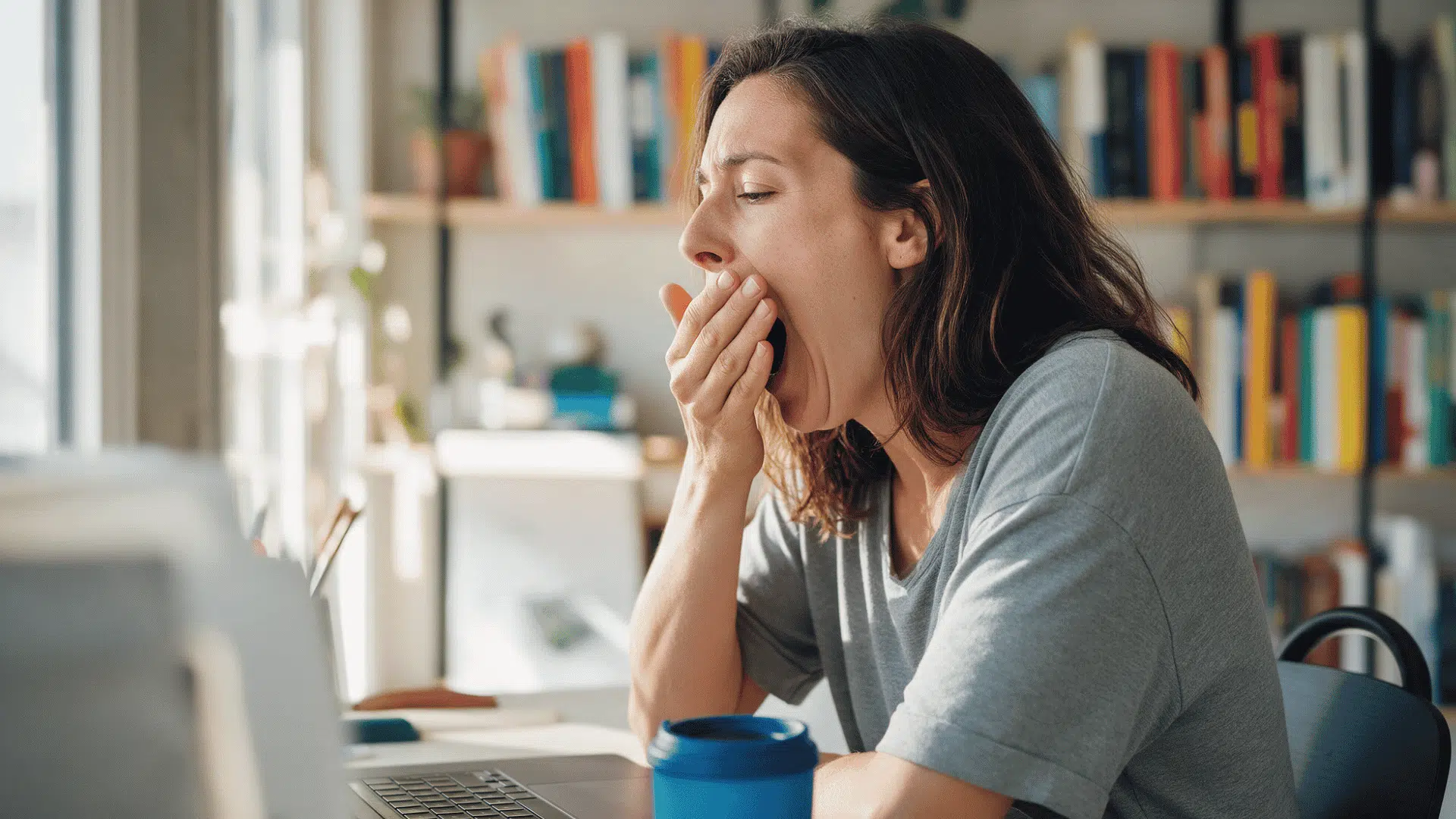
Sleep helps the brain store new information and prepare for the next day. After only four hours, you may find it harder to focus, learn, recall details, or solve simple problems.
Reaction time may also slow, which can raise the risk of mistakes and accidents. You may feel awake, yet your judgment may still be weaker than usual.
Regular sleep loss can make these effects more noticeable and affect daily work, study, and driving.
Mood and Emotional Control
A short night can make emotions harder to manage. You may feel irritable, impatient, anxious, or more sensitive to stress.
Small problems may seem harder to handle because the brain has had less time to support emotional balance.
Sleep loss may also make it harder to read social cues or respond calmly during a disagreement. One poor night can affect mood the next day, while repeated short sleep is linked with a higher risk of depression.
Physical Performance
Your body uses sleep to support muscle repair, coordination, energy, and quick reactions. With only four hours of rest, exercise may feel harder, and movements may be less accurate.
You may tire sooner, lose focus during workouts, or react more slowly in sports. Sleep loss may also reduce motivation, making it harder to stay active.
This can matter during exercise, physical work, or driving, where poor balance and slower responses may raise the chance of injury.
Immune System
Sleep supports the immune system as it responds to germs and repairs the body. A single short night may affect parts of this response, while repeated sleep loss can make it harder for the body to defend itself.
You may become more likely to feel run-down or take longer to recover from illness. Sleep also affects inflammation, which is part of the body’s defense process.
Getting enough rest gives the immune system time to work as it should.
Heart and Metabolic Health
Four hours of sleep can affect blood pressure, blood sugar control, hunger signals, and stress hormones.
One short night is unlikely to cause a long-term condition on its own, but repeated short sleep can place extra strain on the body.
Over time, sleep deficiency is linked with a higher risk of high blood pressure, obesity, type 2 diabetes, heart disease, and stroke. Adults should aim for at least seven hours of sleep on most nights.
Is It Possible to Get Less Sleep and Still Feel Rested and Productive?
Some people feel rested after less sleep, but this does not always mean their body and brain have recovered. Sleep quality matters, yet it cannot fully replace enough sleep time.
A person may feel alert because of caffeine, stress hormones, or a busy routine. Even then, focus, memory, judgment, and reaction time may be weaker.
Signs of sleep loss include daytime tiredness, mood changes, frequent mistakes, poor focus, headaches, and a strong need for caffeine.
If these signs appear often, the body may need more sleep, even when a person believes they are functioning well.
4 vs 6 vs 8 Hours of Sleep: Which is Healthiest?
Sleep needs can vary, but most adults function best with seven to nine hours each night. Here is how shorter sleep times compare.
| Sleep Duration | Alertness | Learning and Memory | Physical Recovery | Long-Term Health |
|---|---|---|---|---|
| 4 hours | Often very low | Poor focus and recall | Limited recovery | Higher risk if repeated |
| 6 hours | Reduced over time | Learning may suffer | Some recovery | Increased risk if regular |
| 7–9 hours | Better daytime alertness | Supports memory and focus | Supports full recovery | Healthiest range for most adults |
How Many Hours of Sleep is Enough?
Sleep needs change with age, health, activity, and daily routine. Most people still need steady sleep each night to feel alert and function well.
- Teenagers: Most teenagers need 8 to 10 hours of sleep to support growth, learning, memory, mood, and energy during the day.
- Adults: Most adults need 7 to 9 hours each night to support focus, immune health, heart health, and physical recovery.
- Older adults: Adults aged 65 and older usually need 7 to 8 hours of sleep, though they may wake more often during the night.
Sleep needs can vary with age, health, stress, work hours, activity level, pregnancy, and sleep quality. Still, four hours is rarely enough.
Signs You’re Not Getting Enough Sleep
Sleep loss can affect how you think, feel, and act. These common signs may show that your body is not getting enough rest.
1. Daytime Sleepiness: You may struggle to stay awake during meetings, classes, reading, or quiet moments, even after drinking coffee or taking short breaks.
2. Mood Changes: Lack of sleep can make you feel irritable, anxious, impatient, or more emotional than usual, especially during stressful situations.
3. Memory Problems: You may forget names, tasks, dates, or recent conversations because sleep helps the brain store and organize new information.
4. Frequent Mistakes: Poor sleep can slow reaction time and reduce focus, which may lead to errors at work, school, home, or while driving.
5. Craving Sugar: Sleep loss can affect hunger hormones and may increase cravings for sugary snacks, fast food, and other high-calorie foods.
6. Microsleeps: These are brief, involuntary moments of sleep that may last a few seconds and can occur during driving, reading, or work.
7. Low Motivation: You may feel less interested in exercise, chores, work, or social plans because your body and brain are running on low
Can You Function on 4 Hours of Sleep in an Emergency?
You may get through one day on four hours of sleep during an exam, a night shift, a trip, a medical emergency, or while caring for a baby.
Still, focus, memory, mood, and reaction time may be weaker. Avoid driving if you feel very sleepy. Use caffeine early and in small amounts.
A short nap may improve alertness for a few hours. Eat regular meals, drink water, and avoid hard workouts. Return to your normal sleep schedule the next night and allow extra time for rest.
How to Recover After a Night of Only 4 Hours of Sleep
One short night does not always cause lasting harm, but it helps to recover the right way. Try to get enough sleep the following night instead of staying up even later.
A short nap of 20 to 30 minutes may improve alertness without making it harder to sleep at night. If you drink caffeine, have it early in the day and avoid relying on it to replace sleep.
If you feel very sleepy, avoid driving or using heavy machinery. Return to your usual bedtime as soon as possible to help your body regain its normal sleep pattern.
How Does the Sleep Cycle Work?
The sleep cycle moves through several stages during the night. It starts with light sleep, when the body begins to relax, and the heart rate slows.
Next comes deeper sleep, which supports physical repair, immune health, and energy recovery. REM sleep follows and plays a key role in memory, learning, and emotional control.
One full cycle usually lasts about 90 minutes, though the timing can vary. Most adults complete several cycles each night. Deep sleep is more common earlier, while REM sleep lasts longer near morning.
Cutting sleep short may reduce these later stages and leave you feeling less refreshed.
Final Thoughts
Four hours of sleep is not enough for nearly everyone. It may help you get through one difficult night, but it should not become a regular habit.
Most adults need seven to nine hours to support focus, mood, memory, heart health, and physical recovery. A steady bedtime, less screen use at night, and a calm sleep space can help you rest better.
Pay attention to signs of sleep loss and speak with a doctor if tiredness continues. How many hours of sleep help you feel your best? Share your experience in the comments below.
Frequently Asked Questions
Why Do You Feel Okay with 4 Hours of Sleep?
You may feel fine because stress hormones, caffeine, or habit can mask tiredness. Your thinking, memory, and reaction time may still be affected without you noticing.
Who sleeps for 90% of The Day?
No healthy person normally sleeps 90% of the day. Sleeping that much may indicate a medical condition and should be evaluated by a healthcare professional.
Do Higher IQ People Sleep Later?
Some studies have found a link between higher IQ and later bedtimes, but the evidence is mixed. Sleeping later does not mean someone is more intelligent.