Have you noticed a musty smell in your home but cannot find the source?
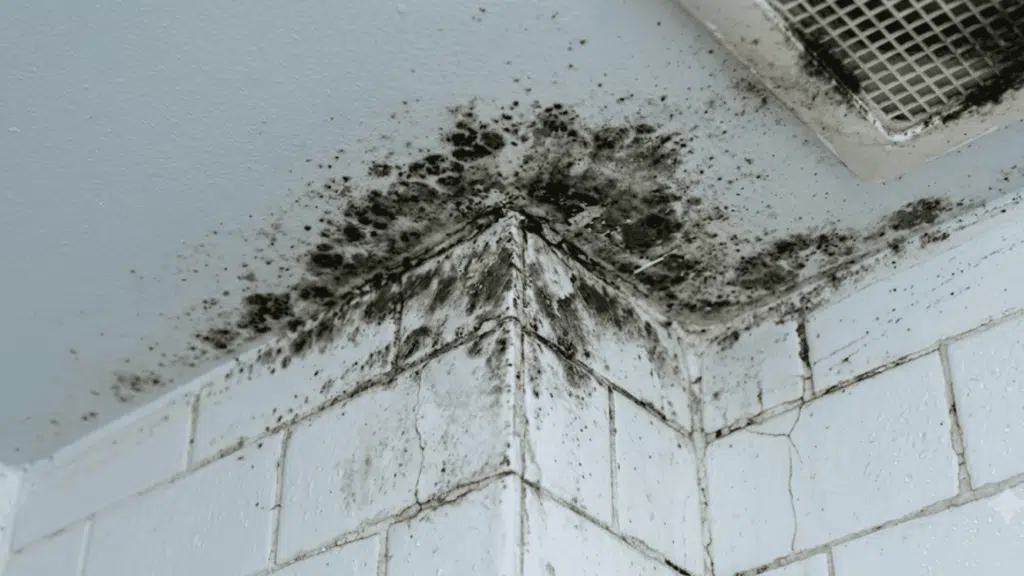
That odor may be a sign of hidden mold, even when walls, floors, and ceilings look clean. Mold can grow behind drywall, under carpets, near leaks, or in damp rooms where it stays out of sight.
People often describe the smell as earthy, stale, wet, or like old clothes left in a space. Knowing what mold smells like can help you spot a problem sooner.
Read on to learn where the smell may come from, how to check for mold, and what steps to take next.
Can You Smell Mold but Not See It?
You may smell mold even when no spots are visible. Mold often grows in hidden areas where moisture stays trapped.
It may form behind walls, inside ceiling cavities, under flooring, or within insulation. Crawl spaces can also hold damp air and support mold growth.
HVAC systems may spread a musty odor from ducts, coils, or drain pans into several rooms. Small plumbing leaks or roof leaks can feed hidden growth for weeks.
A mold smell without clear evidence should not be ignored. Check nearby damp areas, look for water stains, and consider a professional inspection if the odor continues.
What Does Mold Smell Like in a House?
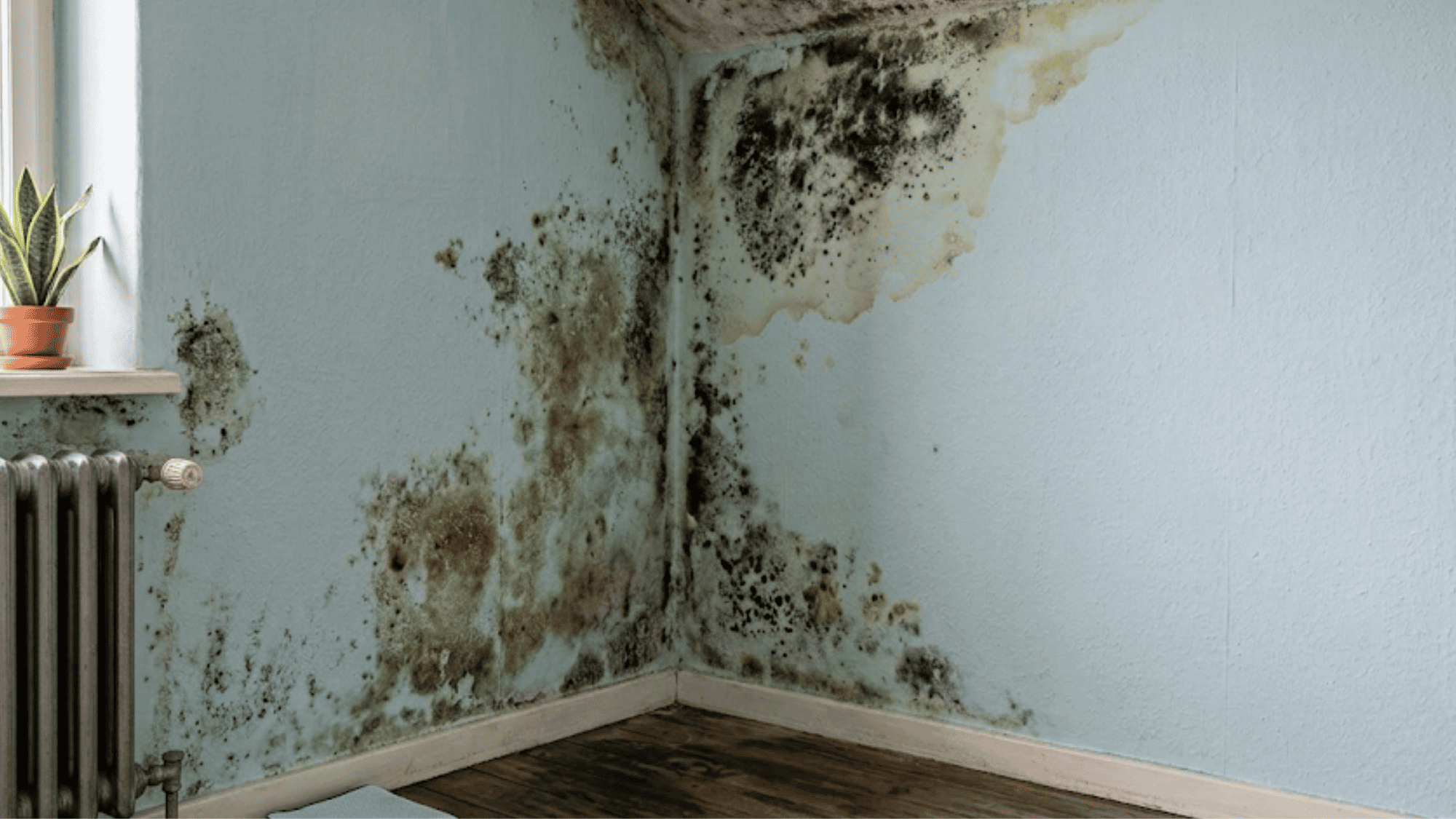
Mold in a house often smells musty, earthy, damp, or stale. Some people compare the odor to wet cardboard, old socks, decaying wood, or a closed basement.
In bathrooms and other humid spaces, it may smell more like mildew. The strength of the odor can vary with the amount of moisture, the affected material, and the size of the mold growth.
A faint smell may come and go, while a larger hidden problem may cause a strong, lasting odor. Any persistent damp or earthy smell should be checked, especially near walls, floors, ceilings, or plumbing.
Where is the Mold Smell Coming From?
Mold odors often travel from hidden damp areas, making the source hard to find. The table below shows common indoor locations, causes, and typical smells.
| Location | Why Mold Grows There | Common Odor |
|---|---|---|
| Behind drywall | Hidden moisture | Musty |
| Under carpets | Leaks or spills | Damp |
| Bathroom | High humidity | Earthy |
| Basement | Poor airflow | Wet soil |
| HVAC ducts | Condensation | Stale air |
| Attic | Roof leaks | Woody |
| Under sinks | Plumbing leaks | Mildew-like |
What Does Mold Smell Like in Different Parts of the House?
Mold odor can change by room because moisture, airflow, and nearby materials affect how the smell develops and how strongly it spreads indoors.
- Bathroom: What does mold smell like? It often smells earthy, damp, or mildew-like, especially near grout, shower curtains, ceilings, and cabinets.
- Basement: Basement mold may smell like wet soil, old wood, or stale air due to high humidity, leaks, and limited airflow.
- Kitchen: Kitchen mold often creates a sour, musty, or damp smell near sinks, cabinets, dishwashers, and refrigerators, and can indicate hidden plumbing leaks.
- Bedroom: Mold in a bedroom may smell stale, earthy, or damp, especially near windows, wardrobes, carpets, or exterior walls.
- Laundry Room: Laundry room mold may smell like wet clothes or mildew due to appliance leaks, damp fabrics, poor ventilation, and trapped moisture.
- Inside HVAC System: Mold inside an HVAC system can cause a dirty, stale, or musty smell that becomes stronger when the heating or cooling starts.
Can Black Mold Grow Inside Walls Without Visible Water Damage?
Black mold can grow inside walls even when no water damage is visible.
Moisture may collect from condensation, slow plumbing leaks, high indoor humidity, roof leaks, or vapor entering through foundations and wall spaces.
These sources can keep drywall, wood, or insulation damp without leaving clear stains. A musty smell may be the first sign of hidden growth.
Still, odor alone cannot confirm the presence of black mold or identify the species. Check for damp surfaces, peeling paint, soft drywall, and changes in smell after rain.
A moisture inspection may be needed when the odor stays or returns often.
Mold Smell vs Other Household Odors
Household odors can overlap, but their sources, strengths, and locations often differ. This table clearly compares mildew vs. mold smells and other common indoor odors.
| Smell | Likely Cause |
|---|---|
| Mold | Damp, earthy, or musty odor |
| Mildew | Lighter, less intense musty smell |
| Fish | Overheating wiring, outlets, or appliances |
| Urine | Pets, sewage, bacteria, or ammonia |
| Rotten eggs | Gas leak or plumbing problem |
| Sewer | Dry drain trap or damaged pipe |
Common Health Symptoms Linked to Mold Exposure
Mold exposure affects people in different ways. Symptoms may be mild or stronger in people with allergies, asthma, or other breathing problems.
1. Allergies: Mold may cause sneezing, a runny nose, itching, or skin rashes in people who are sensitive or allergic to it.
2. Congestion: Breathing in mold spores may lead to a blocked nose, throat irritation, coughing, or pressure around the sinuses.
3. Wheezing: Mold can irritate the airways and may cause wheezing, coughing, chest tightness, or trouble breathing in sensitive people.
4. Eye irritation: Exposure may cause red, watery, itchy, or burning eyes, even in people without a known mold allergy.
5. Skin irritation: Touching mold or affected materials may lead to redness, itching, irritation, or a rash, mainly in people with sensitive skin.
6. Asthma flare-ups: Mold can trigger coughing, wheezing, chest tightness, and shortness of breath in people with asthma.
What Should You Do If Your House Smells Like Mold?
A mold-like smell often points to trapped moisture. Taking a few clear steps can help you find the source and stop the problem from spreading.
Find the moisture source
Check for leaking pipes, roof damage, damp walls, wet flooring, condensation, and other places where water may collect and stay trapped.
Improve ventilation
Open windows when possible and use exhaust fans to move damp air outside. Better airflow helps reduce moisture and lingering musty odors.
Keep humidity below 50%
Use a dehumidifier or air conditioner to lower indoor humidity. A simple humidity meter can help you monitor moisture levels.
Inspect hidden areas
Look behind furniture, under carpets, inside cabinets, around vents, and near water stains where mold may grow out of sight.
Clean small mold patches safely
Wear gloves and follow product directions when cleaning small areas. Avoid disturbing large patches, as they may release more spores.
Repair leaks quickly
Fix plumbing leaks, roof damage, or appliance problems as soon as possible. Mold can return if moisture is not removed.
Call a professional when needed
Contact a mold remediation specialist if the affected area is large, the odor keeps returning, or mold may be growing inside walls or HVAC systems.
When Should You Call a Mold Remediation Professional?
Call a mold remediation professional when the affected area is large or the smell keeps returning after cleaning.
Expert help is also needed when mold may be hidden behind walls, under floors, or inside insulation. Seek advice sooner if anyone in the home has asthma, allergies, breathing trouble, or a weak immune system.
Mold inside HVAC ducts requires careful handling because the system can spread spores throughout several rooms. Professional support is also wise after flooding, major leaks, or long-term water damage.
A trained specialist can find moisture, remove affected materials, and reduce the chance of mold returning.
Conclusion
A musty, damp, or earthy smell is often one of the first signs that mold may be growing somewhere in your home.
Still, smell alone cannot identify the type of mold or confirm how much is present. Finding and fixing the moisture source is the best way to prevent mold from returning.
If the odor does not go away, inspect your home or seek professional help. Have you dealt with a mold smell before? Share your experience or tips in the comments below.
Frequently Asked Questions
What Smells Can Be Mistaken for Mold?
Damp wood, old carpets, sewage, pet urine, wet insulation, and stale HVAC air can all create odors that resemble mold.
Can You Still Live in a House with Mold?
That depends on the size, location, and health risks. Small areas may be manageable, but large or recurring growth needs professional help.
What is Worse, Mildew or Mold?
Mold is usually more serious because it can penetrate deeper into materials and may cause more severe health and structural problems than mildew.