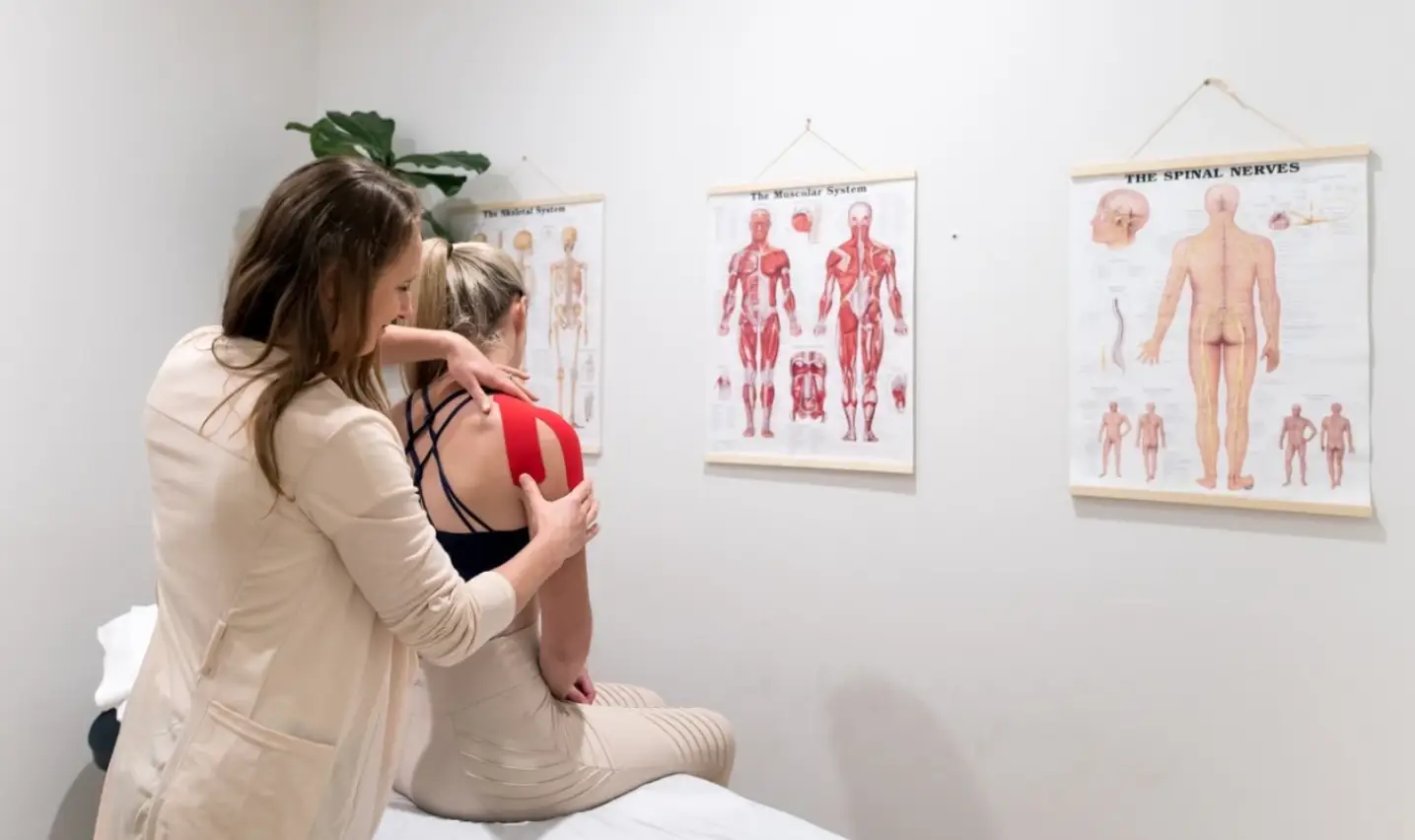

More Australians are turning to traditional, evidence-informed therapies to complement their overall approach to health, and acupuncture continues to be one of the most sought-after options. Rather than being viewed as an alternative treatment on the fringes, it’s increasingly recognised as a legitimate part of a balanced wellness routine, used alongside conventional medical care.
For residents of Melbourne’s bayside suburbs, seeking out acupuncture Brighton practitioners offer has become a popular way to manage everything from chronic pain to stress. This article explores four key ways this ancient practice continues to support modern wellbeing.
Understanding the Modern Role of Acupuncture
Acupuncture involves the insertion of fine, sterile needles into specific points on the body, a practice rooted in centuries of traditional Chinese medicine but increasingly supported by contemporary research into pain management and nervous system regulation.
Managing Chronic Pain Conditions
One of the most well-documented uses of acupuncture is in managing chronic pain, including lower back pain, migraines, and osteoarthritis. Many patients find that regular sessions help reduce the intensity and frequency of pain flare-ups, offering a complementary approach alongside physiotherapy or medical treatment.
Practitioners assess each patient individually, tailoring needle placement to target specific areas of tension or discomfort, rather than applying a one-size-fits-all approach.
Supporting Stress and Anxiety Management
Modern life comes with no shortage of stress, and acupuncture is increasingly used as a tool to help calm the nervous system. Many patients report feeling a genuine sense of relaxation during and after sessions, which can contribute to better sleep quality and an improved ability to manage daily stress.
Some of the ways acupuncture may support mental wellbeing include:
- Reducing muscle tension that often accompanies chronic stress.
- Promoting better sleep patterns through nervous system regulation.
- Providing dedicated, mindful downtime away from daily distractions.
Assisting With Fertility and Hormonal Balance
A growing number of patients seek acupuncture as a complementary therapy alongside fertility treatments or to help manage hormonal fluctuations. While it should never replace medical advice, many practitioners work alongside GPs and fertility specialists to provide supportive, complementary care during this often stressful time.
Aiding Recovery From Sports Injuries
Athletes and active individuals often turn to acupuncture to support recovery from strains, sprains, and overuse injuries. By targeting specific areas of inflammation and tension, treatment can help improve circulation to the injured area and potentially speed up the body’s natural healing processes, working alongside physiotherapy for a more complete recovery plan.
What a Typical Session Involves

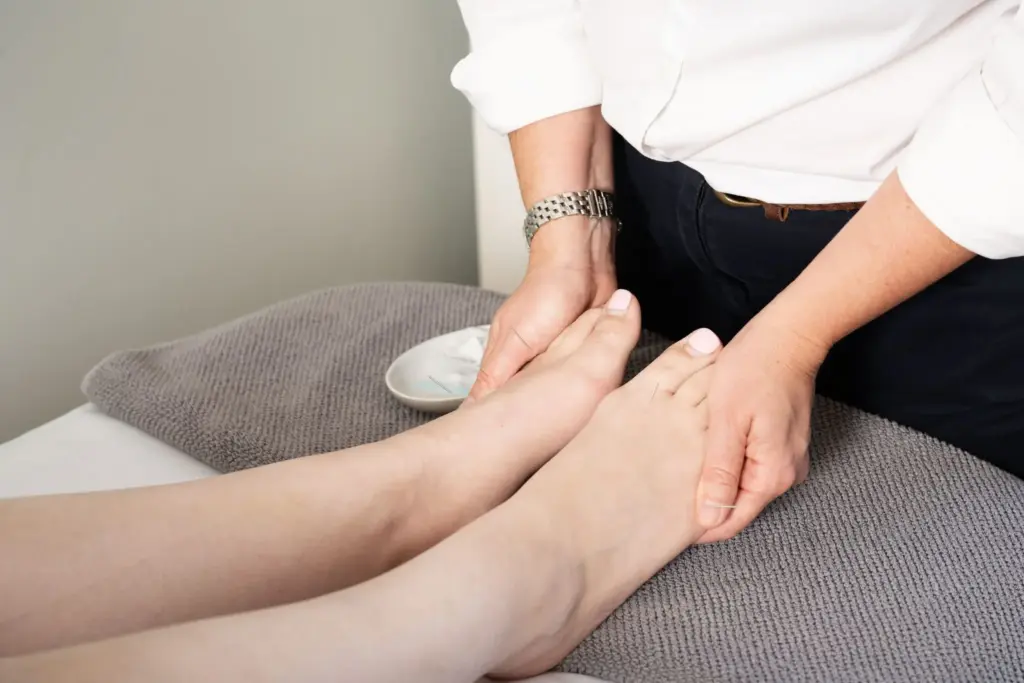
A typical acupuncture session begins with a discussion of your current symptoms and overall health, followed by the careful insertion of fine needles at specific points relevant to your treatment goals. Most patients find the process far more comfortable than they initially expect, often describing a sense of deep relaxation during the session itself. Sessions generally last between thirty and forty-five minutes, with many patients drifting into a light rest while the needles remain in place.
How Many Sessions Are Typically Needed
The number of sessions required varies depending on the specific concern being treated and how the individual responds to treatment. Acute issues may show improvement within just a few sessions, while chronic conditions often benefit from a longer, more sustained course of treatment. Your practitioner will typically reassess progress regularly and adjust the treatment plan accordingly, rather than committing to a rigid, one-size-fits-all schedule from the outset.
What the Research Says About Acupuncture’s Effectiveness
While acupuncture has been practised for thousands of years, contemporary research has increasingly explored its effectiveness for specific conditions, particularly chronic pain management. Studies have shown promising results for conditions such as lower back pain and tension headaches, though researchers generally agree that individual responses vary considerably. Reputable practitioners are typically upfront about this variability, setting realistic expectations rather than making sweeping promises. This evidence-informed, honest approach is one of the reasons acupuncture has gained broader acceptance within mainstream healthcare settings, with many practitioners now working collaboratively alongside GPs, physiotherapists, and other allied health professionals as part of a coordinated care approach.
What to Wear and Expect on the Day
First-time patients often wonder what to expect practically on the day of treatment. Loose, comfortable clothing that allows easy access to areas like the arms, legs, or back is generally recommended, and it’s worth eating a light meal beforehand rather than arriving on an empty stomach. Most clinics create a calm, quiet treatment environment, allowing patients to relax fully during the session itself.
Building Acupuncture Into a Broader Health Plan
Many patients find the greatest benefit when acupuncture is considered alongside broader lifestyle factors such as diet, sleep, and exercise, rather than as an isolated fix. Experienced practitioners often discuss these broader lifestyle factors during consultations, helping patients understand how acupuncture fits within a more complete, sustainable approach to long-term wellbeing.
Finding a Practitioner You Feel Comfortable With
Because acupuncture involves a level of physical closeness and trust, many patients find it worthwhile to book an initial short consultation before committing to a full treatment plan. This gives you a chance to ask questions, gauge the clinic’s approach, and confirm you feel genuinely comfortable with the practitioner before progressing to regular sessions.
Final Thoughts
Acupuncture offers a genuinely holistic approach to wellbeing, addressing everything from chronic pain to stress and recovery in a way that complements conventional medical care rather than replacing it.
For Brighton locals curious about whether this ancient practice could support their own health goals, a consultation with a qualified, experienced practitioner is the best place to start.