


Sleep hygiene refers to the habits, routines, and bedroom setup that help the body settle down for rest.
Many people struggle with sleep because of late screens, stress, caffeine, noise, bright light, or irregular bedtimes.
Better habits do not need to be hard or expensive. Small changes, repeated daily, can make nights feel calmer and mornings easier.
A steady wake time, a quiet room, and a short wind-down routine can all support better sleep.
This blog covers simple steps, checklists, and daily habits you can use at home to build a healthier sleep routine tonight.
What is Sleep Hygiene?
Sleep hygiene is the set of daily habits and environmental choices that support better sleep.
It includes what you do during the day, how you wind down at night, and how comfortable your bedroom feels.
Research available through the National Library of Medicine notes that poor sleep hygiene can increase alertness or disturb the natural sleep-wake cycle.
Sleep hygiene also covers caffeine, alcohol, food, light, noise, and stress. The aim is to create habits and surroundings that make restful sleep easier.
Why Sleep Hygiene Matters for Energy and Focus

Good sleep habits can help you fall asleep more easily and wake up feeling more rested. They also support better focus, mood, energy, and daily routine.
When your sleep timing changes often, your body may find it harder to settle at night. A steady pattern helps your internal clock work better.
Sleep hygiene also makes bedtime less stressful. Instead of waiting in bed hoping to fall asleep, you follow a routine that signals to your brain the day is ending.
Small changes may not fix every sleep problem, but they can create a better base for rest. However, if you’re following good sleep hygiene and still struggle to sleep well, it may be worth exploring how mental well-being affects sleep quality.
Signs Your Sleep Habits May Need Improvement
Your sleep habits may need attention if bedtime feels stressful or your mornings feel heavy most days.
Common signs include:
- Trouble falling asleep often
- Waking up many times at night
- Feeling tired after enough time in bed
- Scrolling on your phone in bed
- Sleeping and waking at very different times
- Drinking caffeine late in the day
- Feeling alert when you should feel sleepy
- Using the bed for work, meals, or long screen time
If these patterns happen often, a few routine changes may help.
Build a Consistent Sleep Schedule

A steady sleep schedule helps your body follow a clear rhythm. Try to wake up around the same time each day, even on weekends.
Set a Fixed Wake-Up Time
A regular wake-up time helps your body follow a steady rhythm. It is often more useful than forcing yourself to go to bed early.
When you wake up around the same time each morning, your body may start feeling sleepy at a more regular hour at night.
Choose a wake-up time that fits your work, family, and daily life, then keep it as close as possible every day.
Keep Bedtime Realistic
Do not choose a bedtime that feels impossible to follow. Pick a time that gives you enough rest but still fits your evening routine.
If your bedtime feels too strict, you may ignore it after a few nights. A realistic bedtime is easier to repeat, and repeated habits are what help your body settle into a better sleep pattern.
Start with small changes instead of a sudden major shift.
Avoid Long Weekend Sleep-Ins
Sleeping in for many extra hours on weekends can make Sunday night harder. Your body may feel as if it has shifted to a new schedule, which can make Monday mornings feel worse.
A small shift is fine, especially after a tiring week, but try not to move your wake-up time too far. Keeping weekends close to weekdays helps your sleep rhythm stay steadier and easier to manage.
Make Your Bedroom Sleep-Friendly

Your bedroom should feel cool, dark, quiet, and comfortable. A better sleep space can reduce small disruptions that wake you up or keep you restless.
- Keep the Room Cool: Use a fan, light bedding, or breathable sheets if the room feels warm. Keep it comfortably cool, not cold.
- Reduce Light: Use curtains, an eye mask, or dim lamps in the evening. Avoid bright overhead lights close to bedtime.
- Limit Noise: Try earplugs, a fan, white noise, or closed windows. Choose a simple option you can use every night.
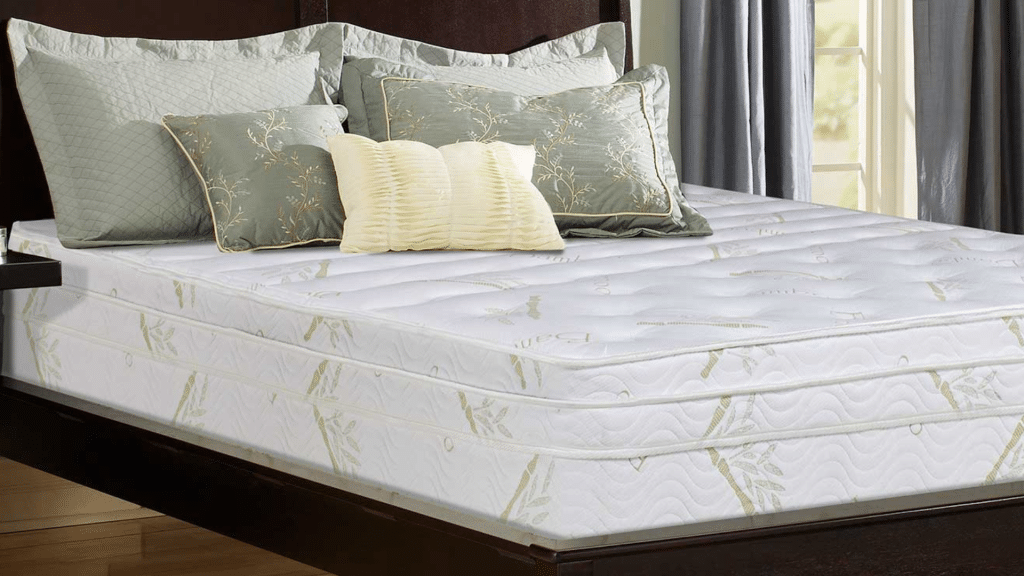
- Choose Comfortable Bedding: Use a supportive mattress and pillow. Select seasonal bedding that keeps you from feeling too hot or cold.
Watch Caffeine, Alcohol, and Late Meals
What you eat and drink can affect how well you sleep. Some people are more sensitive than others, so it helps to notice your own patterns.
| Item | How It Can Affect Sleep | What to Do |
|---|---|---|
| Caffeine | Coffee, tea, energy drinks, chocolate, and some sodas can make it harder to sleep if consumed too late. | Move caffeine earlier in the day if you struggle to sleep at night. |
| Alcohol | Alcohol may make you feel sleepy at first, but it can disturb sleep later in the night. | Cut back near bedtime if you notice more wake-ups after drinking. |
| Heavy Meals | Large, spicy, or rich meals close to bedtime may cause discomfort. | Finish heavier meals earlier and keep late snacks light. |
Daytime Habits That Support Better Sleep
Better sleep starts before bedtime. Your daytime habits can make nights easier.
Try to:
- Get natural light in the morning
- Move your body during the day
- Avoid long naps late in the afternoon
- Spend time outside when possible
- Keep meals at steady times
- Manage stress before the evening
- Avoid using the bed as a work area
Morning light and daytime movement can help your body stay alert during the day and feel more ready for rest at night.
How to Handle Stress Before Bed
Stress is one of the most common reasons people stay awake even when they feel tired. A calm routine can help move worries out of your sleep space.
Try simple habits that help your mind feel more settled before bed. Write a short to-do list for tomorrow so you don’t have to remember everything at night.
Journal worries earlier in the evening, practice slow breathing, listen to calming audio, or stretch lightly.
You can also prepare clothes or work items for the next day. Keep stressful tasks out of bed, so your sleep space feels calm.
If your mind races at night, remind yourself that bedtime is not the time to solve everything.
If irregular sleep times have become a habit, it may help to reset your sleep cycle before expecting better results from sleep hygiene changes.
Sleep Hygiene Checklist
Use this quick checklist to build better sleep habits through small daily and nightly changes.
Wake up at the same time daily.
Get natural light in the morning.
Limit caffeine later in the day.
Avoid long late naps.
Keep the bedroom cool and dark.
Put screens away before bed.
Follow a short bedtime routine.
Use the bed mainly for sleep.
Avoid heavy meals close to bedtime.
Keep a calm wind-down habit.
Common Sleep Hygiene Mistakes to Avoid
Small mistakes can make sleep harder, even when you feel tired.
Avoid:
- Sleeping in too late on weekends
- Drinking caffeine close to bedtime
- Using your phone in bed
- Keeping the room too warm
- Taking long, late naps
- Working from bed
- Eating heavy meals late
- Watching stressful content before sleep
- Expecting results after only one night
Sleep habits often take time. Focus on steady progress instead of perfect nights.
Conclusion
Sleep hygiene works best when it feels simple enough to follow every day. You do not need to change your whole life at once.
Start with one habit, such as waking at the same time, dimming lights earlier, or keeping your phone away from bed.
Then add more changes as they become easier. A calm room, steady schedule, and short bedtime routine can help your body feel safer and more ready for sleep.
Better rest often comes from small steps repeated over time. Try one sleep habit tonight, and comment below with the routine that helped you most.
Frequently Asked Questions
How Long Does Sleep Hygiene Take to Work?
Some changes may help quickly, but most routines need a few weeks of steady practice to feel more natural.
Is it Bad to Use Your Phone Before Bed?
Using a phone before bed can keep your brain active, delay sleep, and make it easier to stay awake longer.
Can Sleep Hygiene Fix Insomnia?
Sleep hygiene may help with mild sleep trouble, but ongoing insomnia may need support from a doctor or sleep specialist.