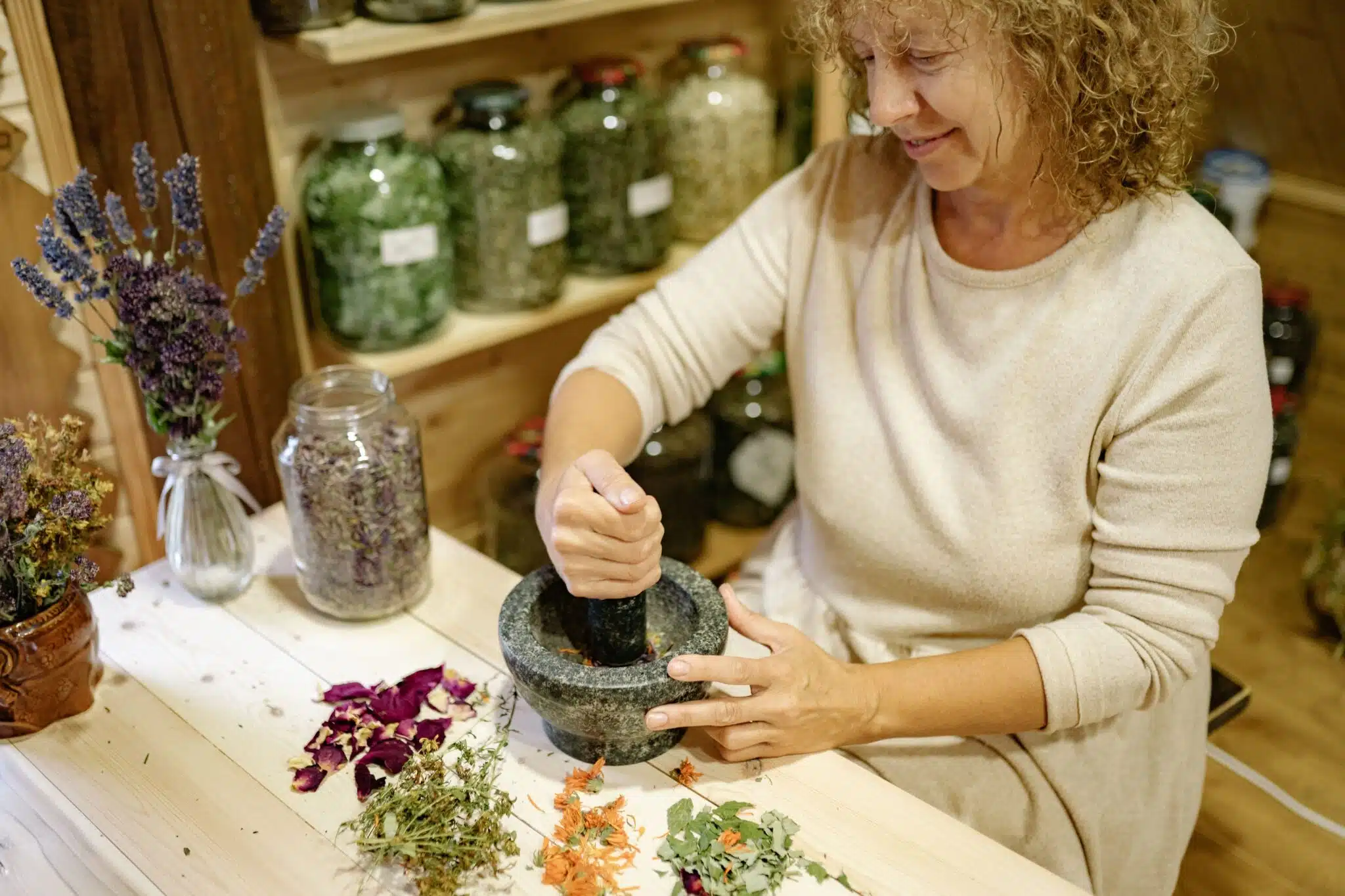

Nobody hands you a finish line after you have a baby. There’s no ribbon to cross and definitely no medal. It’s just a random Tuesday morning with you having a body that still feels borrowed.
Postpartum recovery isn’t a race you have to win. It’s a stack of small choices you keep making, week after week. Real recovery comes from habits you can repeat every day, even on your worst day.
Here are healthy habits you can do to complement physical recovery after pregnancy.
Prioritizing Sleep Recovery, Even in Small Increments
Your body does its best healing work while you’re unconscious. Growth hormone spikes during deep sleep. These hormones drive tissue repair and immune function.
Fragmented Sleep and Its Impact on Tissue Repair
Newborns don’t care about your sleep cycle. Every wake-up resets the clock, so your body rarely reaches the deep stages where real repair happens.
Avoid little to no sleep and inconsistent sleep patterns, as they make bruising fade more slowly. Swelling would also linger longer than it should. Even a healing incision moves at a crawl when sleep stays broken for weeks on end.
Practical Strategies for Maximizing Rest
Sleeping when the baby sleeps sounds cliché, but it works because it stacks small recovery windows rather than chasing a single long stretch that may be disturbed anyway.
One strategy is to cut sleep into three-hour chunks. This may sound like too little sleep, but it allows you to fully rest while attending to your baby’s needs.
A solid 90-minute block beats three hours of interrupted dozing. Split night duty with a partner in shifts if you can.
Also make sure to keep the room dark and cool, somewhere around 65 degrees, so your body drops into deep sleep faster once the chance actually shows up.
Gentle, Progressive Movement
Jumping into an intense workout at six weeks before your core has caught up only invites injury. The sweet spot sits in the middle. Only engage in workouts that can build capacity without asking your body for more than it can give yet.
Walking as a Foundational Recovery Habit
Walking gets circulation moving without stressing the healing tissues. Start with ten minutes of walking around the block. Then add five minutes every few days as energy allows.
A daily walk does something no supplement can. It gets you outside and shifts your mood, compared to always being indoors attending to your baby’s needs.
Postpartum-Specific Core and Pelvic Floor Exercises
Regular crunches also work with the healing process. Diastasis recti, a separation in the abdominal muscles common after pregnancy, needs a different approach entirely. Rebuild that with deep belly breathing and gentle pelvic tilts. A pelvic floor physical therapist can check your progress in a single visit.
Nutrition Habits That Support Healing
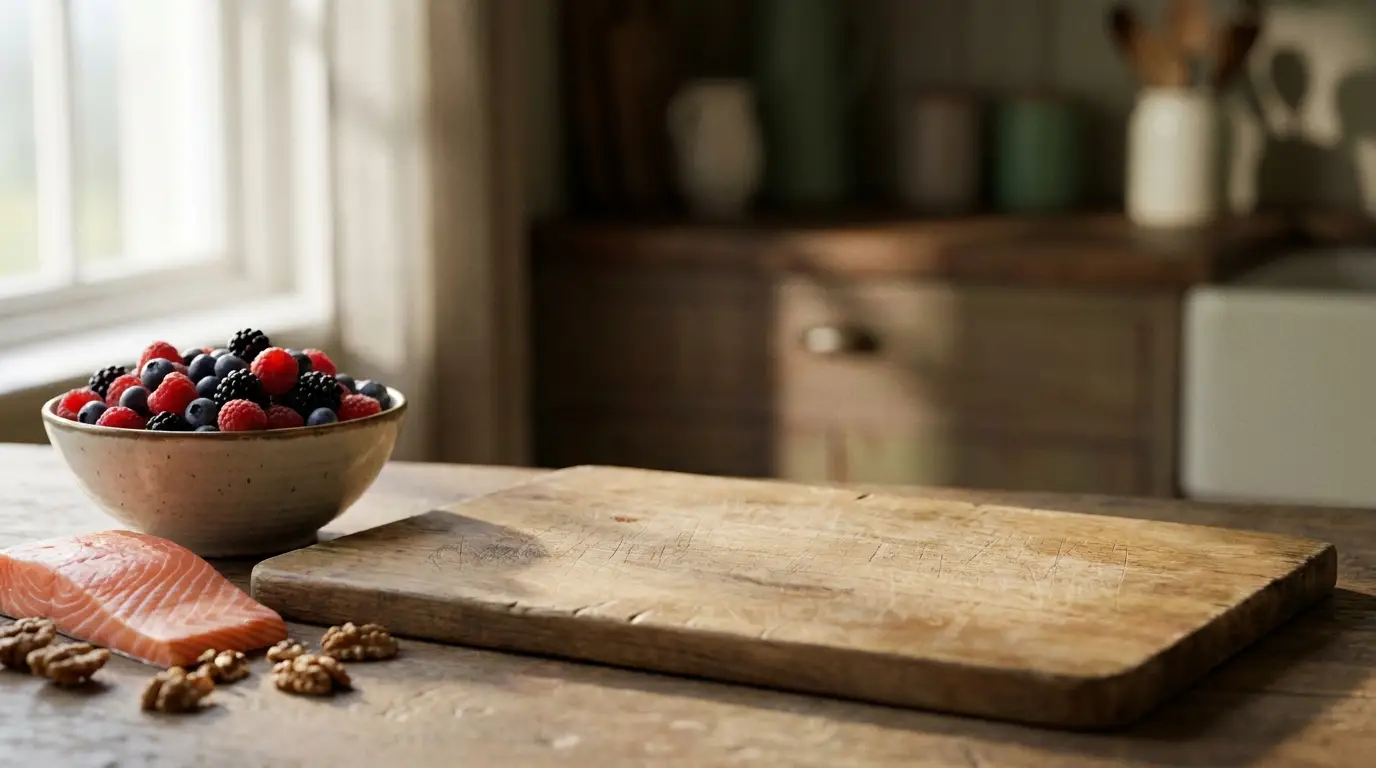
Recovery runs on fuel. Do not skip meals because your body pulls resources from wherever it can, which slows the very repair work you’re trying to speed up.
Protein Intake for Tissue Repair
Protein rebuilds muscle and skin tissue stretched during pregnancy and delivery. Eggs, Greek yogurt, chicken, and lentils all get the job done. Aim for a protein source at every meal instead of loading up once a day.
A hard-boiled egg with a spoonful of peanut butter takes two minutes and covers more protein intake than you think.
Anti-Inflammatory Foods That Support Recovery
Some swelling is a normal part of healing, but food can still help speed it along and reduce it. Berries, fatty fish like salmon, walnuts, and leafy greens all calm inflammation.
So swap the sugary granola bar for a handful of walnuts. This small trade gives you a huge difference over a few weeks.
Hydration and Its Overlooked Role in Recovery
Water touches nearly every recovery process in your body right now, making it the easiest habit to maintain post-pregnancy.
Hydration’s Effect on Milk Supply and Energy
Breastfeeding pulls extra fluid from your body every single day. Falling behind on water and milk supplies can cause fatigue. Dehydration also disguises itself as hunger and exhaustion, so that 3 pm crash might mean that you need to drink a glass of water.
Drink plenty of water to stay hydrated throughout the journey.
Simple Habits to Stay Consistently Hydrated
Keep a water bottle wherever you sit to nurse or feed the baby, since that’s when you’ll actually have a spare minute to drink. You can also add a squeeze of lemon if you’re tired of drinking plain water. Sip steadily through the day instead of chugging one giant glass of water.
When Lifestyle Habits Aren’t Enough on Their Own
Sleep, movement, food, and water form the foundation for recovery. But these habits don’t fix everything. Some physical changes from pregnancy just don’t respond to habits alone, no matter how consistent you stay.
Recognizing Skin Laxity and Stubborn Fat That Persist Despite Healthy Habits
Skin stretched over nine months doesn’t always snap back, even with a clean diet and a steady walking routine. Pockets of fat around the abdomen or hips can linger, sitting in fat cells that diet and exercise rarely reach. This is completely normal.
How Post-Pregnancy Body Contouring in New York Fits Into a Broader Recovery Plan
Some women look into post-pregnancy body contouring in New York once habits have done what they can, and stubborn areas remain.
Procedures like liposuction target specific fat deposits rather than promising a full-body transformation, and recovery for many patients runs around 48 hours in a compression garment rather than months in bed.
Many people choose to do this to quickly regain the self-confidence they had before pregnancy.
Combining Lifestyle Habits With Professional Guidance for Best Results
Whether or not surgery is performed, sleep, movement, and food still matter afterward. A board-certified plastic surgeon will usually ask about general health and daily habits before any procedure, since the surgery tends to heal better in a body that’s already recovering well.
Professional options work best layered on top of habits already in place.
Final Thoughts
Postpartum recovery rewards patience over intensity. Nobody heals on a schedule set by an app or an influencer.
To heal, keep sleeping in whatever chunks you can get. Keep walking a little farther each week. Keep eating real food and drinking water like it’s part of the job, because it is.
Small habits, repeated for months, add up to a lasting recovery throughout your whole journey.