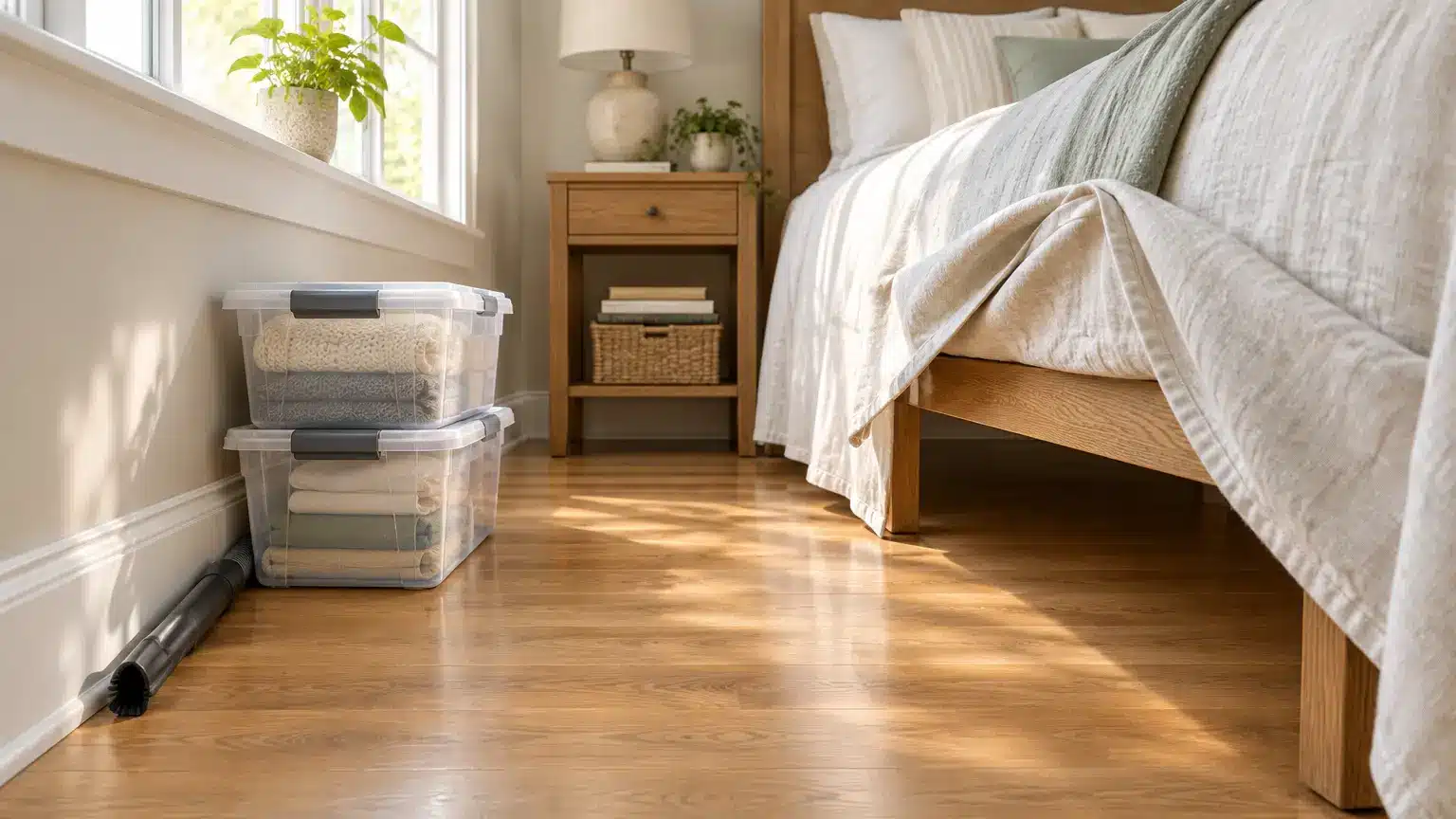

A restful home is not created by furniture alone. It comes from the way a space feels when you walk through the door, set down your keys, and finally let your shoulders drop. Somewhere between soft lighting, comfortable bedding, fresh air, and organized rooms, Ladue’s Cleaning Concepts points to a simple truth: a cleaner home often feels like an easier home to live in.
Most people do not need their home to look perfect every hour of the day. Real homes have dishes, laundry, shoes by the door, pet hair, mail on the counter, and signs of everyday life. The goal is not to erase personality or make every room look untouched. The goal is to create a space that feels calm enough to enjoy.
When dust gathers, floors feel gritty, bathrooms lose freshness, and clutter spreads from one surface to another, the home can start to feel mentally noisy. Even when people are not actively cleaning, they may still be thinking about what needs to be done. A more consistent cleaning routine can reduce that background stress and make the home feel more welcoming.
The Link Between Clean Spaces and Calm Evenings
Evening routines are easier when the home does not feel like another job waiting to happen. A freshly cleaned space can make the transition from a busy day to a restful night feel more natural.
After work, errands, school runs, cooking, and responsibilities, many people want their home to help them slow down. That becomes harder when the kitchen is sticky, the bathroom needs attention, or the bedroom is surrounded by clutter. These small details may not seem dramatic on their own, but together they can make relaxation feel delayed.
Clean spaces give the mind fewer distractions. A clear nightstand, dusted surfaces, fresh floors, and a bathroom that feels sanitary can make a home feel more peaceful without requiring a dramatic makeover. In many cases, comfort comes from the details people stop noticing when they are done well.
This is especially true in bedrooms and living areas. These rooms are often meant for resting, reading, watching a show, talking with family, or simply being still. When they are clean and orderly, they support those moments instead of interrupting them.
Why Cleaning Is Part of Home Comfort
Comfort is often described in terms of mattresses, pillows, blankets, temperature, and lighting. Those things matter, but cleanliness plays a quiet role too.
A room can have beautiful decor and still feel uncomfortable if dust sits on surfaces, floors need attention, or fabrics hold stale odors. Cleanliness affects how fresh a space feels, how inviting it seems, and how easily people can settle into it. It is part of the atmosphere, even when it is not the first thing people mention.
Regular cleaning also supports the small rituals that make home life feel good. Making coffee in a clean kitchen feels different from working around cluttered counters. Taking a shower in a fresh bathroom feels more relaxing than noticing buildup in corners. Getting into bed after moving through an orderly room can feel like a softer end to the day.
These are not luxury details. They are part of everyday comfort. A home does not need to be flawless, but it should feel cared for in the places that matter most.
The Bedroom Deserves Special Attention
The bedroom is one of the most important rooms in the home because it directly affects rest. Yet it is often the room that gets neglected when life becomes busy.
People may focus on cleaning shared spaces first, especially if guests are coming over. Living rooms, kitchens, and bathrooms usually receive attention because they are visible. Bedrooms, however, can quietly collect dust, laundry, clutter, and items that do not have a clear place elsewhere.
A cleaner bedroom can support a better wind-down routine. Dusting furniture, vacuuming or mopping floors, changing linens regularly, and keeping surfaces less crowded can make the room feel calmer. Even simple changes can shift the mood of the space.
The goal is not to create a showroom. It is to create a room that encourages rest. When the bedroom feels fresh and uncluttered, it becomes easier to associate the space with sleep, comfort, and privacy rather than unfinished chores.
Kitchens and Bathrooms Shape the Mood of the Home
Kitchens and bathrooms carry a lot of responsibility. They are used every day, often by everyone in the household, and they can quickly affect how clean the entire home feels.
A kitchen is more than a place to prepare food. It is where mornings begin, conversations happen, groceries are unloaded, and family routines often gather. When counters, sinks, appliances, and floors are clean, the kitchen feels easier to use. Cooking becomes less stressful, and daily tasks feel more manageable.
Bathrooms have a similar effect. A clean bathroom helps a home feel cared for. Fresh mirrors, sinks, counters, toilets, tubs, showers, and floors make a noticeable difference because these are spaces where hygiene and comfort meet. Even a small bathroom can feel relaxing when it is properly maintained.
Because these rooms are used so often, they benefit from consistent attention. Waiting too long between cleanings can allow soap residue, grime, dust, and odors to build up. A steady routine prevents small problems from turning into unpleasant projects.
A Clean Home Can Make Mornings Smoother
Rest is not only about nighttime. The way a home feels in the morning can influence the entire day.
Waking up to a cluttered room, walking into a messy bathroom, or starting breakfast in a kitchen that still carries yesterday’s mess can create stress before the day has properly begun. By contrast, a clean and organized home can make morning routines feel lighter.
This does not mean every household needs a strict system. It simply means that maintained spaces reduce the number of decisions and obstacles people face. When essentials are easy to find, surfaces are usable, and rooms feel fresh, mornings become less rushed and more predictable.
For families, this can be especially helpful. Clean floors, clear counters, organized entry areas, and well-kept bathrooms can reduce tension during busy parts of the day. The home becomes a support system rather than another source of pressure.
Deep Cleaning Creates Breathing Room
Routine cleaning helps maintain comfort, but deep cleaning gives the home a fuller reset. It reaches the areas that are easy to ignore during normal upkeep.
Baseboards, door frames, cabinet fronts, corners, vents, light fixtures, appliance surfaces, and hidden dust zones can gradually make a home feel older or heavier than it is. Deep cleaning brings attention back to those details. The result is often a space that feels brighter, fresher, and more open.
This type of cleaning can be especially useful during seasonal transitions, before hosting guests, after a busy period, or when a home simply feels stale. It can also make ongoing maintenance easier because buildup has already been addressed.
A deep clean is not only about removing dirt. It can change the emotional feel of the home. Rooms may seem calmer. Air may feel fresher. Surfaces may look more polished. Even familiar spaces can feel renewed.
Cleaning Support Should Fit Real Life
The most useful cleaning plan is one that matches the way people actually live. A household with pets, children, guests, or long work hours may need a different rhythm than a quiet home with fewer daily demands.
Some people benefit from weekly maintenance. Others prefer biweekly cleaning, monthly deep cleaning, or occasional help before important events. There is no single right schedule. The best routine is the one that reduces stress and keeps the home comfortable without feeling excessive.
Flexibility matters because every home has different pressure points. One person may care most about floors and bathrooms. Another may need help keeping the kitchen under control. Someone else may want the bedroom and living areas to feel calmer. For those looking for a Baltimore cleaning service, choosing a provider that offers flexible scheduling and customized cleaning plans can make it easier to maintain a comfortable home. A thoughtful approach allows cleaning to support real priorities instead of following a generic checklist.
A Restful Home Is Built Through Small Details
A peaceful home does not happen all at once. It is built through repeated small details that make daily life easier.
Clean floors make rooms feel lighter. Fresh bathrooms improve comfort. Dust-free surfaces make bedrooms and living areas feel calmer. Organized counters make tasks simpler. These details work together to create a home that feels easier to enter, easier to use, and easier to enjoy.
A cleaner home cannot remove every stress from life, but it can soften the environment where people recover from those stresses. It can make rest feel more natural, routines feel smoother, and time at home feel more restorative.
In the end, cleanliness is not just about appearance. It is about comfort, energy, peace of mind, and the quiet relief of living in a space that feels ready for you.