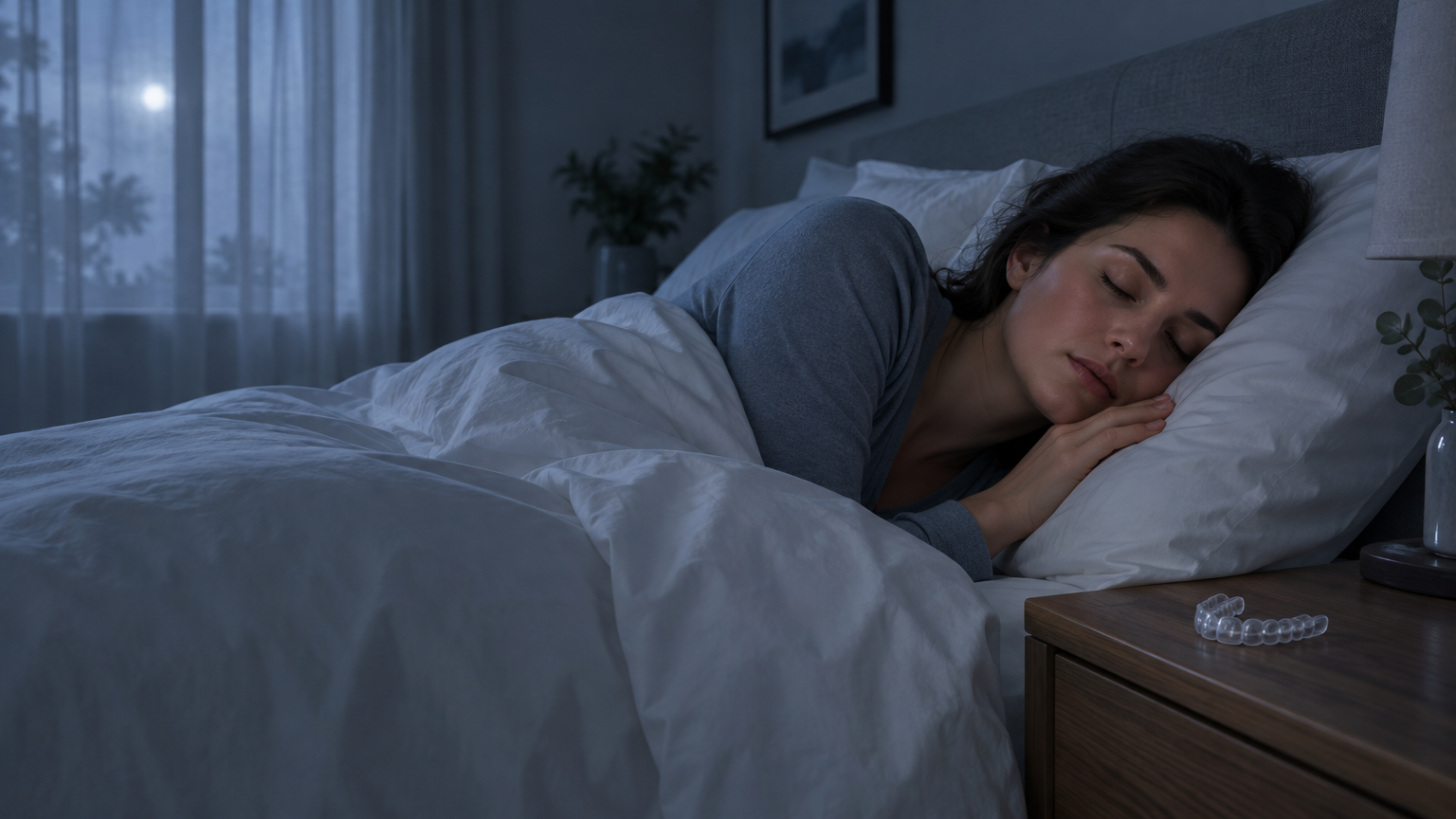
A bad night’s sleep isn’t always about stress or screens.
Sometimes it’s the room.
The temperature. The humidity. The white noise (or deafening clatter) coming from your vent. Air conditioners affect your sleep quality in a lot of ways most people don’t realise. If your AC unit is broken or not performing well, it could be the silent culprit of your tossing, turning and waking up exhausted.
The good news?
Once you understand how cooling systems shape sleep, fixing the problem becomes much easier.
Here’s What’s Inside:
- Why Cooling Systems Matter For Sleep
- The Temperature-Sleep Connection
- AC Problems That Wreck Your Nights
- Signs Air Conditioning Repair Is Needed
- How Maintenance Keeps Sleep On Track
Why Cooling Systems Matter for Sleep
The body needs to cool down to fall asleep.
It’s not opinion, it’s biology. Your core temperature drops about 1 to 2 degrees before bed. Your brain recognizes this as a signal that it’s time to sleep. If your bedroom is too hot or humid you blunt that signal. Sleep moves even further away.
This is exactly where air conditioning steps in.
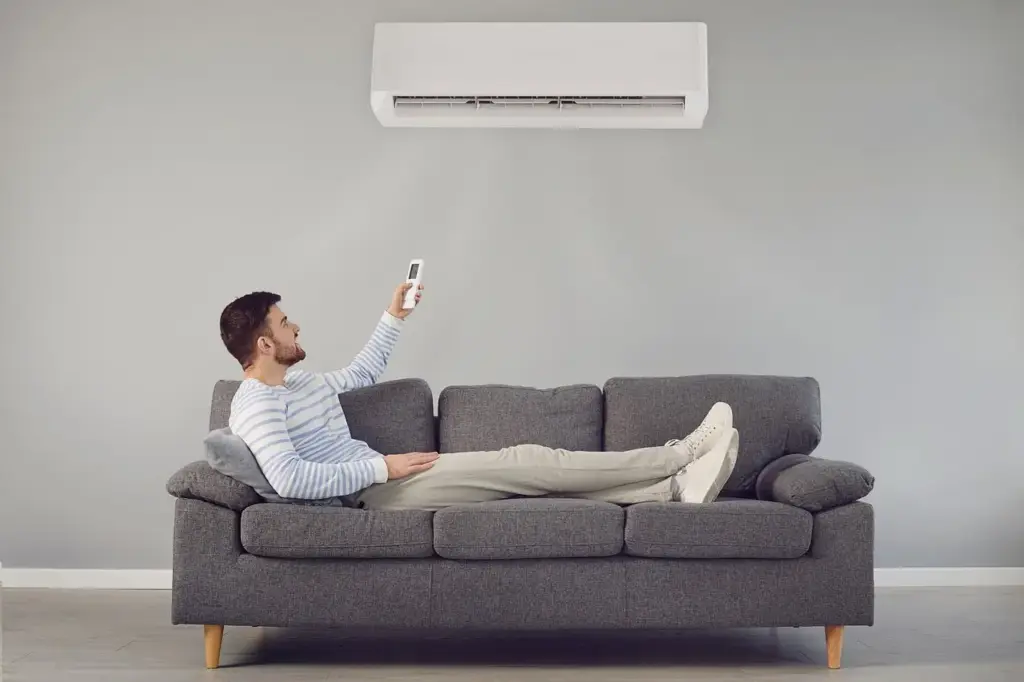
Having a functioning AC allows you to keep your bedroom in optimal sleeping conditions. However, as soon as your system begins to experience problems — poor airflow, warm air, strange noises, short cycling — your sleep will be affected before you even hit the hay.
When an air conditioner has been malfunctioning recently, professional AC repair in Indianapolis IN can mean the difference between sleepless nights and getting a good night’s rest. A certified air conditioning repair expert will be able to identify minor problems before they become full blown sleep robbers. Even a dirty filter can disrupt the entire temperature levels of a room.
The Temperature-Sleep Connection
How big is the impact of bedroom temperature on sleep?
Bigger than most people think.
In research conducted on community-dwelling older adults, it was shown that sleep was most efficient and restorative when ambient temperatures were between 20 and 25°C, and that sleep efficiency declined by approximately 5-10% when ambient temperature increased from 25°C to 30°C. That means a large portion of your sleep is jeopardized due to high temperatures in the bedroom.
Most sleep experts agree that the ideal temperature for your bedroom falls between 60°F and 67°F. Here’s the kicker… Just a couple of degrees above this “perfect” range can:
- Make falling asleep take longer
- Reduce total sleep time
- Increase the number of wake-ups during the night
- Lower overall sleep efficiency
If your cooling system is compromised, each and every one of these problems compounds.
Sleep Deprivation Is More Common Than You Think
Many folks attribute poor sleep to stress, caffeine intake or excessive screen time. However, most of the time it’s actually your bedroom environment.
CDC statistics indicate that between 30% of adults in Vermont to 46% of adults in Hawaii didn’t sleep enough in 2022, with adults needing at least 7 hours of sleep per day. That means a significant amount of people are functioning on insufficient sleep.
Even a dependable air conditioner can’t cure all sleep issues. It does, however, eliminate one of the biggest obstacles to sleep.
AC Problems That Wreck Your Nights
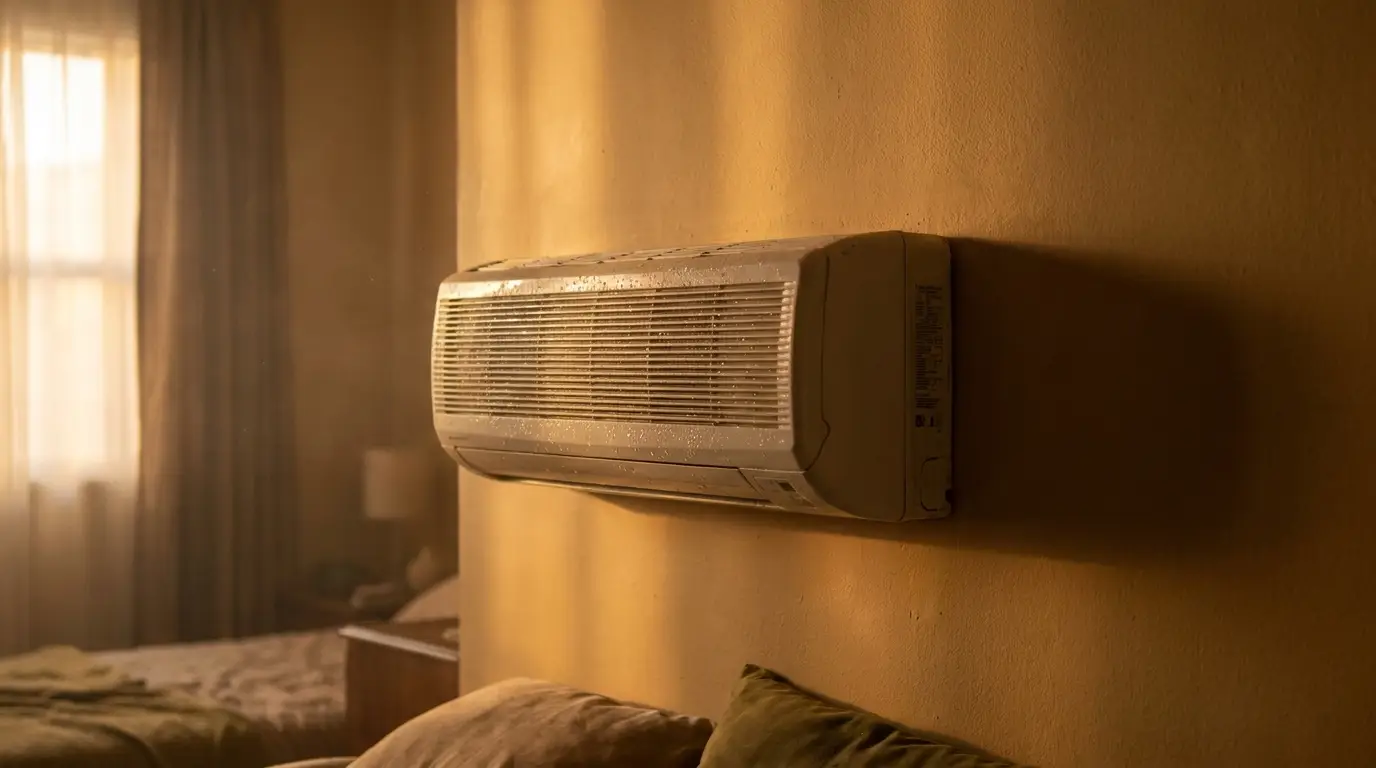
A poorly functioning cooling system can ruin sleep in more ways than one. Take a look at these most common culprits.
Inconsistent Cooling
Do you ever walk into the bedroom and realize that it feels hot but your thermostat is set to cool? Inconsistent cooling is one of the biggest warning signs. It can mean:
- Dirty filters
- Low refrigerant levels
- A failing compressor
- Blocked vents or ducts
You go to sleep comfortable… then wake up sweating two hours later. Not great.
Strange Noises
Air conditioners should hum. They shouldn’t rattle, bang, whistle or buzz. Loud noises from your AC will repeatedly wake you up at night. Even a slight click every few minutes can annoy the lightest sleeper.
Common sources of noise include:
- Loose components
- Worn-out fan motors
- Debris stuck in the unit
- Dirty or icy coils
High Humidity
An operational AC dries out the air. When it isn’t doing that, everything feels humid and hot, even if it’s cool.
High humidity prevents your body from cooling itself efficiently. That means… longer time to fall asleep, lighter sleep, and more wake-ups.
Short Cycling
It is short cycling. Your AC blows cool air for awhile, then shuts off and allows the room to heat up again. You end up with fluctuating temps which prevents you from getting into deep sleep throughout the night.
Signs Air Conditioning Repair Is Needed
Don’t wait until the unit fails completely.
The earlier you spot air conditioning repair needs, the less you’ll pay. Plus, you’ll sleep better at night. Keep an eye out for these warning signals:
- Warm air blowing from the vents
- Weak airflow
- Strange smells when the AC kicks on
- Water leaks around the indoor unit
- Higher than usual energy bills
- The system running constantly without ever cooling properly
Either one of these symptoms is cause to call a professional. Covering up the problem will only lead to total system failure — most likely on the warmest night of the year.
How Regular Maintenance Keeps Sleep on Track
Maintenance is never optional. It’s the least expensive way to safeguard your AC and your sleep.
Many experts suggest at least one tune-up a year. This is what good upkeep should include:
- Changing or cleaning air filters every 1-3 months
- Cleaning the condenser and evaporator coils
- Checking refrigerant levels
- Inspecting electrical components
- Clearing the condensate drain line
These little things will help you avoid major meltdowns that keep you up at night. They can even prolong your system’s life.
Maintenance tip: Book before the summer rush begins. HVAC technicians are readily available.
A Quiet Room Is a Restful Room
The hum of a healthy AC is almost invisible to your ears.
You don’t notice it — which is exactly the point.
Noise and malfunction wake you up. Literally. Even if you don’t fully wake up, a loud or laboring system disrupts your deep sleep cycles. That’s why WhisperGreen puts such emphasis on quiet comfort. Top performing air conditioners and heat pumps run quietly all night maintaining your room temperature and humidity level without ever drawing attention to themselves.
When a unit starts to fail, that silence breaks. And so does your sleep.
Final Thoughts on Cooling and Sleep
Air conditioners provide more than comfortable temperatures. They provide the perfect environment for healthy, restful sleep. If your system is running right, you forget it’s even there. If it breaks down, every night is a fight.
Here’s the quick recap:
- Bedrooms should sit between 60°F and 67°F for best sleep
- Even small temperature increases reduce sleep efficiency
- AC problems lead directly to broken, restless nights
- Regular maintenance prevents most major issues
- Timely air conditioning repair pays for itself in better sleep
Don’t let a faulty cooling system rob you of your sleep. Call a reliable AC repair specialist and he’ll have it running in no time.
Because a good night’s sleep starts with a quiet, comfortable room.