
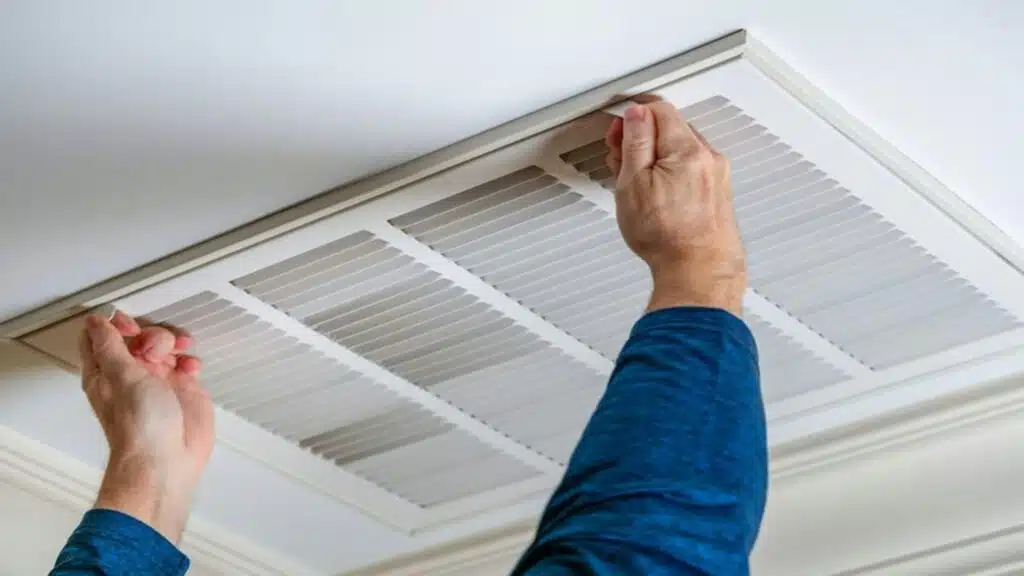
Homeowners only consider cooling when it starts to get hot outside. The issue is that when you wait for your system to struggle, your energy bills are likely to be higher, your performance may be inconsistent, and you’re likely to pay for repairs you could have avoided. A planned AC maintenance calendar helps you avoid those problems by breaking maintenance into small tasks throughout the year.
Perform maintenance repeatedly rather than as a one-time job. Air conditioners that receive regular maintenance are energy-efficient because they maintain proper airflow. Tune up your air conditioner in New York if you haven’t had it serviced in some time.
January – February: Off-Season Inspection and System Health Check
It’s easy to overlook cooling systems in the winter, but it is one of the best times to check out your system without pressure.
Do a basic visual check initially. Check wear areas on vents, high dust accumulation, poor insulation, or even outdoor debris near the condenser. If the filter needs replacement, replace it. Also, when running the unit for a while, listen for any noise.
This period is the best time to evaluate your annual HVAC maintenance schedule.
The following are the things that you can add to the AC maintenance checklist:
- Inspect and change air filters regularly.
- Check vents for obstructions.
- Remove debris from outdoor equipment.
- Inspect the insulation and exposed connections.
- Note any unusual odors or noises.
March: Preparing Your AC for the Cooling Season
March is the transition month – when it all counts. Your system has probably been sitting idle for months, so it’s important to test it gradually.
Turn on the system for a brief cycle and see how it performs. Note the air flow intensity, the sound of start-up, and the rate of temperature changes.
Make this month a major milestone in your air conditioner maintenance schedule; fixing minor problems now is easier than fixing them during peak demand.
April: Deep Cleaning and System Optimization
April is the time for cleaning up.
If needed, change your filters or clean the ones you have that are reusable. In cleaning or blowing any debris, such as leaves or dust, off the exterior surface of your indoor air handler, ensure that any debris trapped inside the return air vent is vacuumed out too. Even though these dust particles might not seem to affect your equipment, they do adversely affect its performance.
Now is an excellent opportunity to monitor your electricity consumption. In fact, you should consider slightly reducing your energy usage.
Taking such actions helps to guarantee that your air conditioning maintenance efforts don’t go to waste.
May: Pre-Summer System Tune-Up
Your system should be in regular operation by May.
Test the thermostat’s accuracy to verify uniform cooling across all rooms. Should any trouble arise either with the refrigerant or with air movement, a professional examination will uncover the problem before summer arrives.
When it comes to seasonal preparation, Fusion Repair notes that preventive maintenance tends to cost less than emergency service during high-demand months.
This month should become a non-negotiable part of your air conditioner maintenance schedule, especially if your system is older or runs frequently.
June – August: Peak Season Maintenance and Monitoring
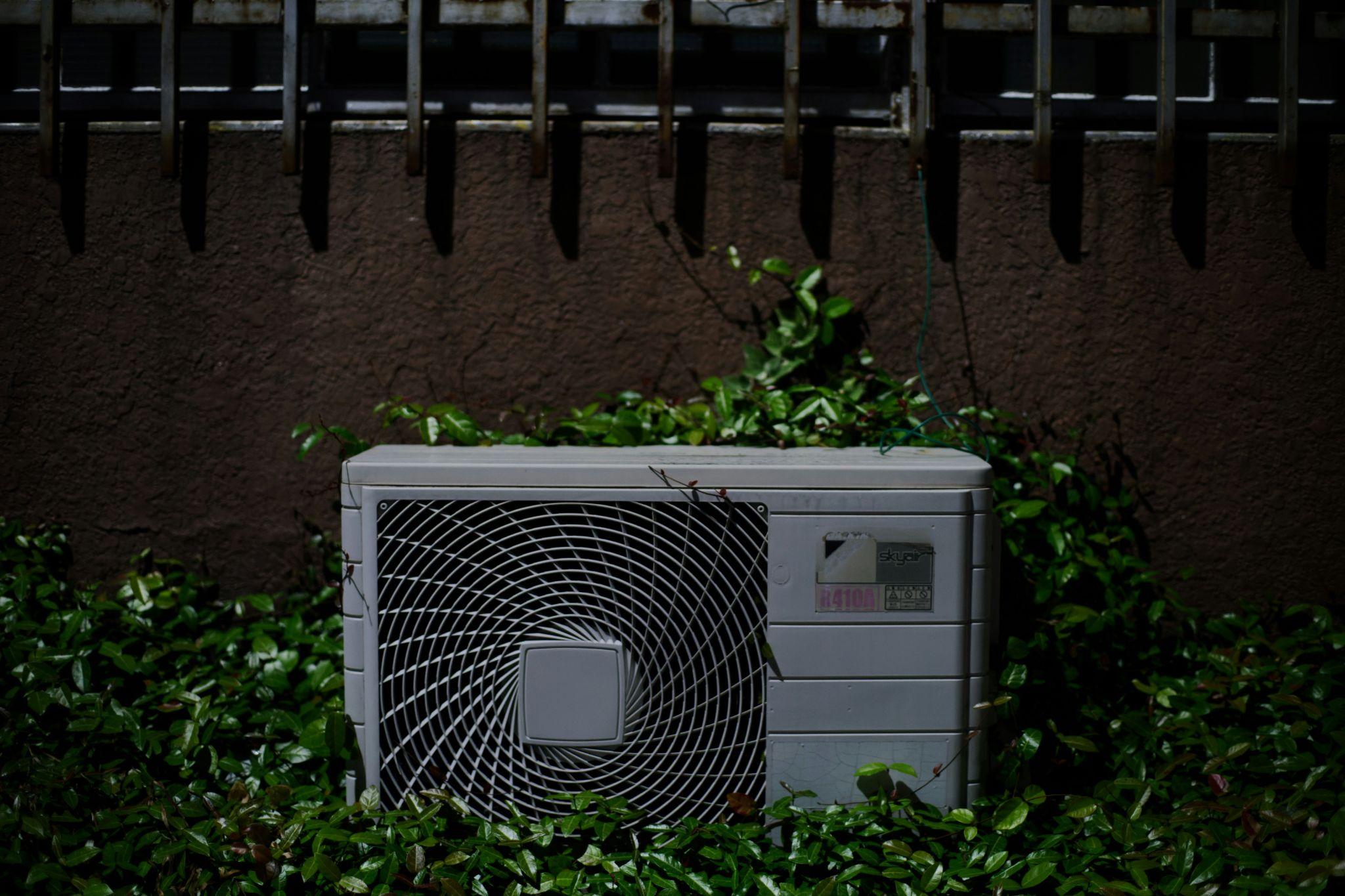
Summer places the greatest demand on cooling equipment, making observation more important than intensive servicing.
During these months:
- Change filters regularly
- Keep track of energy consumption patterns.
- Do not obstruct outdoor units
- Watch for uneven cooling.
- Do not overuse the thermostat.
These habits will help maintain your system and minimize stress on it.
This period is also the perfect time to utilize your annual AC maintenance calendar. You’re not just dealing with issues as they arise; you’re keeping performance on track.
Follow the air conditioner maintenance schedule and record any unusual experiences.
September: Transition from Cooling to Off-Season
Slowly reduce system use as temperatures improve. September is a good time to clean vents again, change filters, and inspect equipment performance during the summer.
Document observations for next year’s HVAC Maintenance Plan. This record will be helpful for observing trends and avoiding recurring issues.
October – November: Protective Maintenance and Prevention
This period is a good time to focus on preventive maintenance. Check outside units before winter and cover all external components, as suggested by the manufacturer. Secure all accessible connections and see that there are no obstructions in any drainage paths.
Check your air conditioner maintenance schedule and do any deferred maintenance. Here is a second AC maintenance checklist that will help:
- Replace filters
- Clean drainage areas
- Inspect exposed wiring
- Check thermostat performance
- If necessary, have a professional evaluation.
December: Year-End System Review
Review system performance at the end of the year. Check the repair record, determine patterns of energy consumption, and if there was a consistent amount of cooling. Here, December is more of a planning month, rather than a maintenance month. Record-keeping now will make next year easier to maintain and help with the transition from one season to the next.
Conclusion
A very important step towards ensuring that air conditioning works at its best is proper maintenance. Think of the monthly plan to see how it helps you accomplish the task.
Regular servicing of the air conditioner throughout the year will improve the device’s performance and help prevent malfunctions. Servicing may be carried out personally or through periodic professional assistance.
Do you have a good maintenance strategy that works well for you? Please share it.