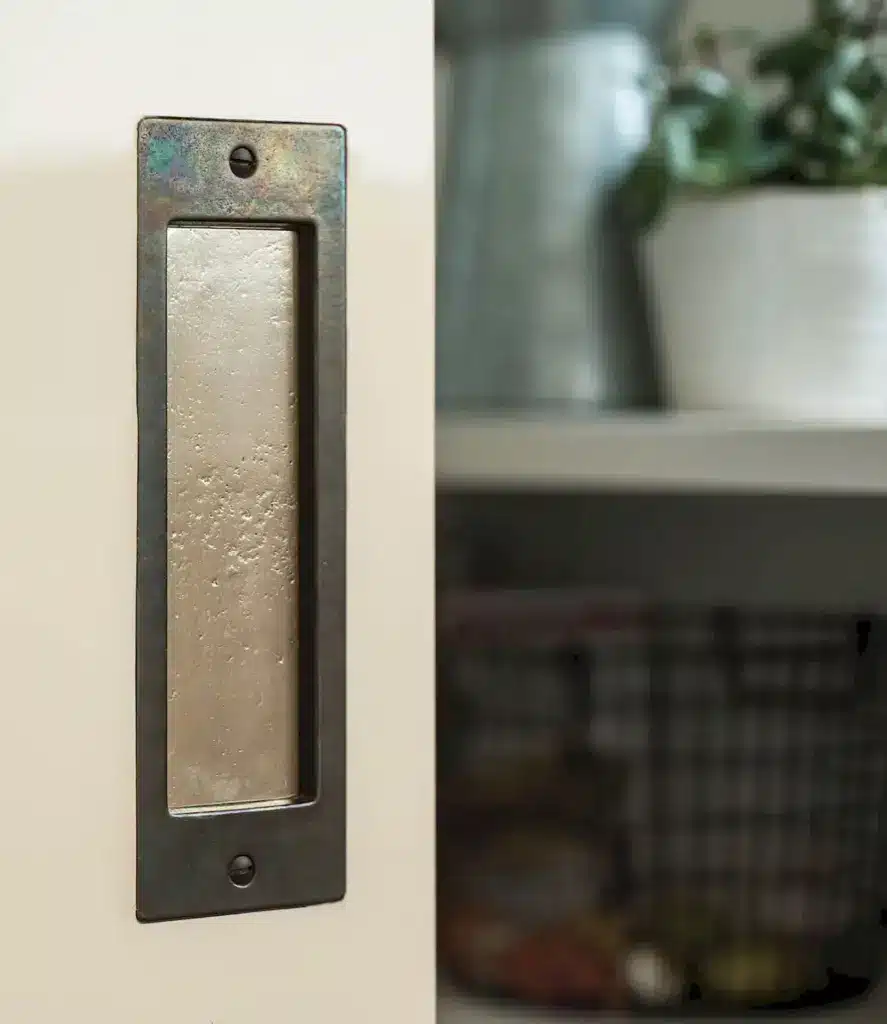
A well-designed home should support the way people live each day. Layout, lighting, materials, and architectural features all influence comfort and functionality. Among these elements, a sliding door set can play an important role in improving how spaces connect and function. Designers often use sliding doors to create flexibility while maintaining a clean and sophisticated aesthetic.
As homes continue to serve multiple purposes, from work and relaxation to entertaining and family life, adaptable spaces have become increasingly valuable. Sliding doors offer a practical solution that supports both functionality and design.
Creating Better Flow Between Spaces
The way rooms connect has a significant impact on how a home feels. Spaces that allow smooth movement often feel more comfortable and inviting.
Sliding doors help improve this flow by creating openings that connect adjacent areas without requiring the clearance of a traditional swinging door. This allows homeowners to move easily between spaces while maintaining the ability to separate rooms when needed.
In open-plan homes, sliding doors can help define different zones without creating a sense of isolation. The result is a layout that feels connected while still offering flexibility.
Maximizing Available Space
Space efficiency is an important consideration in homes of every size. Even large residences benefit from design solutions that improve usability and reduce unnecessary obstacles.
Traditional doors require room to swing open and closed. Sliding doors operate along a track, allowing surrounding areas to remain fully usable. This simple difference can create more opportunities for furniture placement and improve overall circulation.
Homeowners often appreciate this advantage in bedrooms, bathrooms, home offices, laundry rooms, and other areas where space may be limited.
By reducing spatial conflicts, sliding doors help rooms function more effectively.
Supporting Modern Living
Today’s homes frequently accommodate a wide variety of activities. A dining area may become a workspace during the day. A guest room may serve as a hobby space when visitors are not present. Families often seek design solutions that support these changing needs.
Sliding doors provide an effective way to create adaptable environments. They allow spaces to be opened for social interaction or closed for privacy when required.
This flexibility makes them particularly valuable in homes where rooms serve multiple purposes.
Rather than permanently separating spaces, sliding doors allow homeowners to adjust their environments according to changing needs.
Enhancing Natural Light
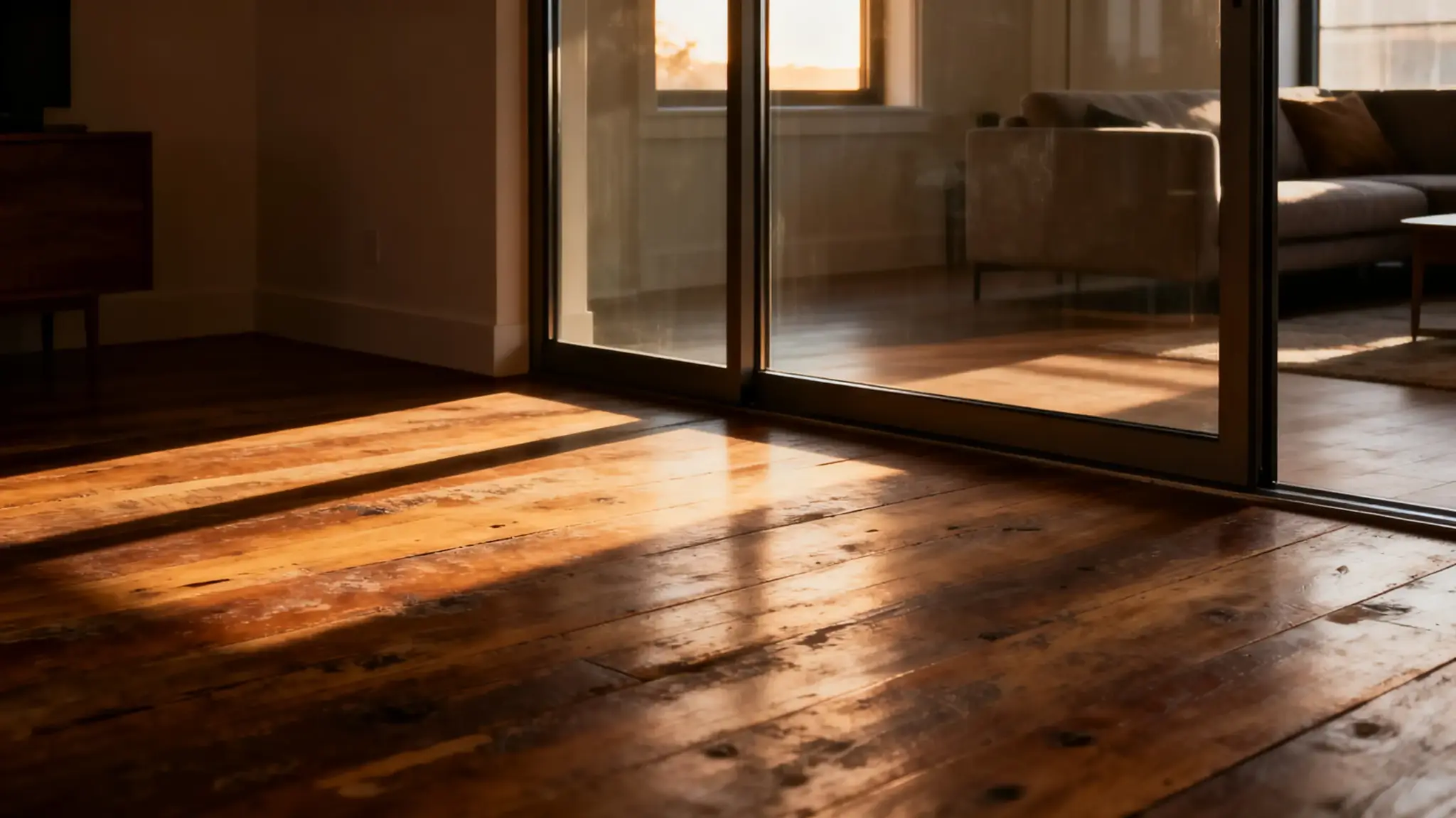
Natural light contributes significantly to comfort and well-being. Bright interiors often feel more spacious, welcoming, and connected to the outdoors.
Many sliding door designs incorporate large glass panels that allow sunlight to move freely throughout a home. This can help reduce visual barriers between rooms while creating a greater sense of openness.
When positioned strategically, sliding doors can help distribute natural light across multiple areas of a residence.
The result is an environment that feels brighter and more inviting throughout the day.
Balancing Function and Aesthetics
Good design often requires balancing practical needs with visual appeal. Sliding doors excel in this area because they provide functional benefits while contributing to the overall design character of a home.
Their clean lines work well in contemporary interiors, yet they can also complement traditional and transitional spaces when paired with appropriate materials and finishes.
Designers frequently use sliding doors to create a sense of architectural simplicity. Because the hardware and door system become part of the overall design, careful material selection can further enhance the finished result.
This integration allows sliding doors to support both performance and aesthetics.
Creating Comfortable Home Offices
As remote and hybrid work remain common, many homeowners seek ways to create productive workspaces within their residences.
Sliding doors can help define a dedicated office area without requiring extensive remodeling. They provide privacy during meetings and focused work sessions while allowing the space to remain visually connected to the rest of the home.
This flexibility supports a healthier balance between professional and personal activities.
When the workday ends, the office can feel less isolated and more integrated into the home’s overall design.
Supporting Long-Term Usability
Many homeowners prioritize design decisions that continue to provide value over time. Features that improve daily comfort and functionality often remain beneficial regardless of changing trends.
Sliding doors support this long-term perspective by offering practical advantages that remain relevant as household needs evolve. Their ability to improve accessibility, maximize usable space, and enhance flexibility makes them a valuable addition to many homes.
These benefits extend beyond aesthetics and contribute directly to everyday living.
A Thoughtful Addition to Modern Homes
The most successful homes are designed around the people who live in them. Every architectural feature should contribute to comfort, convenience, and enjoyment.
Sliding doors support these goals by improving flow, increasing flexibility, and enhancing the overall functionality of a residence. Their ability to connect spaces while preserving privacy makes them a versatile solution for many different lifestyles.
Whether incorporated into a new construction project or a renovation, sliding doors offer a practical way to create living spaces that feel more adaptable and welcoming. Through thoughtful design and careful planning, they can help homeowners make the most of every room while maintaining a cohesive and refined environment.