
Getting decorative pillow sizes right can feel confusing when you’re trying to make your home look better. When I first started reviewing home bedding and décor products, I walked into showrooms and sample rooms feeling genuinely overwhelmed by the variety of pillow options on display.
Every couch and bed seemed to need a different size, and nothing made sense at first. Picking the perfect decorative pillow sizes doesn’t have to be this complicated or stressful for you.
Once you understand the basic size ranges and where each one works best, decorating becomes way easier.
Your furniture will look balanced instead of awkward or empty when you choose correctly. After testing and styling dozens of pillow combinations across different furniture types and room setups, I can break down exactly what works and why.
What Are Decorative Pillows?
Decorative pillows are those pretty pillows on your couch that aren’t meant for sleeping. Unlike your bed pillows, these are designed to add style and color to your space. They’re softer on the eyes than on your head.
I see decorative pillows everywhere in homes. They’re the finishing touch that makes a room feel complete and inviting. The history of pillows stretches back thousands of years, though decorative use as a style element is a relatively modern idea. On sofas, you’ll find them lined up on couches and sectionals. They make your living room look polished and ready for guests.
In bedrooms, I love using throw pillows to dress up the space. They sit in front of your sleeping pillows, adding personality.
You can also spot them on chairs and benches. Even a simple reading chair looks cozier with a decorative pillow. Window seats and entryway benches benefit from them, too.
Standard Decorative Pillow Sizes
Decorative pillows come in many different shapes and sizes. Square pillows are the most common, but you’ll also find rectangular, round, and bolster options. Here’s a breakdown of the standard sizes you’ll see:
1. Square Decorative Pillow Sizes
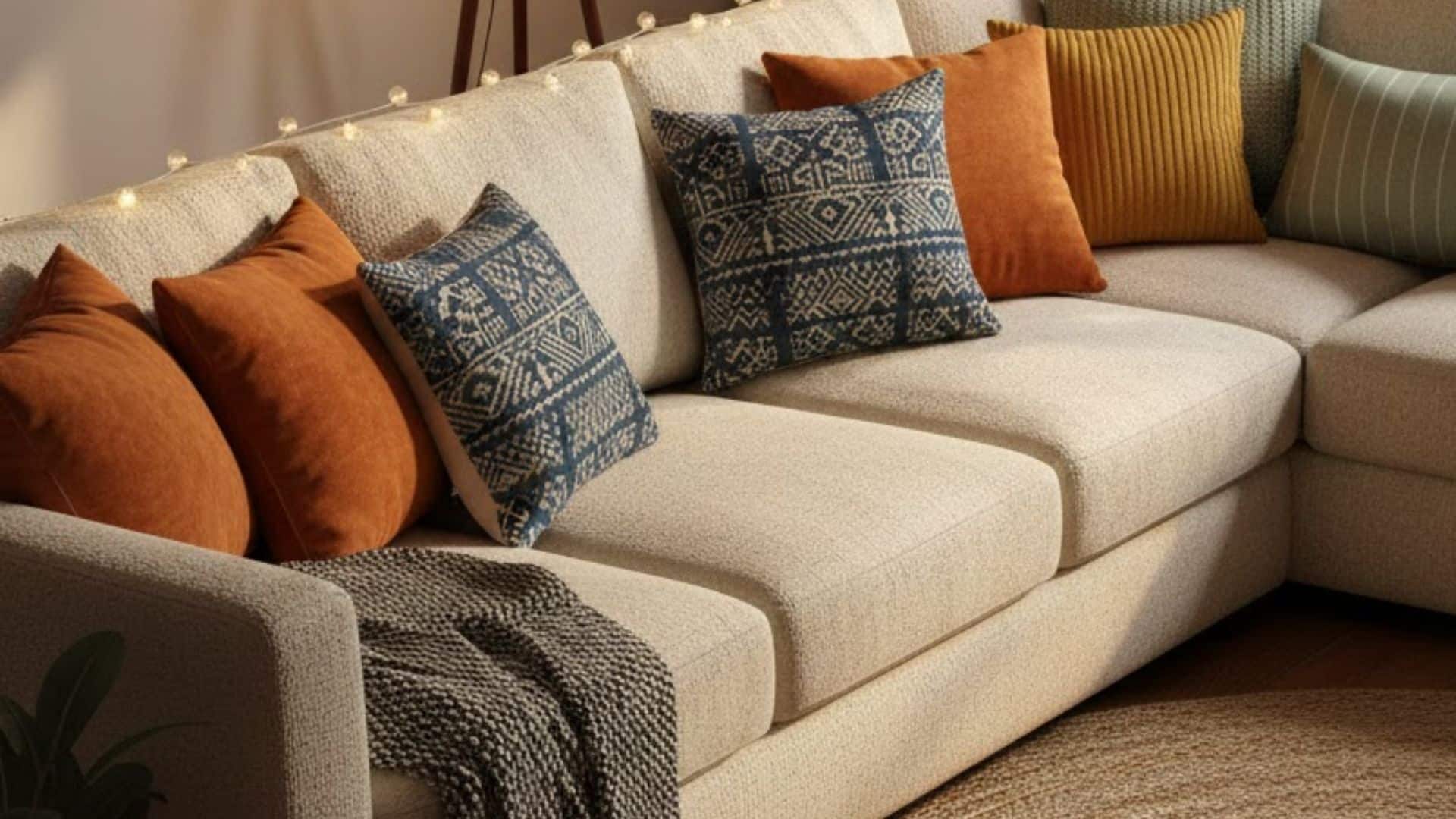
Square pillows are the most popular choice for decorating your home. They work on almost any piece of furniture you own. Here are the five main sizes you’ll encounter:
- 16 × 16 inches: This is the smallest square size I recommend for decorating. It works perfectly on small sofas and accent chairs.
- 18 × 18 inches: This is my go-to size for most spaces. You can use it on sofas, beds, and larger armchairs.
- 20 × 20 inches: This size makes a nice statement without overwhelming your furniture. It’s great for sectionals and king-sized beds.
- 22 × 22 inches: This is the largest common square pillow size. I love using it on big sectionals or as a back layer on beds.
- 24 × 24 inches: This oversized square is best reserved for large sectionals and king beds. It can look overpowering on anything smaller, but on a deep-seated sectional it fills out the space beautifully.
Each size serves a different purpose in your space. Pick the one that fits your furniture best.
2. Rectangular and Lumbar Pillow Sizes
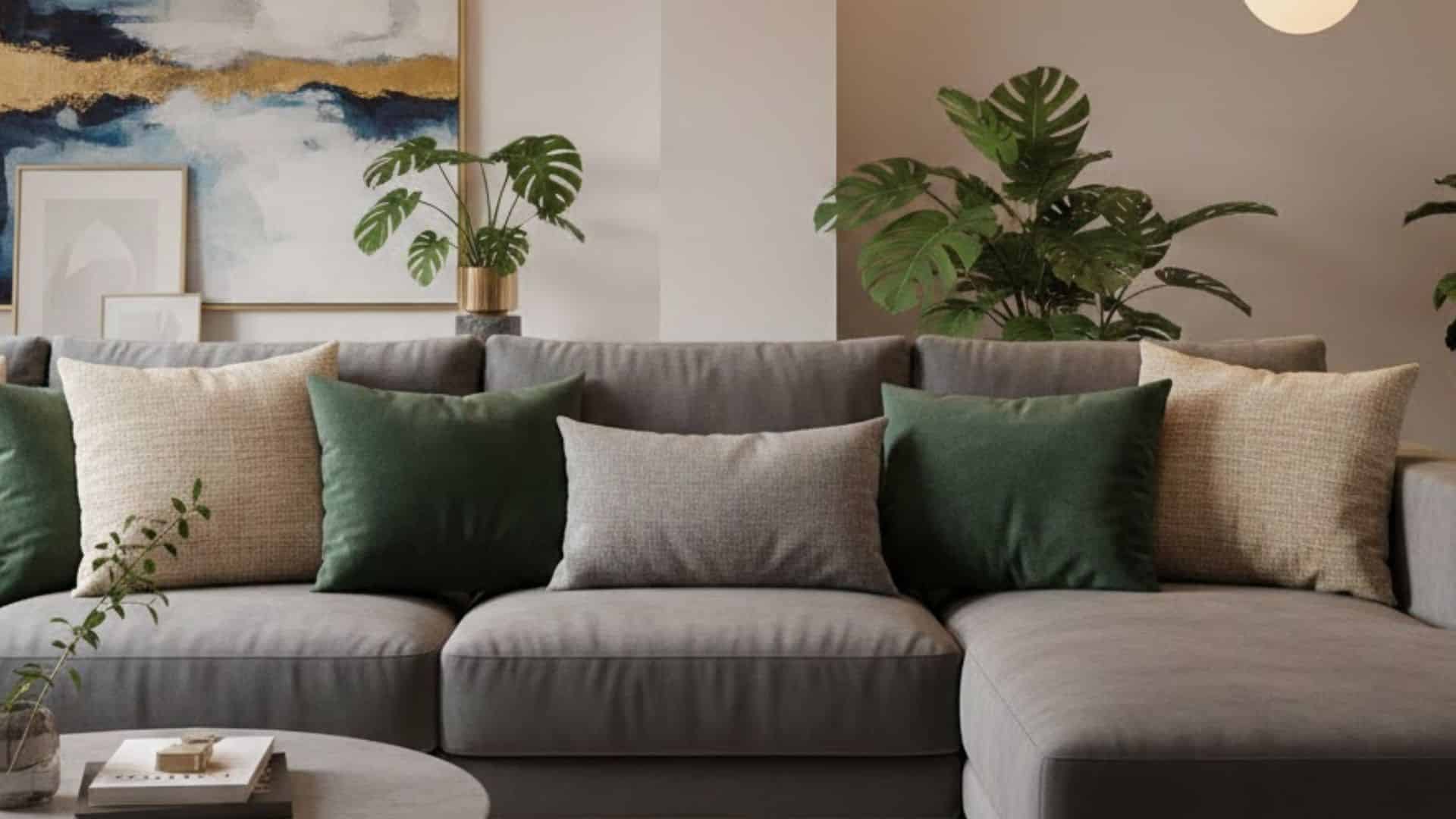
Rectangular pillows are longer and narrower than square ones. They’re perfect for lumbar back support while adding style to your furniture. These are the standard lumbar sizes:
- 12 × 20 inches: This compact lumbar size fits perfectly in the curve of your lower back. It’s ideal for desk chairs and small sofas.
- 14 × 22 inches: This is the most popular lumbar pillow size you’ll find. It provides great back support while looking stylish on any couch.
- 16 × 26 inches: This longer lumbar pillow spans nicely across your sofa cushions. I use this size when I want extra coverage and support.
Lumbar pillows are both functional and decorative. They complete your pillow collection with a variety of shapes.
3. Round Decorative Pillow Sizes
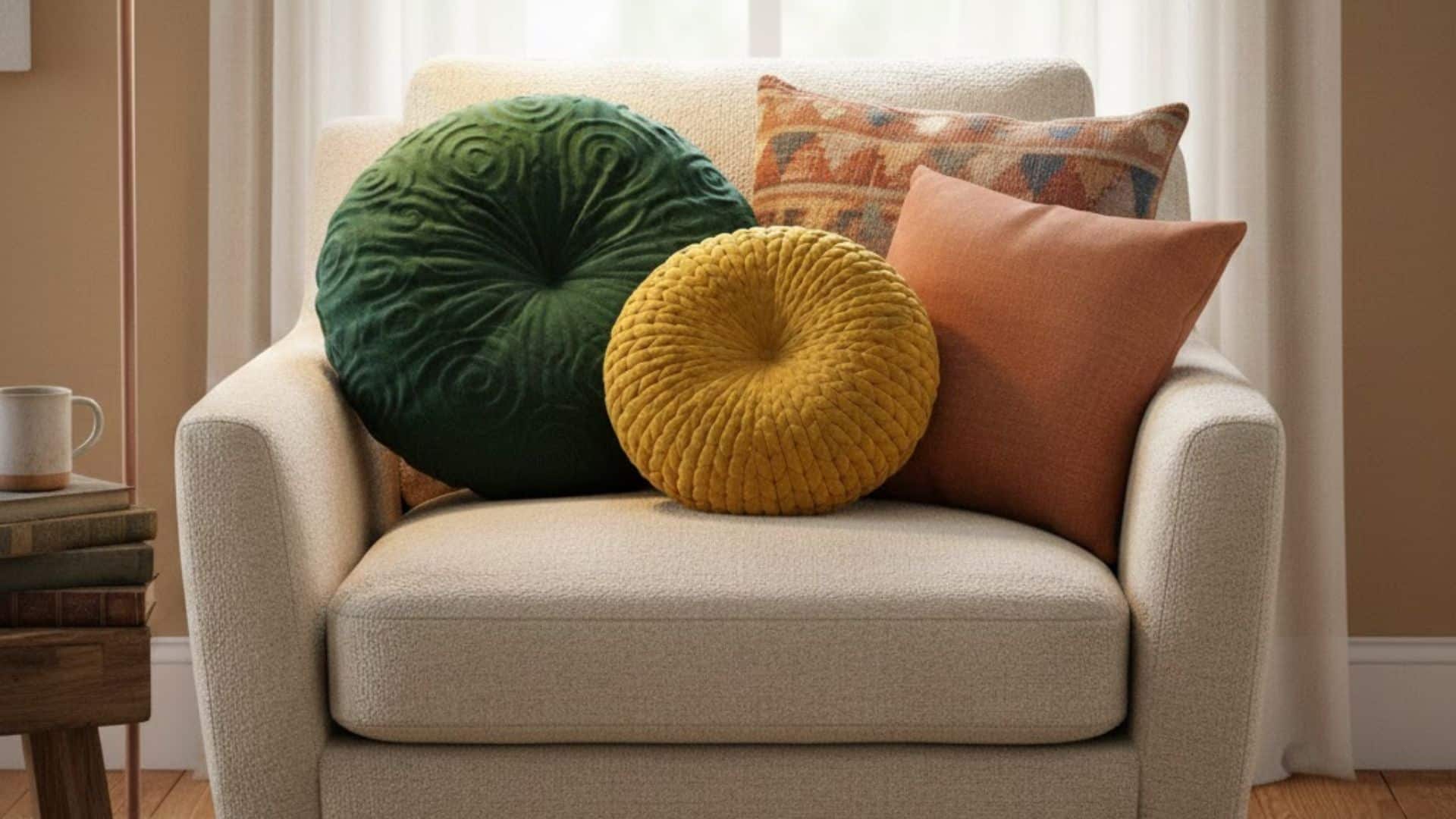
Round pillows add a softer look to your furniture. They create an interesting contrast when mixed with square and rectangular pillows. You’ll typically find these two size ranges:
- 12–14-inch diameter: These smaller round pillows add a cute accent without taking much space. They’re perfect for mixing with square pillows on chairs.
- 16–18-inch diameter: This larger round size makes more of a statement on your furniture. I like using it as a focal point among other pillow shapes.
Round pillows aren’t essential, but they’re fun to use. They give your space a more playful and unique touch.
4. Bolster Throw Pillow Sizes
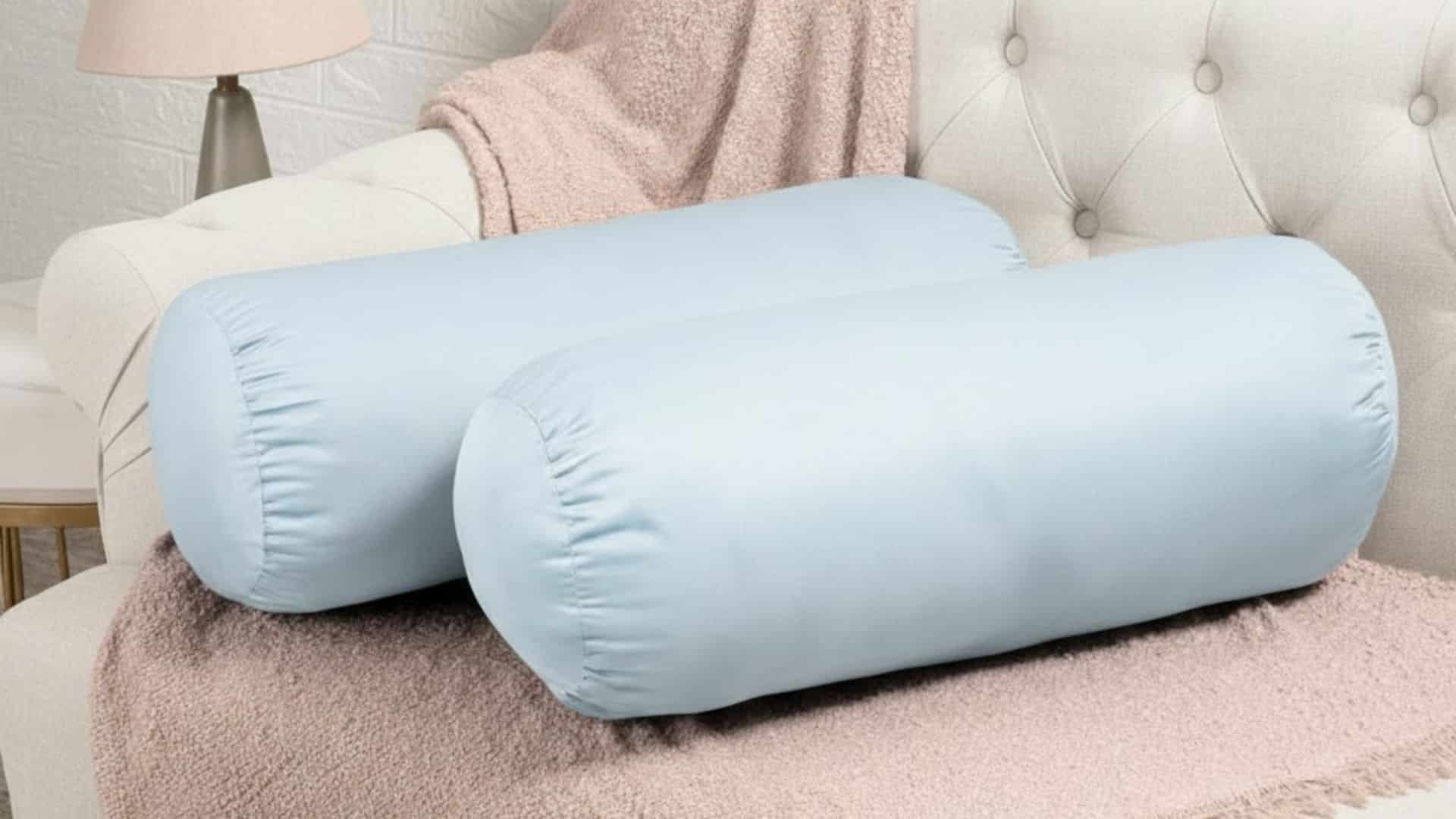
Bolster pillows are cylinder-shaped and sit differently from other pillows. Their cylindrical pillow support is what makes them useful for both armrests and edge positioning on beds. Here are the three common bolster sizes:
- 6 × 18 inches: This slim bolster works well as an armrest on sofas and chairs. It’s also great for adding subtle support along the edge of your bed.
- 8 × 20 inches: This is the most versatile bolster size for everyday use. It provides good lumbar support and looks balanced on most furniture pieces.
- 10 × 24 inches: This larger bolster makes a bold statement on beds and sectionals. I use this size when I want extra cushioning and visual impact.
Bolsters are the most unique pillow shape you can buy. They bring dimension and practicality to any room.
Mixing and Layering Decorative Pillow Sizes
Mixing different pillow sizes creates depth and visual interest in your space. Using just one size can look flat and boring. Here are the size combinations that work best together:
- Large squares with smaller squares: Place 20 × 20 or 22 × 22 inch pillows in the back. Then add 16 × 16 or 18 × 18 inch pillows in front for a layered look.
- Square with lumbar: Start with two square pillows as your base layer. Then place a lumbar pillow horizontally in front to complete the arrangement.
- Symmetrical layouts: Use matching pillow sizes on both ends of your sofa or bed. This creates a balanced and formal look that works in traditional spaces.
- Casual layouts: Mix different sizes in an uneven number, like three or five pillows. This gives you a relaxed and collected-over-time feel that looks less staged.
I find that mixing sizes makes any room feel more put together. The key is keeping some consistency in color or pattern so everything still looks intentional.
One rule that overrides everything else: if there isn’t comfortable room to actually sit or use the furniture, remove pillows until there is. A well-styled arrangement that can’t be used isn’t well-styled.
I learned this the hard way after staging a sectional with seven pillows for a product shoot. The photos looked great, but every person who sat on it immediately moved half of them to the floor.
How to Choose the Right Decorative Pillow Size?
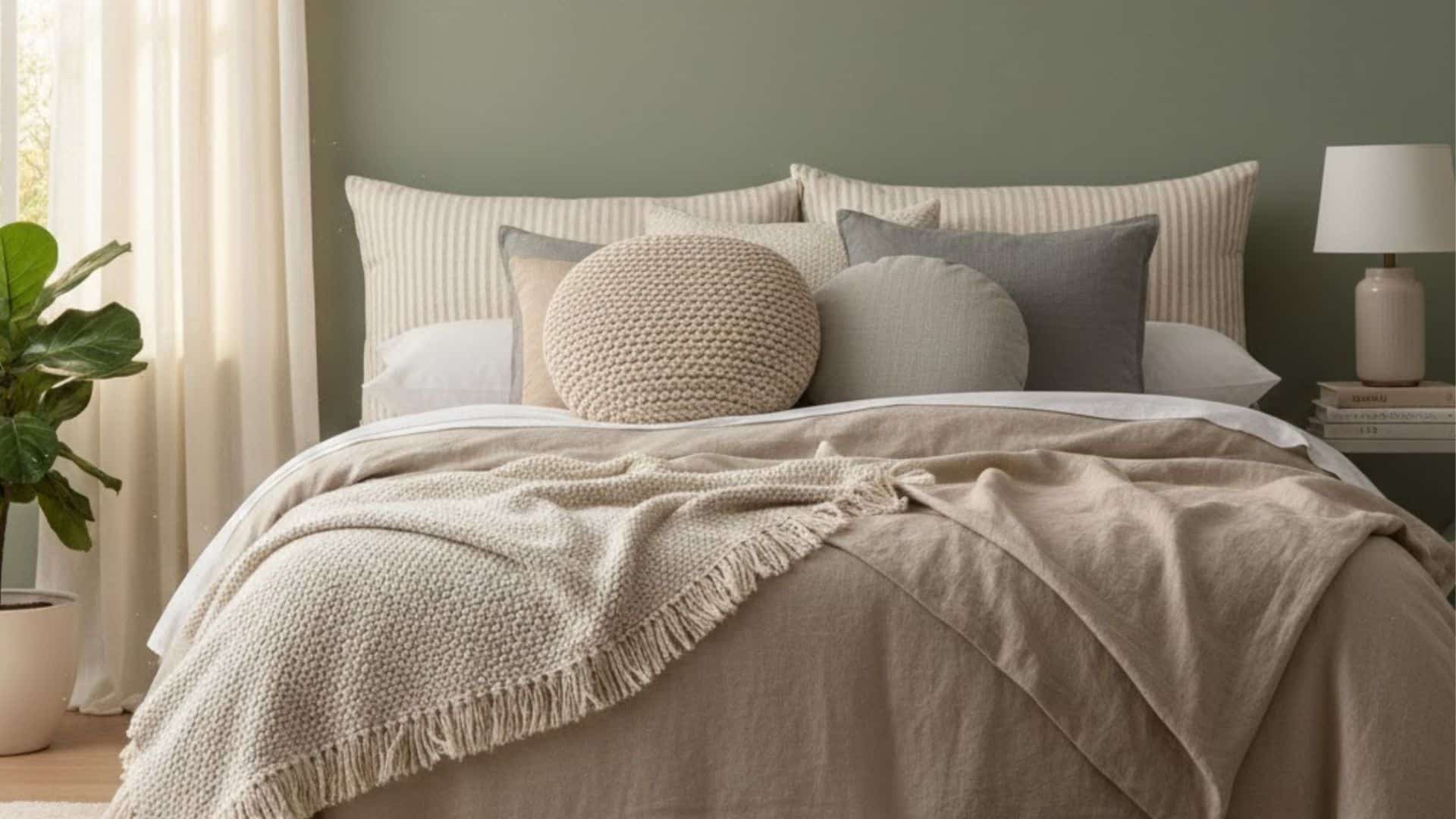
I’ve learned that picking the right pillow size isn’t just about what looks pretty. Your furniture size and room layout should guide your choices for the best results:
The Formula for Getting Sofa Pillow Size Right
Most people pick pillow sizes by eye and end up second-guessing themselves at the store. There’s a more reliable method: measure your sofa’s inside seat height (the distance from the seat cushion to the top of the back cushion or sofa back). Then add 3 inches to get your smallest appropriate pillow size, and add 7 inches to get your largest. Your ideal pillow size lives in that range.
For example, if your sofa has a 14-inch inside seat height, your ideal pillow range is 17 to 21 inches square. That’s why 18 × 18 and 20 × 20 are the most universally recommended sizes: most sofas have a seat height in that 11–15 inch range.
If your sofa has a high back, cap the pillow size at 24 × 24 regardless of the formula result, or the pillows will disappear visually behind the back cushions.
1. Choosing Pillow Sizes for Sofas
Sofa width also matters as much as seat height. Small sofas measure under 72 inches wide, standard sofas fall between 72 and 96 inches, and anything wider counts as large or sectional territory. Each width range has a different sweet spot for pillow count and size. Here’s what works best for different sofa types:
| Sofa Type | Recommended Pillow Size | Why This Size Works |
|---|---|---|
| Small sofas | 16 × 16 or 18 × 18 inches | Anything larger will overwhelm the space and make your sofa look crowded |
| Large sofas | 18 × 18 or 20 × 20 inches | There’s more room to play with bigger sizes here |
| Sectionals and deep seating | 20 × 20 or 22 × 22 inches | Deep seats can handle larger pillows without looking stuffed |
Getting the proportions right makes your sofa look balanced and inviting. Measure both the inside seat height and the total sofa width before you shop to avoid buying pillows that don’t fit.
2. Choosing Pillow Sizes for Beds
Beds have more space for decorative pillows than other furniture. The number and size of pillows depend on your mattress width. Here’s a guide for different bed sizes:
| Bed Size | Recommended Pillow Size | Number of Pillows |
|---|---|---|
| Twin and full beds | 16 × 16 or 18 × 18 inches | One or two pillows max |
| Queen beds | 18 × 18 or 20 × 20 inches | Two pillows or one large pillow |
| King beds | 20 × 20 or 22 × 22 inches | Two pillows for a layered look |
For a truly finished bed look, think in layers front to back: euro shams (26 × 26) upright at the back, sleeping pillows in front of those, then two or three decorative pillows at the front edge. On a king bed, there are several king bed arrangements that use this layered formula to great effect.
Your bed should look full but not cluttered with pillows. Remember that these pillows need to be moved every night.
3. Choosing Pillow Sizes for Chairs and Benches
Chairs and benches need smaller pillows than sofas and beds. One pillow is usually enough for most seating pieces. Here’s what works for different chair types:
| Furniture Type | Recommended Pillow Size | Placement Tips |
|---|---|---|
| Accent chairs | 16 × 16 or 18 × 18 inches | One pillow that supports your back without taking over the seat |
| Window seats | 18 × 18 inches | One or two pillows, depending on the length |
| Entry benches | 14 × 22 inches lumbar | Place horizontally for back support while keeping the bench functional |
Less is more when decorating smaller furniture pieces. One well-chosen pillow makes a bigger impact than several cramped ones.
Pillow Sizing Mistakes You Should Skip
Even with the best intentions, it’s easy to make sizing mistakes with decorative pillows. Knowing what doesn’t work helps you avoid wasting money on pillows that won’t look right. Here are the most common pillow sizing mistakes people make:
- Pillows that are too small: Tiny pillows get lost on large furniture and look out of proportion. They make your sofa or bed appear bigger and emptier than it actually is.
- Overcrowding furniture: Cramming too many pillows onto your couch leaves no room to sit. Your furniture should still be functional and welcoming for actual use.
- Using one size only: All matching pillows create a flat and boring look without dimension. Variety in sizes makes your arrangement more dynamic and interesting.
- Ignoring furniture depth: Shallow sofas can’t support deep or oversized pillows comfortably. The pillows will push forward and fall off, or make sitting awkward.
I’ve made most of these mistakes myself when starting out. Learning from them has helped me create pillow arrangements that actually work in real life.
Frequently Asked Questions
What size pillow works best for a recliner?
A 16 x 16 inch pillow or a small lumbar pillow usually works best for a recliner. It should support your lower back without pushing you too far forward. Avoid oversized pillows because they can make the seat feel cramped.
Can I use outdoor pillows indoors?
Yes, outdoor pillows can be used indoors if the fabric feels comfortable and matches your room style. They are usually durable, easy to clean, and moisture-resistant. However, some outdoor fabrics may feel stiffer than regular indoor pillow covers.
What pillow size is best for floor seating?
For floor seating, larger pillows usually work better. Try 22 x 22 or 24 x 24 inch pillows for lounging, reading, or casual seating. Choose firm inserts so the pillows hold shape and provide enough support when used on the floor.
Should all pillows on a couch match?
No, couch pillows do not all need to match. A better look often comes from mixing sizes, textures, and patterns while keeping one shared color. This makes the sofa feel styled without looking too flat or overly matched.
What size pillow cover should I buy?
Buy the pillow cover based on your insert size and desired fullness. For a plump look, choose a cover 1 to 2 inches smaller than the insert. For a softer casual look, match the cover and insert size exactly.
Are down inserts better for throw pillows?
Down inserts usually look softer, fuller, and easier to fluff than basic polyester inserts. They work well for decorative styling, especially on sofas and beds. Down-alternative inserts are a good choice if you want a similar look without feathers.
How do I store seasonal pillows?
Store seasonal pillows in a clean, dry bin, fabric bag, or closet shelf. Wash or spot-clean covers first, then let them dry fully. Avoid damp storage areas because moisture can cause odors, mildew, or fabric damage over time.
What pillow size works for outdoor benches?
Outdoor benches usually look good with one long lumbar pillow or two 18 x 18 inch pillows. For longer benches, use a 14 x 36-inch lumbar. Choose weather-safe fabric so the pillows handle sun, moisture, and regular use.
Final Thoughts
I’ve covered everything you need to know about decorative pillow sizes for your home. You now understand which sizes work best on sofas, beds, chairs, and benches without guessing.
Mixing different decorative pillow sizes doesn’t have to look messy or too perfect anymore. The right size makes your furniture feel complete and inviting, rather than empty or overcrowded.
Measure your furniture before shopping so you avoid buying pillows that don’t fit right. Bigger pillows aren’t always the answer, and sometimes smaller ones create exactly the look you want.
Go change your home with the perfect decorative pillow sizes and share your results in the comments below.