

Shopping for sheets can feel overwhelming when you see “Egyptian cotton” labels everywhere with higher price tags. You might think about what makes this cotton different from the regular kind sitting right next to it.
I used to skip Egyptian cotton products because I didn’t understand what made them special or worth the extra money. Learning what Egyptian cotton is has completely changed how I shop for bedding and other fabrics.
The truth is that Egyptian cotton isn’t just fancy marketing talk designed to empty your wallet. It’s a real type of cotton with specific qualities that set it apart from standard options.
Let me break down everything about Egyptian cotton in simple terms you can actually use.
What is Egyptian Cotton?
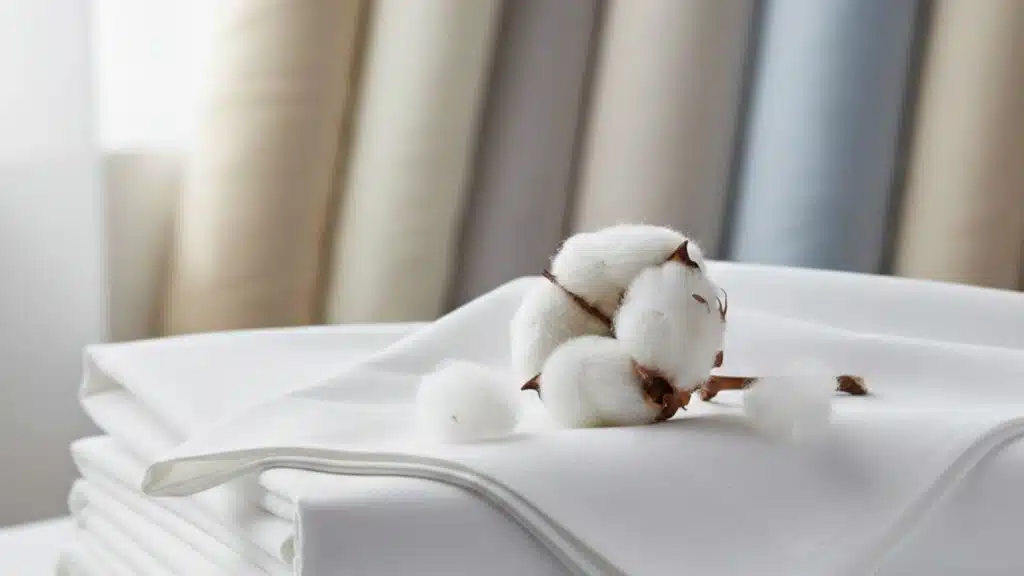
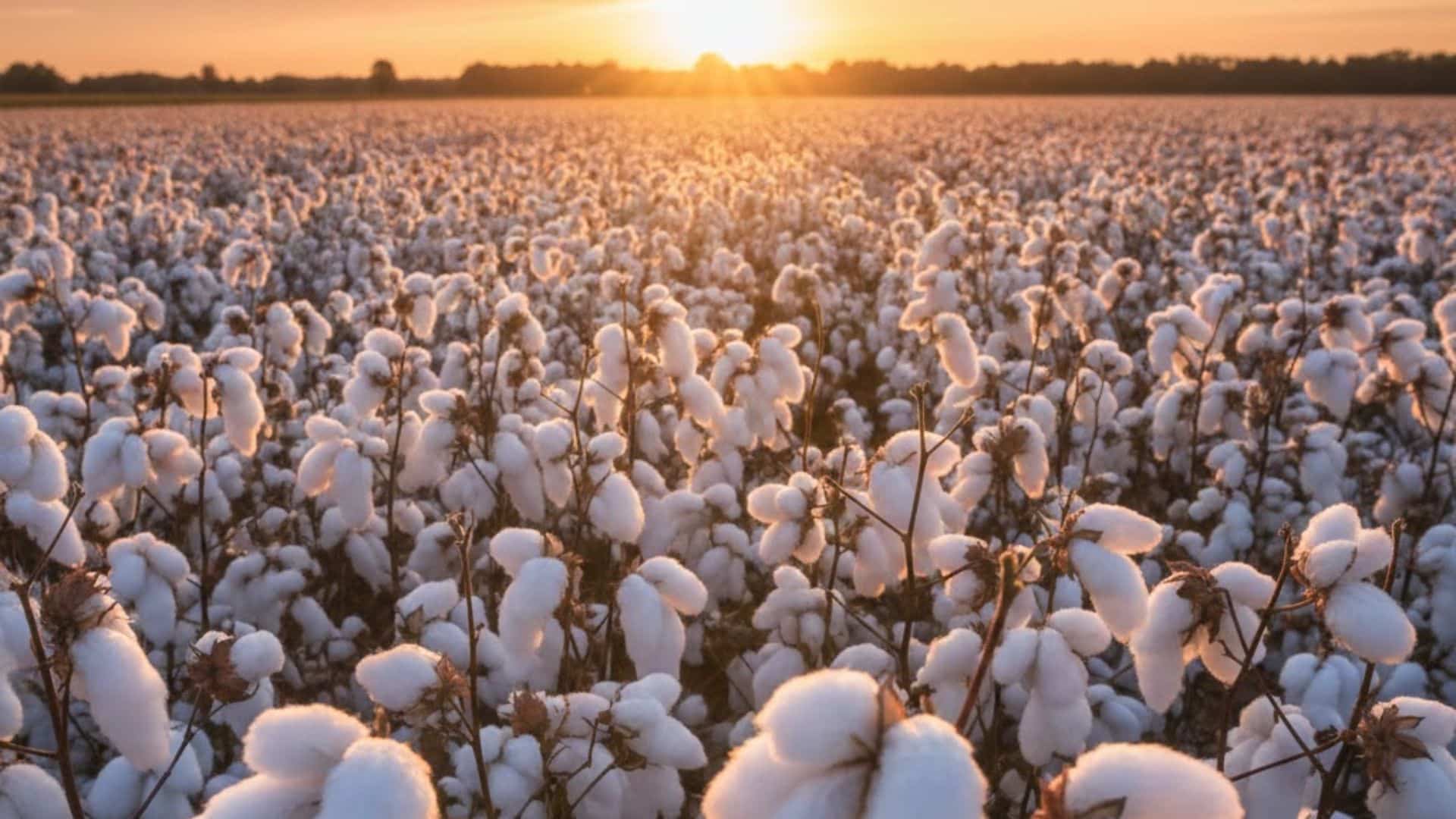
Egyptian cotton is a special type of cotton that comes from Egypt. It’s grown along the Nile River, where the climate and soil create perfect growing conditions.
This isn’t just marketing hype; the location really does matter for cotton quality. I’ve learned that Egyptian cotton has longer fibers than regular cotton you find in most stores.
Regular cotton has shorter fibers with different textures and structures. When you touch Egyptian cotton, you can actually feel the difference right away.
The Nile River region provides unique weather patterns and rich soil for growing this cotton. Egyptian cotton plants grow differently from standard cotton plants in other parts of the world. That’s why it has its own name and reputation in the bedding industry.
Technically, the term refers specifically to extra-long staple (ELS) cotton grown in the Nile Delta. Not all cotton grown in Egypt qualifies as true Egyptian cotton. The fiber must meet a minimum staple length threshold to earn the designation, which is why the Cotton Egypt Association exists to certify and track production from farm to finished product.
What Makes Egyptian Cotton Different?
I’ve found that Egyptian cotton stands apart from regular cotton because of how it’s grown and processed. Understanding these key differences helps me explain why it costs more and performs better. Here’s what sets Egyptian cotton apart from other types:
1. Extra-Long Staple Fibers
Staple length refers to how long each individual cotton fiber is before it gets spun into thread. Egyptian cotton fibers measure longer than most other cotton varieties you’ll find in stores today.
These longer fibers create a smoother surface because there are fewer fiber ends poking out. The increased length also makes the fabric stronger, as the fibers weave together more securely.
When I compare Egyptian cotton to regular cotton, the difference in fiber length is what matters most.
2. Hand-Picked Harvesting
Egyptian cotton is picked by hand rather than pulled and damaged by machines. Hand-picking keeps each fiber intact and prevents the breaking that happens with mechanical harvesting methods.
Broken fibers create weak spots in the fabric and make the surface feel rougher over time. When fibers stay whole during harvesting, the final fabric holds up better through years of washing.
This careful harvesting process adds cost but protects the quality that makes Egyptian cotton valuable.
3. Finer and Stronger Threads
The quality of Egyptian cotton fibers allows manufacturers to spin them into finer threads than regular cotton. These finer threads pack more tightly together, creating a smooth fabric that doesn’t feel heavy or bulky.
Despite being thinner, the threads are actually stronger because of the long, unbroken fibers inside them.
This combination of fineness and strength is what gives Egyptian cotton its signature feel against your skin. Regular cotton can’t achieve this same balance of delicacy and durability in the final product.
4. Weave Type: How It Affects What You Actually Feel
One thing the basic Egyptian cotton conversation almost always skips is weave type, which makes a bigger practical difference than most people realize. The same Egyptian cotton fiber can produce sheets that feel completely different depending on how they are woven.
The two most common options are sateen and percale weaves. Sateen uses a four-over, one-under pattern that creates a smooth, slightly lustrous surface. It drapes closer to the body and feels silky rather than crisp, better for cooler sleepers or colder months.
Percale uses a one-over, one-under weave that produces a matte, crisp finish with more breathability, making it the better choice for warm sleepers or hot climates
When I reviewed sheet sets for the site, this was the single most common source of disappointment I saw in reader feedback.
Someone buys Egyptian cotton expecting luxury, but they get a percale weave when they wanted something silky, or sateen when they run hot. The cotton quality is excellent either way. The weave just determines which kind of excellence you get
Is Egyptian Cotton Good?
Yes, Egyptian cotton is genuinely good, but it’s not necessary for everyone in every situation. I’ve seen it work best for people who want their bedding to last years without losing softness.
Before you shop, it also helps to know exactly what size you need. Checking a bed sheet size guide beforehand saves you from ordering the wrong fit, especially since Egyptian cotton sets tend to have specific pocket depths that vary by brand.
The durability means you won’t replace them as often as cheaper options on the market. However, if you’re on a tight budget or like changing your bedding style often, it might not be worth it.
I wouldn’t buy Egyptian cotton for guest rooms or kids’ beds that face heavy wear. Save it for your own bed where you’ll appreciate the difference every single night.
Benefits of Egyptian Cotton
The benefits of Egyptian cotton all trace back to its superior fiber quality and structure. Here are the main benefits Egyptian cotton offers:
- Softer feel against the skin: The long fibers create a smooth surface with fewer rough ends poking through the fabric.
- Better breathability: Egyptian cotton allows more air to flow through because of its natural fiber structure and weave.
- Long-lasting durability: The strong, unbroken fibers resist wear and tear even after hundreds of wash cycles over the years.
- Improved resistance to pilling: Longer fibers are less likely to ball up and create those annoying little fabric pills.
- Gets softer over time with washing: Unlike regular cotton that gets rough, Egyptian cotton actually improves with each wash cycle.
- Holds dye well: The fiber structure absorbs color more deeply and evenly than regular cotton, which means colors stay richer for longer, a real advantage if you care about your bedroom color choices staying consistent after repeated washing.
I’ve personally experienced these benefits in my own bedding over the years. Once you try genuine Egyptian cotton, it’s hard to go back to anything else.
Egyptian Cotton vs. Other Types of Cotton
I know that understanding how Egyptian cotton compares to other cotton types helps you make a smarter buying decision. Each cotton variety has its own characteristics that affect quality, feel, and price. Here’s how Egyptian cotton stacks up against other popular cotton types:
| Cotton Type | Fiber Length | Texture | Durability | Key Differences | Price Range |
|---|---|---|---|---|---|
| Egyptian Cotton | Extra-long staple fibers | Exceptionally smooth and soft | Extremely durable, lasts for years | Grown in Egypt along the Nile River | Highest |
| Regular Cotton | Short to medium staple fibers | Rougher feel with more fiber ends | Less durable, wears out faster | Mass-produced in various locations worldwide | Lowest |
| Pima Cotton | Long staple fibers | Smooth and soft texture | Very durable and long-lasting | Grown mainly in the US, with a similar quality to Egyptian | Medium-high |
| Supima Cotton | Long staple fibers | Smooth with a luxurious feel | Highly durable and resistant to wear | American-grown Pima cotton with certification | High |
This comparison shows that Egyptian cotton sits at the top in terms of quality and price. Your choice depends on your budget and how much you value long-term comfort and durability.
How to Tell If Egyptian Cotton Is Real?
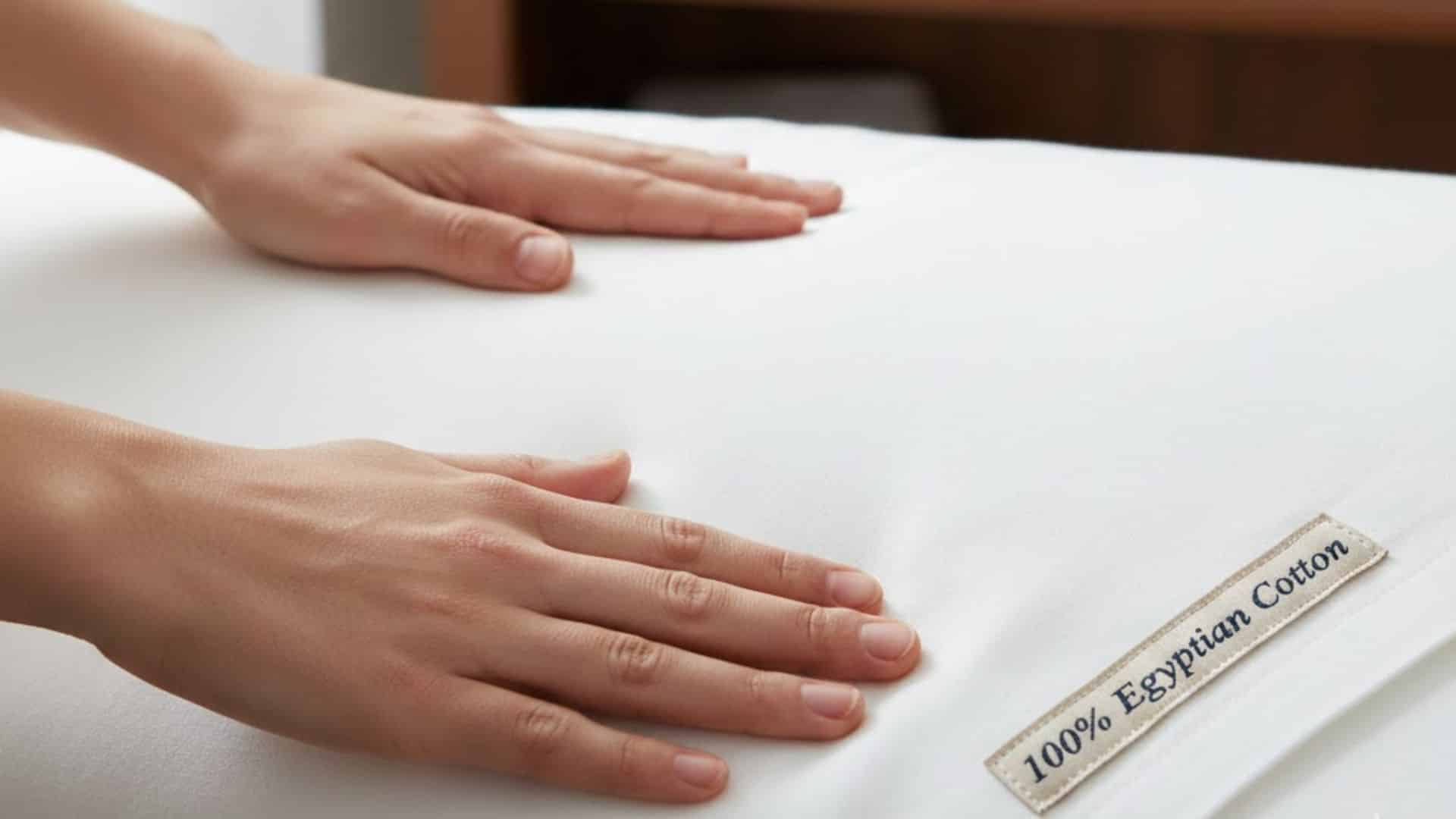
This section matters more than most buyers realize. The Cotton Egypt Association has estimated that around 90% of products sold globally as Egyptian cotton are counterfeit or blended with inferior fibers. In 2016, a major US retailer ended its contract with a large textile supplier after discovering that approximately 750,000 sheet sets sold under the Egyptian cotton label contained no genuine Egyptian cotton at all. The label is not a reliable signal by itself.
I’ve seen plenty of products claim to be Egyptian cotton when they’re actually not genuine at all. Many labels use phrases like “Egyptian-style” or “Egyptian quality” to confuse you into thinking it’s real.
Real Egyptian cotton should clearly state “100% Egyptian cotton” or “Made in Egypt” on the tag. Look for certification marks from the Cotton Egypt Association, which uses DNA testing to verify that fibers genuinely originate from the Nile Delta.
Brands that carry this certification show the CEA Pyramid Mark on the product. If a brand doesn’t display this mark anywhere on the label or product page, the Egyptian cotton claim is unverified marketing.
Check the thread count as well, as genuine Egyptian cotton typically ranges from 300 to 800. The sweet spot for single-ply Egyptian cotton is 300 to 600. Anything claiming a thread count above 800 or 1,000 almost certainly uses multi-ply threads, meaning two or more thinner threads twisted together and counted as one. This inflates the number without improving the fabric.
I always feel the fabric before buying because real Egyptian cotton has a distinct, smooth texture. If the price seems too good to be true, it probably is fake or blended material. Certified Egyptian cotton queen-size sheets typically start around $60 from verified brands and can run $200 to $300 for premium options. A $30 “Egyptian cotton” set on a marketplace site is almost certainly not genuine.
Common Uses of Egyptian Cotton
I’ve noticed that Egyptian cotton shows up in several different products beyond just bed sheets. Here’s where you’ll typically find Egyptian cotton being used:
- Bed sheets: This is the most popular use for Egyptian cotton because people spend hours every night against their sheets. If you are buying for a queen bed, knowing the exact queen sheet dimensions helps you match pocket depth to your mattress before ordering.
- Pillowcases: Egyptian cotton pillowcases feel gentle against your face and hair throughout the night, reducing friction. If you are unsure which size you need, a pillowcase fabric and fit guide covers the standard, queen, and king options and how each holds up in different materials.
- Towels: High-quality Egyptian cotton towels absorb water quickly while remaining soft and plush. Because the long fibers create more surface area in the pile, they tend to be more absorbent than shorter-staple alternatives. If you are deciding between sizes, the differences between bath sheets vs towels also come down to fiber quality and how each wraps differently.
- Clothing and luxury fabrics: Designers use Egyptian cotton for high-end shirts, dresses, and other garments that come into direct contact with the skin.
I’ve invested in Egyptian cotton products across all these categories over time. The quality difference is noticeable in every single item, especially compared to standard cotton alternatives.
How to Care for Egyptian Cotton?
Proper care makes a huge difference in how long Egyptian cotton products last. Here’s how to maintain your Egyptian cotton items properly:
- Wash in cool or warm water: Hot water can damage the long fibers and cause shrinkage over time in Egyptian cotton fabrics.
- Use mild detergent without bleach: Harsh chemicals break down the natural fibers and strip away the softness that makes Egyptian cotton special.
- Tumble dry on low heat or air dry: High heat weakens the fibers and can cause your sheets or towels to lose their strength.
- Skip fabric softener: Egyptian cotton naturally softens with each wash, so fabric softener just leaves residue that reduces absorbency.
- Wash before first use: New Egyptian cotton sheets often have a finishing treatment applied during manufacturing. Washing them once before putting them on the bed removes this treatment and lets the natural softness of the fiber come through right away.
- Wash separately from items with zippers or velcro: These can snag the fabric and cause surface damage that mimics pilling, even on high-quality sheets.
I follow these care instructions religiously with my own Egyptian cotton bedding and towels. They’ve stayed soft and strong for years, proving that proper care really does pay off.
Final Words
I’ve covered everything about what Egyptian cotton is and why it stands out in the bedding industry. You now know how the long fibers, hand-picking methods, and Nile River conditions make this cotton genuinely special.
Understanding what Egyptian cotton is helps you decide if the price tag matches your personal needs and budget. You can spot fake products by reading labels closely and testing the fabric with your hands.
I think Egyptian cotton suits people who want bedding that improves with time instead of wearing out quickly. Armed with this knowledge, you can shop smarter and invest in products you’ll genuinely love using.
Tell me about your experience with Egyptian cotton in the comments below.