
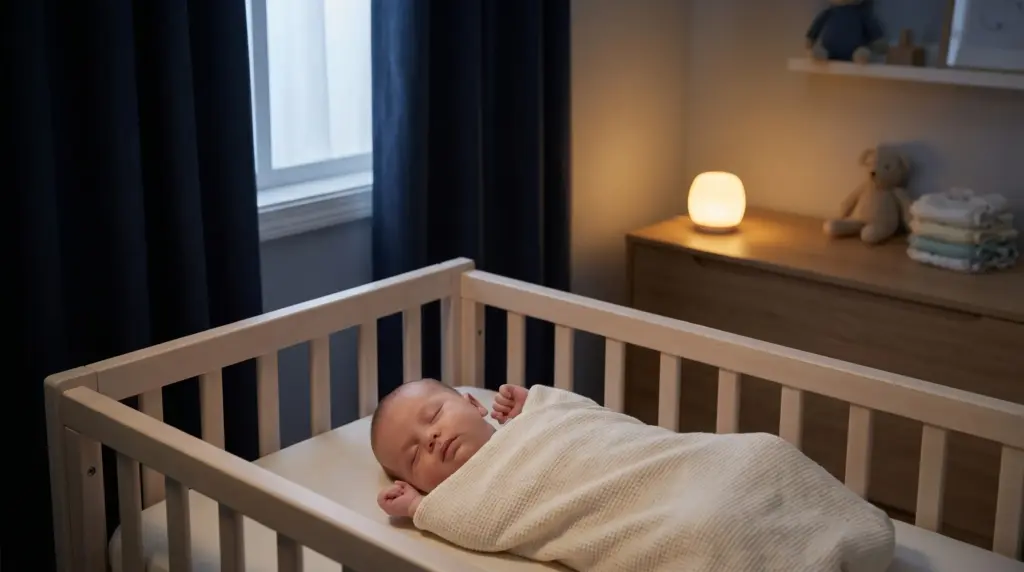
Newborn sleep deprivation hits differently than people expect. It is not just tiredness. It is the kind of cumulative fatigue that makes simple decisions feel difficult and short fuses feel permanent. Most parents assume the answer is finding the right trick or waiting it out. What actually moves the needle is understanding the biology driving the problem, because infant sleep follows patterns that can be worked with once you know what they are.
Baby sleep architecture is nothing like adult sleep. Newborns cycle through REM far more frequently, and those lighter phases are where most nighttime waking happens. Their circadian rhythms take weeks to establish from scratch, since cortisol and melatonin production are both erratic in the early period. A six-week-old who has no apparent concept of day or night is not confused or difficult. Their internal clock simply has not calibrated yet, and no amount of intervention will rush that particular timeline.
Once the biology starts to settle, usually somewhere around the three to four month mark, routine and environment start doing real work. For parents who want a more structured approach to that phase,Smart Sleep Coach by Pampers provides personalized sleep plans tailored to a baby’s age, weight, and current patterns. Built on evidence-based sleep science and backed by a brand parents have trusted through every stage of infant care, it takes the trial-and-error out of a stage when most parents have very little energy to spare for guessing.
Why Routine Matters More Than Timing
Chasing a specific bedtime clock is less useful than building the cues that reliably signal sleep is coming. Parents who focus too heavily on the hour and not enough on the sequence end up in a nightly battle that shifts depending on nap timing, feeding windows, and how overtired the baby is. A consistent pre-sleep routine sidesteps most of that friction.
The routine does not need to be long or complicated. Warm bath, feed, a few minutes of calm contact, then down in the crib: what matters is doing it in the same order every night. Each step starts functioning as a cue, and within a few weeks the nervous system begins responding to those cues before the baby even reaches the crib. Three to four months is typically when this starts producing reliable results, but even younger babies benefit from the consistency even if the payoff takes longer to show up.
Building a Sleep Environment That Does Some of the Work for You
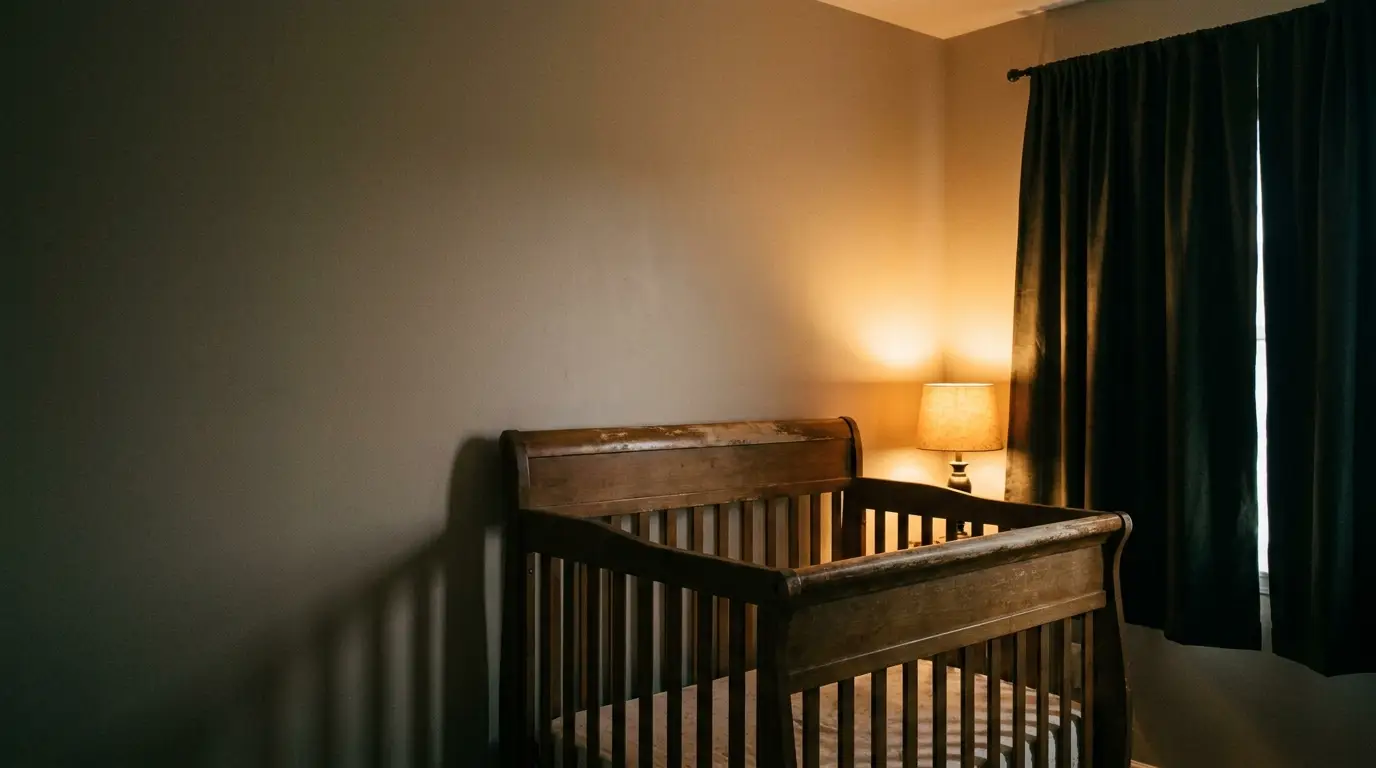
Temperature is the factor parents most often overlook. Somewhere between 68 and 72 degrees Fahrenheit is where most infants sleep most soundly. Too warm means more frequent waking and lighter sleep cycles. Too cool means discomfort that pulls them out of deeper phases earlier than they would otherwise leave.
Light becomes a bigger issue than most people expect once babies hit two to three months. That is when light exposure starts feeding directly into circadian rhythm regulation, and a room that gets morning light early can push wake windows earlier than parents want. Blackout curtains are cheap and make a noticeable difference. White noise is worth adding if the household gets loud during sleep windows: it does not sedate babies, but it buffers the sudden sounds that trigger startle responses and cut sleep cycles short.
The Feed-to-Sleep Association and How to Loosen It
Most babies develop a strong association between feeding and falling asleep, which makes sense given that feeding and drowsiness overlap so naturally in the early weeks. The problem surfaces at night, when any partial waking triggers a hunger signal even if the baby is not actually hungry. They have learned that feeding is how sleep begins again, so that is what they reach for.
Shifting feeds earlier in the bedtime routine, so they are no longer the last thing that happens before the crib, gradually breaks that chain. It is a slow process and rarely linear, but it consistently produces longer independent sleep stretches over time. Expect a few rough nights while the association shifts rather than a smooth handover.
What Sleep Training Actually Involves
Sleep training has a reputation problem largely because several different methods get lumped under one label. The approaches with the strongest research backing involve graduated responses to nighttime crying rather than either extreme of responding immediately to every sound or leaving the baby completely to figure it out alone. Gradual extinction and the Ferber method both fall into this category and have been studied extensively, with no documented long-term effects on attachment when started at an appropriate age.
Age readiness matters considerably here. Starting before four months, when the sleep architecture has not yet matured enough to support longer consolidation, produces limited results and a lot of unnecessary stress. After that window opens, most families see meaningful change within a week to ten days of consistent application.
What Progress Looks Like When It Is Actually Happening
Most parents go into this expecting a clean before-and-after. The reality is messier: gradual improvement over two to four weeks, with setbacks during growth spurts, developmental leaps, and illness that feel like going back to square one but usually resolve faster than the original problem did. One rough night after two good ones is not evidence that nothing is working.
Tracking patterns over weeks rather than judging individual nights gives a much clearer picture. A baby who was waking five times a night at six weeks and is waking once at four months has come a long way, even when that single waking still feels significant in the moment.
The Night Bedtime Stops Feeling Like the Start of Something Hard
Getting a baby to sleep through the night is not really one thing. It is the overlap of a maturing nervous system, consistent environmental signals, a loosened feed-to-sleep dependency, and whatever sleep training approach fits the family. None of those pieces work in isolation and none of them happen instantly. What they build toward, collectively, is a version of bedtime that does not carry dread: where the routine runs, the baby settles, and the rest of the night is genuinely yours.