

I remember standing in a bedding store, completely lost, staring at quilts and comforters side by side. If you have ever felt that same confusion, this is exactly what you need.
After years of testing and researching bedding, I finally cracked the quilt vs comforter debate, and I am here to make it simple for you. While both keep you warm, they differ in construction, thickness, warmth, and overall style in ways that genuinely affect your sleep.
Here, I will walk you through everything you need to know, from construction and warmth levels to care requirements and how to pick the right one for your sleep style.
What Is a Quilt?
A quilt is a type of bedding made from three layers: a top fabric, a middle layer of batting, and a bottom fabric. The batting is typically made of cotton, wool, or polyester, providing light insulation.
The top layer often features intricate designs such as patchwork or traditional patterns, making quilts a popular choice for those who value both function and visual appeal in their bedding.
Quilts are a versatile bedding option that can be used for layering or as a decorative element, making them a practical and stylish addition to any bedroom.
What Is a Comforter?
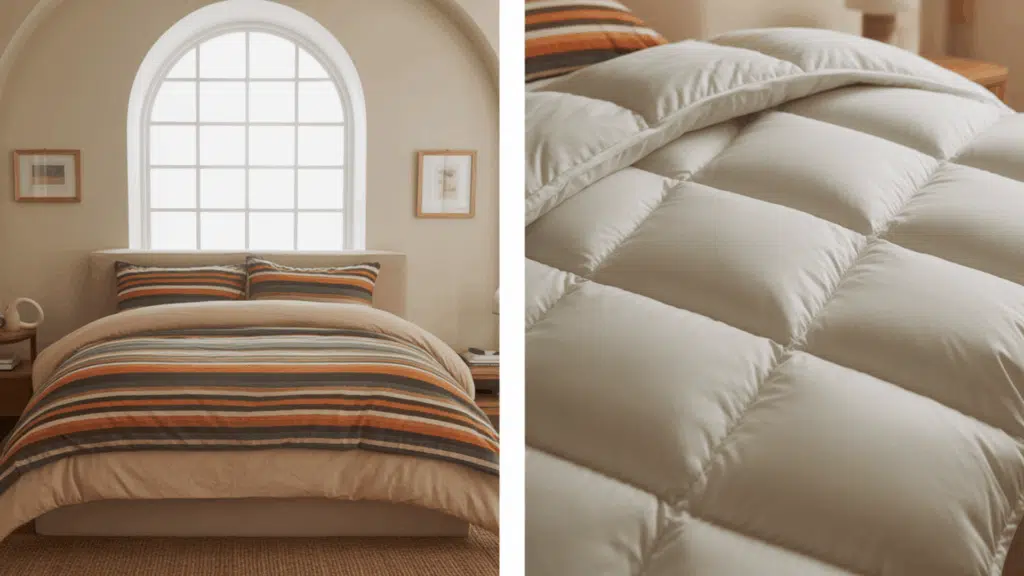
A comforter is a thick, fluffy bedding option typically filled with down or synthetic materials for insulation. Unlike quilts, comforters are usually a single piece designed to provide significant warmth and comfort.
The filling is evenly distributed throughout to avoid shifting, giving comforters their signature cozy and plush feel. This even distribution also helps maintain a consistent level of warmth across the entire surface of the bedding.
When choosing between a quilt and a comforter, a comforter is the go-to option for those who prefer a heavier, more enveloping sleep experience without the need for additional layers.
Quilt vs Comforter: Key Differences
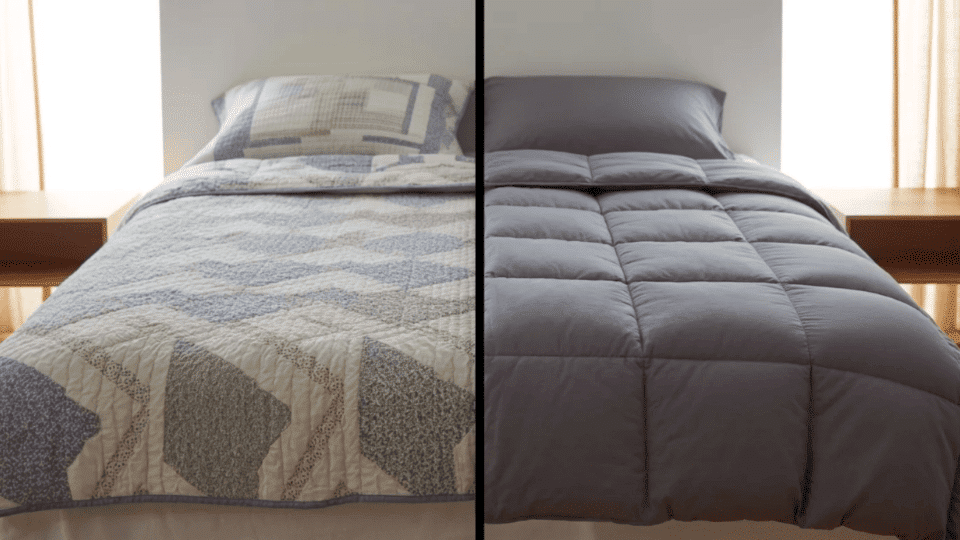
Understanding the difference between a quilt and a comforter goes beyond just looks. These bedding options vary in warmth, weight, construction, and usability.
1. Thickness and Loft
Quilts are designed with a thinner, flatter structure, offering a lightweight feel that doesn’t add bulk to your bed. They typically have minimal filling, making them ideal for those who prefer a more streamlined, breathable bedding option.
Comforters, in contrast, are much thicker and feature a high loft from their filled interiors, creating a soft, fluffy, and plush sleeping surface that feels warm and indulgent.
2. Warmth Level
Quilts provide light warmth, making them perfect for warmer climates or summer months when heavy bedding can feel uncomfortable. Their breathable construction allows heat to escape, helping regulate body temperature throughout the night.
Comforters are built for insulation, trapping body heat efficiently with their thicker fill. This makes them an excellent choice for colder seasons, air-conditioned rooms, or anyone who prefers a warmer, cozier sleep environment.
3. Weight
Quilts are lightweight and easy to handle, making them convenient for daily use and quick bed-making. Their airy design promotes better airflow, which helps keep you cool and comfortable during sleep.
Comforters, on the other hand, are heavier due to their dense filling. This added weight provides a snug, cocoon-like feeling that many people find comforting, especially during colder nights or when seeking a more enveloping sleep experience.
4. Construction Method
Quilts are crafted using three distinct layers: a decorative top fabric, a middle layer of batting, and a backing layer. These layers are stitched together, often in detailed patterns that enhance both durability and visual appeal.
Comforters are made as a single piece filled with down, feathers, or synthetic fibers. The filling is evenly distributed and secured with stitching to maintain consistent warmth and prevent clumping over time.
5. Design and Aesthetics
Quilts are often appreciated for their artistic and handcrafted appearance. They frequently feature patchwork, intricate stitching, and unique patterns that can add character and charm to your bedroom décor.
Comforters typically lean toward a simpler, more modern look, with solid colors or minimal designs. This makes them easier to coordinate with various interior styles while still offering a clean, polished bedding aesthetic.
6. Layering Capability
Quilts are highly versatile and work exceptionally well for layering. You can pair them with blankets, throws, or even a comforter to adjust warmth levels according to the season. This flexibility makes them a practical year-round option.
Comforters are usually designed to be used as a standalone top layer due to their thickness, simplifying your bedding setup while still providing sufficient warmth and comfort without additional layers.
7. Durability and Lifespan of Comforters and Quilts
Comforters typically last 10–15 years with proper care, particularly when made from high-quality materials. They are designed for longevity with minimal maintenance required.
Quilts range from 5–15 years depending on material, construction, and frequency of use, though high-quality or handmade quilts can last significantly longer. Both deliver lasting comfort when properly cared for.
Care and Maintenance of Comforters and Quilts
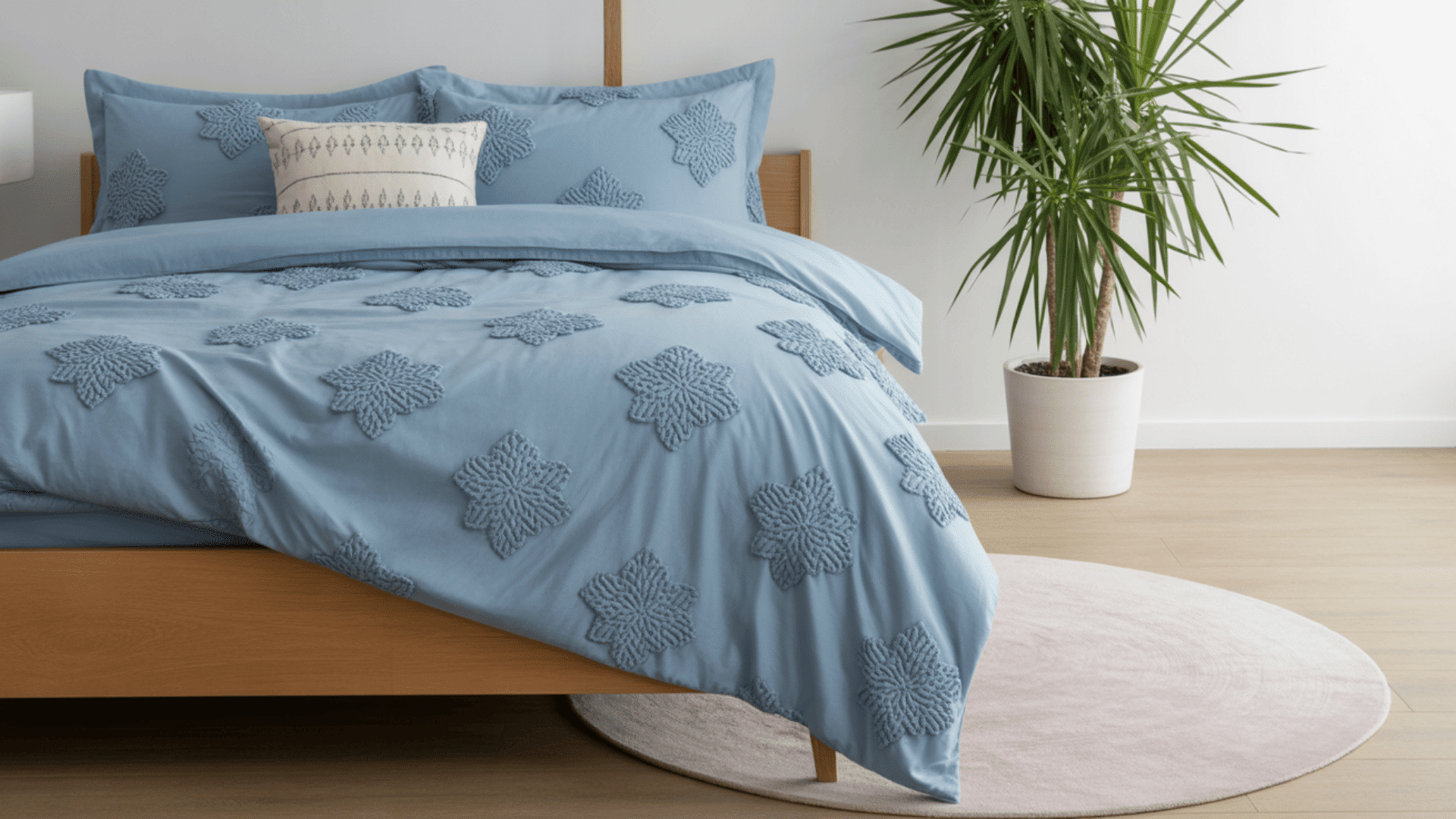
Knowing how to care for quilts and comforters is key to prolonging their lifespan and keeping them in excellent condition. Proper maintenance ensures both options continue to deliver comfort and warmth for years to come.
Washing and Caring for Quilts
Quilts are generally easy to maintain and do not require any special equipment or treatments. With a few simple habits, your quilt can stay fresh, vibrant, and long-lasting for years:
- Use cold water and a gentle machine cycle to preserve the fabric and batting.
- Avoid bleach at all times as it damages color, texture, and fiber strength.
- Store in a cool, dry place inside a breathable cotton bag to prevent moisture buildup.
Following these simple steps keeps your quilt looking and feeling its best after every wash. Consistent care goes a long way in extending the life of even the most delicate quilt.
Washing and Caring for Comforters
Comforters require slightly more attention during washing to protect their filling and overall structure. Handling them with care during every wash cycle ensures they stay fluffy and comfortable:
- Use a front-loading washer with cold water on a gentle cycle to avoid damaging the filling.
- Dry on low heat or air dry completely to prevent clumping or shrinkage inside the filling.
- Store in a breathable bag to maintain loft and avoid long-term compression of the filling.
Taking the right steps when washing and storing your comforter helps it retain its shape and warmth. With proper care, a good quality comforter can remain a reliable part of your bedding for many years.
Which Should You Choose?
Deciding between a quilt and a comforter depends on factors like climate, sleeping habits, and budget. Use this guide to help determine which option suits you best.
| Factor | Choose a Quilt If… | Choose a Comforter If… |
|---|---|---|
| Weight & Feel | You prefer something lightweight, breathable, and easy to layer. | You want a thicker, plush, and cozy feel. |
| Climate | You live in a warm climate or tend to sleep hot. | You live in a colder climate or need extra warmth. |
| Sleeping Habits | You like layering your bedding or want a decorative touch. | You prefer a single, all-in-one bedding solution. |
| Warmth Level | You need light coverage for mild temperatures. | You need maximum warmth, especially in winter. |
| Budget | You’re looking for a more budget-friendly option. | You’re willing to spend more for added warmth and comfort. |
Now that you understand the difference between a quilt and a comforter, you can make a choice that best suits your lifestyle, preferences, and budget.
Final Thoughts
Having gone through all the differences in the quilt vs comforter debate myself, I can confidently say that the right choice comes down to your personal needs and preferences.
If you live somewhere warm, sleep hot, or love layering, a lightweight quilt is hard to beat. But if you are always cold, prefer a plush feel, or want simple one-piece bedding, I think a comforter will serve you much better.
Honestly, there is no wrong answer here. Both offer comfort, warmth, and style in their own way. Choose the one that makes your bed feel like the most relaxing spot in the room. Drop a comment below and let me know your pick.