Herbal bitters, once exclusive to traditional herbal practices, are now making a notable appearance in contemporary wellness routines. Their distinctive bitter profiles and historical significance blend with today’s focus on holistic health. As more people discover their uses, herbal bitters invite exploration into their roles beyond their origins.
Herbal bitters are aromatic, bitter-tasting extracts made from various herbs and roots with a long legacy of use in natural health traditions. The renewed interest in botanical supplements has led to increased curiosity about what are swedish bitters, which are specific blends of herbal bitters recognized for their unique profiles and historical uses. In modern times, many wellness advocates and enthusiasts share swedish bitters benefits as they incorporate such blends into routines ranging from mindful meal preparation to calming evening rituals. Many newcomers begin with what are swedish bitters as a starting point for learning practical, everyday uses. Understanding the ingredients, uses, and formats of herbal bitters helps individuals make informed decisions about how these traditional remedies can enhance today’s wellness habits.
The Origins and Traditions of Herbal Bitters
The roots of herbal bitters reach back centuries, where they served an important role in both household and apothecary recipes across Europe and elsewhere. These blends often included a combination of bitter and aromatic botanicals, designed to support routine well-being. Early practitioners developed bitters as a way to harness the benefits of plants such as gentian, wormwood, and angelica in easily consumable forms.
Notably, Swedish bitters represent one of the most well-known variations, comprised of a balanced mix of swedish bitters ingredients. In some handwritten records, swedish bitters ingredients were described alongside serving customs and household notes for daily use. Over generations, these herbal blends became staples in family rituals, enhancing meals or being used as part of relaxation practices—a legacy reflected in how many people choose to use bitters today.
Throughout history, herbal bitters were not only valued for their distinctive taste but also for their role in seasonal wellness practices. In many European households, families would prepare their own batches of bitters using locally available herbs, creating unique regional variations that reflected the botanical diversity of their surroundings.
These homemade preparations were often passed down through generations, with recipes carefully guarded and adapted over time. The tradition of crafting bitters became intertwined with cultural identity, seasonal celebrations, and communal knowledge-sharing. This rich heritage continues to influence modern formulations, as contemporary herbalists draw inspiration from these time-tested recipes while adapting them to meet current wellness preferences and quality standards.
Swedish Bitters: Ingredients, Traditions, and Potential Health Benefits
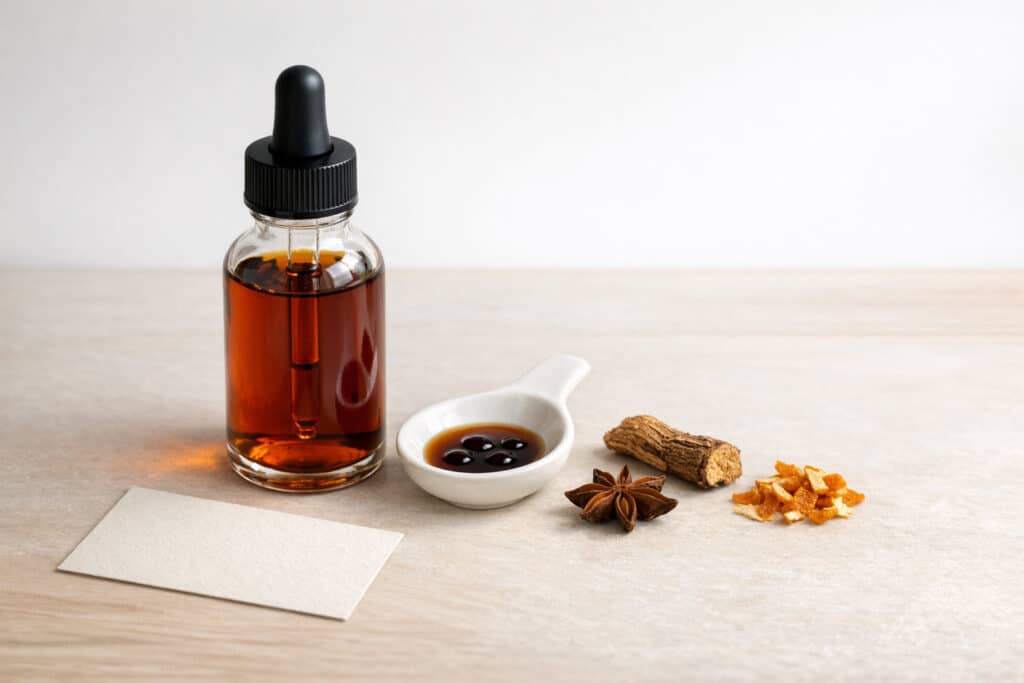
What are swedish bitters is a common question among those exploring modern wellness tools. Typically, Swedish bitters combine a distinctive set of herbs: roots like gentian and angelica, resins such as myrrh, and various aromatic spices and botanicals. These ingredients were originally chosen for their taste and their traditional roles in promoting digestive and overall wellness.
Today’s interest in swedish bitters health benefits has led to wider curiosity, not only about the herbal blend itself, but also about the unique swedish bitters ingredients and their practical applications. People seeking a clearer picture of swedish bitters health benefits often compare traditional practices with modern routines and preferences.
People incorporate these formulations into routines such as taking a measured serving before meals, as part of mindful eating or to cultivate a moment of calm. The enduring intrigue surrounding swedish bitters derives from both their sensory qualities and their potential as versatile wellness aids.
Alcohol-Free Options and Their Place in Contemporary Routines
Recent wellness trends have popularized alcohol-free alternatives for those who wish to avoid traditional spirit-based extractions. Non-alcoholic formats of Swedish bitters, such as glycerites or water-based tinctures, allow broader access and fit into nightly routines, dietary preferences, or sensitivities. Companies like Flora Health offer such alcohol-free Swedish bitters, catering to those seeking a gentler approach.
Choosing the right format—be it a classic tincture or a modern, alcohol-free blend—depends on individual needs and preferences. Considerations like ingredient transparency, method of use, and personal wellness goals have become central to the selection process. When selecting products, consumers may look for clear sourcing notes that straightforwardly list swedish bitters igredients. By understanding what are swedish bitters, their diverse applications, and swedish bitters health benefits, individuals can thoughtfully include these time-honored remedies into balanced, personalized wellness routines.