

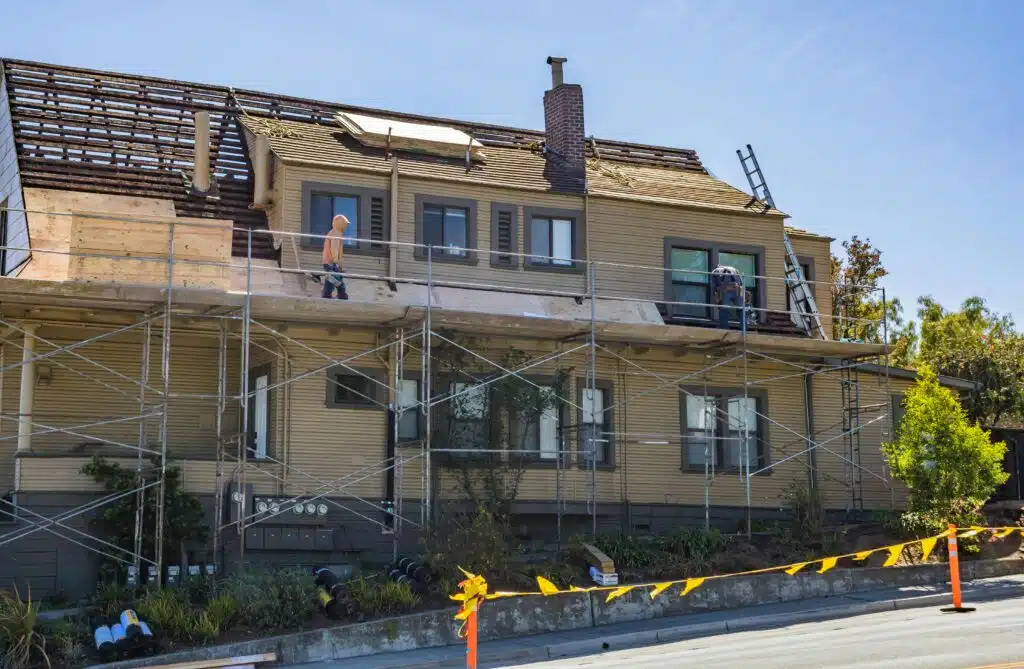
When it comes to maintaining the structural integrity of your home, a solid foundation is essential. However, over time, foundations develop problems that need attention. It might start with a door that suddenly refuses to latch, or a hairline crack that appears above a window frame.
Small underlying shifts exert significant pressure on the foundation, and that eventually leads to cracks, sinking, and other structural issues.
Fortunately, many experts such as Charleston foundation repair contractors offer solutions to address these issues and protect your home for years to come.
Signs of Foundation Problems
Foundation problems often show up inside your home before you see them outside. Many of these signs may seem small at first, but they usually mean that the foundation is shifting.
Some common signs of foundation issues include:
- Cracks: Look for fissures in exterior brick (specifically diagonal stair-step patterns), large cracks in concrete slabs, and vertical cracks in foundation walls.
- Doors and windows: If doors and windows get stuck or don’t close properly, it may mean the frame has shifted.
- Sloping floors and walls: Look for floors that feel uneven or slanted
- Separation: Notice any gaps between the wall and ceiling or between brickwork and trim boards.
- Leaning chimney: Watch for a chimney that is leaning or pulling away from the house.
- Water intrusion: Look for unexpected water leaks, mold, or dampness in the basement or crawlspace.
As soil saturation causes expansion and contraction, it creates fluctuating pressure on the foundation, especially in humid areas like Michigan. Fortunately, you have several options available to restore your home’s structural integrity.
Understanding Different Methods for Foundation Repair
Foundation repair is all about stabilizing, lifting, and strengthening a building’s foundation that has settled, cracked, or shifted. The best repair method depends on the type of foundation, the extent of the damage, and the cause of the issue.
Piering or Underpinning
Piering, also known as underpinning, is a comprehensive foundation repair method used to stabilize and lift sinking foundations. This process involves driving steel piers or concrete pilings deep into the ground until they reach stable soil or bedrock.
Once the piers are in place, the foundation is lifted and secured onto them, stabilizing the structure and preventing further movement.
Piering is particularly effective for homes built on expansive soils or in areas with poor soil compaction, because it can lift foundations that have settled unevenly.
Slab Jacking or Mud Jacking
Slabjacking helps fix sunken concrete slabs caused by soil settling. Contractors begin by assessing the damage and the soil conditions to determine whether or not this method is appropriate.
During this process, professionals inject a special grout mixture under the concrete slab. As the grout expands, it fills empty spaces and raises the sunken area back to its original level.
In areas like Brighton, Michigan, with high clay content, slab jacking offers a nondisruptive approach to foundation repair. The entire process usually takes a few hours, making it a great way to avoid serious inconvenience.
Once the job is complete, you’ll want to monitor the area and watch for any cracks or shifts; these are signs that you need more advanced repairs.
Helical Piers
Helical piers provide a durable solution for foundation repair. Made from galvanized steel, these piers consist of steel posts with a helically shaped leading point that resembles a large screw.
Professionals turn and drive these into the ground with heavy machinery to push them deep below the surface until they reach a solid, more compact layer.
One of the great things about helical piers is that they can handle a lot of weight, making them perfect for homes and foundations.
Plus, there’s no need to dig all the way down to bedrock; these piers do the job by reaching that dependable, supportive soil. When they’re installed, they’re securely attached to your house, providing a strong and lasting foundation repair that you can count on.
Steel Push Piers
Steel push piers, often called resistance piers, are a great option for repairing foundations that have started to sink or settle. They work by anchoring your home to stable, load-bearing soil that lies deep beneath the surface, helping to lift and stabilize the foundations.
This method is especially effective for heavier structures, like homes with brick or stone exteriors, that might be experiencing issues due to soil movement or clay expansion.
Essentially, steel push piers help transfer the weight of your home from unstable soil to stronger, more dependable ground below.
Concrete Piers
Concrete piers are a widely used foundation repair method, especially in homes that might be sinking or settling. They work by helping to move the weight of your house down to deeper, more stable soil or bedrock to keep it secure.
Different types of concrete piers exist, like poured-in-place piers, bell-button piers, and pressed concrete pilings, with each one effective at distributing weight evenly across stable ground.
This makes them a great choice for stabilizing uneven foundations, particularly in areas like Brighton, where clay soils are common.
Root Barrier Installation
One of the most effective ways to protect your landscaping from invasive tree roots is by installing tree root barriers. These barriers are typically made of fabric or metal mesh that prevents tree roots from penetrating through them.
While they allow water to pass, they also stop large roots from causing damage. Some barriers are even treated with chemicals that inhibit root growth for years.
On properties with unchecked tree roots, this barrier can be invaluable. Without proactive measures, tree roots can penetrate the foundation and affect your plumbing, which can cause serious long-term damage and even potentially flood your home.
If you’re planning to plant trees on your property, you’ll want to keep them far from your home’s foundation—ideally, ten or more feet for smaller trees, and much more for any tree that reaches significant height.
Which Foundation Repair Method Does Your Home Need?
There isn’t one “best” method for fixing a foundation. The right choice depends on your home’s specific needs.
The good news is that many effective techniques are available; instead of searching for the best overall method, focus on finding the best solution for your situation.
Every foundation is different, and a method that works for one home may not work for another. If you’re in Michigan, you’ll want to reach out to people familiar with your local soil conditions and climate, because their knowledge can be invaluable.
Brighton foundation repair experts have the right tools, such as hydraulic jacks and piers, and can check which method will restore your home’s structural integrity. By identifying the problem’s root cause, they’ll make sure the repair is done correctly the first time.
Conclusion
Foundation repair is not a DIY project. The stakes are too high, and improper repairs can make existing problems significantly worse.
You have many potential solutions available, but the repair’s longevity will depend on the method you choose.
Some solutions provide only short-term relief, while others offer longer-lasting or even permanent fixes. That’s why finding professional help is so important—it’s the key to keeping your home safe.