
We’ve all been there: sitting at the kitchen table for forty-five minutes, smelling of harsh acetone, scrubbing desperately at a stubborn bit of gel polish that just won’t budge. Or perhaps you’ve spent an hour hand-filing your extensions, only to end up with sore wrists and uneven shapes.
For a long time, electric nail files — commonly known as nail drills — were seen as “pro-only” tools. They were the heavy, intimidating machines that hummed in the background of high-end salons. But the secret is out: a high-quality nail drill is the ultimate game-changer for anyone serious about their manicure. Whether you are a DIY enthusiast or a budding professional, upgrading your equipment can transform a tedious chore into a luxurious, efficient ritual.
Precision Meets Speed: The Efficiency Factor
The most immediate benefit of switching to a nail drill is the gift of time. Hand-filing is a labor of love, but it is also incredibly slow. If you are working with acrylics, polygel, or hard builder gels, a manual file can only do so much before your arm starts to ache.
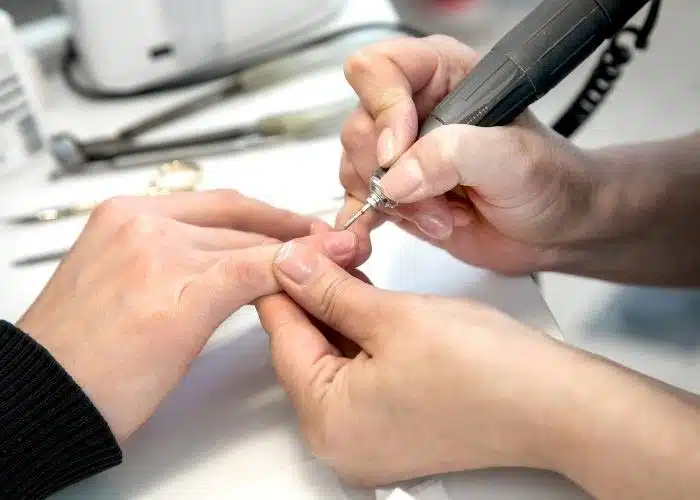
A high-quality drill allows you to shave down bulk and refine shapes in a fraction of the time. However, speed doesn’t mean sacrificing quality. In fact, it’s the opposite. Drills offer a level of precision that a standard emery board simply cannot match. With the right bit, you can reach the tiny crevices around the cuticle area and the side walls with surgical accuracy.
When you shop for professional-grade equipment, such as Saeyang nail drills online, you get a tool that combines high torque with zero vibration. This means the drill does the heavy lifting for you, allowing for smooth, effortless movements that result in a flawless finish every single time.
Why Quality is Important
You might be tempted to grab the cheapest $20 drill you find online. Resist that urge. Low-quality drills often have “choppy” rotations and high vibration levels. This doesn’t just make the job harder; it can actually damage your natural nail plate by generating heat and friction, or “rings of fire.” A high-quality motor provides a steady, consistent spin that feels smooth against the nail, giving you total control.
The Secret to Long-Lasting Manicures: Prep Work
Ask any nail tech the secret to a manicure that lasts four weeks without lifting, and they will tell you one word: Preparation. If there is even a tiny bit of invisible cuticle skin (the pterygium) left on the nail plate, your gel or acrylic won’t bond correctly. This is where a nail drill truly shines. Using a fine “flame” or “ball” bit, you can gently lift and remove dead skin from the nail plate and clean up the proximal nail fold.
Dry Manicures Are the Modern Standard
The “Dry Manicure” or “Russian Manicure” technique has taken the fashion world by storm because it looks incredibly clean and allows polish to be applied closer to the skin. You cannot achieve this look with a manual file and a pusher alone. A drill allows you to:
Versatility Beyond Just Filing
A nail drill isn’t a one-trick pony. When you purchase a high-quality kit, you aren’t just getting a motor; you’re getting a multi-tool. Most drills come with a variety of bits (or “burs”) designed for specific tasks:
Swapping out these heads will help you transition from removing a heavy set of extensions to performing a delicate cuticle clean-up in seconds.
Saving Your Physical Health
We don’t often talk about the physical toll of nail care, but repetitive strain is real. Constant hand-filing puts significant pressure on the small joints in your fingers, your wrists, and even your shoulders.
Over time, this can lead to conditions like Carpal Tunnel Syndrome or general tendonitis. A high-quality drill requires very little physical pressure. You simply guide the handpiece and let the revolutions per minute (RPM) do the work. For hobbyists who do their own nails every two weeks, this might seem minor. But for those who love the craft, preserving your hand health is vital for enjoying the hobby long-term.
Safety and Education: A Quick Guide
While a drill is a powerful ally, it does come with a learning curve. If you’re making the switch, keep these “Golden Rules” in mind to ensure your routine remains safe:
1. Watch Your RPMs
Most professional drills go up to 30,000 or 35,000 RPM. You almost never need to go that high on a natural nail. Use lower speeds (5,000–10,000 RPM) for cuticle work and medium speeds for removing product. High speeds are generally reserved for shortening long, thick extensions.
2. Keep it Moving
Never let the drill bit sit in one spot. Even the best drills generate some friction heat. By keeping the bit in constant, fluid motion, you ensure the nail stays cool and the surface stays even.
3. Let the Tool Do the Work
One of the biggest mistakes beginners make is pressing down too hard. If you find yourself pushing the drill into the nail, you either need a sharper bit or a slightly higher speed. The weight of the handpiece is usually all the pressure you need.
Upgrading Your Home “Spa” Experience
There is a psychological shift that happens when you use professional tools. Taking care of your nails becomes less of a “task” and more of a creative outlet. There is something deeply satisfying about the whir of a quiet, high-end motor and the sight of old polish turning into fine dust instantly.
A high-quality drill also allows you to experiment with more complex nail art. If you want to try “encapsulated” glitter or 3D charms, you need a drill to refine the layers of clear gel or acrylic that go over the top. It opens the door to the high-fashion looks you see on Instagram and Pinterest that are nearly impossible to achieve with manual tools alone.
Conclusion
Upgrading to a high-quality nail drill is an investment in yourself. It saves you time, protects your physical health, and elevates the quality of your manicures to a professional level. While there is a small learning curve, the results — crisp cuticle lines, perfectly balanced extensions, and effortless removals — are well worth the effort.
If you’re tired of the struggle and ready to take your nail game seriously, it’s time to put down the emery board and embrace the power of the e-file. Your hands (and your patience) will thank you.