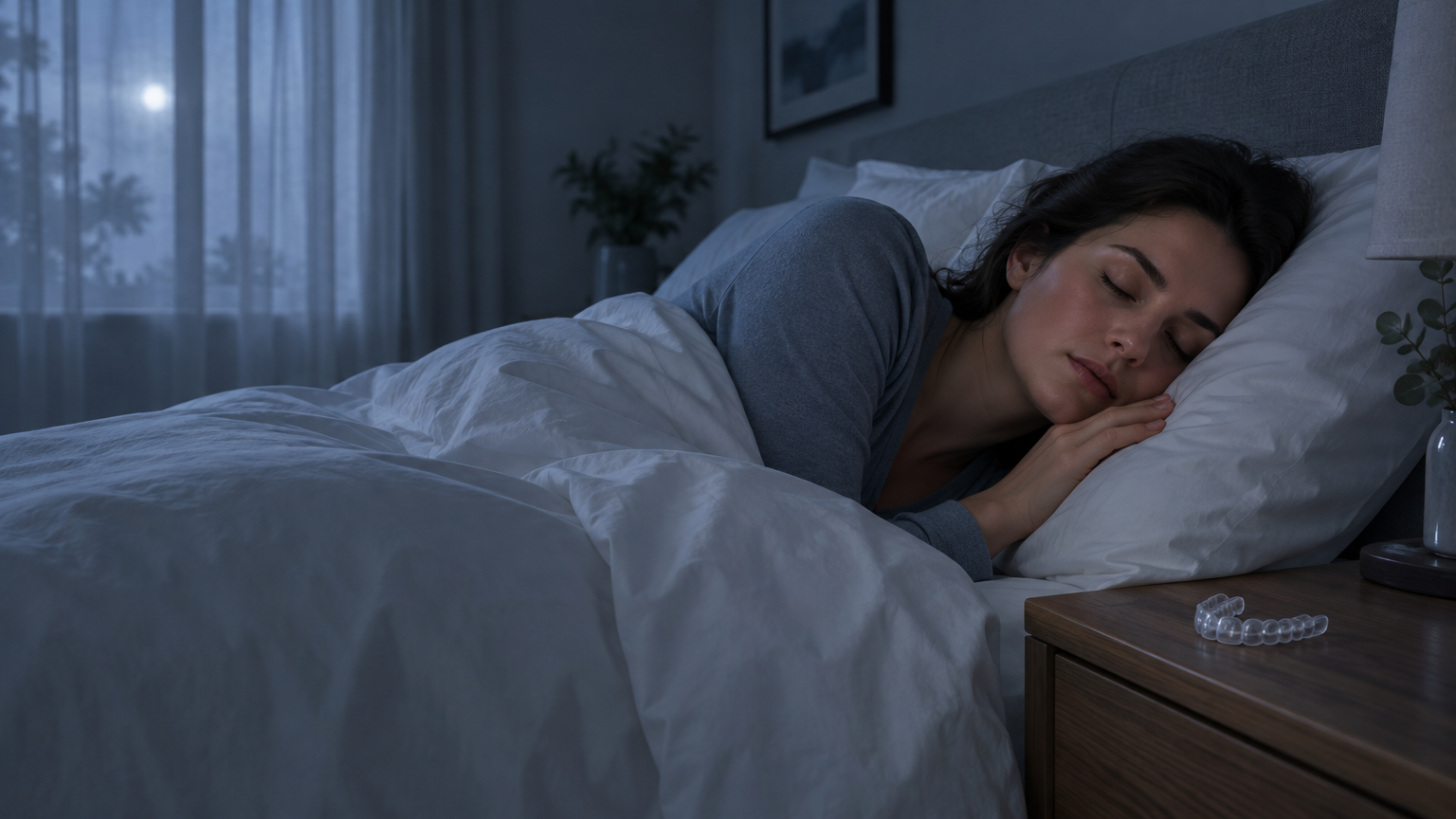



Sleep deprivation strikes hard, affecting new moms struggling with baby care, students dealing with academic pressure, and busy professionals with tight schedules. According to HelpGuide.org, 32.8% of adults fail to get enough sleep. This is an alarming number, with 50–70 million people in the US living with sleep disorders or disturbances.
Popping a pill is a quick fix, but it comes with dire consequences. Sleep medication can have several side effects, from drowsiness to confusion, difficulty concentrating, headaches, and nausea. Prolonged use can put you at risk of memory loss and make you habituated to the pill. The last thing you want is to depend on it for your daily dose of slumber.
Fortunately, there are ways to deal with sleep deprivation naturally, without relying on medications. This article lists the actionable steps you can follow to steer clear of medicines and their side effects.
Look for the Root Cause
Uncovering sleep deprivation’s triggers is essential because treating symptoms blindly leads to frustration and relapse. Not everyone misses out because of poor habits and schedules.
The Mayo Clinic notes the medical conditions that might be the culprits. Brain and nerve conditions, such as multiple sclerosis, Parkinson’s disease, and traumatic brain injury, elevate the risk. Other risk factors include heart disease, obesity, cancer, lung disease, and chronic pain.
To understand the root cause, you can begin with a detailed sleep diary for 7-14 days. Record exact bedtimes, wake-ups, total hours slept, pre-bed meals, exercise timing, screen exposure, and emotional state upon retiring. Patterns reveal truths, but you may need help to uncover them. A sleep doctor or a nurse can help you. Cleveland State University explains that specialists like family nurse practitioners are trained to diagnose and treat medical conditions.
While the nursing shortage is a concern in the US, online training has emerged as a realistic solution. An online nursing program enables nurses to build skills and explore new specialties to help patients and achieve growth. The best part is that help becomes more accessible to someone looking for treatment options without being over-reliant on medicines.
Build a Consistent Sleep Schedule
Psychiatrist.com highlights the importance of consistent sleep patterns. Studies show that they are even more crucial than spending eight hours in bed. Participants in the top 20% for regularity had a lower all-cause mortality risk compared to the bottom 20% reporting the most erratic slumber patterns.
Consistency reprograms your brain’s master clock for predictable rest. Commit to identical bed and wake times daily, including weekends, targeting 7-9 hours based on your needs. You can set dual alarms to enforce it rigorously at first. You will notice natural drowsiness aligning perfectly within 2-3 weeks.
Limit naps to 20-30 minutes during the day, if you must take a rest. Longer ones erode nighttime sleep drive. Track your cycle weekly in your diary, and adjust for slip-ups. This foundation turns erratic rest into reliable recovery, and keeps you away from medication if you are already using it.
Create a Supportive Environment
The CDC sums up the basics of a good sleep environment as very dark, cool, quiet, and comfortable. You can use heavy, lined draperies and room-darkening shades to block out all light entering through windows. Likewise, ensure that no light makes its way inside from under the doors by inserting a draft stopper.
Temperature management is another element of a sleep-optimized bedroom. Maintain 60-67°F with a fan or AC, as core temperature drops signal sleep. Install a white noise machine to drown out erratic sounds like traffic. Choose breathable sheets and a medium-firm mattress supporting spinal alignment.
When it comes to creating a supportive environment in your bedroom, you must also ban all work and tech. Blue light from phones affects hormone output and causes sleep issues. Reserve bed solely for sleep and intimacy, with no eating, arguing, or scrolling allowed. This sanctuary reduces wake-ups, delivering uninterrupted REM for emotional recharge and cognitive repair.
Clean Up Your Habits
Daily choices sabotage or supercharge sleep, so you must audit them to eliminate thieves. Skipping caffeine is the first step. According to the SleepHealth Foundation, caffeine inhibits sleep-promoting chemicals in the brain and enhances alertness. Since it is absorbed rapidly into the bloodstream, the effects reach peak levels within 30-70 minutes and last 3 to 7 hours.
The next habit you should clean up is your food. Finish heavy or spicy meals 3-4 hours before bed to avoid reflux or blood sugar spikes, delaying onset. Exercise 30-45 minutes daily, ideally mornings, as it boosts serotonin and syncs clocks. However, skip evenings as endorphins energize when you work out near bedtime. Hydrate steadily till 6 PM, then taper to prevent midnight bathroom runs disrupting cycles.
Besides eliminating these culprits, you can adopt natural remedies to overcome the urge to take medication. Chamomile tea binds brain receptors mildly, easing nerves 30 minutes pre-bed. Valerian root extract and tart cherry juice also help. Try deep breathing, acupressure, soft music, hot baths, and meditation to overcome sleep issues.
FAQs
How does sleep deprivation affect health?
People with chronic sleep deprivation are at a high risk of developing serious health issues. Besides the risk of physical issues like heart disease, diabetes, and hypertension, it can also impair cognitive function, weaken immunity, and cause mood disorders. Overall, it lowers the quality of life.
Should you take sleeping pills for the long run?
Sleeping pills may help you get the rest you need, but they are not an ideal long-term solution. Long-term use is not recommended due to dependency, tolerance, and side effects like cognitive decline. Instead, you should look for natural remedies to overcome the issue and reset your circadian rhythm.
What are the early signs of insomnia?
Insomnia symptoms may vary from person to person, but most people experience early signs such as mood swings, fatigue, anxiety, and difficulty doing routine things. Difficulty sleeping is often the first sign, while you may find yourself waking up repeatedly or for extended periods during the night.
Overcoming sleep deprivation without medication may seem challenging, but the right approach makes it possible. You need to commit to staying off the pill in the first place. These simple steps can help you discover the power of nature to handle the challenge and get restful slumber effectively. You can rely on these sustainable habits to restore your circadian rhythm, enhance energy, and prevent long-term health risks for lasting vitality.