
Most homes feel safe because nothing goes wrong day to day. But that sense of comfort can hide small risks that build up over time. Issues like overloaded outlets, blocked vents, loose flooring, and unnoticed damage often start small.
If ignored, they can lead to fires, injuries, or expensive repairs. The good news is that most of these risks are easy to manage once you understand what is happening and take simple steps to fix them.
Overloaded Electrical Outlets
Plugging multiple devices into one outlet is common, especially in apartments where space is limited. The risk starts when the electrical load becomes too high for the wiring to handle.
When this happens, heat builds up behind the walls. Over time, this can damage the wiring and increase the risk of sparks or fire. In older NYC buildings, this is even more important because the wiring may not be designed for modern appliances.
If you notice outlets getting warm, breakers tripping often, or lights flickering, it is a sign the system is under stress. Ignoring these signs can lead to serious electrical damage or fire hazards.
To reduce the risk, spread out high power devices across different outlets. Use quality surge protectors instead of cheap extension cords. If your home is older or you rely on many devices, it is worth having an electrician inspect your system and upgrade it if needed.
Dryer Lint That Builds Up Over Time
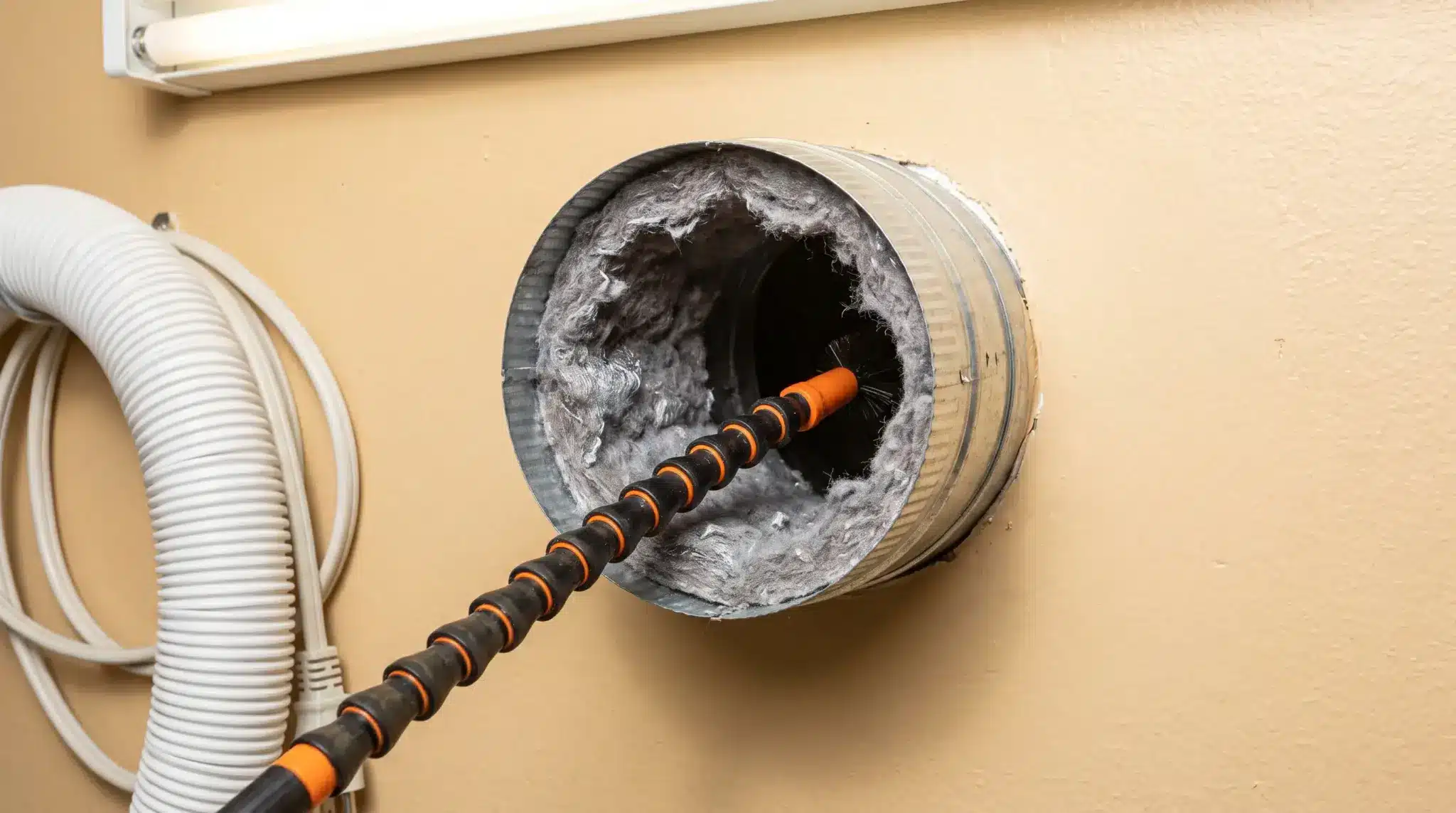
Most people clean the lint tray after using the dryer, but the real danger is in the vent system behind it. Lint collects in areas you cannot easily see, which blocks airflow and traps heat.
As heat builds up, the dryer works harder and the temperature rises. This can lead to overheating and in some cases, fires. You might notice clothes taking longer to dry or the machine feeling hotter than usual. These are early warning signs that airflow is restricted.
Ignoring this buildup allows the risk to grow with each use. Over time, it creates conditions where a spark or excess heat can ignite the lint.
The best way to avoid this is to clean the lint filter after every load and schedule regular vent cleaning. Make sure the vent pipe is not crushed or blocked. If you are unsure, a professional cleaning service can clear the system and restore proper airflow.
Slippery Floors and Small Fall Hazards
Falls are one of the most common injuries at home, and they often come from simple things like loose rugs, wet floors, or poor lighting.
In smaller spaces, where walkways are tight, even a small obstacle can cause someone to trip. What makes this more serious is how quickly a fall can lead to injuries like fractures or head impacts.
Ignoring these small hazards increases the chance of accidents, especially for children or older adults. A rug that slides once can easily cause a fall the next time.
To reduce this risk, secure rugs with non slip pads and clean spills right away. Keep walkways clear and make sure all areas of your home are well lit, especially stairs and hallways. Small adjustments like these can prevent serious injuries.
Poor Indoor Air Quality
Indoor air often contains dust, mold spores, and chemicals from cleaning products. When ventilation is limited, these particles stay trapped and build up over time.
In cities like New York, many people keep windows closed due to weather or noise. This reduces airflow and makes it easier for pollutants to stay inside. You may start to feel constant allergies, headaches, or discomfort without knowing the cause.
If ignored, poor air quality can affect your health over time. Mold can spread in hidden areas, and long term exposure to indoor pollutants can impact breathing and overall well being.
To improve air quality, open windows when possible and use exhaust fans in kitchens and bathrooms. Regular cleaning helps reduce dust buildup. Choosing low chemical cleaning products can also limit indoor pollution. If moisture or mold is present, it is important to address it quickly before it spreads.
Structural Wear, Water Damage, and Sidewalk Hazards
Small cracks, water stains, or uneven surfaces often seem harmless at first. Many people delay fixing them because they do not look urgent. Over time, these issues can grow into serious structural problems.
Inside the home, water damage can spread behind walls and lead to mold or weakened materials. Cracks can expand and affect stability. Repairs become more expensive the longer these issues are ignored.
Outside the home, especially in a city like New York, sidewalks are another area where small damage creates real safety risks. Uneven pavement, cracks, or lifted slabs can easily cause someone to trip. These incidents happen quickly and often lead to injuries such as sprains, fractures, or worse.
Beyond the physical risk, there is also a financial side. In NYC, property owners are often responsible for maintaining the sidewalk in front of their building. If someone gets injured due to a visible defect, it can lead to liability claims or lawsuits. Medical costs, legal fees, and repair expenses can add up quickly.
Ignoring sidewalk damage does not make it go away. It increases both safety and financial risks over time.
A better approach is to fix problems as soon as you notice them. Inside your home, fix leaks, seal cracks, and monitor any signs of damage. For walkways, If you notice uneven surfaces or visible cracks, have them inspected right away and repair any damaged concrete slabs through qualified sidewalk professionals. Acting early helps reduce the risk of injuries and prevents higher costs later.
Fixing the problem early not only improves safety but also helps you avoid larger costs later.
Final Thoughts
Most safety hazards do not stand out. They develop slowly and become part of your routine. That is why they are easy to ignore.
Paying attention to small details, both inside your home and just outside it, can prevent accidents and costly repairs. A little awareness and timely action can make a big difference in keeping your space safe.