

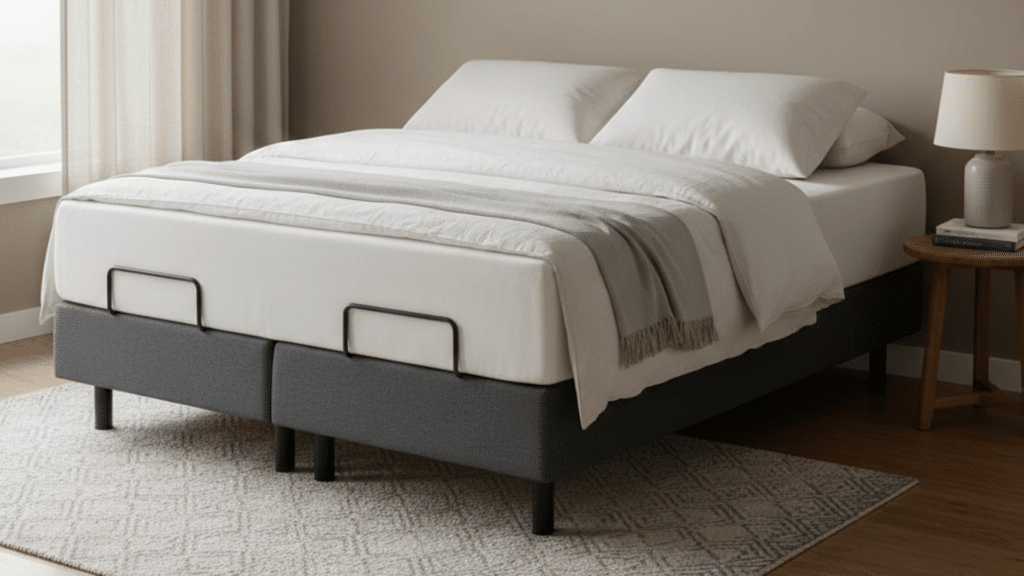
I remember the first night I tried an adjustable bed and wondered why the angle felt so different from what I expected.
You might feel the same way if you’ve been reading about zero gravity setups and trying to figure out why some people swear by them while others struggle.
Many of the talks online circle around comfort issues, strange pressure points, or general confusion about how these beds work.
That’s why I wanted to break down the real zero gravity bed complaints you see from everyday sleepers.
By the end, you’ll have a clear sense of what to expect and what can help you settle in with less stress, so let’s get started.
What Real Owners Say About Zero Gravity Beds

Real users on r/Mattress talk about zero gravity beds in very personal ways. Many describe big comfort gains and less pain, while others admit it takes time to adjust or that the position does not suit every sleep habit.
Mental_Bug7703 shared that sleeping in zero gravity all night turned into a favorite routine. They started as a side sleeper, then used an adjustable base to switch to back sleeping, and now call the position the best way to sleep.
User thatfloridaguy75 also sleeps in zero gravity and says the key is finding the right angle instead of using the factory preset. They suggest raising the feet first until the lower back relaxes, then lifting the head just enough to open the airway. For them, sleeping in that position feels amazing, but they also say it is fine to hit the flat button and roll over if it does not feel right on a given night.
Another commenter, matt_minderbinder, wrote that they are “in the zero G sleep club” and cannot picture going back to a flat bed. They already slept on their back and had both back pain and snoring issues. A slight neck tilt in zero gravity helped reduce those problems and made the purchase feel worth it.
Both_Meal_7572 had used an adjustable base for years without really changing their sleep style. After surgery forced them to stay on their back, they tried full zero gravity for a week and decided not to return to side sleeping. They noticed less jaw grinding, felt more rested, and now see zero gravity as their favorite way to sleep, even though that comfort took several nights to settle in.
Who Zero Gravity Helps (and Who Struggles)
Zero gravity can feel amazing for some people and awkward for others because it changes how your spine, hips, and legs “stack” on the mattress.
Slight differences in body shape, sleep style, and mattress flexibility can turn the same position into relief for one sleeper and pressure points for another.
Who Zero Gravity Tends to Help
Back sleepers who want less pressure on the lower back: When the legs are gently elevated, and the head is slightly raised, many back sleepers feel their lower back relax because the spine isn’t fighting gravity as much.
People dealing with snoring or mild breathing issues: A modest upper-body lift can help open the airway more than sleeping flat.
Anyone who likes a supported, “cradled” feel: If you enjoy a stable position that reduces tossing and turning, zero gravity can feel like a comfortable default—especially once you fine-tune the angles.
Why Some People Struggle (and What’s Usually Going On)
Hip angle mechanics (knees too high): If the knee lift is aggressive, it can tighten the hips or hamstrings and create a “pulled” feeling in the lower back. Often, a smaller leg lift feels more natural than the preset.
Pelvic tilt (legs + head changing your spine curve): Raising both ends changes how the pelvis rotates. Too much tilt can either flatten the lower back or force an arch, and either one can cause soreness if you stay there for hours.
Mattress firmness mismatch (not bending with the base)
- A very firm mattress may not flex well, leaving gaps under the lower back or forcing weight into the hips.
- A very soft mattress can sink too much, reducing support and creating weird pressure points.
Who Often Struggles With Zero Gravity
Side sleepers (especially those with hip pressure): Zero gravity presets are primarily designed for back sleeping. On your side, the angles can twist alignment, push the hips forward, or concentrate pressure on the “bottom” hip and shoulder.
People with existing pelvic or lower-back sensitivity: If your body is already irritated, the preset can be too intense. The position may exaggerate pelvic tilt and make you feel tighter instead of looser.
Light sleepers who are sensitive to motor or frame noise: Even small clicks or hums during adjustments can be distracting in a quiet room. (Some people solve this by setting the position once, then leaving it.)
A Quick Reality Check
If you want to try zero gravity without the “why does this feel weird?” phase, skip the preset and start gently: lift the legs a little until the lower back relaxes, then raise the head just enough to feel open and comfortable.
For many people, the best “zero gravity” is a mild custom version, not the maxed-out factory setting.
Most Common Zero Gravity Bed Complaints
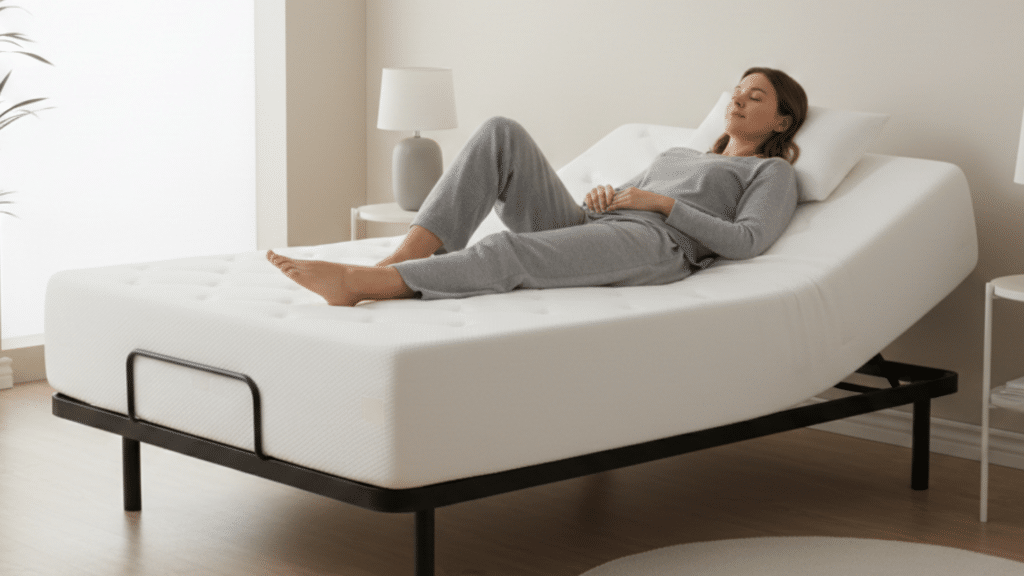
Many owners mention pressure in the lower back, trouble with side sleeping, difficulty holding the position, and the time it takes to adjust.
1. Back or Hip Pain
Some people feel back or hip pressure when the angles do not match their body. A high knee lift can pull on the lower back and make the hips feel tight.
A flat mattress surface can also leave small gaps under the spine, which leads to soreness throughout the night. Lowering the leg height or adding slight upper-back support can help spread weight and reduce pressure.
2. Side Sleeper Discomfort
Side sleepers often struggle because the preset zero gravity angle works better for back sleepers. The curve of the hips and shoulders can feel uneven when the base lifts both ends at the same time.
This can create pressure on one side of the body or cause the spine to twist. Many side sleepers switch to a lighter lift or use support pillows to stay aligned without feeling pinned in place.
3. Hard To Stay in Position All Night
Some owners fall asleep comfortably in zero gravity but wake up during the night wanting to change positions. The preset angle can feel good at first, then become tiring for the legs or lower back after several hours.
People who move around a lot during sleep may find it difficult to stay in one position the whole night. A softer, gentler lift often helps the body settle without feeling locked into place.
4. Adjustment Period
It can take several nights for the body to get used to a new sleep angle. People who normally sleep on their stomach or side may feel restless at first. The raised legs and upper body can feel unusual until the muscles relax and the body learns the new pattern.
Some users adjust quickly, while others need a week or more. Small nightly changes in height and angle can make the process easier and less stressful.
Step-by-Step Fixes for the Most Common Problems
Many zero-gravity problems can be reduced with small changes in angles, added support, and a few simple checks before you settle in.
- Lower the knee height if your lower back feels tight or pulled.
- Raise the upper body slightly to reduce pressure around the pelvis and lower back.
- Use a small pillow under the lower back if you feel gaps or sinking in the mattress.
- Try a mild lift instead of the full preset, especially if you switch positions often.
- Add a pillow between the knees if you rest on your side for part of the night.
- Check that the mattress is centered on the base to stop sliding or shifting.
- Tighten any loose frame parts if you hear small sounds when moving the base.
- Re-pair the remote if buttons stop responding or feel slow.
- Lower the leg height if the hamstrings feel tight or pull on the lower back.
- Test different angles for a few nights to see what gives steady support without strain.
Sleep Position Alternatives
These options help you rest with less pressure if zero gravity feels hard to hold or does not match your sleep style.
Alternative 1: Gentle Incline
A slight upper-body lift reduces strain on the back and helps with breathing without forcing the strong angles of zero gravity.
Alternative 2: Elevated Legs Only
Raising only the legs eases lower-back tension and improves comfort for people who prefer a flatter upper body during sleep.
Alternative 3: Mild Upper-Body Lift
A small head lift supports the neck and chest while keeping the rest of the body closer to flat for steady comfort.
Alternative 4: Hybrid Angle
A low leg lift with a light head rise creates a simple setup that feels easier for back and side sleepers.
Alternative 5: Side Sleeper Support
A pillow between the knees keeps the spine level and reduces hip pull for people who rest mainly on their side.
Alternative 6: Back Support Pillow
A thin pillow under the lower back fills small gaps and helps the spine stay level without needing a full bed adjustment.
Conclusion
I know this can feel like a lot to sort through, especially when comfort changes from person to person.
But the main ideas stay steady. Your angles matter, your mattress matters, and small changes can make a big difference in how your body settles at night.
If you’ve been unsure about zero gravity setups, this breakdown should help you understand the common zero gravity bed complaints and how to work around them.
I hope this gives you a clearer path forward. If you want more help choosing sleep setups or comparing mattress options, I’d love for you to look at my other blogs and keep checking what works for you.