
Step outside after a long day, and you feel the shift right away. Cooler air, softer light, less noise.
That’s the appeal of outdoor living as a wellness habit. No big reinvention, just a reliable place to decompress: a chair you love, a bit of privacy, a dusk ritual that takes the edge off.
Keep the goal simple: create a space that helps you slow down, move a little, and end the day feeling better.
What Time Outside Does for Your Head, Body, and Home
Most days, we’re boxed in: screens, overhead lighting, recycled air, and a steady drip of small interruptions. You can function like that for a while, then you step outdoors and realize how tense you’ve been carrying yourself.
Natural light helps keep your internal clock on track, which supports daytime energy and easier sleep later. You don’t need a sunrise hike to feel it. A short stretch outside, watering plants, or sitting in the last bit of daylight can reset your attention.
Outdoor movement also tends to feel kinder. A slow walk, a few mobility stretches, feet on the ground, shoulders dropping back to where they belong. It’s less “fitness plan,” more release.
Then there’s the sensory side: leaves moving, a breeze, birds, the softer hush of an outdoor space. When you make the yard comfortable enough to use without thinking, the habit sticks. Start with seating that feels inviting, shade where you actually sit, and warm lighting that keeps evenings calm. Add greenery for privacy and softness, and consider water if you love the effect. Even a small fountain can quiet the whole space, while a pool or swim area adds gentle movement and cooling relief that makes you want to stay outside longer.
Why Location Matters When Planning a Backyard Pool
Pool projects can look similar online, but the real-world process depends heavily on where you live. Local oversight, typical construction practices, and climate conditions can all shape what’s feasible, how long things may take, and what “normal” looks like.
In the Northeast, including Pennsylvania and nearby New Jersey, seasonality often influences planning. Construction windows can be tighter, and homeowners tend to think in terms of opening, closing, and weather swings. In parts of Florida, pools are common year-round, and the pace of work may reflect a market that handles high volumes of similar projects. That can change everything from scheduling expectations to how quickly inspections are available.
The same design choices can play differently in other regions, too. In Arizona or Southern California, heat and sun exposure often push shade, surface materials, and water comfort higher up the priority list. In coastal areas, weather-related considerations may affect sequencing and preparation. None of this is universal, but it can influence what a project requires behind the scenes.
Pricing norms can shift for similar reasons. Labor availability, site access, soil conditions, permitting steps, and inspection timing all play a part. In Pennsylvania, towns such as Newtown can be a good example of how local reviews, neighborhood expectations, and seasonal timing may shape planning. A homeowner working with a pool designer in Newton, PA, may encounter different timelines or documentation steps than someone building in coastal Florida, where storm readiness and drainage concerns often affect how work is staged.
A provider who knows the local landscape can help the process feel far less mysterious. Rules, standards, and practices vary by location and should be confirmed locally.
Why Water Helps People Relax So Fast
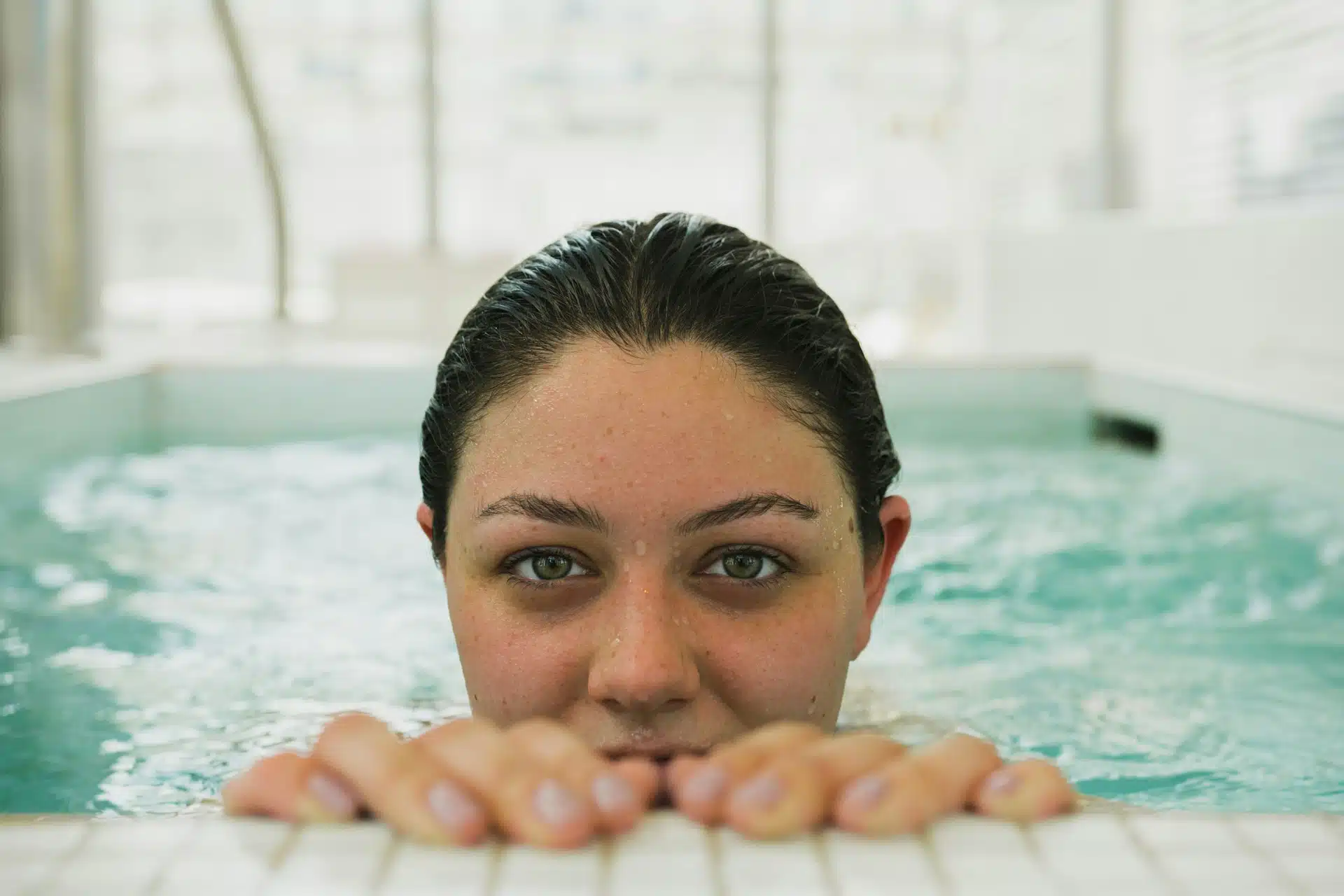
Water can change the mood of a space in seconds. The steady sound softens background noise, and the movement gives your attention somewhere easy to land.
A pool adds a physical payoff that feels gentle. Swimming is low-impact and joint-friendly, which helps if you’re stiff from sitting all day. Even a short swim can loosen tight muscles and settle restless energy.
In warm weather, a quick dip can also help your body cool down, making the shift into a calmer evening feel more natural.
The area around the water matters as much as the water itself. With a bit of privacy, comfortable seating, and soft lighting, it becomes a place you’ll actually use.
An Evening Routine Outside That Sets Up Better Sleep
If your evenings end with bright screens and mental noise, sleep can feel like an argument. Outdoor time helps because it creates a softer landing.
Keep it simple. Sit outside while the sky changes. Take a slow walk around the block. Stretch on the patio. If you have a pool, swim a few gentle laps, then sit and let your breathing slow down. The common thread is quiet, low-stimulation time that tells your nervous system it can stand down.
This also tends to crowd out the habits that keep people wired. Doomscrolling feels passive, but your brain stays on high alert. Outdoors, your attention usually settles without effort, especially at dusk when the light naturally softens.
For people who like a little structure, the Sleep Foundation’s sleep hygiene recommendations reflect the same idea: steady routines and less stimulation before bed often support more consistent rest.
Bringing That Calm Indoors
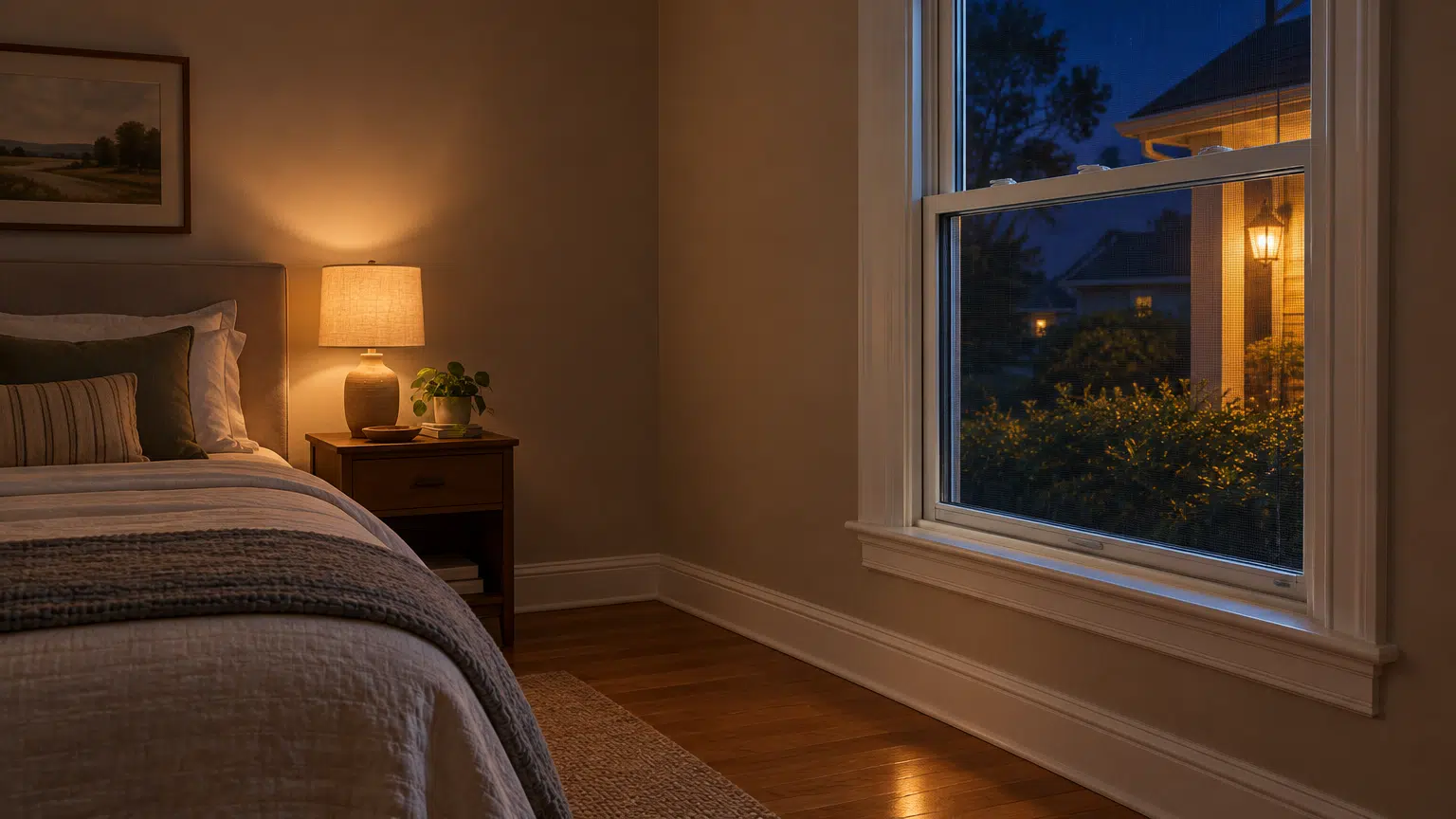
Outdoor calm can disappear fast if you walk into a brightly lit house and fall straight back into screens. A smoother transition helps. Warmer lighting. Cooler temperature. A bedroom that feels like it’s meant for recovery.
The little things matter more than most people want to admit. Bedding that breathes. A pillow that doesn’t leave your neck feeling sore in the morning. A room that’s quiet enough to let your body fully drop into sleep.
And then there’s rhythm. Consistent wake times, a predictable wind-down, and fewer “one last thing” distractions usually support better sleep at night without turning bedtime into a full-time job.
When outdoor and indoor spaces work together, the home starts to feel restorative in a way you can actually notice. The day ends more gently, and rest shows up with fewer obstacles.