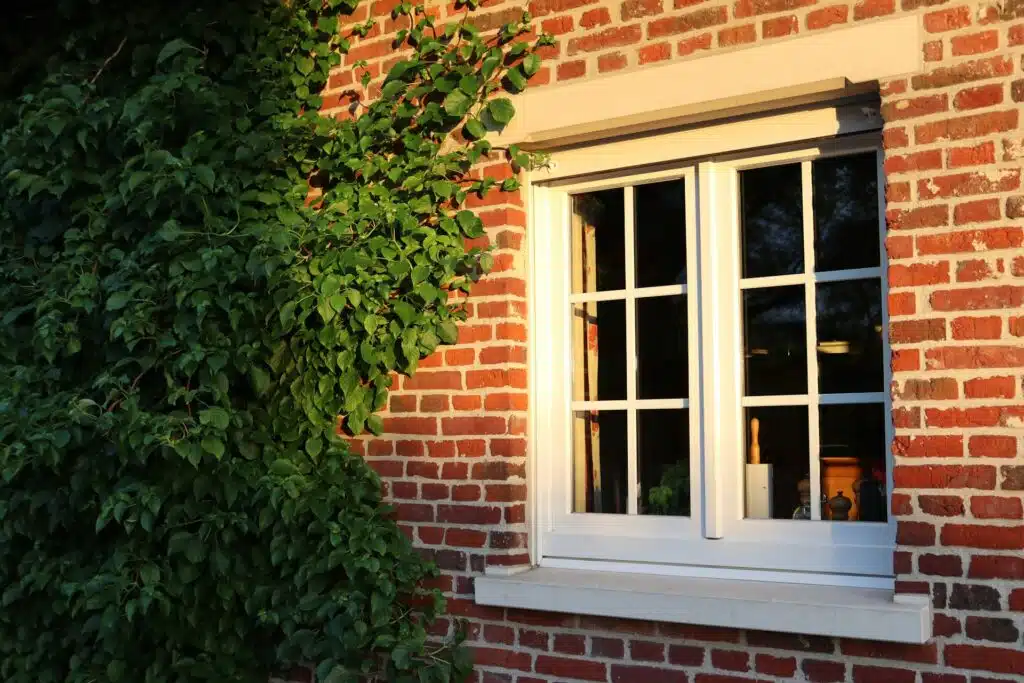
If your home still has original timber windows, you have probably asked the big question. Is retrofitting double glazing actually worth the money, the mess, and the effort?
For many homeowners, retrofitting double glazing into timber frames makes a lot of sense. It can improve comfort, cut noise, reduce condensation, and keep the look of classic timber window frames that give a home its charm.
Why Homeowners Look at Retrofit Instead of Full Window Replacement
A lot of people love their timber windows. They may be old, but they often suit the house better than brand new replacement windows ever could.
That matters in period homes, villas, cottages, and character properties. Remove the original timber window frames, and the house can lose part of its visual appeal.
But charm does not stop cold air. It also does not stop winter condensation from running down a glazed window.
That is where retrofit comes in. Instead of replacing the full window frame, you upgrade the glass or sash and improve how the existing window performs.
This can be a smart middle ground. You keep the timber look, match existing details, and fix many of the daily frustrations.
What Timber Retrofit Really Means
People often hear the term and think it means one thing. It does not.
Timber retrofit can cover several kinds of work. The right option depends on your existing windows, your budget, and how much you want to improve comfort and insulation performance.
Common Timber Retrofit Upgrades
- Restoring damaged or tired timber frames.
- Adding double glazed glass into existing timber joinery.
- Replacing sashes while keeping the original frame.
- Improving seals and weather stripping.
- Fixing rotten areas before moisture spreads.
- Repainting or sealing timber for longer life.
- Upgrading door frames where glazed panels also lose heat.
That last part matters more than many people think. Timber can last a very long time if you care for it well.
Well-maintained timber window frames can stay serviceable for decades. Poor upkeep, on the other hand, can shorten the life of both the joinery and the glass.
Some companies refer to this work as timber retrofit double or timber retrofit double glazing. You may also see glazing retrofit and double glazing retrofit used in quotes or product descriptions.
Timber Retrofitting Double Glazing and How It Works
At its core, timber retrofitting double glazing means adding insulated glazing into existing windows or doors. This creates a gap between panes that slows heat transfer.
That trapped space helps the home hold heat better. It also helps reduce outside noise and moisture issues on cold mornings.
If you have lived with single glazing, you know the feeling. The room gets cold fast, the glass feels icy, and water gathers where you do not want it.
Double glazing helps because the inside pane stays warmer than a single pane would. That can lower surface condensation and make rooms feel less damp.
In many homes, retrofit double glazing is installed into existing frames rather than replacing the whole unit. That is one reason retrofit double solutions appeal to owners of older homes.
For some projects, a specialist may install new double glazed windows into upgraded timber sashes while keeping the original existing window frames. In other cases, the sealed unit is fitted directly into the original joinery if the frames fit the new glass safely.
The Energy Saver window guide explains how improved glazing can reduce heat loss and improve comfort. That lines up with what homeowners usually notice first, which is a warmer and steadier indoor feel.
The Biggest Benefits People Notice First
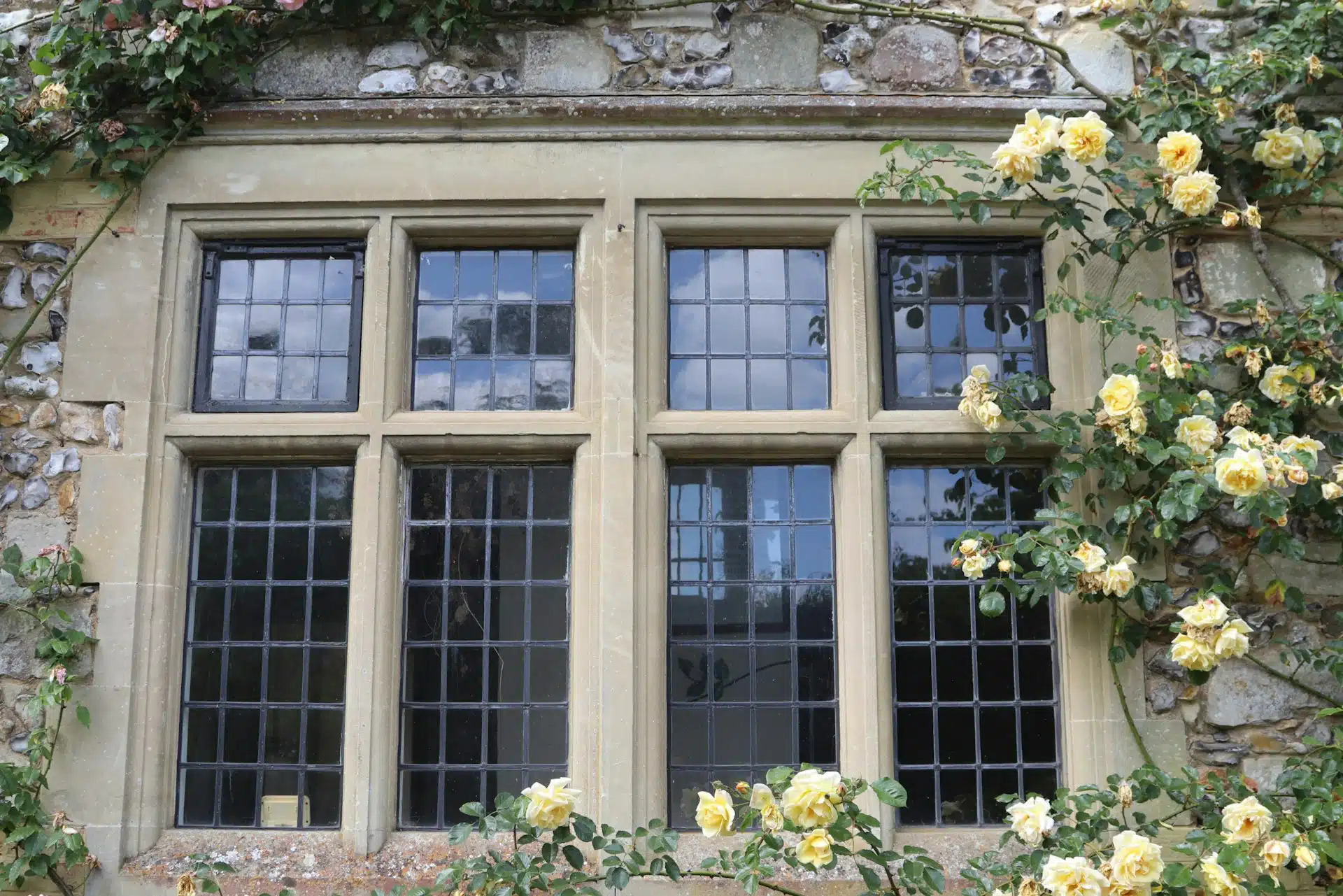
Most buyers do not start with glass specifications. They talk about how the house feels.
That is fair, because windows affect daily life in a very real way. You notice them in winter, in traffic, in storms, and on damp mornings when the glass is wet again.
1. A Warmer Home
Single glazed timber windows often lose a lot of heat. Retrofitted double glazing helps slow that loss.
Actual results vary by glass type, frame condition, and sealing. Even so, better thermal and insulating properties are a major reason people upgrade.
Higher performing glass and tighter seals can improve high performance across the whole room. That can make performance windows feel more comfortable even when the thermostat setting stays the same.
The NREL buildings research also shows that high performing windows can lower energy use in homes. So this is more than just marketing language.
2. Less Condensation
This is a big one for timber. Too much condensation can lead to moisture damage over time.
Water sitting around glazing beads, sills, and timber joints is never good news. Left too long, it can feed mold, stains, swelling, and eventually rot.
If your existing window already shows moisture damage, a retrofit may still be possible. The condition of the frame and the quality of the effective seal matter just as much as the glass itself.
The EPA mold guidance explains why condensation and moisture control matter in homes. Better glazing helps, although good ventilation still plays a big role.
3. Lower Outside Noise
If you live near a road, school, train line, or busy neighborhood, this benefit feels huge. Your home can become quieter very quickly.
Glass type, pane spacing, and frame sealing all affect sound control. Timber also has natural insulating properties, which can add to the result.
If noise bothers you every day, this upgrade can feel like a real relief. That alone can make the cost easier to justify.
4. Better Value Over Time
Buyers often like homes that keep period features but feel easier to live in. Good windows sit right in that space.
Retrofitted timber windows can support resale appeal, especially in homes where full replacement would look out of place. They also cut down on the maintenance spiral caused by ongoing moisture issues.
That is why many owners compare timber retrofit double glazing with replacement windows before making a choice. In the right house, keeping original details can be a strong advantage.
Can Every Timber Window Be Retrofitted?
No, and this is where you need a real inspection. Some existing windows are great candidates, while others are too far gone.
If the timber is solid, square, and still doing its job, retrofit is often possible. If there is major rot, movement, or structural weakness, you may need more than a glass upgrade.
Signs Your Timber Windows May Still Be Good for Retrofit
- The frame feels solid with no major soft spots.
- The sash still operates well or can be repaired.
- The window shape is mostly true and not badly warped.
- Moisture damage is limited and fixable.
- You want to keep the original style of the home.
- The existing frames can accept new glass with safe clearances.
Signs Replacement May Be the Better Option
- Rot is deep and widespread.
- The frame has lost structural strength.
- There are repeated leaks from failed joints.
- The opening no longer functions safely.
- Past repairs were poor and keep failing.
- The existing window frames are too distorted for new units.
This is why professional assessment matters. Timber can sometimes look rough on the surface but still be repairable underneath.
But the opposite can happen too. A fresh coat of paint can hide a lot.
It is also worth comparing materials honestly. An aluminium window or aluminium window frames may appeal if your timber is beyond repair, while some homes suit aluminium frames or even a upvc frame for budget reasons.
Still, many homeowners prefer timber retrofit because it lets them match existing trim, preserve character, and avoid a visual clash between old walls and new materials. That is where timber retrofit double glazing often beats aluminium retrofit or aluminium retrofit double glazing for period homes.
Restoration Matters as Much as The Glazing
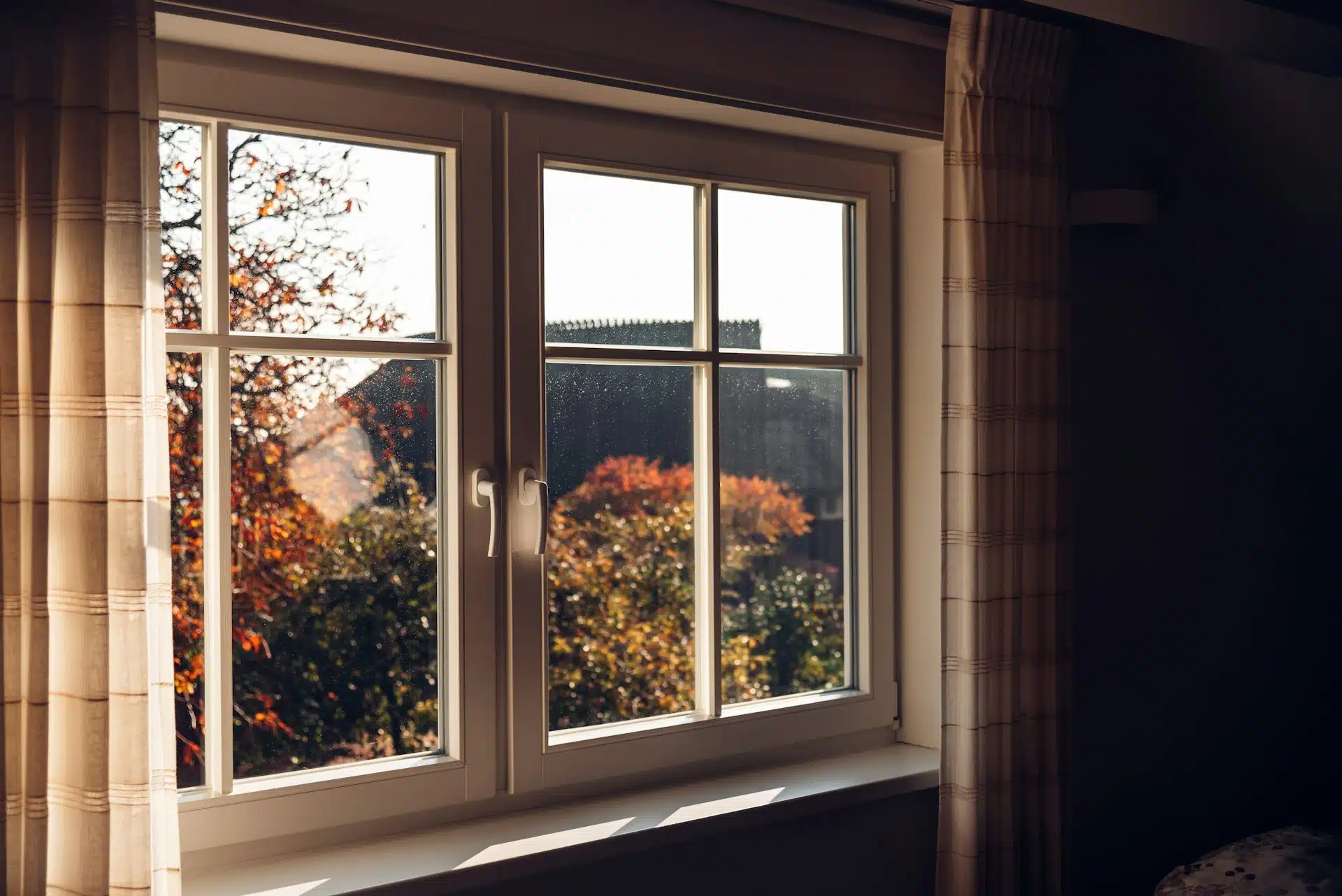
Many homeowners focus only on the glass. That is understandable, but it misses half the job.
If your seals are worn out and your timber is holding moisture, new glazing alone will not fix everything. The frame and sash need attention too.
Good retrofit work often includes sanding, paint removal, repairs, sealing, and fresh protection against the weather. That work helps extend the life of the joinery and protects the new glazing investment.
The National Park Service guide explains why repair is often the first path for old timber windows. That advice fits homeowners who want to hold onto original details.
Some specialists use systems such as retroglaze® timber, retroglaze® timber retrofit, or retroglaze® timber retrofit double glazing for this type of work. Product names vary, but the core idea stays the same: restore the timber, improve the glazing, and protect the frame for long-term use.
If you are comparing options, ask whether the proposal includes restoration work or just installing double glazed units. The benefits double when the timber and glass are improved together.
How Weather Sealing Changes the Result
Here is the part people skip, then regret later. You can have better glass and still feel drafts.
If air is leaking around the window, comfort drops fast. Heat escapes, noise gets in, and condensation problems can still hang around.
Good retrofit work often includes new seals, weather stripping, and sealant around joints. That can make a surprisingly big difference for a fairly small part of the full job.
A proper effective seal is especially important around opening windows. If those seals are worn or the latch no longer pulls the sash tight, performance drops quickly.
The air sealing guide shows why stopping unwanted air leaks can cut heat loss. Windows are a major part of that story.
Is It Cheaper to Replace the Glass than Replace the Whole Window?
Often, yes. But it depends on frame condition and the kind of upgrade needed.
If your timber frames are sound, replacing glass or fitting double glazed units can be much more budget friendly than full replacement. You avoid removing the full joinery, which can also reduce disruption.
If your current glazing has already failed, you may be asking a narrower question. Can the glass itself be changed?
This glass replacement guide explains the basic idea well. In many cases, the sealed unit can be changed without replacing the whole frame.
For homeowners also comparing product types, this double glazing overview gives a useful snapshot of why insulated glass is popular for energy savings and noise control.
That said, there are times when full replacement makes sense. If the frame is unstable, if the door frames are failing too, or if the opening has major water damage, replacing the whole assembly may be the smarter spend.
What Affects the Final Cost?
This is usually the part people want first. Fair enough.
The total cost of timber retrofitting double glazing depends on several moving parts. Some jobs are simple, while others turn into restoration projects with glass added on top.
Main cost drivers
- Size and number of windows.
- Condition of the timber frames.
- Need for rot repairs or sash work.
- Type of glass selected.
- Hardware or sealing upgrades.
- Access issues on upper levels.
- Local labor rates.
A straightforward retrofit in healthy frames will cost less than a project where every window needs repair. Many online guides gloss over that point.
The smart move is to get a detailed inspection and itemized quote. That way, you know what is for glazing and what is for timber repairs.
You should also ask whether the quote covers paint prep, hardware fixes, disposal, and aftercare. Those small line items can change the total more than expected.
A Simple Comparison to Help You Decide
Option | Best For | Main Upside | Main Tradeoff |
Timber retrofit with double glazing | Homes with solid original frames | Keeps character and improves comfort | May still need ongoing timber care |
Timber restoration plus sealing | Homes needing repair first | Extends frame life | Less thermal gain if glass stays single glazed |
Full window replacement | Frames beyond repair | Fresh system from scratch | Higher cost and possible loss of original look |
Aluminium retrofit double glazing | Homes changing material type | Lower maintenance and slim profiles | May not match existing character |
What the Process Usually Looks Like
If you have never done this before, the unknown part can feel bigger than the job itself. It helps to know what usually happens.
- A specialist inspects the timber condition and measures each opening.
- They check for rot, movement, poor past repairs, and sealing issues.
- You choose the right glazing option for warmth, sound, and budget.
- Any timber restoration work is planned first.
- The glazing is fitted into the existing joinery or upgraded sash.
- Seals, finishing, and protection coats are completed.
- The windows are tested for operation, fit, and weather performance.
That order matters. Good retrofit starts with the frame, not the brochure.
Ask whether the contractor will check every window frame separately. Conditions often vary from room to room, especially on sides of the house that take more rain or sun.
Is It a Worthwhile Investment?
For many homes, yes. But only if the timber is worth saving and the work is done well.
If you want lower heat loss, less noise, reduced condensation, and better day-to-day comfort, retrofit can be money well spent. It is often a better fit than full replacement for homes with strong timber character.
If your frames are badly decayed, though, no amount of good glass can save bad structure. That is why honest assessment comes first.
The best investment is the one that matches your house. Not someone else’s house. Yours.
That is also why it helps to compare timber retrofit double, aluminium retrofit double, and full replacement side by side. A cheaper quote is not always better if it ignores the condition of the timber or skips sealing work.
Who Benefits Most from This Upgrade?
Some homes are especially good candidates for timber retrofitting double glazing. You can spot the pattern pretty fast.
- Older homes with original timber joinery.
- Character homes where appearance matters.
- Houses with condensation problems in winter.
- Bedrooms facing traffic or wind.
- Owners planning to stay long term.
- People who want better comfort without full replacement.
- Homes where existing window frames are still in good condition.
If that sounds like your place, retrofit is worth serious thought. It solves practical issues without stripping away the look you bought the house for.
Mistakes People Make Before Choosing a Contractor
This part can save you stress. And maybe a lot of money.
People often assume every window company handles timber retrofits well. That is not always true.
You want someone who understands timber repair, glazing, and weather sealing as one package. If they treat it like a quick glass swap, the end result can disappoint.
Watch for These Red Flags
- No close inspection of timber condition.
- No discussion of condensation or ventilation.
- No breakdown between repair and glazing costs.
- No clear plan for protecting the timber after the job.
- Pushy advice to replace everything right away.
A careful contractor will look at the whole window. That includes timber health, sealing, operation, and glass performance.
It also helps to ask what happens after installation. Some companies focus heavily on sales pages, privacy policy links, or privacy policy terms, but give very little practical detail about aftercare, paint maintenance, or how long the sealed units are expected to last.
Good questions include whether the contractor can match existing profiles, whether the frames fit modern insulated glass without major changes, and whether the proposal covers any repairs to surrounding trim or door frames. Those details often separate a solid job from a short-lived one.
In Summary
Timber retrofitting double glazing is often a strong investment for homes with solid timber frames and plenty of character. It can make your house warmer, quieter, drier, and more pleasant to live in while helping you keep the look that made you love it in the first place.
What ties it all together is the condition of the timber, the quality of the glazing, and the care taken with sealing and restoration. If those parts are handled well, timber retrofitting double glazing can deliver better comfort, better insulation performance, and long-term value without the upheaval of full replacement.
Before installing double glazing, get the frames checked properly, compare quotes in detail, and look at the full job rather than the glass alone. If the timber is sound, timber retrofitting double glazing can be one of the most practical ways to improve older glazed windows while keeping the home’s original style intact.