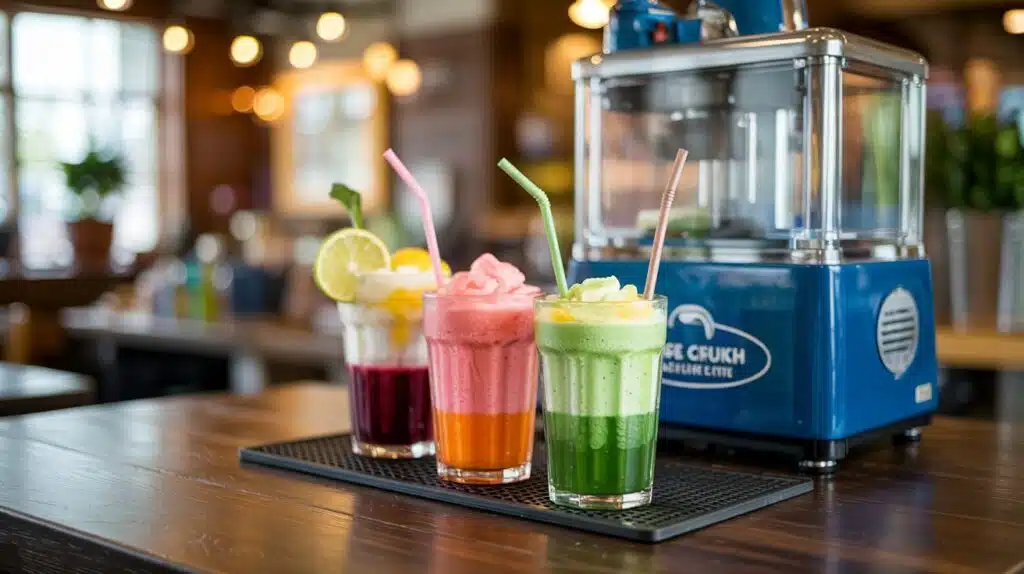
Running a busy juice bar means every piece of equipment has to earn its place. A slush machine is no different. The right one keeps your customers happy, your workflow smooth, and your profits steady.
The wrong one creates headaches you didn’t budget for. Before you invest, there are five things worth thinking through carefully. Get these right, and you’ll have a machine that performs every single shift without slowing you down.
1. Machine Capacity and Output Volume
Capacity is the first number you need to look at. A slush machine that can’t keep up with your customer flow will create bottlenecks during your busiest hours, and that’s a problem you can’t afford.
How to Match Tank Size to Your Daily Customer Volume
Most slush machines come with tanks that range from around 5 liters to 20 liters or more per barrel. For a high-traffic juice bar, a larger tank means fewer refills and less downtime. Think about your peak hours and how many frozen drinks you typically serve in a two-hour window. If that number is high, go with a machine that has a tank of at least 10 liters per barrel. You want to get frozen drinks with slush machines out to customers quickly, and tank size plays a direct role in making that happen.
Single-Barrel vs. Multi-Barrel Machines
A single-barrel machine works fine for a small setup, but a multi-barrel machine gives you the flexibility to serve different flavors at the same time. In a juice bar environment, variety is often what keeps customers coming back. A two or three-barrel machine lets you run different products simultaneously without any cross-contamination between flavors.
Planning for Growth and Peak Season Demand
Don’t just buy for where your business is today. Consider where it could be in 12 to 18 months. A machine with a higher output capacity might cost more upfront, but it protects you from having to replace your equipment as soon as your customer base grows. Peak seasons like summer can push demand sharply upward, so plan ahead.
2. Freezing Speed and Consistency of the Slush
Capacity tells you how much the machine holds, but freezing speed tells you how fast it can get back to work after a refill. For a busy juice bar, both numbers matter.
Why Freezing Time Affects Customer Wait Times
After a refill, some machines take 20 to 30 minutes to reach the right slush consistency. Others get there in under 15 minutes. That gap has a real effect on your service speed. A slow machine means customers might face a wait or receive a product that isn’t quite right in texture. Look for machines with a pre-cooling function or a fast-freeze cycle, as these features cut down recovery time significantly.
The Role of Temperature Control in Slush Quality
Consistent temperature control is what separates a good slush from a watery or icy mess. A machine with precise thermostat settings lets you dial in the exact texture you want, whether that’s a soft, smooth consistency or something slightly firmer. Inconsistent output reflects poorly on your brand and can lead to customer complaints that are entirely avoidable.
How Continuous Mixing Prevents Texture Problems
The best slush machines use continuous auger or paddle mixing to keep the product at a uniform texture throughout the tank. Without consistent agitation, the mix can separate or freeze unevenly. This matters most during slow periods, where the product sits longer between servings. A machine with a reliable mixing mechanism keeps the slush ready to serve at any moment.
3. Build Quality and Ease of Cleaning
A slush machine that’s difficult to clean or prone to breaking down will cost you far more than its purchase price over time. In a food service environment, build quality and hygiene aren’t optional extras.
What Materials Indicate a Long-Lasting Machine
Look for machines with stainless steel or food-grade components in the parts that come into contact with your product. Plastic tanks can work, but they need to be BPA-free and thick enough to withstand daily temperature cycles. The exterior housing should feel solid, not flimsy, and all seals and gaskets should fit tightly to prevent leaks. A well-built machine tolerates the daily grind of a commercial environment without showing wear quickly.
Disassembly and Daily Cleaning Requirements
In a juice bar setting, you’ll clean your slush machine at least once a day, possibly more. A machine with removable, dishwasher-safe parts saves time and reduces the risk of bacterial buildup. Check whether the tap, nozzle, and mixing components come apart without tools. The easier the disassembly, the more thoroughly your staff will actually clean it, which directly affects both hygiene and machine longevity.
Spotting Common Durability Red Flags Before You Buy
Avoid machines with complaints about cracked tanks, leaking taps, or motors that overheat after a few hours of use. Before purchase, read through user reviews with a focus on how the machine holds up after six months or more of regular use. A good warranty, ideally two years or longer, is a strong indicator that the manufacturer stands behind the product.
4. Energy Efficiency and Operating Costs
A slush machine runs for hours every day, and that time adds up on your electricity bill. Energy efficiency should factor into your decision, especially if you plan to run multiple barrels simultaneously.
Understanding Power Consumption Ratings
Most commercial slush machines list their power consumption in watts. A typical single-barrel machine draws between 150 and 400 watts, while larger multi-barrel units can exceed 800 watts. Compare these figures across models and calculate the daily cost based on your local electricity rate. A machine that draws 100 extra watts might seem minor, but over 300 operating days a year, that gap becomes noticeable.
The True Cost of Ownership Beyond the Sticker Price
The purchase price is only part of the equation. Factor in the cost of replacement parts, cleaning products, the mix itself, and any service fees. Some machines use proprietary components that are expensive to replace, while others use standard parts available from multiple suppliers. Choose a machine where the total cost of ownership over two to three years fits comfortably within your budget.
Energy-Saving Features Worth Looking For
Some models come with a sleep or standby mode that reduces power draw during off-peak hours without letting the product melt. Others have insulated tanks that retain cold temperatures more effectively, so the compressor doesn’t have to work as hard. These features won’t make or break a decision, but they do contribute to lower operating costs over time.
5. Versatility, Flavor Options, and Brand Support
A slush machine that only works with one type of mix or one flavor profile limits what you can offer your customers. Versatility expands your menu and keeps your juice bar relevant as customer preferences change.
Compatibility With Different Mix Types and Recipes
Some machines are calibrated specifically for sugar-based mixes and may not perform as well with lower-sugar or natural fruit-based recipes. For a juice bar, this matters. You’ll likely want to serve fruit slushies, possibly functional drinks, and maybe seasonal specials. Confirm that the machine you consider can handle a variety of mix types without compromising consistency or putting excess strain on the motor.
Multi-Flavor Setups and Menu Flexibility
A multi-barrel machine doesn’t just add capacity: it adds the ability to run different flavors or product types at the same time. This flexibility lets you cater to a wider range of customer preferences in a single visit. You could run a tropical blend alongside a citrus option, or a caffeinated slush next to a classic fruit flavor. That kind of variety turns a single purchase into a menu driver.
After-Sales Support and Parts Availability
Even a well-built machine needs occasional service. Before you commit to a purchase, check that the supplier offers accessible after-sales support, clear documentation, and readily available spare parts. A machine that breaks down mid-service with no support available is a serious operational problem. A supplier with a good support track record is worth paying a small premium for.
Conclusion
Choosing the right slush machine for your juice bar comes down to five clear factors: capacity, freezing speed, build quality, operating costs, and versatility.
Give each one the attention it deserves before you buy, and you’ll invest in a machine that serves your customers well and supports your business long-term. Take your time, compare your options carefully, and choose with confidence.