

I know how overwhelming mattress shopping can be, especially when you’re trying to figure out which size actually makes sense for your space.
A twin mattress is one of those workhorses that doesn’t get enough credit. It’s the go-to for kids’ rooms, teenagers who aren’t quite ready for something bigger, bunk beds, and those cozy guest rooms where space is tight.
I’ve put together this guide to walk you through how a twin stacks up against other mattress sizes, so you can make a confident choice without second-guessing yourself later.
Let’s get started!
What is a Twin Mattress?
A twin mattress is the smallest standard mattress size you’ll find in most stores, designed primarily for single sleepers who need a compact sleeping solution.
I see these most often in children’s bedrooms, dorm rooms, and guest spaces where maximizing floor space matters. It’s essentially the entry-level option that gets kids through their growing years without breaking the bank.
The beauty of a twin is its versatility. You can fit two in a shared bedroom, stack them as bunk beds, or tuck one into a tiny apartment without feeling like your mattress has taken over the room.
Twin Mattress Size Dimensions
A standard twin mattress measures 38 inches wide by 75 inches long, making it the most compact option for single sleepers.
Thickness typically ranges from 8 to 12 inches, depending on the mattress type and comfort layers.
If you’re taller than six feet, though, a twin XL might be your better bet. It keeps the same 38-inch width but stretches to 80 inches long, giving you that extra legroom.
Twin XLs are especially popular in college dorms and pair well with adjustable bed frames.
Quick Size Comparison:
- Twin: 38″ W × 75″ L (perfect for kids and compact spaces)
- Twin XL: 38″ W × 80″ L (same width, extra length for taller sleepers)
Twin vs. Other Mattress Sizes: A Detailed Comparison
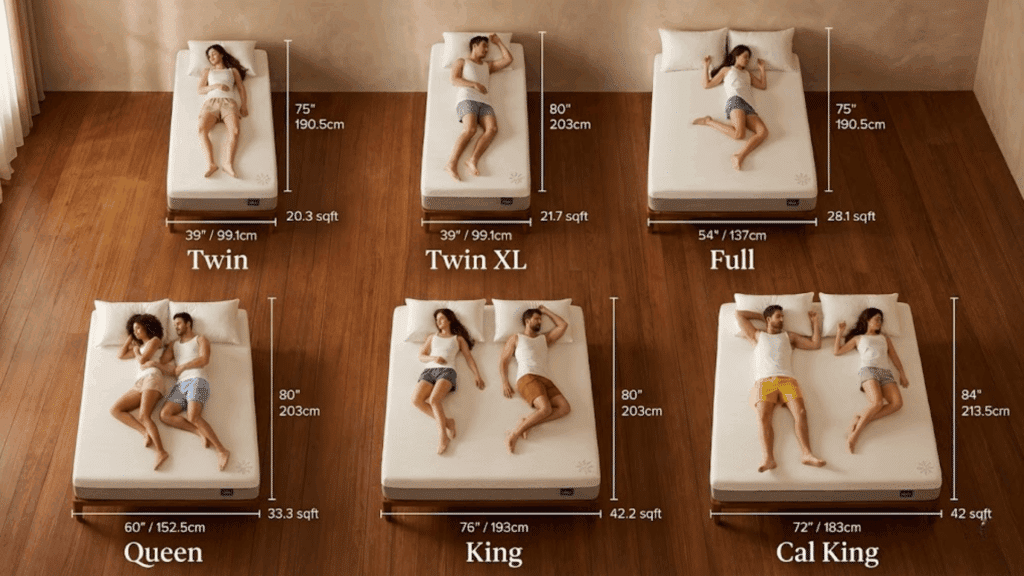
Understanding how a twin measures up against other mattress sizes helps you make smarter decisions based on your space, budget, and sleeping needs.
I’ve broken down each comparison so you can see exactly where a twin fits in the bigger picture.
1. Twin vs. Twin XL
The only difference here is length. A twin XL adds five extra inches (38″ × 80″ vs. 38″ × 75″), which matters if you’re over six feet tall. Price difference is minimal, usually around $50 to $100 more for the XL.
Twin XLs are standard in college dorms and work beautifully with adjustable bases, while regular twins suit younger kids and guest rooms where height isn’t a concern.
2. Twin vs. Full
A full mattress (54″ × 75″) gives you 16 extra inches of width compared to a twin (38″ × 75″). That’s the difference between feeling snug and having actual rolling room.
Singles who move around at night or want more personal space should consider upgrading to a full. It’s also the better choice if your bedroom can handle the footprint and you’re not dealing with tight corners or narrow doorways.
3. Twin vs. Queen
Queens (60″ × 80″) are the go-to for couples, offering significantly more space than a twin. We’re talking 22 inches wider and 5 inches longer. A twin works for solo sleepers in smaller rooms, while a queen is ideal if you’re sharing the bed or simply want room to sprawl.
Cost and space requirements jump considerably with a queen, so think about your budget and bedroom size before making this leap.
4. Twin vs. King
A king mattress (76″ × 80″) is essentially two twins pushed together, width-wise. It’s built for couples who want maximum personal space or families with kids who climb in for weekend snuggles.
A twin makes more sense for individual sleepers, kids’ rooms, or any situation where you’re prioritizing floor space over sleeping surface. Kings also require larger bedrooms and come with a heftier price tag.
5. Twin vs. California King
California kings (72″ × 84″) are narrower than standard kings but longer, designed for taller individuals or narrow master bedrooms. Comparing this to a twin (38″ × 75″) feels a bit extreme since they serve completely different purposes.
A twin excels in compact living situations like apartments, kids’ rooms, or guest spaces, while a Cal king is a luxury choice for spacious bedrooms and tall sleepers who need that extra length.
6. Twin vs. Narrow Twin
Narrow twins (sometimes called RV twins) typically measure 30″ × 75″, making them 8 inches slimmer than standard twins. You’ll find these in RVs, campers, and specialized bunk bed setups where every inch counts.
They’re not common in residential settings, but if you’re outfitting a mobile home or building custom sleeping quarters, a narrow twin might be your only option that fits the space constraints.
7. Twin vs. Small Single
Small singles (also around 30″ × 75″) are essentially the same as narrow twins but are more commonly found in European markets and older homes. They’re incredibly niche in the U.S. market.
Unless you’re dealing with antique bed frames or extremely tight quarters, a standard twin offers better long-term value and wider availability for sheets and bedding accessories.
Room Size Requirements for Twin Mattresses
One of the biggest advantages of a twin mattress is how little space it actually needs. I’ve found that even the smallest bedrooms can comfortably accommodate a twin while leaving room for essential furniture and movement.
Minimum Room Size and Layout Tips
When planning your space around a twin mattress, these measurements and placement strategies will help you maximize comfort and functionality:
- A room measuring at least 7′ × 10′ works for a basic twin setup, though 10′ × 10′ gives you breathing room for dressers and nightstands.
- Leave 2 to 3 feet of clearance on at least two sides of the bed for easy access and making the bed without contorting yourself.
- Position the bed against a wall in tight spaces to maximize usable floor area for desks, storage, or play zones.
Twin in Shared and Multi-Purpose Rooms
Twins shine in rooms that need to serve multiple purposes or accommodate different types of sleepers:
- Kids’ rooms benefit from twins because you can fit study desks, toy storage, and bookcases without the room feeling cramped or cluttered.
- Guest rooms with twins (or two twins) offer flexibility for hosting couples separately or single visitors comfortably, especially with twin XLs for taller guests.
- Dorm rooms and studio apartments make twins ideal since they free up precious square footage for workspaces, seating areas, and daily living activities.
Who is a Twin Mattress Best For?
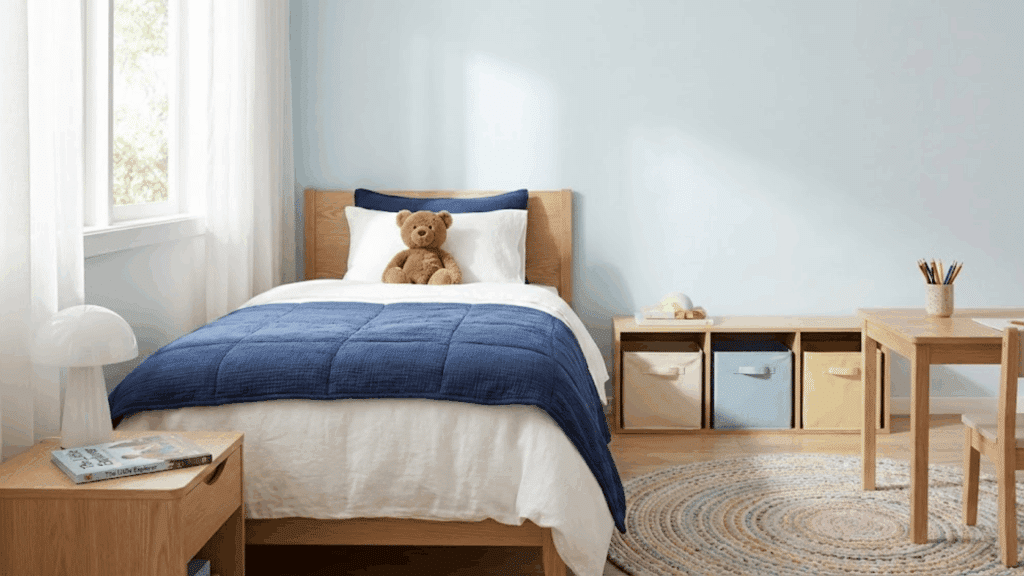
Not everyone needs a king-sized bed, and honestly, a twin mattress is the perfect fit for more situations than you might think.
Here’s where twins really shine:
- Kids and Growing Children (Ages 3 to 12): A twin offers plenty of room through the elementary years and remains cost-effective as kids outgrow toddler beds.
- Teens and College Students: Twin XLs work better for taller teens, especially in dorm rooms where they’re often the standard size provided.
- Single Adults in Small Spaces: If you sleep solo and your bedroom is tight on square footage, a twin keeps things comfortable without dominating the room.
- Bunk Beds and Daybeds: Twins are the standard size for these space-saving furniture pieces, making bedding and frame options widely available and affordable.
- RVs, Campers, and Studio Apartments: When you’re living compact or mobile, a twin maximizes your usable living space while still providing a proper sleeping surface.
If you fall into any of these categories, a twin mattress probably checks all your boxes. It’s about matching your mattress to your actual needs rather than buying bigger just because you can.
Types of Twin Mattresses Available
Twin mattresses come in the same material varieties as larger sizes, so you’re not sacrificing comfort just because you’re going compact.
Each type offers distinct benefits depending on your sleep style, budget, and priorities.
| Mattress Type | Best For | Key Benefits | Drawbacks |
|---|---|---|---|
| Memory Foam | Pressure relief seekers | Body contouring, motion isolation | Can sleep hot, may feel too soft |
| Hybrid | Balanced comfort | Foam + coil support, good airflow | Higher price point |
| Innerspring | Budget shoppers, kids | Affordable, breathable, bouncy | Less durable, minimal pressure relief |
| Latex | Eco-conscious buyers | Durable, hypoallergenic, responsive | Expensive, heavy |
The right twin mattress type depends on who’s sleeping on it and what matters most to you.
Kids might do just fine with a budget innerspring, while adults in small spaces might appreciate the longevity of latex or the comfort of memory foam.
Bedding & Accessories for Twin Size
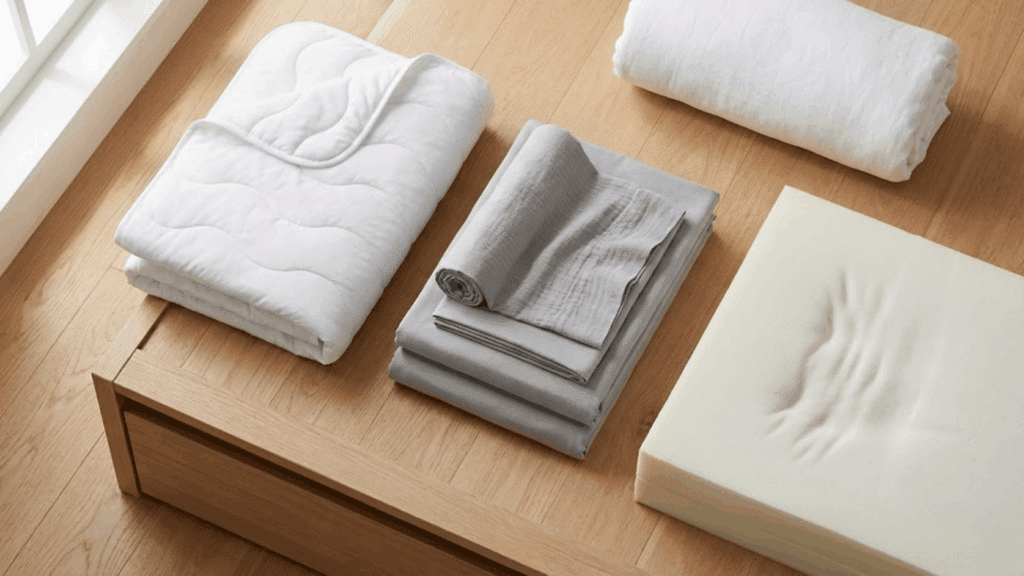
Once you’ve picked your twin mattress, you’ll need the right bedding and accessories to complete the setup. The good news is that twin-sized products are widely available and tend to be more affordable than their larger counterparts.
Twin Bed Frames and Foundation Options
Choosing the right frame depends on your space and whether you need storage or height adjustments:
- Platform beds eliminate the need for a box spring and often include built-in storage drawers, perfect for maximizing small bedrooms.
- Box spring setups work with traditional metal frames and add height, making it easier to get in and out of bed.
- Bunk bed frames are designed specifically for twin mattresses and must meet weight and safety standards, especially for kids’ rooms.
Twin Sheets, Protectors, and Toppers
Getting the right fit for your bedding ensures comfort and longevity. Twin sheets measure 39″ × 75″ for fitted sheets (with extra depth for the mattress thickness), while flat sheets run slightly larger.
Mattress protectors should match your mattress depth, typically ranging from 8 to 14 inches, with stretchy skirts.
Toppers between 2 to 3 inches thick add cushioning without making your sheets fit awkwardly, and memory foam or latex options work best for pressure relief.
Final Thoughts
Choosing the right mattress size really comes down to understanding your space, budget, and who’ll be sleeping on it.
I’ve covered how a twin mattress compares to other sizes, and hopefully you now have a clearer picture of whether it’s the right fit for your situation.
Twin mattresses aren’t just for kids anymore; they’re practical solutions for dorms, guest rooms, and compact living spaces where every square foot counts.
If you’ve got questions or experiences with twin mattresses you’d like to share, drop a comment below. I’d love to hear what worked (or didn’t work) for you.