
Buying a home with friends is becoming a desirable option for people who are struggling to buy a home on their own. By combining financial resources, friends can become homeowners sooner and get access to better homes with more amenities.
Although people of all ages are pursuing this alternative path to homeownership, a Rocket Mortgage survey of house hunters found that 66% of people interested in co-buying are Gen Xers and Millennials.
Many from this age group already know what it’s like to live with friends, but there are unique challenges that come with co-buying a home. If you’re considering this path, before you commit to anything, it’s critical to understand the advantages and possible challenges you may face.
The Benefits of Co-Buying a Home With Friends
The main reason people co-buy homes with friends is to save money. Housing affordability has become a big problem and many people need a second income to buy a decent home. With multiple incomes, lenders are more likely to approve a bigger mortgage with better rates than each individual would qualify for on their own. This alone can make it possible to buy a nicer home.
The benefits of co-ownership include:
- Faster entry into homeownership. Most people spend years saving for a down payment. Combining financial resources with friends to make a down payment makes it possible to buy a home sooner.
- Lower ongoing costs. Friends who co-own a home can split all the usual costs, like property taxes, maintenance, repairs, insurance premiums, yard maintenance, utilities, and more.
- Split responsibilities. In addition to splitting the financial cost, co-buyers can split administrative responsibilities so nobody feels overwhelmed or carries too much of the burden.
Although many people see shared ownership as something married couples do, it’s becoming more socially acceptable to co-buy a home and live with friends. People are already living in multi-generational homes to manage housing affordability challenges.
The Financial Advantages of Co-Ownership
Co-ownership is a great opportunity to spend less on housing. You can divide the monthly mortgage payment, pay a smaller share of utilities like internet and electricity, and share all maintenance costs. Most importantly, and unlike rent, mortgage payments contribute to ownership. In a co-buying arrangement, everyone can build equity while sharing expenses.
The Personal Benefits of Co-Buying a House With Friends

Beyond the financial benefits, shared ownership can provide lifestyle benefits as well. For example, a combined income can help you buy a bigger home in a nice neighborhood with better amenities. You’ll also have a built-in support system that creates a sense of community when you live with friends.
Don’t overlook these risks
Even though co-buying can provide significant benefits, there are risks you need to carefully consider. For instance, when co-owners have different spending habits it could create tension when you’re faced with unexpected large property expenses and someone can’t contribute equally. Even if you understand ahead of time that one person won’t be able to contribute as much as the other people, it could turn into a dispute later on as expenses rise.
You also need to consider that life circumstances change, and someone who feels committed today might want to move or get married in the future. These changes and other conflicts can put stress on your friendships if you’re not careful about maintaining clear and direct communication.
Written Agreements Are Essential
Before you commit to co-buying a home with anyone, it’s essential to have written agreements in place. For example, you need an agreement that specifies how much of the property each person owns based on their individual financial contributions. Your contract should define all financial responsibilities clearly and include what will happen when someone wants to move out or sell their share of the property.
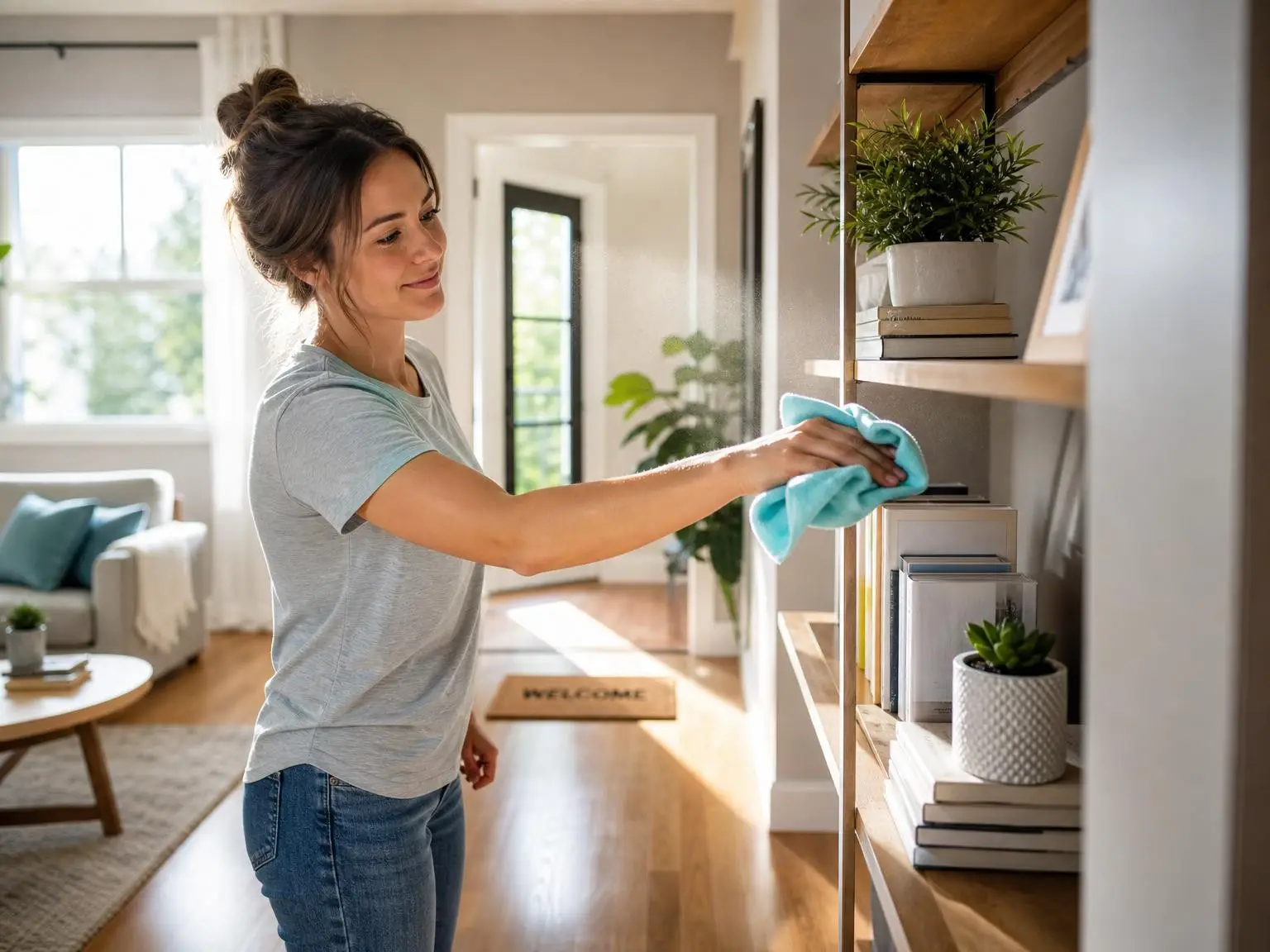
In addition to contracts outlining the financial aspect of the arrangement, it’s equally important to have a cohabitation agreement with anyone who will be living in the home. This agreement outlines each person’s responsibilities for cleaning, shared bills, and abiding by household rules.
Balance Opportunity and Responsibility
Owning a home with friends can provide opportunities and financial savings you can’t get otherwise. At the same time, a successful co-buying arrangement requires careful planning, open communication, legal contracts, and a clear understanding of what might go wrong.
With the right people and strong agreements, buying a home with friends can be a practical and rewarding experience.