Most homeowners don’t consider indoor air quality until they buy their first air purifier.
But here’s the real problem…
Most pollutants in your indoor air are caused by postponed or avoided home maintenance projects.
The EPA estimates Americans spend 90% indoors. Levels of pollutants can range anywhere from 2 to 5 times higher than outdoor levels — making indoor air quality a health concern you should take seriously.
Indoor pollutants are often due to poor home maintenance and delayed repairs. It’s easy to overlook little things around the house to save time or money. Leaky roofs lead to mold growth, clogged HVAC filters reduce air quality, and crawl spaces should always be ventilated. If you’ve already got a failing roof on your to-do list, a shingle roof replacement may help improve more than just your home’s weatherproofing. Partnering with a professional Roofing Contractor in Centralia can help prevent further moisture issues from aging shingles before the problem becomes far more expensive to repair.
Here’s What Every Homeowner Should Know:
- How your home maintenance affects indoor air quality
- Why roof replacement can improve your indoor air quality
- HVAC maintenance – what most homeowners avoid doing
- Why bathroom ventilation is important (more than you realize)
- Crawl space moisture – the indoor air pollutant homeowners forget about
- VOCs, paint, and renovating safely
Why Your Home Maintenance Dictates Your Indoor Air Quality
Home maintenance has a larger impact on indoor air quality than you might realize.
The National Institutes of Health found 50% of illnesses are worsened by polluted indoor air. Yikes.
Indoor air pollution can come from outdoor sources, but it can also be created inside your home. Moisture from leaky roofs encourages mold growth, dirty HVAC filters circulate dust and debris, and VOCs from paint off-gas in enclosed rooms. Maintaining your home is vital.
Roof Replacement Improves Indoor Air Quality (But How?)
Here’s a home maintenance project most people don’t associate with indoor air quality…
Moisture from leaky roofs causes mold to thrive in your attic. And where does your attic wrap-around right? Above the bedrooms.
Roof leaks allow moisture to enter your attic unchecked. According to the National Institute for Occupational Safety and Health, almost 47% of residential buildings had visible mold or mold odors. Roof failure is one of the leading reasons behind excess moisture.
As mold builds up in the attic, it can travel to other rooms of your home through air vents. And since many HVAC systems run adjacent to your attic, your vents are a direct highway for mold spores to get distributed.
Thinking about replacing your shingles? Here’s what to look out for before it gets worse:
- Curling or cracked shingles on your roof
- Water staining on ceilings or walls
- A persistent mildew smell coming from upstairs bedrooms
- Allergy symptoms getting worse when at home
You don’t want to wait until you see water dripping through the ceiling. By then, moisture has often been trapped in your attic for months.
Replacing your roof does more than provide protection from the elements. It also eliminates one of the largest sources of indoor moisture and subsequent mold growth.
HVAC Maintenance is Neglected (And Hurts Your Indoor Air)
Think of your HVAC system as your home breathing.
Dirty filters and clogged air ducts pump contaminants into every room. But replacing the air filter is one of the most skipped home maintenance items.
A simple HVAC maintenance checklist:
- Replace air filters every 1–3 months
- Schedule annual HVAC inspection
- Have ducts cleaned every 3–5 years
- Inspect air handlers for moisture
If your HVAC system isn’t taken care of, it will lower your air quality, decrease its own lifespan, and drive up energy costs without you realizing it.
Bathroom Ventilation and Your Indoor Air Quality
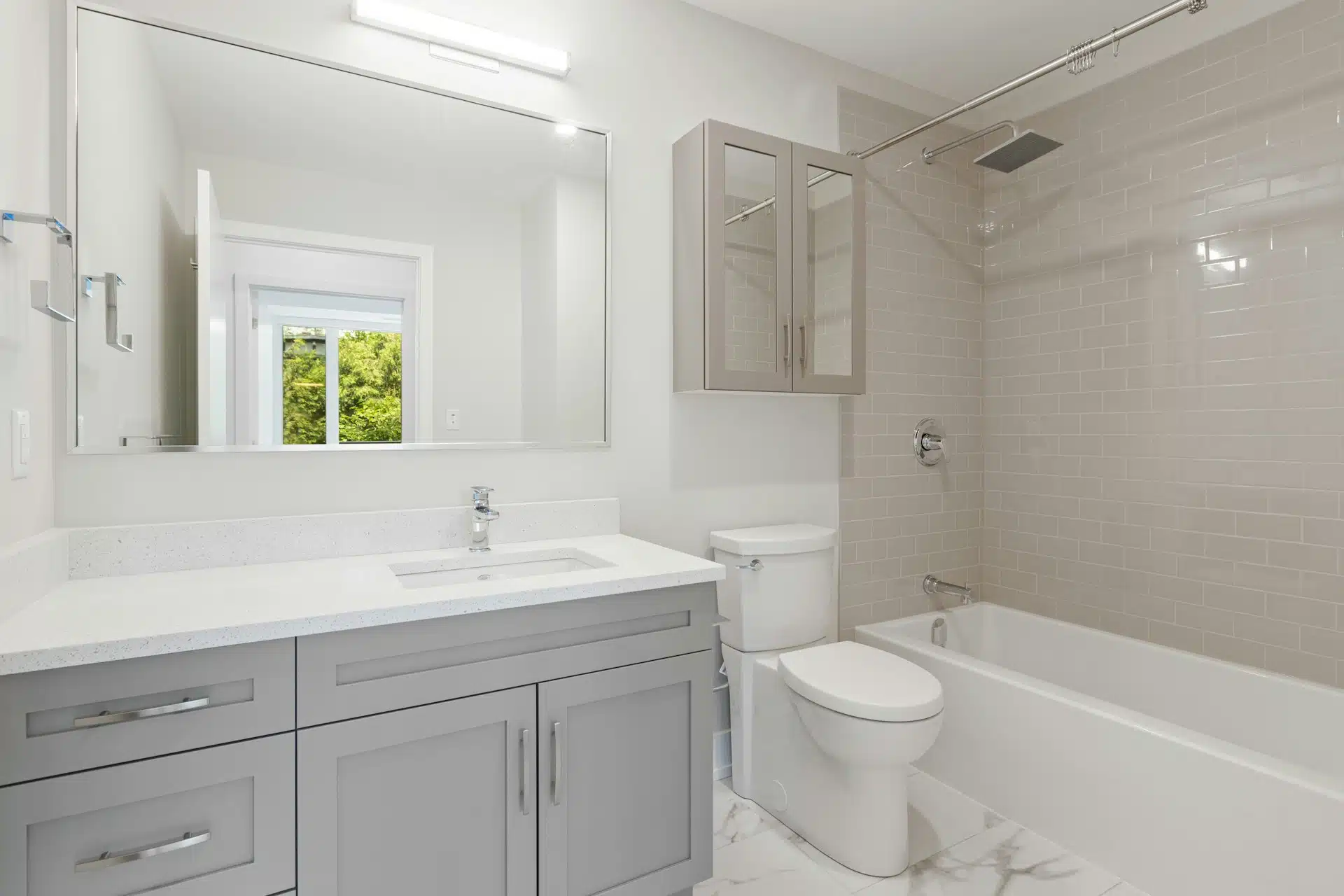
The average bathroom produces tons of moisture every day.
Without proper ventilation, all that humidity hangs around. Attractive to mold and mildew growth. It also soaks into bathroom drywall, grout, ceiling materials, and more.
Believe it or not, most bathroom exhaust fans are either undersized or vented to the attic instead of outdoors.
If your bathroom doesn’t have an exhaust fan, consider installing one. If it does already, make sure it vents to the outside and runs during every shower for at least 20 minutes.
Bathroom exhaust fans are one of the most inexpensive home maintenance fixes. It’s also one most people don’t think about.
Crawl Space Moisture Increases Indoor Pollutants
Speaking of ventilation. A crawl space that isn’t sealed properly can work against you.
Also known as crawl space encapsulation, the process blocks ground moisture from entering your home. This helps with mold and keeps humidity levels down.
Here are a few signs of excess crawl space moisture:
- Musty smells in the first floor living areas
- Pipes/foundation walls in your crawl space are covered with condensation
- Buckled hardwood floors or paint chipping along the bottom of wall
Encapsulating your crawl space and adding a dehumidifier can help reduce moisture while improving your whole home’s air quality.
Painting, VOCs, and Safe Renovation Tips
Renovation season is coming up? Hold up.
Not all renovation materials are created equal when it comes to indoor air quality.
Traditional paints and adhesives off-gas VOCs for weeks, maybe even months after installation. If your home isn’t ventilated properly, VOC levels can build up. Leading to headaches, nausea, and respiratory issues.
A few tips to avoid VOC pollution during renovation:
- Try to find paints and adhesives that are low-VOC or zero-VOC
- Keep rooms well ventilated during and after installation
- Avoid painting your entire home during the winter months
Flooring adhesive and pressed-wood cabinetry can also off-gas formaldehyde years after installation.
The Home Maintenance Projects to Tackle Right Away
Bad indoor air quality isn’t restricted to just your HVAC system.
Every home maintenance item on this list ties back to your indoor air quality. Replacing your roof stops mold growth before it can start. Cleaning your HVAC prevents nasty pollutants from spreading. Exhaust fans and crawl space encapsulation limit the amount of moisture in your home (leading to mold). And finally, low-VOC materials limit the number of pollutants during renovation.
Remember:
- Inspect your roof if shingles are damaged or brittle
- Replace HVAC filters monthly and schedule annual maintenance
- Test bathroom fans for proper ventilation
- Take care of crawl space encapsulation
- Choose your renovation materials carefully
Home maintenance shouldn’t be difficult. Neglecting it is one of the quickest ways to turn your home against you and the ones you love.