

The first night home can feel long after lung surgery. I remember how hard it was to relax when every breath and cough felt louder in the dark.
If you are searching for sleeping positions after lung surgery, you probably want one thing: a setup that helps you breathe, supports your chest, and keeps pain from spiking at 2 a.m.
Small changes like a 30–45 degree incline, smart pillow placement, and picking the safer side can make a real difference.
I will walk you through the most helpful positions, what to avoid, and how to adjust based on your procedure, so sleeping positions after lung surgery feel more manageable.
Sleep Position Matters After Lung Surgery
After lung surgery, how you lie down affects breathing, pain levels, and how well your chest heals overnight.
Poor positioning can increase pressure on your ribs, trigger coughing, or make it harder to take full breaths.
The right setup supports your lungs, keeps strain off your incision, and helps your body rest without sudden discomfort. Even small adjustments, like elevation or side support, can change how you feel by morning.
Understanding why position matters makes it easier to choose the safest and most comfortable way to sleep each night.
Best Sleeping Positions After Lung Surgery
You need clear sleep positions that help your chest rest, lower your pain, and support your breathing during recovery.
Sleeping on Your Back

Sleeping on your back helps lower pressure on your chest and ribs, which often makes breathing feel easier. You can place a pillow under your knees to relax your lower back and reduce strain on your chest.
A soft pillow under each arm keeps your shoulders steady, which protects your incision area. This position also helps you stay stable through the night so you don’t twist or roll in a way that causes pain. Many patients find this posture the easiest early on.
Semi-Reclined Position

A semi-reclined position keeps your upper body raised at about a 30–45 degree angle. This gentle lift helps your lungs open more fully, which eases nighttime breathing.
You can use a wedge pillow or an adjustable bed to get steady support. This angle also lowers pressure on your incision and ribs, making it easier to rest without sharp pain.
Many people use this setup during the first weeks because it reduces coughing, helps air move through your chest, and keeps you comfortable while you heal.
Sleeping in a Recliner
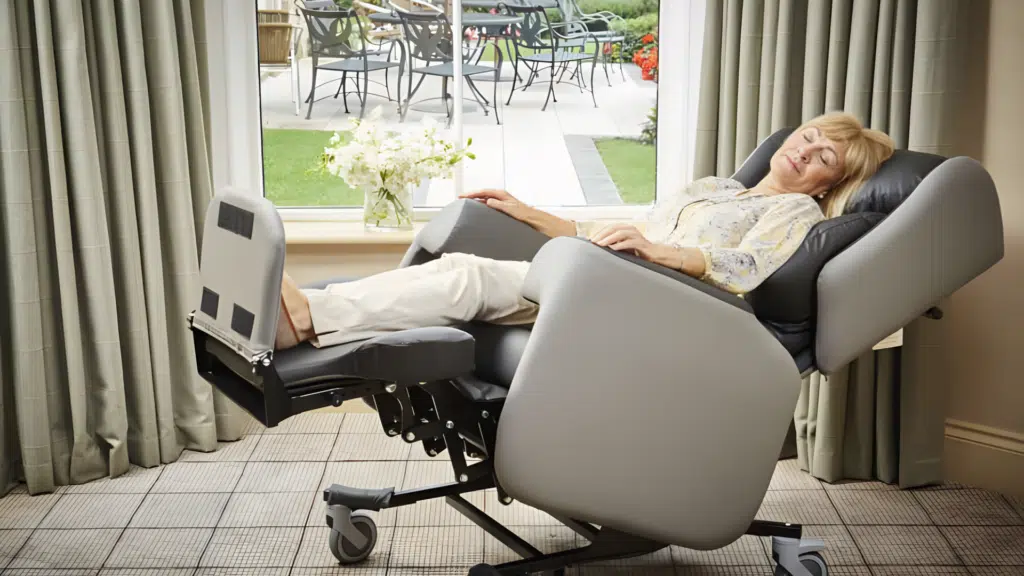
A recliner can help during early recovery because it supports your upper body without letting you slide flat. This position keeps your chest steady and helps you breathe with less effort.
You can adjust the angle to match your comfort level, which is helpful when your ribs feel sore or tight. A recliner also makes it easier to get up without twisting or pushing with your arms.
Many patients use a recliner for several nights or weeks until they can return to a regular bed comfortably.
Side Sleeping

Side sleeping can work well when you rest on the lung that was not operated on. This side gives better air movement and keeps pressure off your healing area.
Place a pillow between your knees to keep your hips level and another pillow under your upper arm for support. This helps your chest stay steady and reduces strain on your incision.
If you want to try resting on your surgical side later in recovery, ask your surgeon first, since timing matters for comfort and safety.
Side-Specific Sleeping Advice
You need clear help choosing the safest side for rest so your breathing stays steady and your chest stays protected during healing.
- Resting on the healthy lung gives better airflow and lowers strain on healing tissue, which helps your breathing stay steady during sleep.
- The surgical side may feel tender early on, so resting there should wait until your surgeon confirms it is safe for your stage of recovery.
- Chest tube sites can feel sore, so most patients rest away from that side and use pillows to prevent rolling toward tender areas.
- When resting on either side, keep a pillow between your knees and another under your upper arm to help your chest stay stable.
- Move slowly into each side position and stop if you feel pulling, tightness, or sharp discomfort around your incision or rib area.
These side guidelines help protect tender areas, improve airflow, support steady rest, and lower nighttime discomfort while your chest continues to heal.
Sleeping Positions Based on the Type of Surgery
Your sleep needs change with each procedure, so understanding how your surgery affects comfort, pressure, and breathing helps you choose the safest position each night.
1. VATS (Minimally Invasive)
VATS usually causes less chest soreness, which gives you more freedom with sleep positions during early recovery.
You may return to side sleeping sooner because the small incisions place less strain on your ribs. Many patients start with a slight incline for comfort, then shift to their preferred side once pain decreases.
You can still use extra pillows to support your chest and back as you adjust. Even with fewer limits, move slowly when turning so your healing areas stay protected.
2. Open Thoracotomy
Open thoracotomy creates more soreness because your ribs are spread during surgery, so sleep positions need more support.
Most patients feel better in a raised position to reduce chest pressure and ease breathing. Side sleeping often takes longer to return because lying on either side may feel uncomfortable at first.
Using multiple pillows can help stabilize your ribs and prevent sudden movement. Elevation is especially helpful during the early weeks since it reduces strain and allows your chest to rest while you heal.
3. Lobectomy
After a lobectomy, your body adjusts to a change in lung volume, which can affect how you breathe when resting.
Many patients feel more comfortable sleeping on the side of the healthy lung because it supports better air movement. A raised position often helps reduce tightness and pressure as your chest adapts.
Pillows placed around your ribs and back add steady support while you change sides at night. Move slowly when turning to avoid pulling on your incision or causing sudden discomfort.
4. Wedge Resection
A wedge resection involves removing a small part of the lung, so many patients regain comfort sooner compared to larger surgeries.
You may return to your normal sleeping side earlier because the rib strain is usually lower. Starting with a slight incline can help reduce soreness and steady your breathing while your incision heals.
As you improve, you can shift to side positions with pillow support along your back and legs. Move carefully at first so your chest stays relaxed during each position change.
Positions to Avoid After Lung Surgery
You need to avoid positions that add pressure to your chest or make breathing harder while your body heals during recovery.
- Stomach sleeping limits airflow and increases chest pressure, which can make breathing harder and raise discomfort around your incision area.
- Lying flat removes helpful support from your upper body and can cause tightness, coughing, or shortness of breath during the early weeks.
- Resting on the surgical side too soon can place weight on tender tissue, increase soreness, and slow your progress if the area is still healing.
- Any position that twists your ribs or pulls on your incision should be avoided, especially during the first stage of recovery.
Use pillows to block rolling into unsafe positions during the night so your chest stays supported without strain.
Avoiding these positions helps protect healing tissue, reduce strain, and keep your breathing steadier as your body moves through recovery.
How to Move In and Out of Bed Safely
Getting in and out of bed the right way helps protect your chest and keeps pain lower. The big rule is simple: do not push up hard with your arms. That move can pull on your incision and strain the ribs.
Instead, use a log roll. Start on your back with knees bent. Roll your whole body as one unit onto your side, keeping shoulders, hips, and knees lined up.
Slide your legs off the bed while you gently push your upper body up using your elbow and forearm, not your hands. Sit for a few seconds before you stand.
When you lie back down, reverse the steps slowly. Keep a pillow close to hold against your chest if coughing starts.
Equipment That Makes Sleeping Easier
- Wedge pillow (30–45 degrees): Keeps your upper body raised so breathing feels easier and chest pressure stays lower at night.
- Adjustable bed (head elevation): Lets you change angles in small steps, so you can find a position that reduces pain.
- Recliner chair: Helps if lying flat makes you cough more or makes you feel short of breath.
- Body pillow: Gives steady side support so you do not roll onto a sore side while sleeping.
- Small firm pillow (for chest support): Hold it over your incision when coughing, moving, or standing up to reduce pulling.
- Extra standard pillows: Use them behind your back, under your elbows, or under your knees to keep your body stable.
- Non-slip pillow covers or towel: Helps pillows stay in place, so your setup does not slide during the night.
Managing Nighttime Coughing and Breathing Issues

This section shows why night cough happens after lung surgery and how sleep positions and simple steps improve breathing comfort.
Why Coughing Gets Worse at Night
Coughing often feels worse at night because you lie still and breathe more shallowly. Gravity changes how mucus sits in your airways, so it can pool and trigger coughing.
When you move from upright to lying down, mucus can shift and irritate healing airways. Your throat and lungs may also feel more sensitive at night due to dry room air, pain medicine effects, or post-op swelling.
If you have a chest tube site, that area can ache more when you cough, which makes you tense up and cough in shorter bursts.
Best Positions for Mucus Drainage
A gentle incline helps mucus move while keeping breathing steady. Use a 30–45 degree rise with a wedge, recliner, or stacked pillows.
- Raise your upper body 30–45 degrees using a wedge pillow, recliner, or stacked pillows.
- If one side feels tight, stay inclined and add a small side tilt for easier airflow.
- Place a body pillow behind your back, plus another under your top arm for support.
- Keep your neck neutral so your airway stays open and breathing feels less strained.
- If coughing starts, pause, take slow breaths, then reset pillows before settling again.
This setup keeps your chest open, supports airflow, and helps mucus drain without forcing deep, painful coughing.
Splinting Your Chest
Splinting means holding a pillow against your chest to support your incision area while you cough.
Use a small, firm pillow or a folded towel. Press it gently but firmly over the sore spot, then cough in short, controlled bursts instead of one hard cough. This support can reduce pulling pain and help you cough more effectively.
It is also useful when you sit up, stand, or shift positions in bed. Keep the pillow within reach all night so you do not have to twist or reach suddenly when a cough starts.
Spirometer Use Before Bed
Using an incentive spirometer before bed can help open the lungs and reduce the “tight” feeling when you lie down.
Do a slow set earlier in the evening, then another set right before you try to sleep, unless your care team gave different instructions. Sit upright, seal your lips, inhale slowly, and hold the breath briefly if you can.
Rest between breaths, so you do not get lightheaded. This routine can help move air into areas that may stay underused after surgery, which may reduce nighttime coughing and improve comfort.
When To Call Your Surgeon
Call your surgeon right away if your breathing suddenly gets worse, you feel new chest tightness, or you cannot catch your breath at rest. Get urgent help for chest pain that feels heavy or spreads to your arm, jaw, or back.
Call if you cough up bright red blood, or if the amount increases. Report a fever of 100.4°F (38°C) or higher, chills, or shaking.
Reach out if your incision gets redder, warmer, swollen, or starts draining pus or a bad-smelling fluid.
Call if your pain suddenly spikes, your ribs spasm nonstop, or pain medicine stops helping. If you had a chest tube site, report new leaking, bubbling, or sudden swelling under the skin. If you feel faint, confused, or unusually drowsy, get help.
Conclusion
By now, you have a clear plan for rest: back sleeping with pillows, a gentle incline, and side support when it is safe.
You also know that your safest side can change based on the surgical side and any tube site. I also covered how to get in and out of bed using a log roll, plus simple gear like wedge pillows or a recliner when lying flat feels rough.
The goal is steady breathing and less strain on healing tissue, night after night. If you want, tell me which position helped you most, or what is still bothering you.
And if you are reading more, check out my other posts for recovery comfort tips, including sleeping positions after lung surgery.