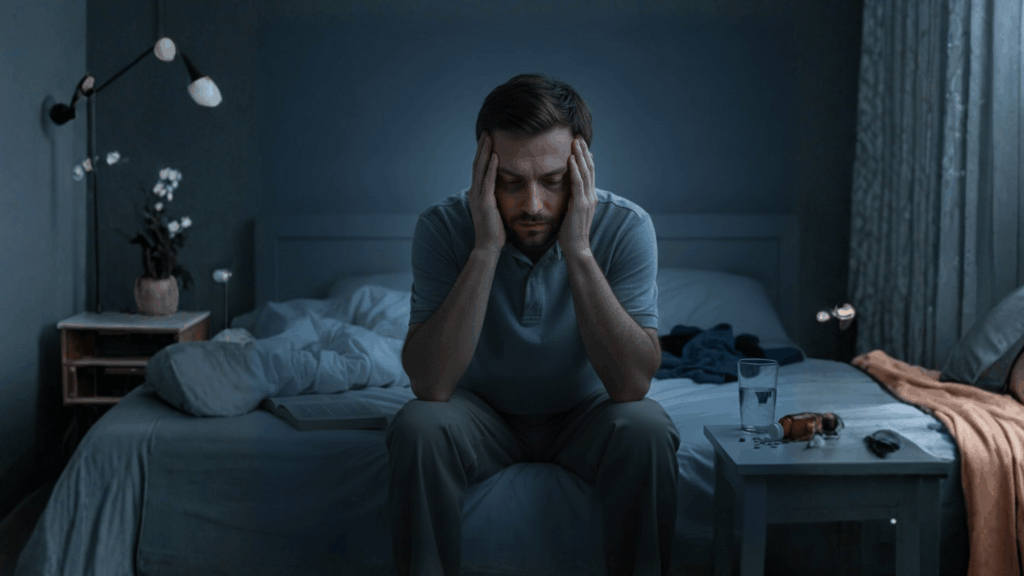
I used to joke about running on little sleep, thinking it only made me tired the next day. But then I came across a strange question: Does your brain eat itself from lack of sleep? That stopped me.
It sounded scary, and honestly, a bit unreal. So I decided to look deeper and see what science actually says.
Here, I’ll explain where the idea of the brain eating itself from lack of sleep comes from and what researchers really mean by it.
I’ll talk about real studies, the brain cells involved, and what happens when sleep loss becomes a habit. I’ll also cover possible long-term risks and whether your brain can recover with proper sleep.
Does Lack of Sleep Really Harm Your Brain Function?
Lack of sleep does not cause the brain to eat itself, but it can increase the brain’s cleanup activity.
The phrase comes from scientific research showing that certain support cells in the brain become more active when sleep is reduced. This activity does not involve the brain damaging itself in a literal sense.
Support cells known as glial cells, including astrocytes and microglia, normally help remove waste and worn-out components of neural connections. This process is part of regular brain maintenance.
When sleep is insufficient, studies in animals have primarily observed increased breakdown of synaptic components, the connections between brain cells. This suggests that sleep loss may alter normal brain maintenance processes.
Occasional sleep loss is unlikely to cause lasting harm. However, chronic sleep deprivation may disrupt healthy brain function and could contribute to long-term neurological risks.
What Happens in Your Brain When You Don’t Sleep

When you sleep, your brain doesn’t just “rest”, it runs a cleanup and repair. A big part of that work is done by glial cells, which act like the brain’s maintenance crew.
Sleep helps keep this system balanced, so it cleans up what’s needed without going overboard. After one short night, changes may be small. But after many nights of poor sleep, this cleanup activity can rise more sharply and may start affecting healthy brain connections.
Astrocytes – The Cells That Start “Eating” Synapses
- What astrocytes usually do: They support brain cells and help prune and tidy up synapses. It’s like regular maintenance.
- What increases after sleep deprivation: They get more active around synapses when sleep is cut short, meaning more cleanup happens.
- Percentages explained: In the study, activity was ~6% after sound sleep, ~8% after losing 8 hours, and ~13.5% after chronic loss, so it steadily climbed.
- Why synapses are called “eaten”: Researchers saw astrocytes breaking down parts of synapses and debris, which is why they used that dramatic phrase.
Microglia – Why Chronic Sleep Loss Is More Dangerous
- What microglia usually do: They patrol the brain for damage and waste, kind of like security plus janitors.
- Why overactivation is a red flag: When they stay “switched on” too long, they can signal ongoing stress and inflammation.
- Link to inflammation and damage: Extra microglial activity is tied to inflammatory processes seen in several brain disorders.
- Why long-term sleep loss matters most: One stormy night is one thing, but chronic sleep deprivation may keep microglia active for too long, raising bigger risks over time.
Is this Brain Cleanup Good or Bad? (Short-Term vs. Long-Term)
Think of brain cleanup like house cleaning. A little cleaning keeps things healthy, but nonstop scrubbing can start damaging good stuff, too. Here’s the simple difference.
| Part | Short-term (can help) | Long-term (can hurt) |
|---|---|---|
| Goal | Quick cleanup | Cleanup stays “ON.” |
| What gets cleared | Waste + worn synapse bits | More synapse parts than needed |
| “Old furniture” idea | Fix/clean used connections | Over-prune useful connections |
| Risk | Low | Higher brain stress |
| Bottom line | Normal repair | Possible damage over time |
In short, some pruning is regular and helpful. The worry starts when poor sleep becomes routine, and the brain’s cleanup goes into overdrive.
Sleep Loss and Alzheimer’s Risk (What Science Suggests So Far)
Researchers are interested in this because long-term sleep loss may keep microglia (the brain’s immune-cleanup cells) constantly activated.
When microglia remain overactive, it can lead to ongoing inflammation, a pattern also seen in several brain diseases.
This is one reason people connect poor sleep with a higher risk of dementia, including Alzheimer’s. Sleep also supports the brain’s everyday waste-clearance routines, so missing it repeatedly may allow harmful buildup to linger longer.
Still, here’s the key point: these findings don’t prove that lack of sleep directly causes Alzheimer’s in humans. Scientists suspect a strong relationship, but they’re still testing how significant the risk is, and whether better sleep can lower it.
Can Your Brain Recover From Lack of Sleep?
Yes, your brain can recover from a short stretch of poor sleep, but it depends on how long it’s been going on. If you’ve only had a few late nights, getting a couple of solid, full nights can help your focus, mood, and reaction time bounce back.
Your brain uses sleep to “clean up,” store memories, and reset for the next day. But if you’ve been getting little sleep for weeks or months, recovery may take longer.
Some effects, like feeling foggy, more anxious, or making silly mistakes, can stick around until you build better sleep habits again.
The good news? Even small changes, like a steady bedtime and less screen time at night, can help your brain feel sharper fast.
How Much Sleep Do You Need?
Most adults need about 7 to 9 hours of sleep each night to feel alert and healthy. Kids and teens usually need more sleep because their brains and bodies are still growing and changing.
If you’re getting enough rest, you’ll wake up feeling clear-headed, calm, and ready for the day. When you don’t, you may feel tired, moody, or have trouble focusing, even if you drink coffee.
Your sleep needs can change depending on stress, activity level, and daily routines. The most important thing is being consistent.
Going to bed and waking up at the same time each day helps your body know when it’s time to sleep and when it’s time to be awake.
Final Thoughts
The idea that the brain eats itself from lack of sleep sounds dramatic, but the science behind it is real and essential.
When sleep is cut short, the brain’s cleanup cells can get more active, and over time, they may start breaking down parts of healthy connections, not just waste.
One late night won’t ruin everything, but repeated sleep loss is where the bigger concern starts. The key takeaway is simple: sleep isn’t optional.
“down time ” is when the brain resets, repairs, and protects itself. If sleep has been messy lately, small steps can still make a real difference. Start with a steady bedtime, limit late screens, and give your brain the rest it’s asking for.