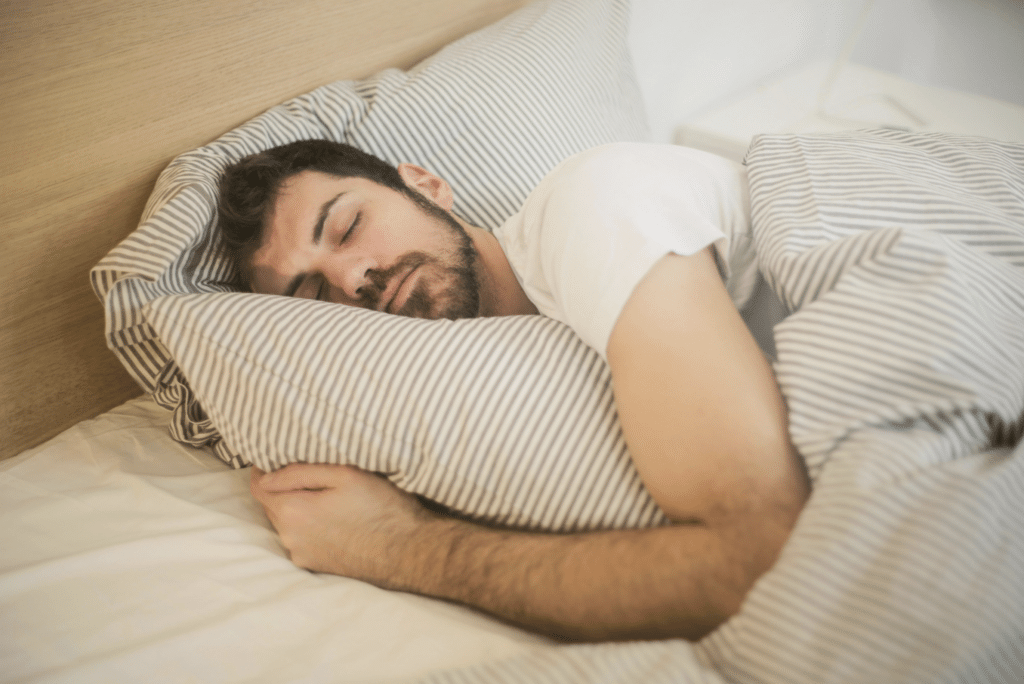

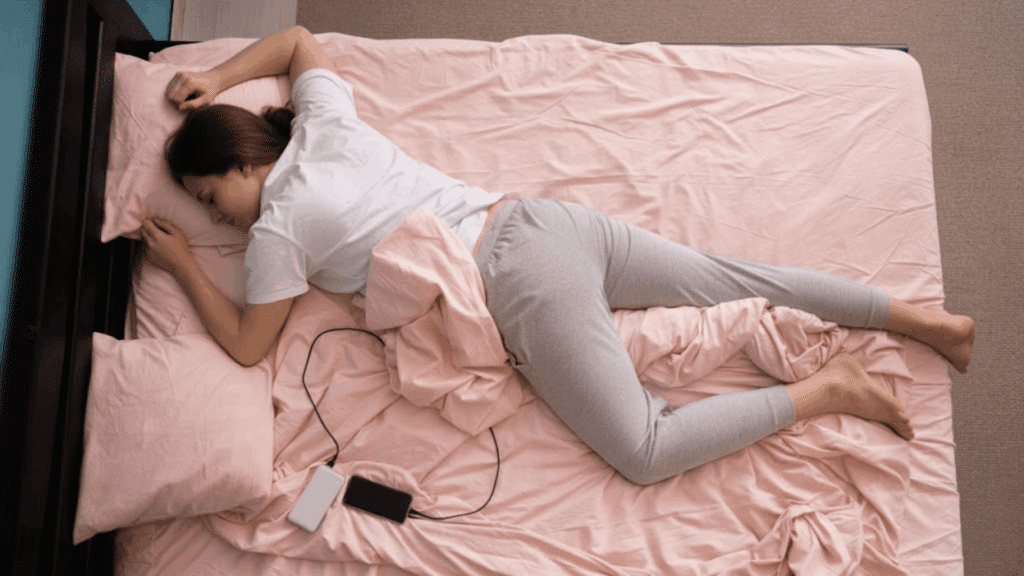
Do you wake up with one leg bent toward your chest every single morning? The mountain climber sleeping position happens naturally for many people during sleep without realizing it.
I used to think about why my body automatically moved into this specific pose. Your sleeping habits reveal interesting things about your comfort needs and physical health overall.
Some people love this position, while others experience pain and discomfort from it. Understanding how this position affects your body helps you sleep better each night.
You might need simple adjustments or a completely different sleeping style for improvement. Learning about your natural sleep posture changes everything about rest quality forever.
An Overview of Mountain Climber Position
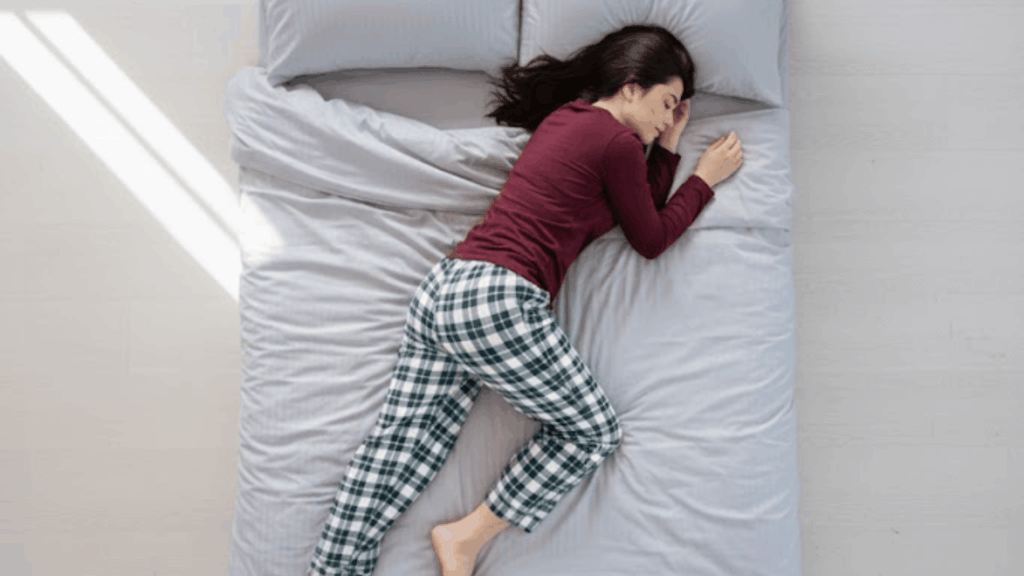
The mountain climber sleeping position is when you sleep with one leg bent up toward your chest. I found this position naturally one night and never realized it had a specific name.
Your other leg stays straight while you lie on your side in a comfortable pose. One arm usually tucks under your pillow while the other rests wherever feels natural to you.
This position looks exactly like someone frozen mid-climb up a mountain or rock wall. Some people call it the yearner position, or the climber pose, instead of the mountain climber.
The bent knee creates a shape that mimics scaling a steep surface during sleep. Most people who sleep this way do it without thinking about it at all.
What Makes People Sleep in the Mountain Climber Position?
I always wondered about my body automatically moving into the mountain climber position during sleep. Your body naturally finds positions that feel comfortable without you consciously choosing them at night.
The bent knee takes pressure off your lower back and hips throughout the entire night. People with flexible joints tend to curl into this position more often than others do.
Your body shifts around unconsciously to relieve tension or discomfort while you sleep peacefully. Stress and restless sleep make you move more frequently between different positions all night long.
I noticed I sleep this way more during stressful weeks at work or home. The mountain climber pose provides a sense of security that other positions cannot offer. Your muscles relax more easily when one leg stays bent up close to your chest.
How the Mountain Climber Position Affects Sleep Quality?
I learned that this sleeping position impacts your body in more ways than you might realize. Understanding these effects helps you decide if adjustments are needed for better rest.
1. Spinal Misalignment Effects
The mountain climber position can twist your spine in ways that cause morning stiffness and pain. Your lower back bends unnaturally when one leg stays up while the other lies flat. The hips tilt to one side throughout the night, putting strain on your spine alignment.
Over time, this twisted posture might create chronic discomfort in your back and hips. Proper pillow support between your knees helps reduce this twisting effect significantly overnight.
2. Breathing and Circulation Effects
This position can restrict airflow by compressing your chest against the mattress partially. Your lungs work harder when one side presses down into the bed all night. Blood flow to your bent leg might decrease from constant pressure on the blood vessels.
Arms tucked under your body can go numb from reduced circulation during sleep. Despite these issues, many people breathe more easily than when sleeping on their backs completely.
3. Pressure Point Effects
The mountain climber creates pressure points where your body weight concentrates on specific areas. Your shoulder and hip on the downside bear most of your weight constantly. This concentrated pressure can cause numbness, tingling, or pain in the morning.
Arms positioned under your pillow or body lose feeling from compressed nerves quickly. Shifting positions occasionally throughout the night prevents these pressure problems from developing seriously.
4. Temperature Regulation Effects
This position affects how your body manages heat while you sleep each night. One bent leg stays warmer under covers, while the other stays cooler exposed. Your chest pressed against the mattress traps heat that cannot escape easily overnight.
Some people sweat more in this position because air cannot circulate around them. The exposed leg might get cold while the covered side overheats uncomfortably.
Is the Mountain Climber Sleeping Position Good or Bad?
The mountain climber position works great for some people, but causes problems for others. Your body type, health conditions, and personal comfort determine if this position suits you.
| Benefits | Downsides |
|---|---|
| Takes pressure off your lower back and hips. Provides relief for hip pain or discomfort. | Creates pressure points on the shoulders and knees. Weight concentrates on one side, causing strain. |
| Feels natural and secure for people who dislike flat sleeping. Allows quick, cozy positioning at night. | Feels awkward for back or stomach sleepers. Takes time to adjust to this position. |
| Reduces lower back strain compared to flat positions. Bent leg supports your spine’s natural curve. | Creates spinal twisting leading to misalignment. Spine stays in an unnatural position all night. |
| Allows flexible arm positioning for better comfort. Less neck tension than stomach sleeping positions. | Causes neck strain from turning the head sideways, and shoulder pain from bearing too much weight. |
I learned that this position is neither completely good nor completely bad for my sleep. You need to listen to your body and make adjustments based on how you feel each morning.
Who Might Benefit From This Sleeping Position?
I discovered that certain types of sleepers find the mountain climber position more comfortable than others. Your sleeping habits and body needs determine if this position works well for you. Here are the people who benefit most from this position:
- Side Sleepers: Side sleepers naturally adapt to this position because it resembles their usual sleeping style already.
- Combination Sleepers: People who shift between positions throughout the night find this position offers flexibility and comfort naturally.
- People With Lower Back Pain: Those experiencing lower back discomfort find relief with the bent knee, which reduces spinal pressure effectively.
- Hot Sleepers: People who overheat at night benefit from the exposed leg that helps regulate body temperature perfectly.
These groups experience fewer sleep disruptions when using the mountain climber position regularly. Try this position if you fall into any of these categories tonight.
Who Should Avoid the Mountain Climber Sleeping Position?
I learned the hard way that this position is not suitable for everyone who tries it. Certain health conditions make this sleeping style more harmful than helpful for your body. Here’s who should avoid sleeping like a mountain climber:
| Who Should Avoid | Why It Causes Problems | What Happens Over Time | Warning Signs |
|---|---|---|---|
| People With Neck Pain | Head stays twisted to one side all night. | Chronic stiffness and headaches develop regularly. | Waking with neck stiffness or limited movement. |
| Those With Shoulder Issues | Shoulder bears excessive weight throughout the night. | Inflammation and restricted movement worsen gradually. | Numbness, tingling, or sharp shoulder pain. |
| People With Hip Problems | A bent leg creates uneven pressure on the hip joints. | Hip pain intensifies, and mobility decreases daily. | Difficulty walking or standing after waking. |
| Those With Spine Conditions | Spinal twisting aggravates existing back problems. | Disc compression and nerve pain worsen overnight. | Sharp back pain or shooting leg pain. |
Ignoring these warnings can lead to worsening pain and longer recovery times. If you experience any of these conditions, choose a different sleeping position instead.
Comfort Tips for the Mountain Climber Position
I struggled with discomfort in this position until I learned some simple adjustments that work. Small changes to your pillow placement and mattress setup make a huge difference overnight. Here’s how to make this position work better for you:
- Place a Pillow Between Your Knees: Putting a pillow between your knees keeps your hips aligned and reduces lower back strain.
- Support Your Head Properly: Use a firm pillow that keeps your neck straight and aligned with your spine throughout the night.
- Tuck a Pillow Under Your Bent Leg: Adding support under your bent knee prevents your leg from pulling on your hip joint uncomfortably.
- Choose a Medium-Firm Mattress: A mattress with balanced firmness supports your body without creating pressure points or excessive sinking.
These simple adjustments changed my sleep quality when using the mountain climber position every night. Try these tips tonight and notice how much better you feel when you wake up.
Switching Out of the Mountain Climber Position
Changing your sleeping position after years of habit takes time and consistent effort. Your body needs patience to adjust to a new sleeping position gradually. Here’s how to make the transition easier for yourself:
- Start by falling asleep in your new desired position, even if you move later
- Place body pillows around you to prevent rolling back into the mountain climber position unconsciously
- Practice your new sleeping position during short daytime naps to build familiarity and comfort
- Give yourself at least three weeks for your body to adjust to the new position naturally
I found that changing my sleep position took consistent effort but became easier with time. Stick with these steps, and you will adapt to the new position eventually, as I did.
That’s a Wrap
Now you understand everything about the mountain climber sleeping position and how it works. I hope this information helps you decide if this position serves your body well.
You learned about the benefits, downsides, and who should avoid this sleeping style completely. Making minor adjustments with pillows can alter your comfort level dramatically each night.
Pay attention to how your body feels when you wake up tomorrow morning. Pain or stiffness signals that changes are needed for better sleep quality going forward.
Your sleep position directly impacts your health, energy levels, and daily performance. Share your experience with the mountain climber position in the comments below right now!