Struggling with sleep apnea can leave you feeling drained, foggy, and frustrated even after a full night in bed. I know a lot of people think the only answer is an expensive machine, but that’s not always true.
If you’ve been wondering how to treat sleep apnea naturally, there are simple, effective steps you can take right at home to breathe easier and sleep better.
I’ll walk you through practical, low-cost ideas, from adjusting your sleep position to making a few lifestyle changes, that can make a real difference. You’ll also learn how to recognize when it’s time to get medical advice.
Let’s help you rest more peacefully and wake up feeling refreshed.
What is Sleep Apnea and Why Does It Matter
Sleep apnea is when you stop breathing many times while you sleep. Your throat muscles get too relaxed and block the air from getting to your lungs.
This makes you snore really loudly, gasp for air, or even choke during the night. Even after sleeping for 8 hours, you wake up feeling tired and foggy. You might get headaches in the morning or feel cranky all day.
This isn’t just annoying, it’s dangerous for your health. When you can’t breathe properly at night, your heart has to work much harder. Over time, this can cause serious problems like heart disease, high blood pressure, and even strokes.
It can also make you gain weight and increase your chances of getting diabetes. That’s why it’s so important to treat sleep apnea properly.
How to Treat Sleep Apnea Naturally?
Good news: you don’t always need expensive machines or medications to improve your sleep apnea; many effective sleep apnea home remedies are right at your fingertips.
1. Lose Weight If You’re Overweight
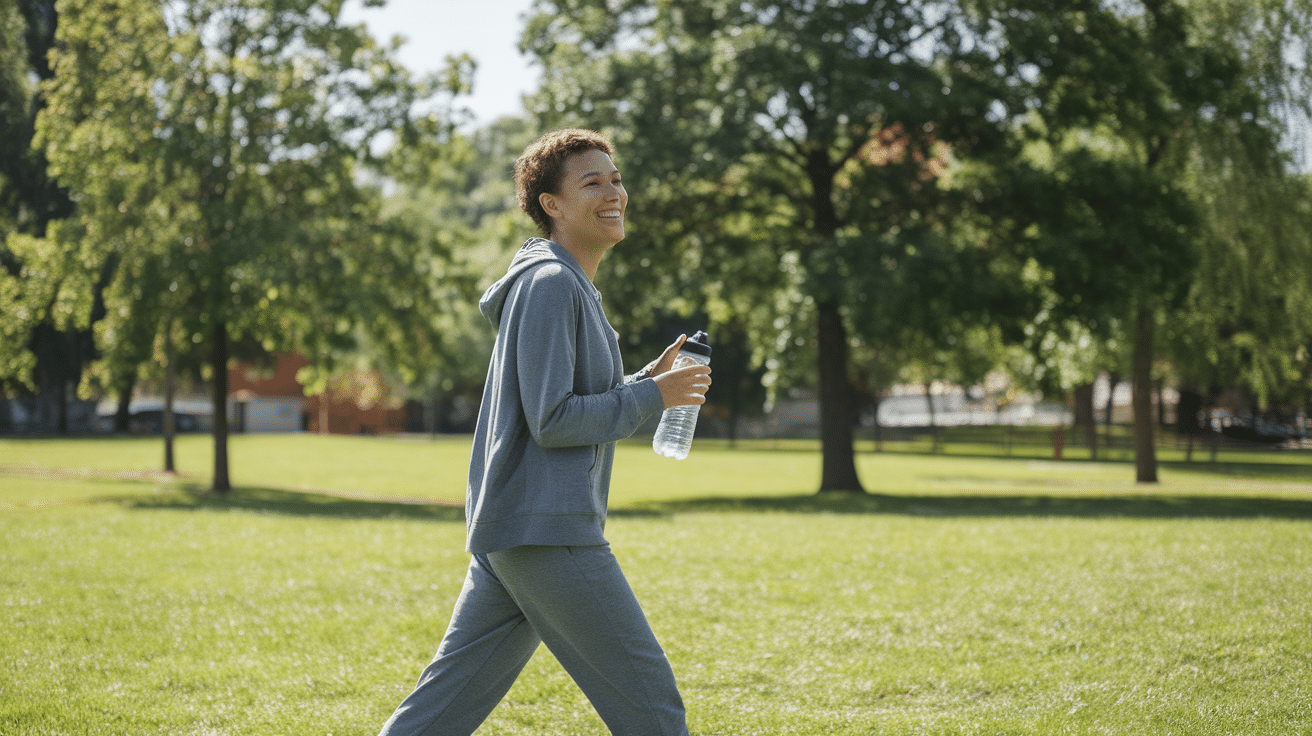
Extra weight around your neck can squeeze your throat and make it harder to breathe while you sleep. Even losing just 10% of your body weight is one of the most effective natural remedies for sleep apnea and can help you breathe better at night.
Think of it like taking pressure off a garden hose; when there’s less weight pressing on your throat, air can flow more easily. Start with small changes like eating smaller portions and taking daily walks.
2. Sleep on Your Side
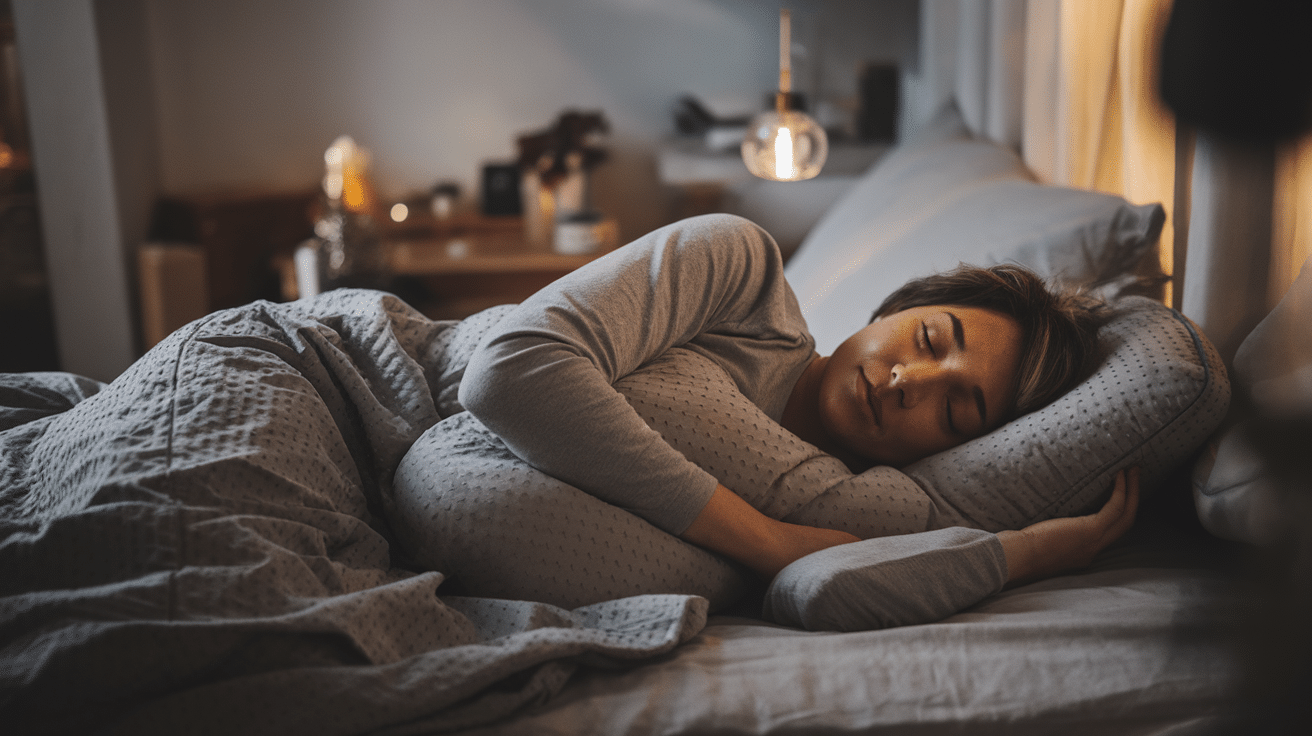
Sleeping on your back makes your tongue and throat muscles fall backward, blocking your airway. Side sleeping keeps everything open and clear.
Try putting a body pillow behind you or taping a tennis ball to the back of your pajama shirt. This “tennis ball trick” will wake you up if you roll onto your back, training you to stay on your side all night long.
3. Practice Mouth and Throat Exercises
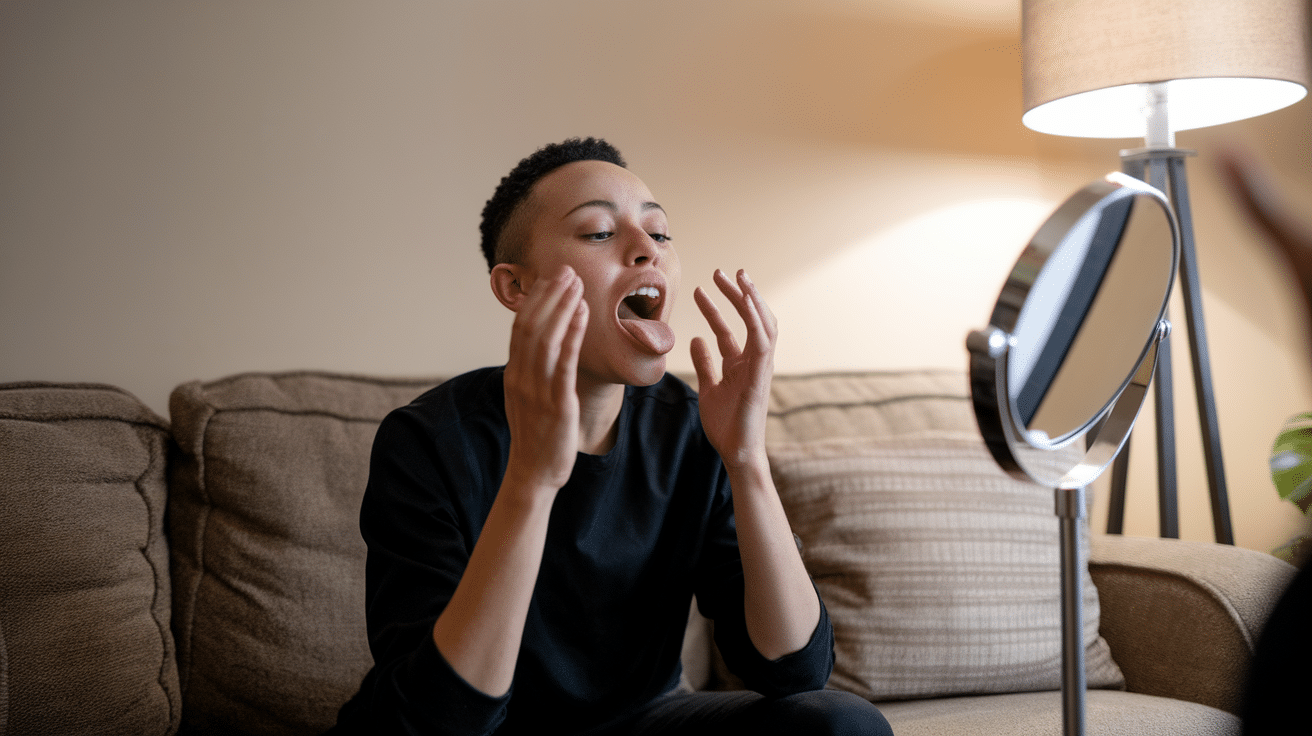
Just like doing push-ups makes your arms stronger, you can make your throat muscles stronger, too. Try sliding your tongue back and forth, saying “ah-eh-ee-oh-oo” out loud, or pressing your tongue to the roof of your mouth for 10 seconds.
Do these exercises for 10-15 minutes each day. Stronger throat muscles are less likely to collapse and block your breathing while you sleep.
4. Try Nasal Breathing Techniques
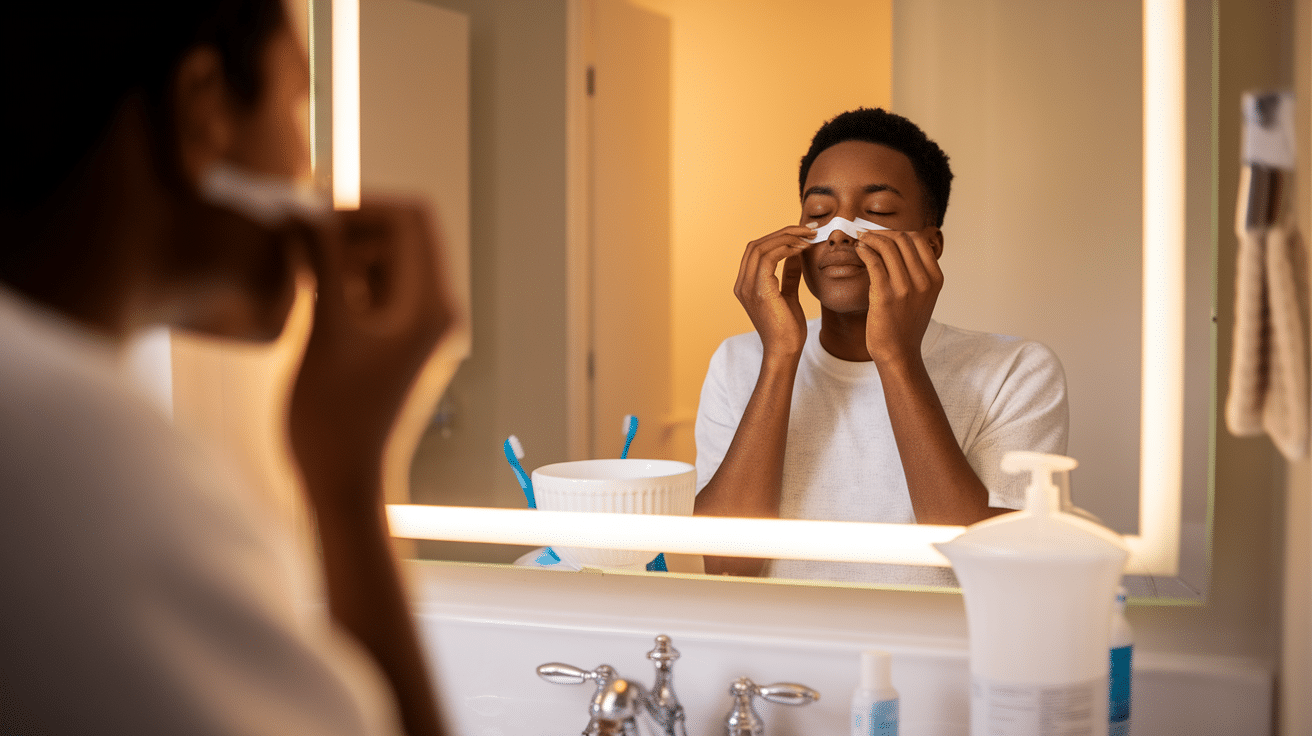
Breathing through your nose instead of your mouth helps keep your airway open. Use nasal strips to open up your nostrils, or try a neti pot to clear out stuffiness. Sleep apnea home remedies can help you breathe better at night without expensive machines.
Some people even use special tape to gently keep their mouth closed at night (ask a doctor first). Clean, open nasal passages make it easier for air to flow in and out while you sleep.
5. Avoid Alcohol and Sedatives Before Bed
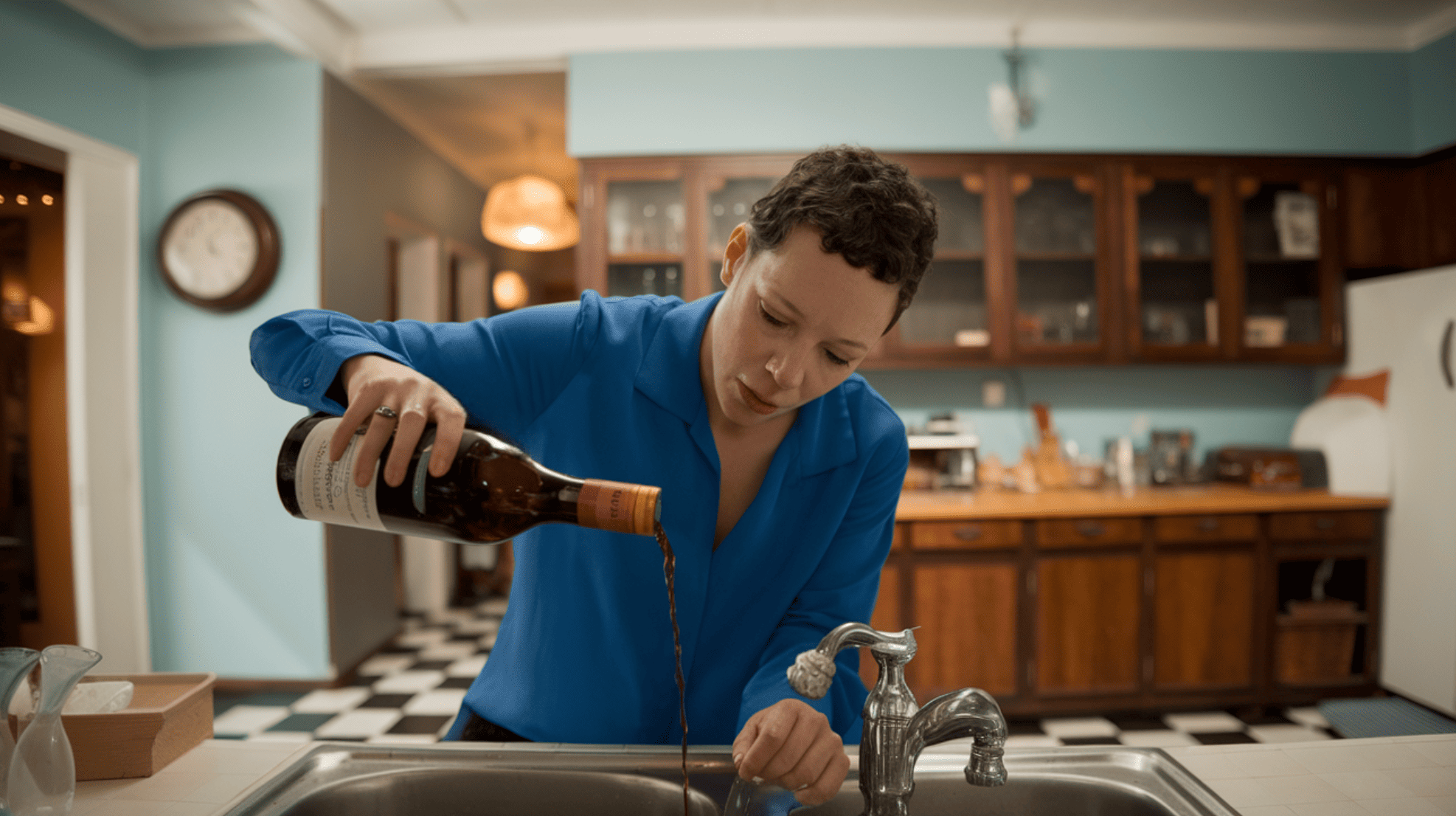
Alcohol and sleeping pills make your throat muscles extra relaxed and floppy. This makes them more likely to collapse and block your breathing. Stop drinking alcohol at least 3-4 hours before bedtime.
If you take sleeping medications, talk to your doctor about safer options. Your throat needs to stay firm enough to keep your airway open while you sleep, not completely relaxed.
6. Establish a Consistent Sleep Schedule
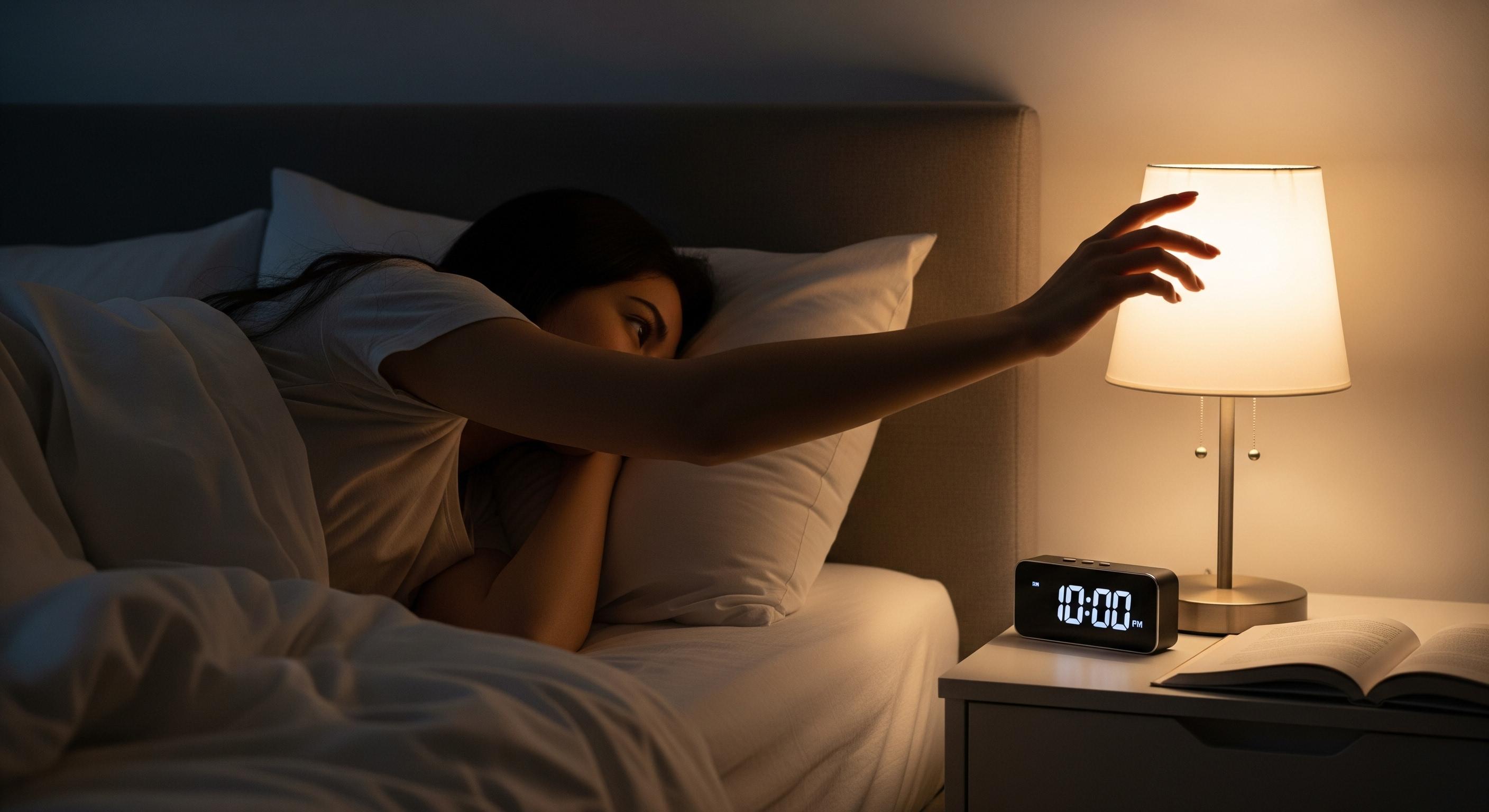
Going to bed and waking up at the same time every day helps your body sleep better. When your sleep schedule is all over the place, sleep apnea gets worse. Aim for 7-9 hours of sleep each night.
Set a bedtime alarm to remind you when to start getting ready for bed. Your body likes routine, and good sleep habits can reduce how often your breathing stops.
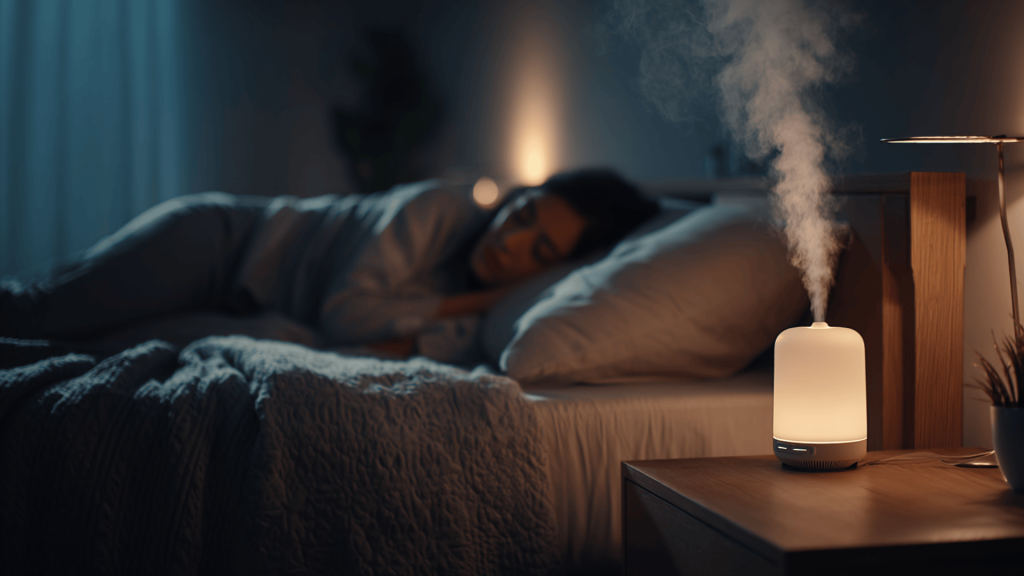
7. Use a Humidifier in Your Bedroom
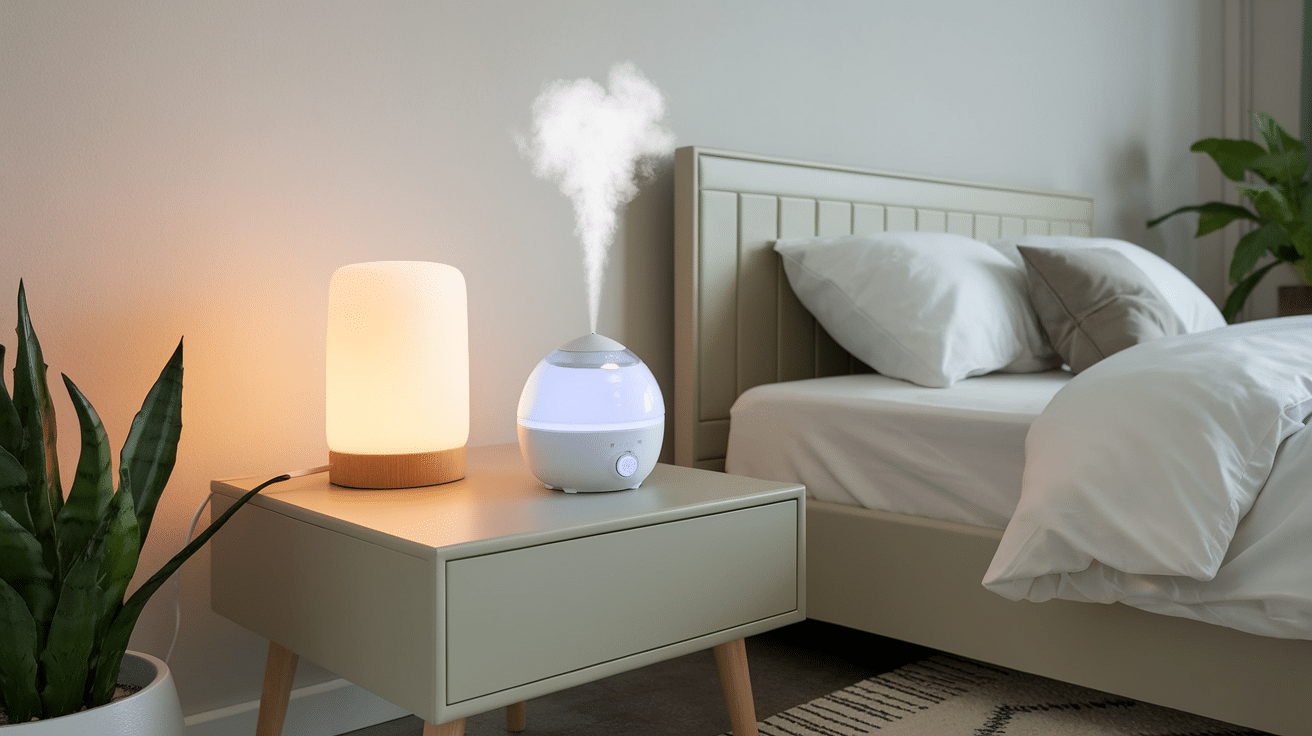
Dry air can irritate your throat and make breathing harder. A humidifier adds moisture to the air, which soothes your airways. You can even add a few drops of eucalyptus oil to help open up your breathing passages.
Keep the humidity between 30-50%, not too dry, but not so humid that mold grows. Think of it like giving your throat a drink of water. One of the most effective natural remedies for sleep apnea.
8. Try Herbal Remedies (with Caution)
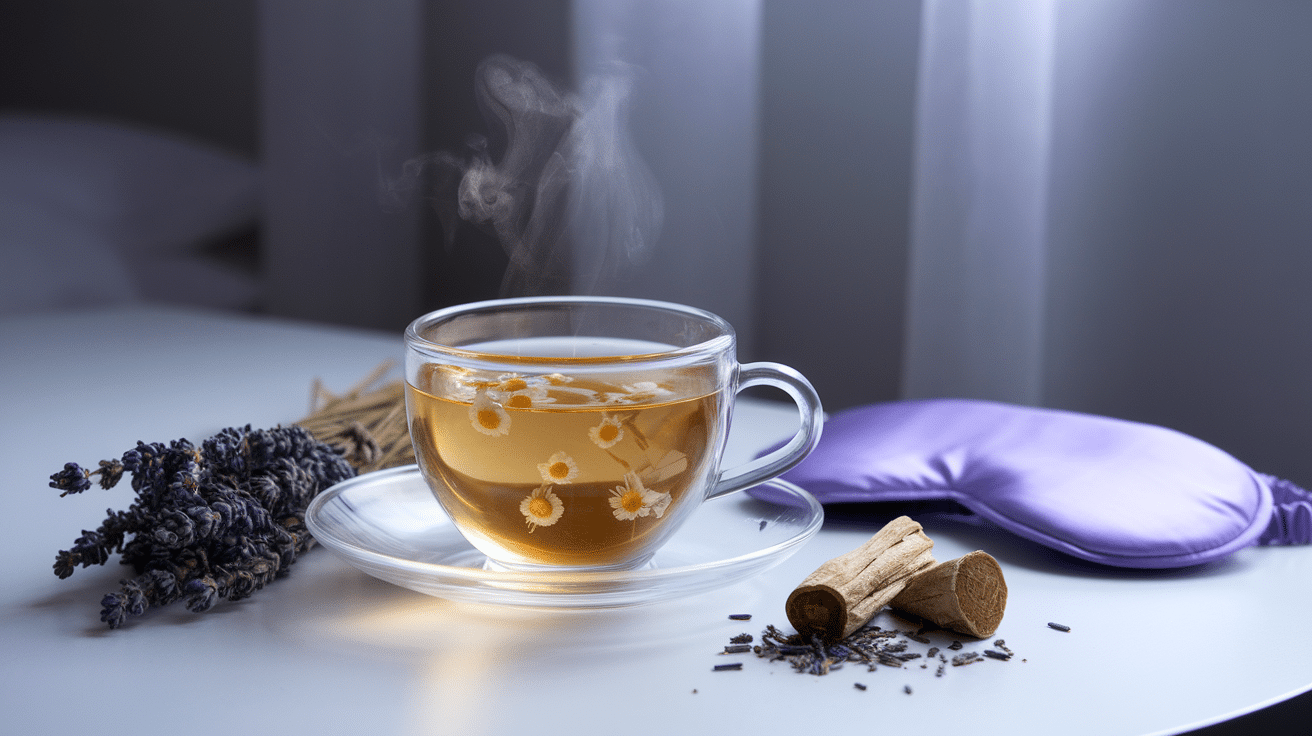
Herbs like chamomile tea, valerian root, and lavender can help you relax and sleep better. While they won’t cure sleep apnea, they might help you get deeper, more restful sleep.
Drink chamomile tea an hour before bed or put lavender oil on your pillow. Always check with a doctor before trying new herbs, especially if you take other medications that might not mix well.
9. Reduce Inflammation With an Anti-Inflammatory Diet
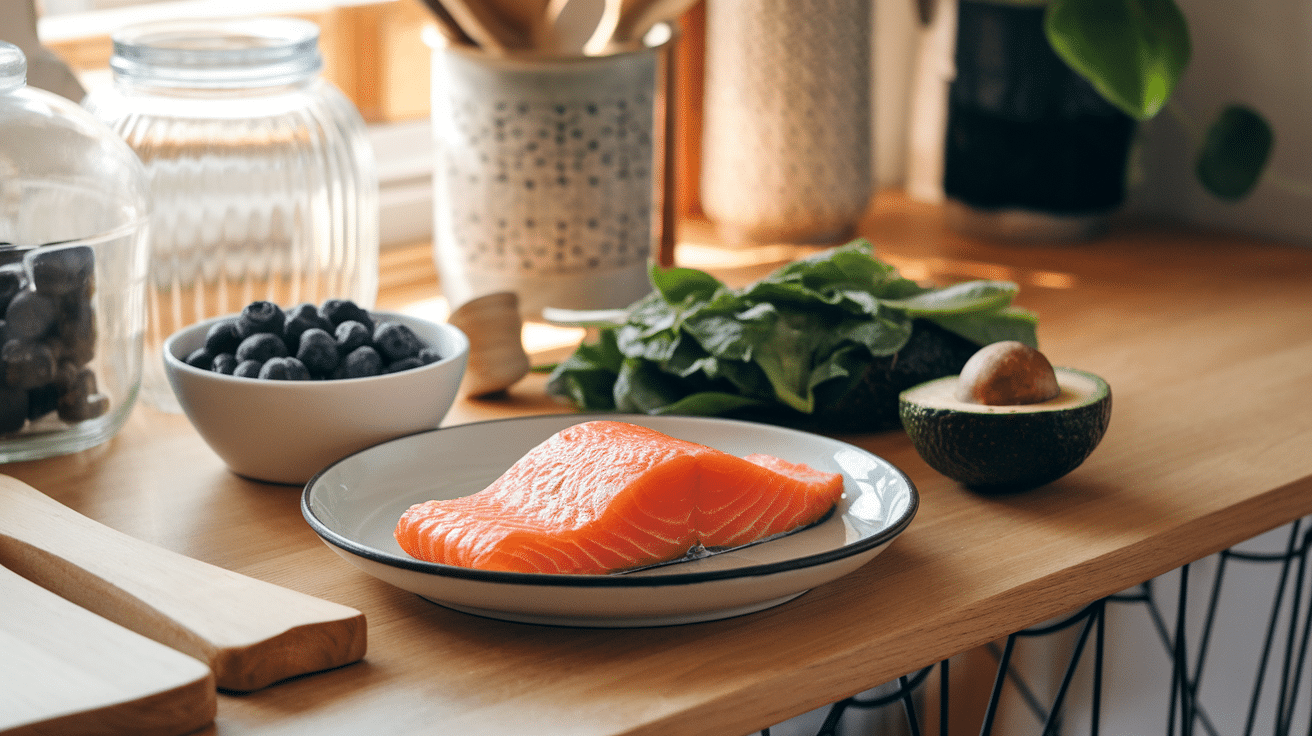
Some foods can make your throat swollen and inflamed, making sleep apnea worse. Eat more leafy greens, berries, and fish with omega-3s like salmon. These foods fight inflammation in your body.
Avoid dairy products and sugary foods close to bedtime because they can create mucus and make your throat more congested. Think of anti-inflammatory foods as medicine that tastes good and helps you breathe easier.
10. Quit Smoking
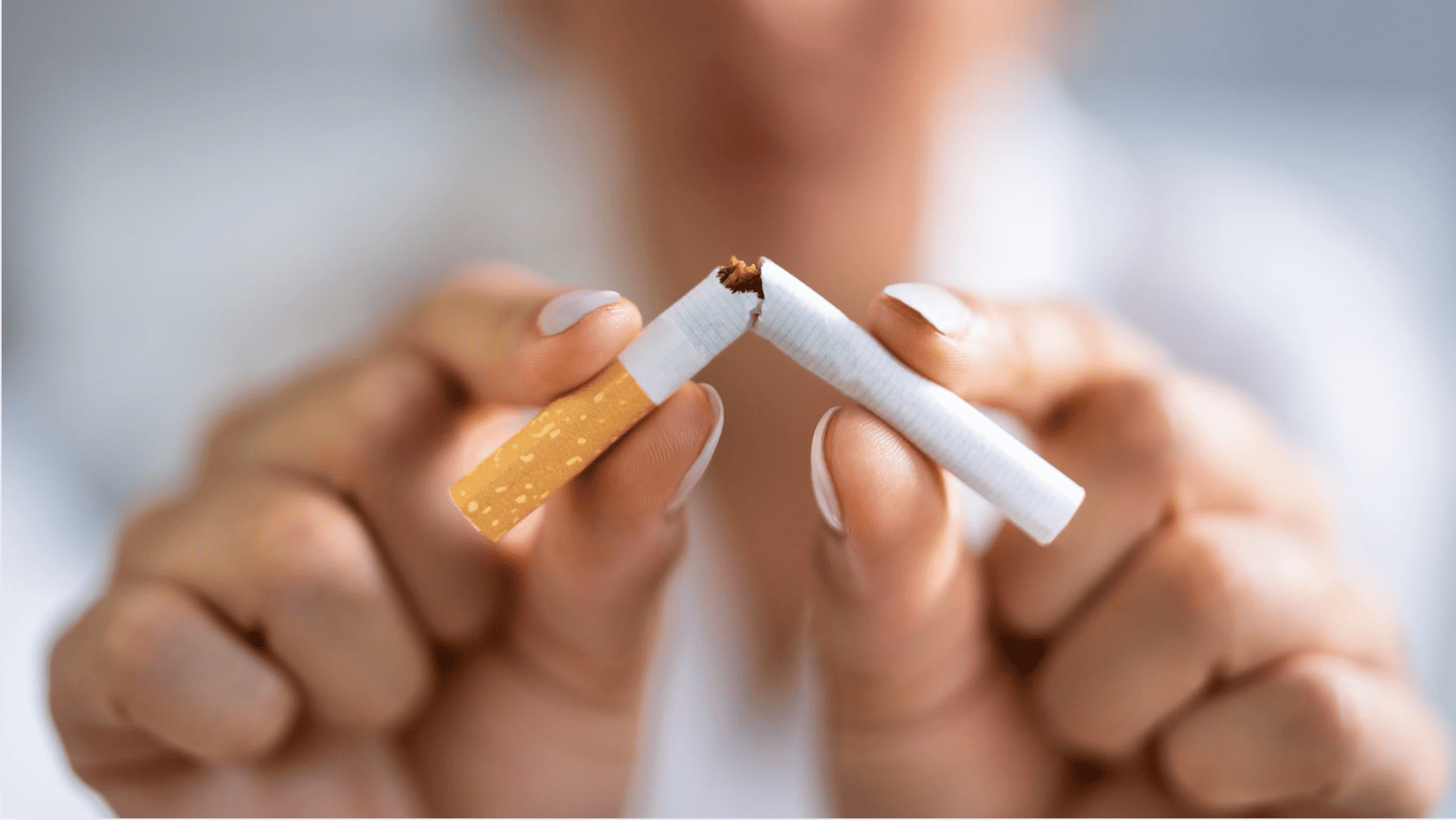
Smoking makes your throat and airways swollen and irritated. This swelling makes the space for air even smaller, making sleep apnea worse. Quitting smoking helps reduce this inflammation over time.
Warning: You might feel worse for a few weeks after quitting because your body is getting used to life without nicotine. Stick with it – your breathing will get better as your airways heal and become less swollen.
11. Elevate Your Head While Sleeping
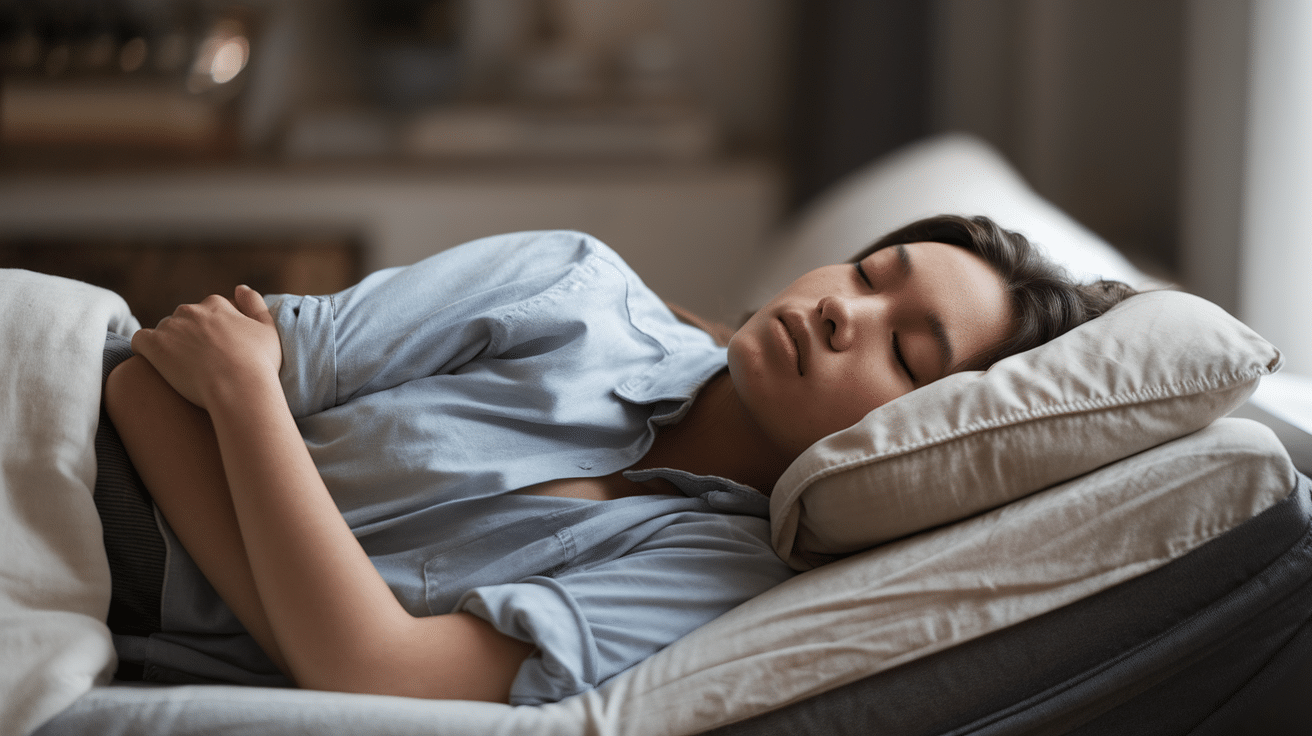
Sleeping with your head raised up helps gravity keep your airway open. Use a wedge pillow that lifts your whole upper body, or put blocks under the head of your bed frame to tilt it up slightly.
Don’t just pile up regular pillows – this can actually bend your neck in a bad way. Think of creating a gentle slope from your chest to your head.
12. Tongue Stabilizing Devices and Mouth Guards
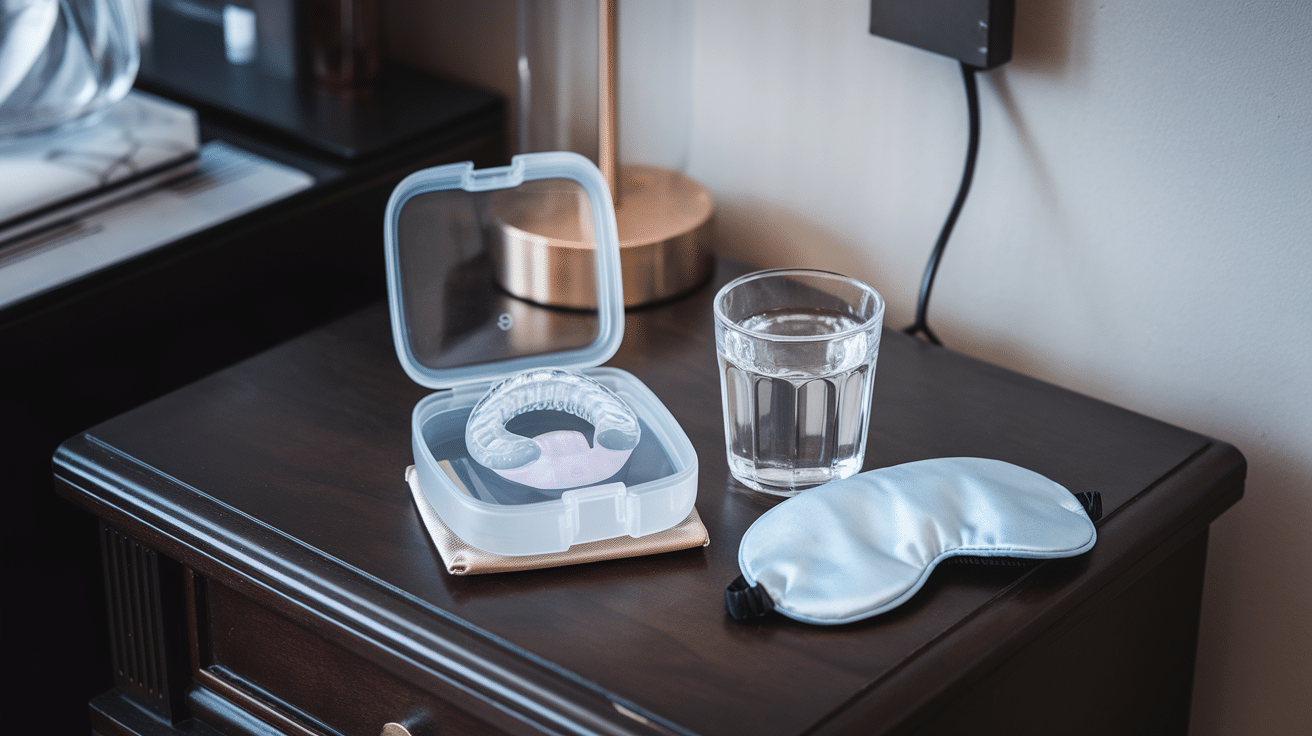
You can buy special mouth guards and tongue devices at the store that help keep your airway open. These devices either hold your tongue in place or move your jaw forward slightly.
They’re much cheaper and easier than a CPAP machine. Some people find them uncomfortable at first, but many get used to them after a few nights. Ask your dentist which type might work best for you.
13. Stay Active and Exercise Regularly

Regular exercise makes your heart and lungs stronger, which helps with sleep apnea. Swimming is especially good because it strengthens your breathing muscles.
Try to get 30 minutes of activity each day – walking, biking, dancing, or playing sports all count. Exercise also helps you lose weight and sleep more soundly. Even light activity is better than sitting around all day, so start small and build up gradually.
When to See a Doctor
Natural remedies can help, but some sleep apnea symptoms are too serious to handle at home.
See a doctor right away if you’re so sleepy that you almost fall asleep while driving or working, wake up gasping often, have memory problems, get daily headaches, or if someone says you stop breathing in your sleep.
Don’t wait if you’re not feeling better after trying natural options for a month, feel worse, struggle to work safely, or already have health issues like diabetes.
A sleep doctor can run tests to check how bad your sleep apnea is and find the right treatment.
Conclusion
Now you know how to treat sleep apnea naturally. You don’t need a machine to sleep better. I’ve learned that treating sleep apnea naturally can help without spending a ton or going to the doctor all the time.
Simple things like sleeping on your side, doing throat exercises, or using a humidifier can really help.
Start small. Pick one or two things that feel easy and go from there. Maybe try side sleeping this week and add some light throat exercises.
Next month, work on weight loss or nose breathing. Small steps are easier to stick with.
When you sleep better, you feel better. Want more easy health tips? Check out more blogs on the website to help you at home.