
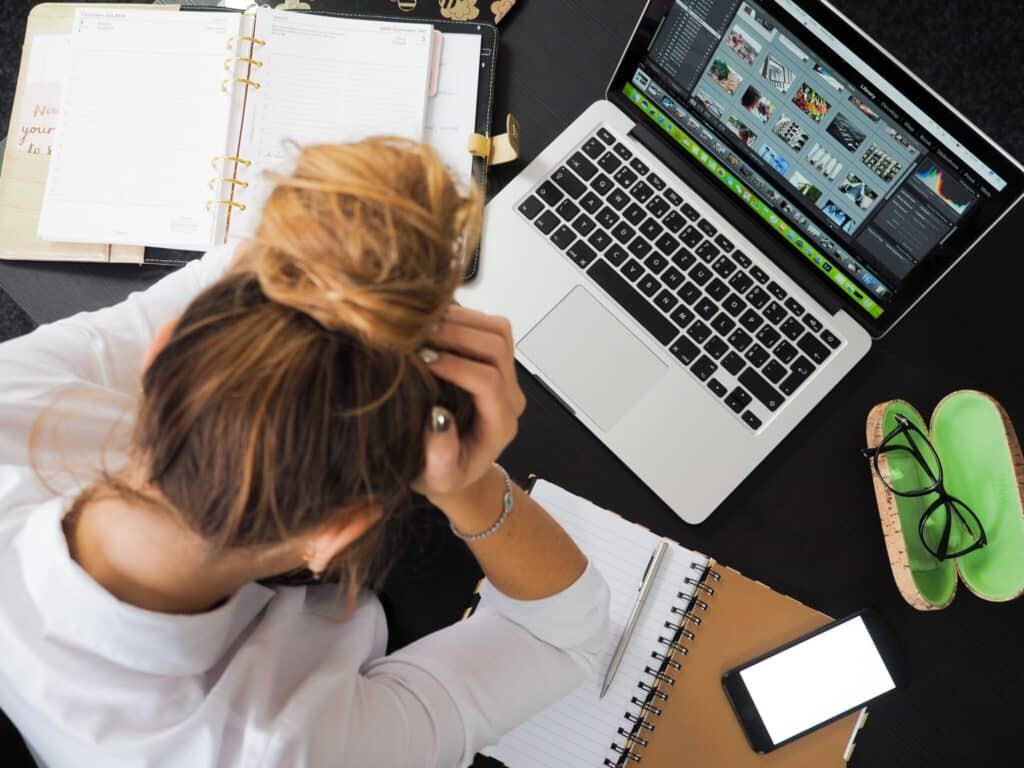
You finally close your laptop, climb into bed, and tell yourself you’ll just check one thing on your phone before turning off the light. Forty-five minutes later, you’re still scrolling, wide awake, and the room is glowing with the exact kind of light sleep researchers keep begging people to avoid at night. It’s a familiar pattern, and it’s not really about willpower. It’s about the fact that the phone is the only tool most of us have for handling those last few evening tasks, so it ends up in bed with us by default.
Rethinking the Last Hour Before Bed
One of the more interesting side effects of wearable tech is that it separates the task from the screen. Meta AI glasses at Sunglasshut let you send a quick voice message, check tomorrow’s first calendar entry, or ask a question out loud, all through audio, without ever lighting up a bright display two feet from your face. That distinction matters more at night than it does during the day, because the problem was never really the task itself. It was the glowing rectangle you had to stare at to do it.
This doesn’t mean strapping on a gadget replaces good sleep hygiene. It means the last small errands of the day, the ones that used to require unlocking a phone, can happen without the light exposure that comes with it.
The Blue Light Problem, Briefly
The reason screens before bed feel harmless but aren’t comes down to light wavelength. The Sleep Foundation explains that blue light suppresses melatonin more than other colors of light, which convinces your brain it’s still daytime right when it should be winding down. Even a few minutes of scrolling can be enough to delay the natural release of the hormone that helps you fall asleep, which is part of why a quick check of a phone so often turns into forty-five minutes of being wide awake.
It’s worth being honest that audio-first wearables aren’t a loophole around this. They still connect to a phone, and the glasses themselves aren’t meant to replace a full digital wind-down. What they change is the default: instead of the phone screen being the only way to finish a small task, the option to do it without a screen actually exists.
Why This Keeps Showing Up as a Sleep Complaint
Screens are rarely the only culprit behind a restless night, but they’re consistently one of the easiest habits to point to and one of the hardest to actually change, mostly because so much of daily communication now happens through a device. Anyone who’s noticed how a stressful text exchange or a late work message can keep the mind racing long after the phone is back on the nightstand has run into this firsthand. It’s part of a broader pattern worth understanding: why communication difficulties can lead to restless nights, where everyday friction, like unresolved conversations or messages left unanswered, can quietly carry into the night and disrupt sleep long after the conversation itself has ended.
That’s a big part of why simply reducing screen exposure, rather than eliminating communication altogether, tends to be the more realistic fix. Being able to send a short reply through voice, without opening an app or seeing a notification badge, removes some of that late-night mental loop without asking anyone to go fully off the grid.
The Neuroscience of “Just One More Notification”
It isn’t only the light itself that keeps people up. Harvard Health’s research summary on blue light notes that even dim light exposure, well below what a table lamp produces, can interfere with the body’s circadian rhythm and melatonin secretion. Combine that light exposure with the mental stimulation of reading a message or seeing a notification, and it’s easy to see why one quick check rarely stays quick. The brain isn’t just responding to brightness; it’s responding to being asked to process something new right when it should be settling down.
Building an Evening Routine Around Less Screen, Not Less Tech
The most realistic version of a better evening routine usually isn’t a full digital detox. It’s a smaller set of swaps: audio instead of a screen for quick tasks, a hard cutoff for scrolling, and tech that supports the household without demanding everyone’s eyes at bedtime. That’s the same logic behind thoughtful home tech that keeps generations close without taking over the evening, where the goal is technology that fits quietly into a household’s routine instead of demanding attention at exactly the wrong moment.
In practice, that might look like handling the last few small tasks of the day through voice while getting ready for bed, then setting the glasses down along with the phone once the lights actually go off. The point isn’t to add another device to the nightstand; it’s to make the transition into sleep less dependent on a bright screen in the first place.
A Few Practical Starting Points
None of this requires an overnight overhaul. A reasonable starting point is picking one recurring bedtime habit, checking a calendar, sending a goodnight text, setting an alarm, and handling it by voice instead of by screen for a week. Notice whether falling asleep feels any different, and adjust from there rather than trying to change every habit at once.
It also helps to keep the household’s actual bedtime separate from the household’s wind-down window. The hour before lights-out is where screen exposure does the most damage, so that’s the window worth protecting first. Anything handled earlier in the evening, whether on a phone, a laptop, or through voice on a pair of glasses, carries much less of a sleep cost than the same task squeezed in right before closing your eyes.
Finally, it’s worth remembering that no wearable, app, or blue-light filter replaces the basics: a consistent bedtime, a dark and cool room, and an actual stopping point for the day’s communication. Audio-first tech can make that stopping point easier to reach without feeling like you’re missing something, but the habit still has to be built on purpose.
The Bottom Line
Good sleep hygiene has never really been about rejecting technology outright. It’s about controlling how and when light and stimulation reach your eyes in the hours before bed. Wearable, audio-first tech won’t fix a bad sleep routine on its own, but it does offer a genuine way to close out the day’s small errands without the screen that so often turns a quick check into another lost hour of sleep.