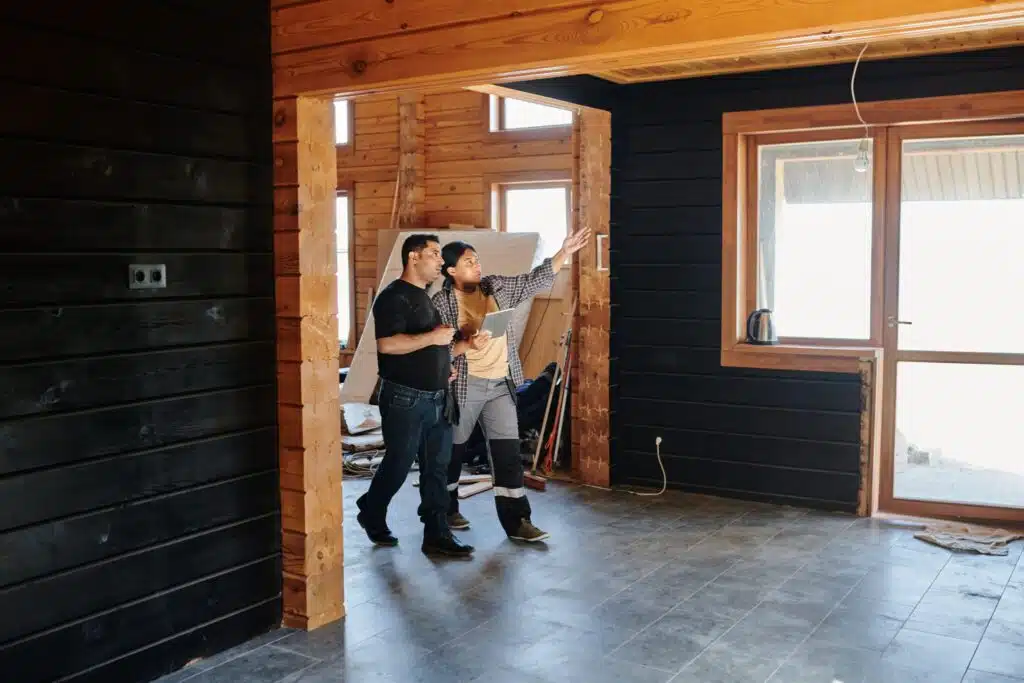
Future-proofing your home often sounds like a costly undertaking involving extensions, structural alterations, and major construction projects. While large-scale renovations can certainly improve a property’s long-term value, they aren’t the only way to prepare your home for the future.
In reality, many of the most effective upgrades are relatively simple, affordable, and easy to implement. By focusing on flexibility, efficiency, security, and convenience, homeowners can create spaces that continue to meet their needs for years to come without the disruption of a full renovation.
Here’s how to future-proof your home without tearing it apart.
Step 1: Invest in Smart Home Technology
Technology continues to play a larger role in everyday life, and homes that can adapt to changing technology trends are often better positioned for the future.
Smart thermostats, lighting systems, security cameras, and voice-controlled devices can improve convenience while helping reduce energy consumption. Many of these systems can be installed with minimal disruption and integrated gradually over time.
The advantage of smart technology is its scalability. Homeowners can start small and expand their systems as needs evolve.
Step 2: Improve Your Home’s Energy Efficiency
Simple improvements such as upgrading insulation, sealing draughts, installing energy-efficient lighting, and replacing older appliances can significantly reduce household energy consumption. These upgrades not only lower utility bills but also make homes more appealing to future buyers.
Many energy-saving measures deliver ongoing benefits long after installation, making them one of the smartest long-term investments available.
Step 3: Focus on Flexible Living Spaces
The way people use their homes continues to evolve.
Home offices, fitness areas, hobby rooms, and multi-purpose family spaces have become increasingly common. Rather than dedicating rooms to a single purpose, consider how spaces can adapt as your lifestyle changes.
Flexible furniture, modular storage solutions, and adaptable layouts make it easier to repurpose rooms without requiring major structural changes.
A room that serves multiple functions today is more likely to remain useful tomorrow.
Step 4: Upgrade Security and Accessibility
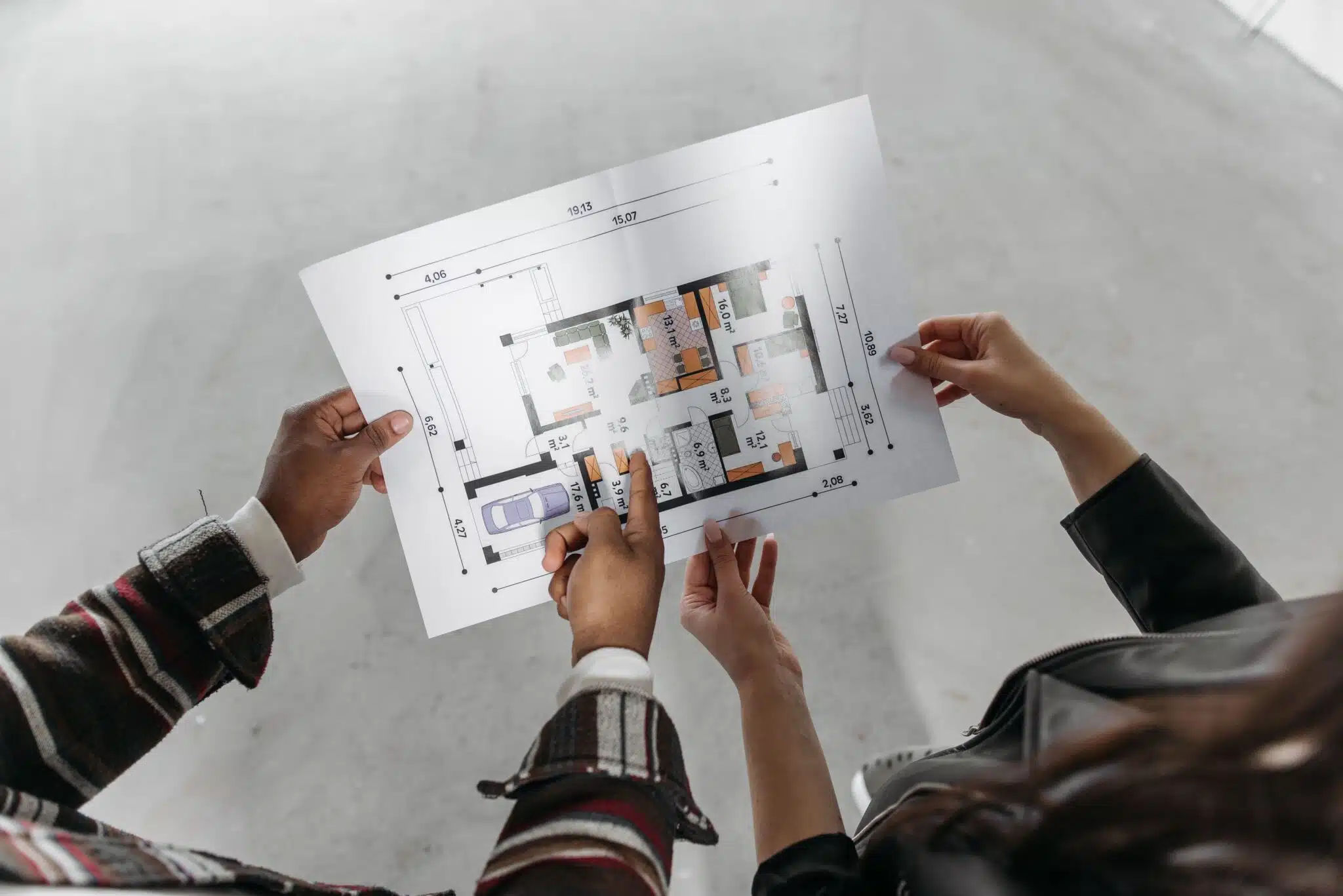
Security technology has advanced dramatically in recent years, providing homeowners with more options than ever before.
Smart locks, video doorbells, remote monitoring systems, and automated entry solutions improve both safety and convenience. For homeowners with garages, products from liftmaster can help modernize property access through reliable automated systems that make daily routines easier while adding an extra layer of security.
Future-proofing often means removing barriers and simplifying everyday tasks, and secure, convenient access is an important part of that strategy.
Step 5: Prioritize Storage Solutions
One challenge many homeowners face is a lack of effective storage.
As families grow and lifestyles change, clutter can quickly become an issue. Rather than waiting until storage becomes a problem, invest in solutions that maximize available space.
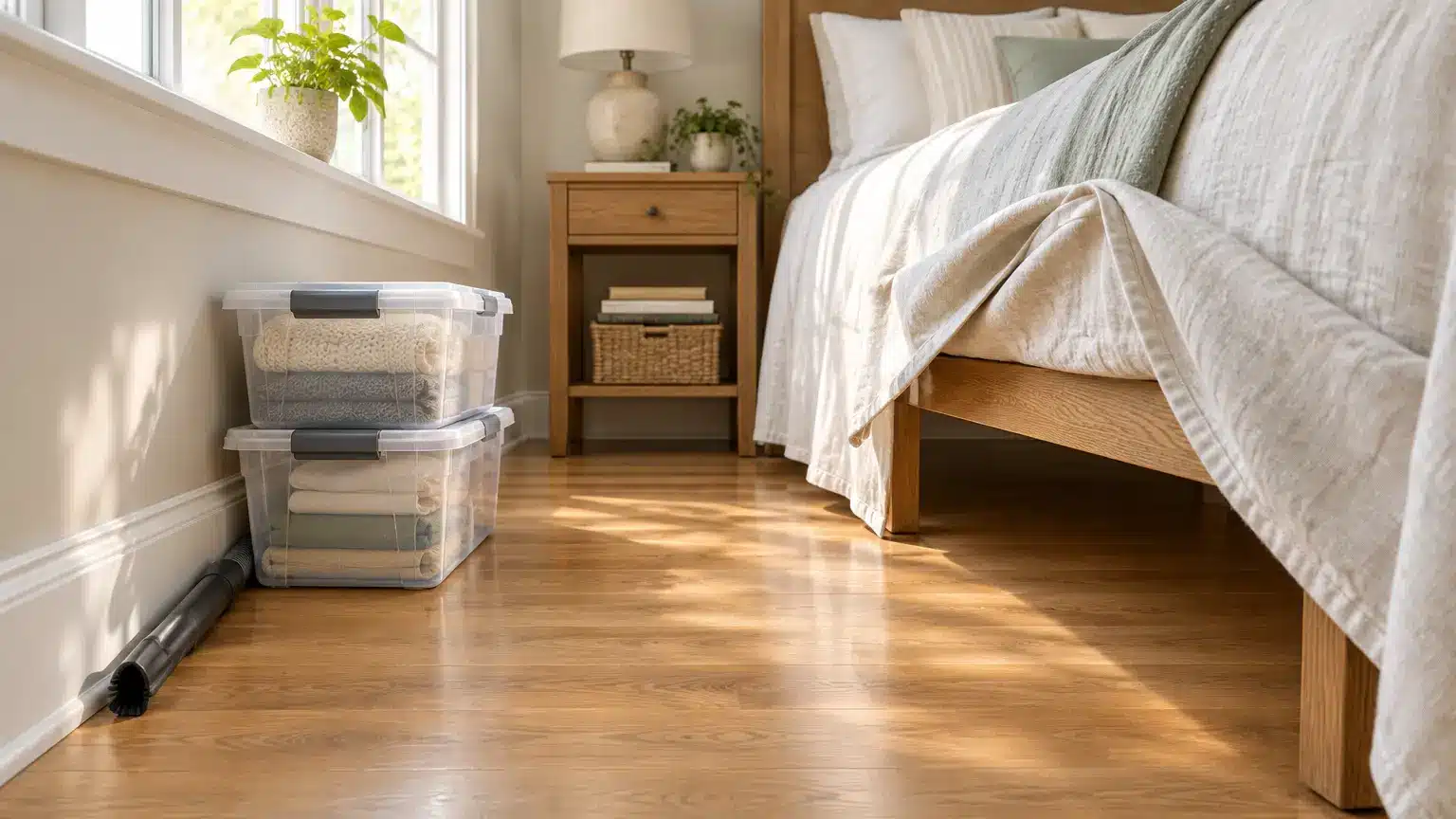
Built-in shelving, under-bed storage, multifunctional furniture, and well-organized wardrobes can all improve functionality without altering the structure of the home.
Effective storage helps properties remain practical and adaptable for a wide range of future needs.
Step 6: Choose Timeless Design Over Short-Term Trends
Design trends come and go, but timeless interiors tend to age more gracefully.
Neutral color schemes, durable materials, and classic finishes create a foundation that can easily be updated with accessories and décor. This approach reduces the need for frequent redesigns and helps maintain the property’s appeal over the long term.
Future-proofing isn’t always about adding new features. Sometimes it’s about avoiding choices that may quickly become dated.
Step 7: Prepare for Changing Mobility Needs
Many homeowners plan for growing families but overlook how their needs may change later in life.
Simple improvements such as better lighting, wider pathways between furniture, easy-to-use fixtures, and minimal trip hazards can make a home more accessible without making it look clinical or institutional.
Designing with accessibility in mind ensures that a property remains comfortable and practical for a wider range of occupants in the future.
Step 8: Build a Maintenance-First Mindset
One of the most overlooked aspects of future-proofing is preventative maintenance.
Regularly servicing key systems, inspecting roofs and gutters, checking seals around windows and doors, and addressing small repairs before they become major issues can significantly extend the lifespan of a property.
A well-maintained home is often more resilient, more efficient, and less expensive to own over time.