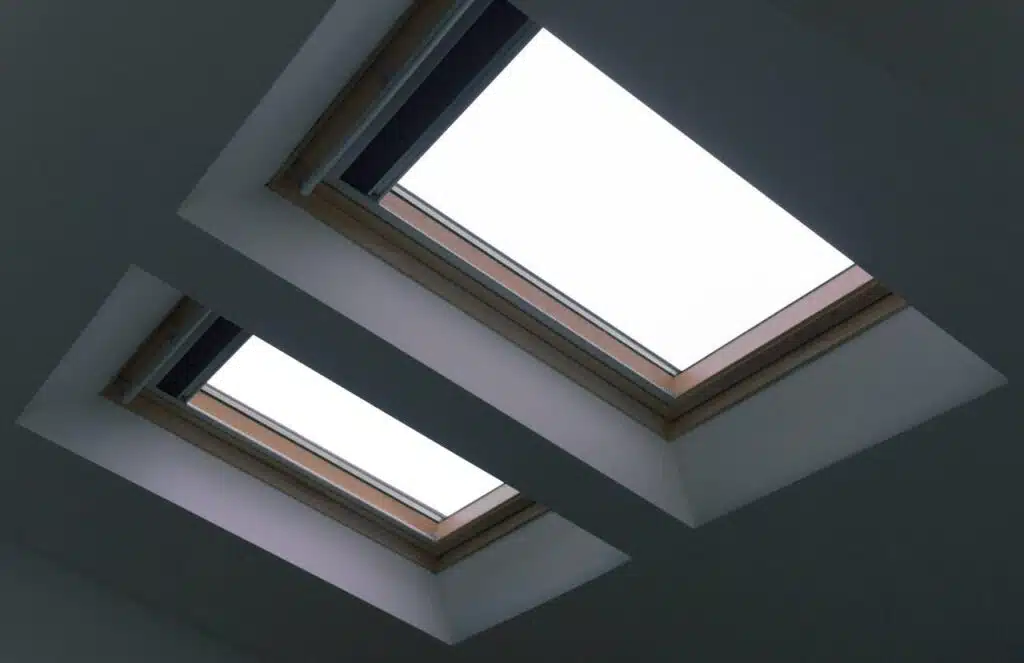
Modern homes are expected to do more than just look good. They are expected to perform well, respond to changing conditions and support everyday comfort without constant effort. In cities like Pittsburgh, where weather shifts from cold winters to humid summers, these expectations become even more pronounced. There is a make-it-look-good-but-make-it-work-better kind of thinking shaping design decisions today. Style is still valued, but performance is now part of the conversation.
A well-designed home should feel intentional from every angle. Materials, layout and systems must work together rather than compete. When balance is achieved, the result feels natural and refined. When it is not, the space may look impressive but fail to function properly. What truly defines that balance in modern home design?
Design Starts With Purpose, Not Just Looks
Aesthetic decisions often take center stage, yet they should be guided by function. Every design element should serve a purpose beyond appearance. Walls, windows and layouts must support comfort, not just visual appeal.
Before finishes are selected, the structure should be evaluated. Orientation affects how light enters the home, while layout influences airflow and movement. When these factors are ignored, efficiency suffers.
For example, large windows may look appealing, but they can also affect indoor temperatures. If placed without consideration, they may cause overheating or drafts. When planned carefully, they enhance both appearance and performance.
Let Materials Do More Than Just Look Good
Material selection plays a major role in balancing aesthetics and efficiency. Surfaces should not only look refined, they should also perform reliably over time. Insulation, glazing and finishes all contribute to how a home feels and functions.
In regions with varying climates, material performance becomes even more important. Windows, in particular, influence both comfort and energy use. If you live in Pittsburgh energy efficient windows can make a noticeable difference in indoor comfort throughout the year. They help regulate temperature while maintaining a clean, modern appearance.
This is why material choices should be evaluated carefully. High-quality options may cost more initially, yet they often reduce long-term expenses. Poor selections, on the other hand, may require frequent adjustments or replacements.
Have materials been chosen for performance or just for looks? That question often determines whether efficiency is achieved.
When materials are selected with intention – and with awareness – the result feels balanced and dependable.
Layout Choices That Shape Daily Living
The layout of a home influences how it is experienced every day. Spaces should feel connected, yet each area should serve a clear purpose. Open designs are popular, but they must be planned carefully to maintain efficiency.
Large open spaces can create visual appeal, yet they may also affect temperature control. Heating and cooling become more challenging when areas are not defined properly. Strategic zoning can help maintain balance without compromising design.
Consider a home where living areas flow into each other without separation. The space feels expansive, yet temperature differences begin to appear. By introducing subtle divisions, comfort is improved without changing the overall look.
Does the layout support daily routines or create unnecessary challenges? That distinction matters more than expected.
A thoughtful layout supports both function and style – and that support defines how the home is used.
Details That Quietly Improve Performance
Small design details often carry more weight than expected. These elements may not stand out immediately, yet they influence how the home performs over time.
- Lighting should be positioned to reduce energy use while enhancing visibility
- Fixtures should match the overall design and support efficient operation
- Sealing around doors and windows should prevent air leakage
- Appliances should be selected for both performance and reliability
- Finishes should be durable enough to reduce maintenance needs
Each of these decisions contributes to overall efficiency. When aligned, they create a system that supports daily living without disruption.
Bring Nature In Without Losing Control
Natural elements can elevate a home’s design, yet they must be introduced with care. Indoor plants, natural textures and outdoor views add a sense of calm and warmth, but they should not disrupt efficiency. Balance is achieved when these elements enhance the space without creating extra maintenance or energy demands.
Large openings to the outside can improve visual appeal, yet they must be managed properly. Sunlight should be controlled to prevent overheating, while ventilation should be planned to maintain indoor comfort. When these factors are ignored, the benefits of natural elements are reduced.
Consider a home where greenery is added throughout, yet irrigation and upkeep become overwhelming. The design feels fresh at first, but it quickly becomes difficult to maintain. When choices are made thoughtfully, the same effect can be achieved with less effort.
Should natural elements be added everywhere? Not necessarily. Placement and proportion matter more than quantity.
Keep It Consistent And Easy To Maintain
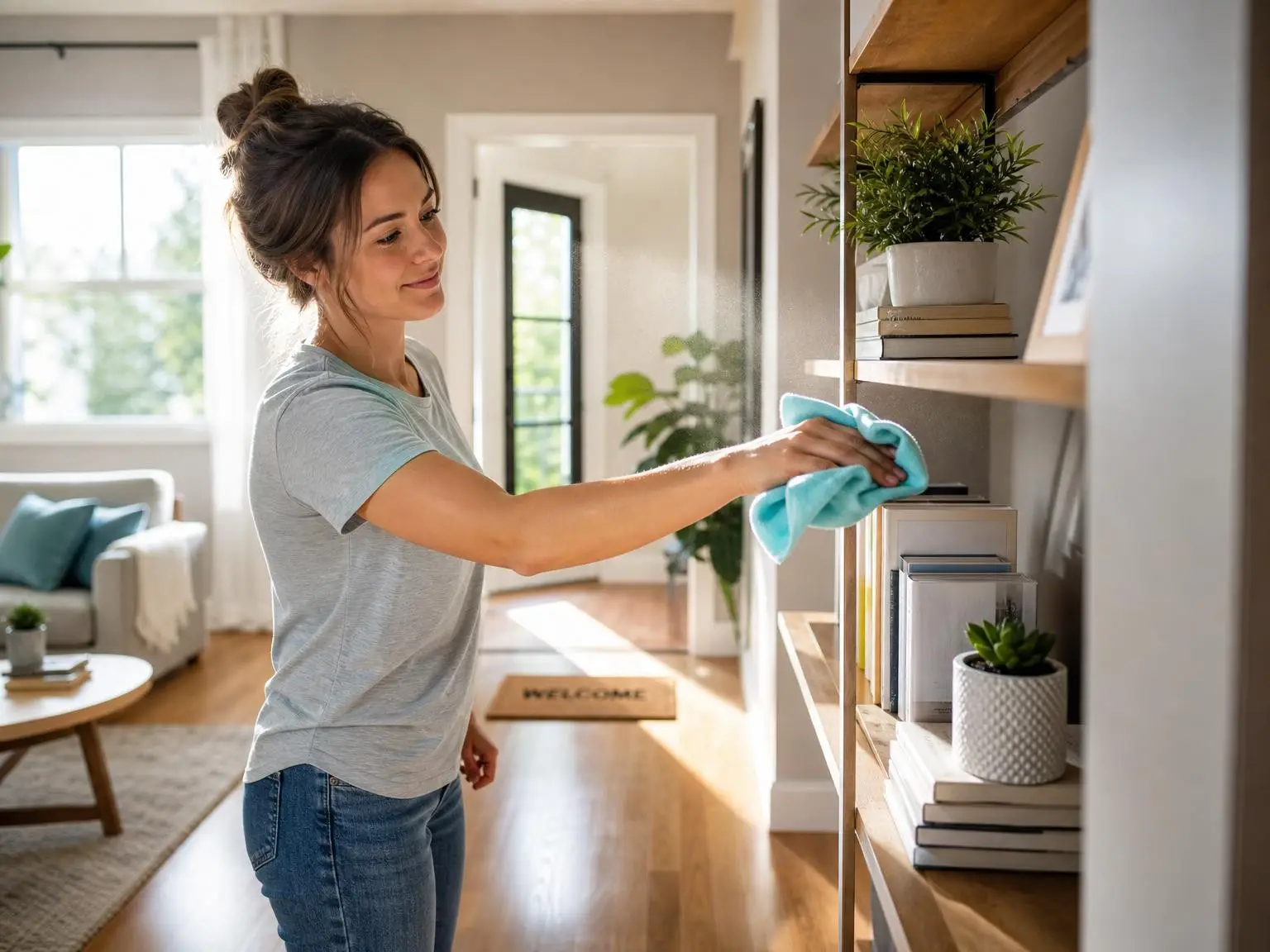
A well-designed home should remain functional over time. Maintenance plays a key role in preserving both aesthetics and efficiency. Surfaces should be kept clean, systems should be monitored and materials should be maintained regularly.
Consistency ensures that the home continues to perform as intended. When maintenance is neglected, even the best design begins to lose its impact. Small issues can grow, affecting both appearance and comfort.
Think of a home where finishes begin to wear and systems lose efficiency. The design itself has not changed, yet the experience feels different. Regular upkeep prevents this shift and maintains the original balance.
Is maintenance considered part of the design process? It should be. Without it, efficiency cannot be sustained.
Balancing aesthetics and efficiency in modern home design requires more than careful selection. It demands alignment between structure, materials and daily use. Each decision contributes to how the home looks and how it functions.
When purpose guides design, materials are chosen thoughtfully and layouts are planned with care, the result feels complete. Efficiency does not take away from style. It strengthens it.
A home that achieves this balance offers more than visual appeal. It provides comfort, reliability and a sense of ease that supports everyday living.