

I know how easy it is to overlook your mattress when your days get busy. You lie down each night, hope for good rest, and move on. But if you wake up tired or sore, it might help to look at how your mattress is holding up.
Many people wonder how often to replace mattress setups in their home, and the answer depends on a few simple signs.
In this guide, I’ll walk you through clear timelines, common wear clues, and tips that help you understand what your mattress needs.
My goal is to make this easy for you so you feel confident about your next step.
How Long Does a Mattress Last?
Mattress materials age at different speeds, so it helps to compare them side by side before choosing the one that fits your needs.
The table below breaks down the usual lifespan, strengths, and wear signs for each type.
| Mattress Type | Average Lifespan | Main Strengths | Common Wear Signs | Durability Factors |
|---|---|---|---|---|
| Innerspring | 5–7 years | Steady airflow and firm support | Sagging, coil noise, thinning padding | Coil count, coil strength, and padding quality |
| Memory Foam | 6–10 years | Pressure relief and body contour | Body impressions, soft spots, heat buildup | Foam density, base layer strength |
| Hybrid | 8–10 years | Balanced support and motion control | Softening top layers, sagging near edges | Coil strength, foam quality |
| Latex | 10–15+ years | Strong structure and slow aging | Gradual softening over time | Natural latex quality, ventilation |
| Airbed / Adjustable | 5–7 years | Adjustable firmness | Pump issues, leaks, and electronic problems | Part quality, humidity, frequency of use |
These details give you a clearer picture of how each mattress type holds up over time, making it easier to match your budget, sleep style, and long-term plans.
How Often to Replace a Mattress?
Most mattresses need to be replaced every 6 to 8 years. This is the general range that fits most homes. Age is not the only factor. Comfort, support, and how the mattress feels during sleep matter just as much.
A mattress can feel worn out long before it reaches its expected age, even if it still looks fine on the surface. Higher-quality materials usually last longer, while budget models often soften, sag, or lose support sooner.
Use a quick self-check:
- Note the age of the mattress.
- Pay attention to how you sleep.
- Notice how your body feels in the morning.
These simple signs help you decide if it is time for a new mattress.
Key Signs You Need to Replace Your Mattress
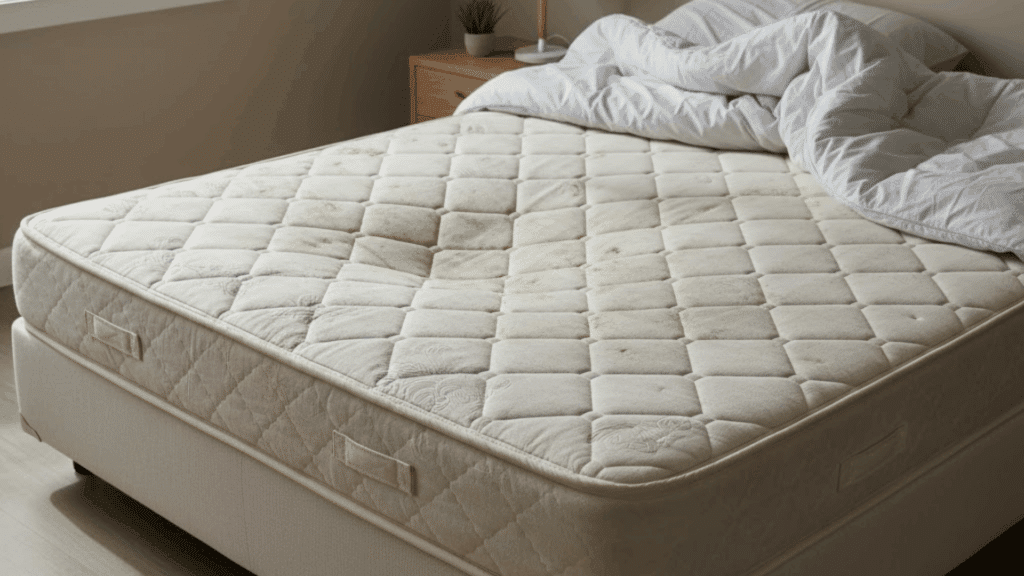
If sleep feels worse than it used to, these signs often point to a worn mattress:
- Visible sagging, lumps, or deep impressions: A mattress should stay flat and even. Dips, bumps, or compressed spots show the support system is breaking down.
- Morning aches, stiffness, or numbness: If you wake up sore or stiff, the mattress may no longer keep your spine aligned. This often shows up in the back, hips, shoulders, or neck.
- You sleep better anywhere else: If hotel beds, guest beds, or even your sofa leave you feeling more rested, your mattress may not support you anymore.
- Noisy springs, weak edges, or sinking toward the middle: Creaks, coil noise, or sliding toward the center point due to worn support. Couples often notice this first.
- Allergy flare-ups or stubborn odors: Mattresses collect dust, sweat, and buildup over time. If cleaning does not help, replacing the mattress may be healthier.
- Changes in your body or daily routine: Weight changes, injuries, pregnancy, or new sleep habits can make a once-comfortable mattress feel wrong for your body.
These signs help you understand how your mattress is holding up and give you a clear sense of when it might be time for a new one.
How Often to Replace a Mattress Based on the Type of Sleeper
Some people wear out a mattress faster than others due to body type, sleep habits, or added weight on the bed.
The table below shows how different sleepers may need to replace their mattress sooner or later than the average range.
| Sleeper Type | Why They Replace Sooner | What Usually Wears Out | Typical Adjustment |
|---|---|---|---|
| Heavier sleepers | Added weight increases pressure | Foam softens, coils lose tension | Replace on the lower end of the range |
| Couples and co-sleepers | Two bodies compress the same areas | Motion control and edge support | Expect faster wear in shared zones |
| Hot or sweaty sleepers | Heat and moisture break down materials | Odors, soft spots, foam breakdown | Replace when signs show up early |
| Kids and teens | Growth and rough use add strain | Surface dents, spills, uneven spots | Upgrade more often as size needs change |
| Seniors or people with pain | Need stronger support for joints | Loss of firmness and pressure relief | Replace when comfort changes, not by age |
These points help you see how personal habits and daily use can shift the timeline for replacing your mattress.
How To Choose Your Next Mattress
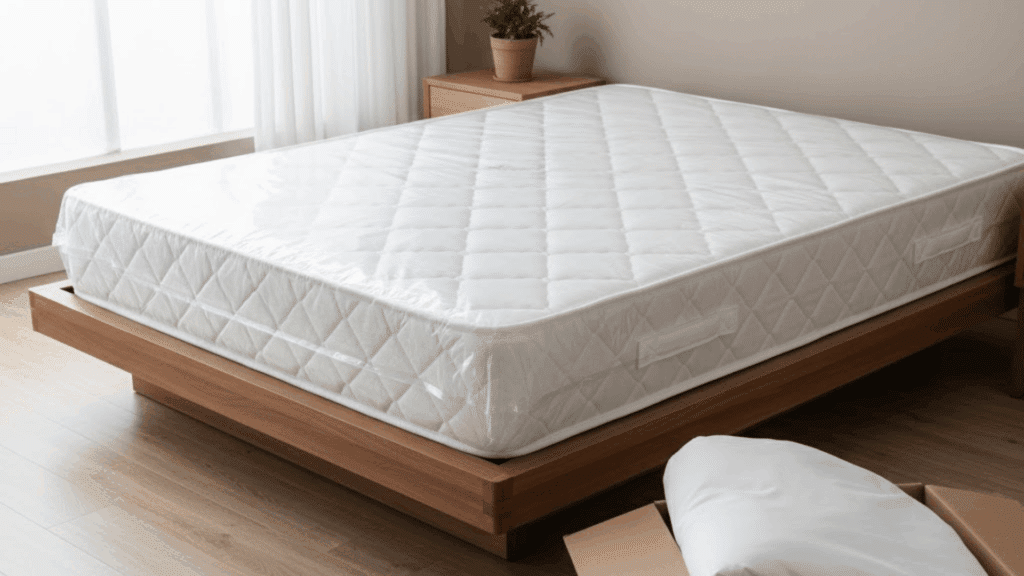
If your mattress is past its best years, a clear set of steps makes it easier to choose a replacement that holds up well over time.
Step 1: Match firmness to your sleep position: Side sleepers often need more pressure relief, while back and stomach sleepers usually need stronger support.
Step 2: Pick the mattress type that fits your needs: Foam, coils, hybrids, and latex each offer different levels of support, heat control, and overall feel.
Step 3: Check trials, returns, and warranties: A good trial period and clear warranty help you test the mattress and protect your purchase with confidence.
If you want, I can shorten these even further or format them as bullets instead of steps.
Tips To Help Your Mattress Last Longer
Small care steps can make a big difference in how your mattress holds up over time. The tips below show simple ways to extend its comfort and support.
- Use a mattress protector and a strong base: A protector blocks spills and dust, and a solid base prevents sagging.
- Rotate your mattress regularly: Turning it every three to six months spreads out pressure and slows wear.
- Clean and air out the mattress: Vacuuming and airing reduce dust and odors while keeping the surface fresh.
- Follow daily habits that protect the mattress: Avoid rough use, weak frames, and heavy pressure in the same spot.
These tips help you keep the mattress steady and supportive, so it stays comfortable for as long as possible.
Final Thoughts
I hope this helped you understand how often to replace mattress setups and notice the signs that show when your bed is wearing down.
Your sleep shapes your whole day, so it matters to keep an eye on comfort and support as the years pass.
You now have a clear sense of how long each mattress type lasts, how to spot early wear, and how to choose your next one with confidence.
My goal was to make this simple for you so your nights feel better and your mornings feel lighter. If you want more home tips or ideas, feel free to check out more posts on my blog.