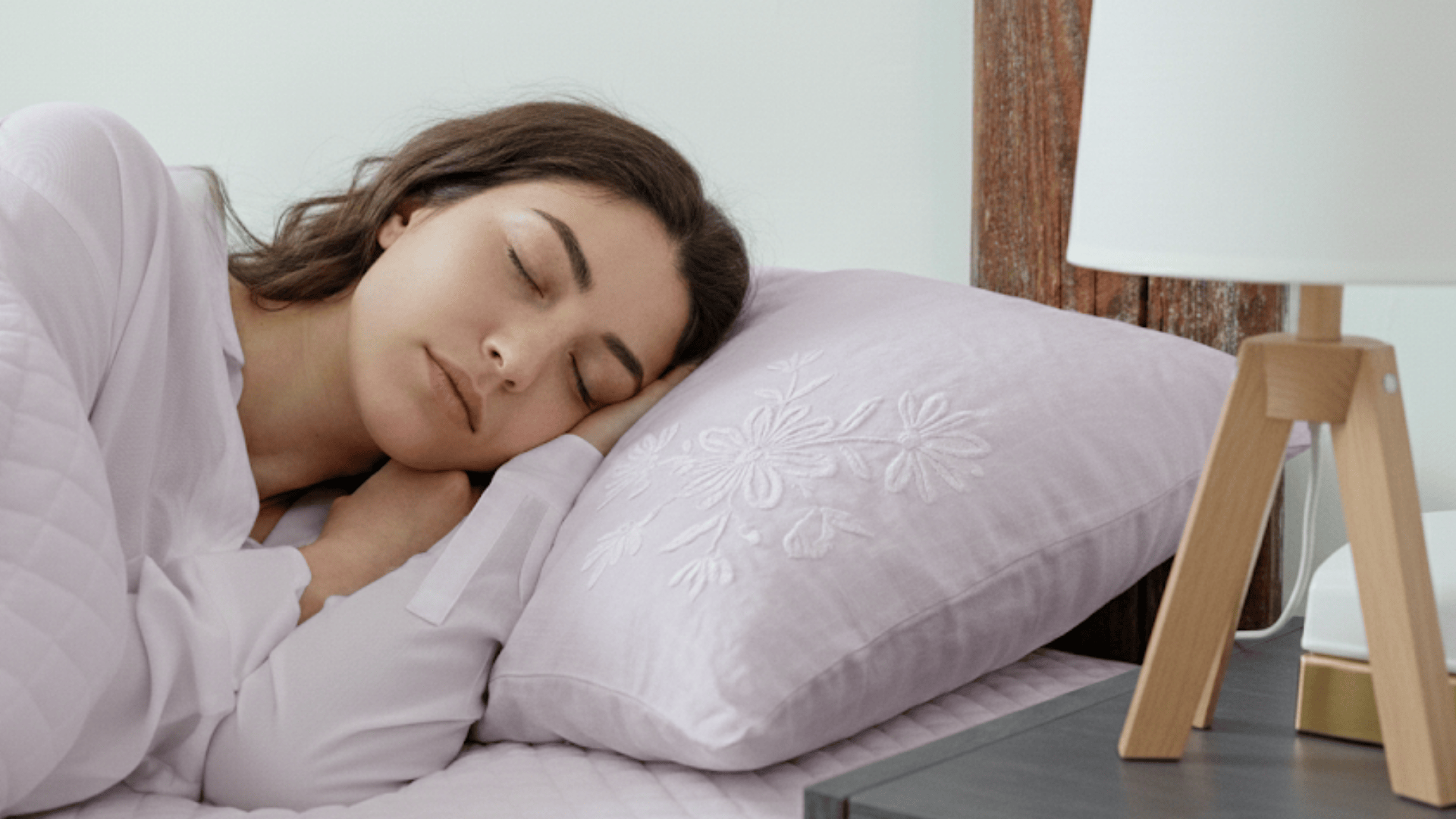
I used to wonder if it was better to sleep with or without a pillow, especially after hearing people say sleeping flat helped their posture.
I even tried it myself, but quickly realized it’s not the same for everyone. Our bodies are all different, and the way we sleep affects how our necks, backs, and spines feel.
Sleeping without a pillow can be great for some people, but it can also cause pain for others.
In this guide, I’ll explain how pillows really affect posture, why no pillow isn’t always better, and share simple tips to help your body stay supported and comfortable while you sleep.
Is It Better to Sleep With or Without a Pillow?
It depends on how a person sleeps.
I know that’s not the yes-or-no answer most people want, but hear me out. Sleeping with or without a pillow isn’t the same for everyone.
The main goal while sleeping is to keep the head, neck, and back in a straight line. That’s called good alignment, but think of it like this: the body should feel relaxed, not bent or twisted.
Sleep position matters a lot. Stomach sleepers may feel better without a pillow since it can push the neck up. But for back or side sleepers, skipping a pillow can let the head drop and cause pain.
So, there isn’t one rule that works for everyone. The “better” choice is the one that helps the body feel supported and pain-free in the morning.
Understanding Sleep Posture
When you sleep, it’s important to keep your body in the right position so you can rest properly. This is called sleep posture, and it helps keep your neck, back, and spine in a straight line.
Your spine has natural curves in certain areas, such as your neck, upper back, and lower back. These curves help support your body during the day.
When you sleep in a way that messes up these curves, it can cause pain and make it harder to relax. Hence, sleep posture is important:
- Keeps Your Spine Healthy: If you sleep in a way that supports your spine’s natural curves, your body stays balanced and comfortable. But if your spine is twisted or out of line, it can hurt over time.
- Prevents Pain: When your body is properly aligned, your muscles don’t have to work hard while you sleep. If you’re not aligned, your muscles might tighten up and hurt, especially in your neck, shoulders, or back.
- Helps You Sleep Better: When your body is in a comfortable position, you can sleep more soundly. But if your spine is misaligned, you might toss and turn all night, which can leave you feeling tired in the morning.
- Avoids Long-Term Problems: Sleeping in the wrong position for too long can lead to more serious problems, such as back pain or stiff muscles. Keeping your spine in a good position can help avoid these issues later.
To sleep the best, your head, neck, and back should form a straight line. If your pillow or mattress doesn’t provide enough support, your spine can bend out of shape, leading to discomfort. It’s like trying to walk with shoes that don’t fit you won’t feel great!
Does Sleeping Without a Pillow Help Posture?
While sleeping, the neck and back should stay in a straight, comfortable line. People often call this a “neutral spine.” It just means nothing is bent too much or forced into a weird position.
Sleep posture is important because it helps the body rest instead of putting stress on the muscles all night.
| Sleep Position | With Pillow | Without Pillow | What Happens |
|---|---|---|---|
| Stomach | Can strain neck by pushing head up | May reduce neck bend and feel better | Without a pillow, the head stays flatter, and the neck feels less strained |
| Back | Supports neck and keeps spine aligned | The head falls back, which can cause pain | Back sleepers need support under the neck or the head falls backward, causing pain and stiffness |
| Side | Fills the gap between the head and the shoulder | Neck bends sideways, leading to soreness | Side sleepers need a pillow to fill the space between their head and shoulder, or the neck bends, which causes pain |
So, to answer the question, does sleeping without a pillow help posture? For some stomach sleepers, yes. For most back and side sleepers, no.
Pillow Use: Who Needs One and Who Doesn’t
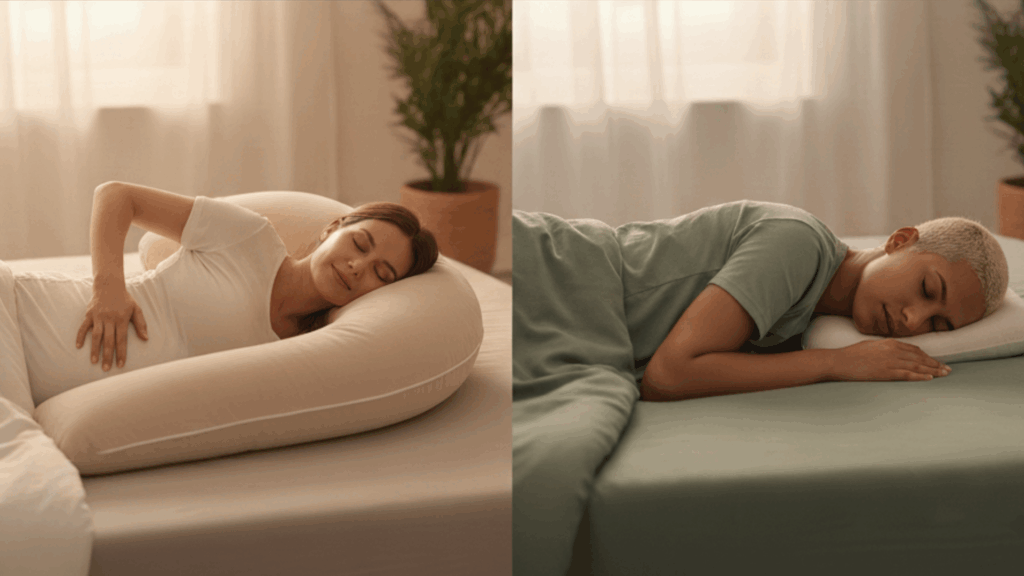
When it comes to pillows, not everyone needs the same kind. Some people can sleep just fine without one, while others need that extra support to feel comfortable. Here’s a breakdown of who should use a pillow and who might be fine without it.
Who Should Use a Pillow?
Choosing the right pillow depends a lot on how you sleep and what your body needs. Some people can’t go without one, while others need special support. Here’s who should definitely use a pillow to keep their neck and spine in good shape.
- Side Sleepers: If you sleep on your side, you definitely need a pillow to fill the gap between your head and shoulder. Without one, your neck will be forced to bend too much, which can cause pain. A thicker, firmer pillow works best for side sleepers to keep everything aligned and avoid neck strain.
- Back sleepers: need a pillow to support the natural curve of their neck. If your pillow is too high or too low, your head will tilt too much, which can cause pain. A medium-height pillow with good support is usually best for back sleepers to maintain that neutral spine and keep the neck aligned.
- People with Neck or Back Pain: If you already have neck or back pain, using a memory foam or orthopedic pillow can make a huge difference. These pillows offer extra support, helping keep your neck and spine in a neutral position, which can reduce strain and pressure on painful areas.
Pregnant Women - Pregnant women: especially in the later stages, may find that a body pillow or a pillow under their belly helps relieve pressure on the back and hips. Side sleeping with extra support can also improve comfort.
Choosing the right pillow for your sleep position and needs is key to maintaining comfort and good posture. If you’re unsure, experimenting with different types of pillows or seeking professional advice can help you find the best support for your body.
Who Can Avoid Using a Pillow?
While pillows are helpful for most people, there are some cases where it’s better to avoid them. If you fit into any of these categories, skipping a pillow might help you feel more comfortable.
- Stomach Sleepers (in some cases): For some stomach sleepers, sleeping without a pillow can be beneficial, as it prevents the neck from being pushed upward and out of alignment. However, if you do use a pillow, it should be thin to prevent unnecessary neck strain.
- People with Certain Neck Injuries or Conditions: Some neck injuries or conditions may worsen with pillow use, especially if the pillow forces the neck into an unnatural position. Consulting a doctor before using a pillow may be necessary if you have severe neck issues, like whiplash or disc problems.
- People with Sleep Apnea (in some cases): Sleeping with the wrong pillow can affect breathing. However, a specialized pillow that supports proper airway alignment can help. If you’re unsure, it’s a good idea to consult with a healthcare professional before adjusting pillow use.
In these cases, it’s important to carefully consider your pillow choice or opt for no pillow at all, depending on what works best for your body and health needs. Always consult with a healthcare professional if you’re unsure about the best option for you.
When a Pillow Does More Harm Than Good?
Pillows are meant to help you sleep better, but if you’re using the wrong one, they can actually cause problems. A bad pillow can mess up your neck, shoulders, and even your sleep! Here’s how:
- Neck Pain: If your pillow is too high or too low, it can push your neck into a weird angle. This makes the muscles in your neck work all night long, and when you wake up, your neck might be stiff or sore. Ouch!
- Shoulder Pain: If your pillow is too thick or too thin, it can cause shoulder pain. A pillow that’s too high might make your shoulders press down awkwardly, causing tightness and pain. If it’s too flat, your shoulder might sink in too much, leaving you feeling unsupported.
- Headaches: Bad pillows can also lead to headaches. If your neck isn’t properly supported, the muscles that connect your neck to your head can become strained, leading to tension headaches. These can feel pretty uncomfortable and can last throughout the day.
- Tossing and Turning: If your pillow isn’t comfortable, you’ll probably toss and turn all night trying to find a good position. This makes it harder for you to sleep deeply, so even if you’re in bed for hours, you might wake up feeling tired and restless.
- Numbness or Tingling: Sometimes, a pillow that’s in the wrong spot can put pressure on nerves or cut off blood flow. This can lead to that weird feeling of your arms or hands “falling asleep,” or tingling when you wake up.
In short, choosing the right pillow depends on your sleeping position and any existing pain. Picking the right one can help keep you comfortable, prevent pain, and improve the quality of your sleep!
Signs that Your Pillow is the REAL Issue
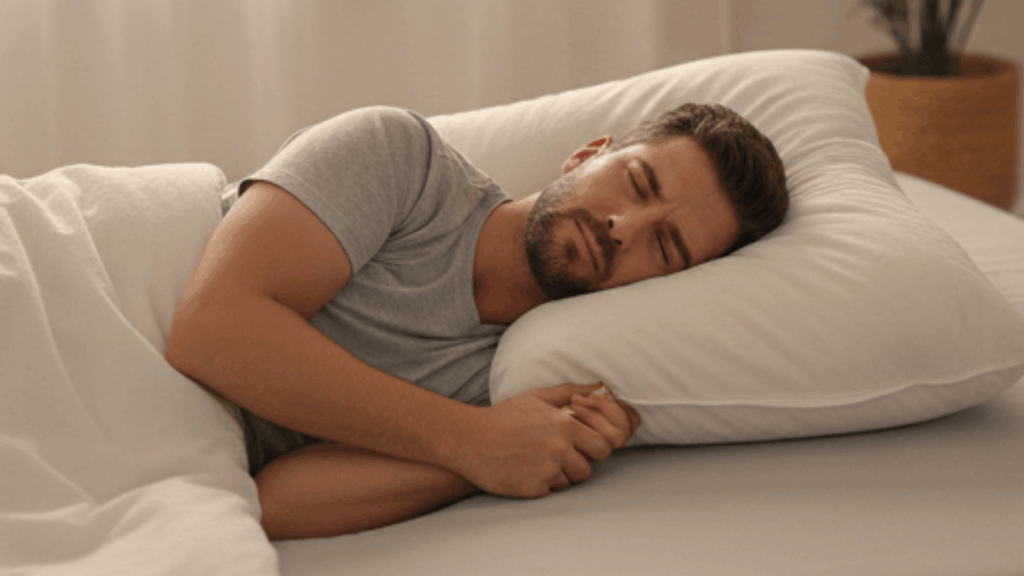
Not all pillows are created equal, and choosing the wrong one can lead to discomfort and even pain. Here’s what to look out for in a pillow that may cause more harm than good.
Too High or Too Thick
If your pillow is too high or too thick, it can force your neck into an unnatural position, leading to neck strain and pain. This is especially problematic for back and stomach sleepers. A pillow that’s too high can push your head forward, causing muscle tension and headaches.
For back sleepers, the pillow should be medium height, about 3 to 4 inches. For side sleepers, a thicker pillow around 4 to 6 inches is often best to fill the gap between the head and shoulder.
Too Flat or Old
Pillows that are too flat or worn out don’t offer enough support for your neck and head. If the pillow doesn’t hold its shape, the head may sink too low, throwing the neck out of alignment. Over time, a flat pillow can lead to muscle strain and stiffness.
A pillow that is too flat for side sleepers may not offer adequate support. For back sleepers, a slightly firmer 3-inch pillow is ideal for supporting the neck’s natural curve.
Too Soft or Too Firm
A pillow that’s too soft doesn’t provide enough support, causing the head to sink too deeply and the neck to bend unnaturally. On the flip side, a pillow that’s too firm can feel like sleeping on a rock, offering no comfort. The key is finding the right balance for your sleeping position and body.
A medium-firm pillow is generally a good choice for most sleepers, providing enough support while maintaining comfort.
Poor Materials
Pillows made from low-quality materials can affect both comfort and health. For instance, synthetic materials may trap heat, causing discomfort and interrupting sleep. Natural materials like memory foam, latex, or down tend to offer better support and breathability, but make sure to choose a pillow with a material that suits your comfort level.
Memory foam, latex, and down alternative pillows are excellent for support and comfort, but make sure the material is breathable to prevent overheating during the night.
By adding the ideal heights and firmness for different sleep positions, the content is more informative and tailored to helping people choose the right pillow. Let me know if you’d like to make any further adjustments!
Pillow Recommendations for Better Sleep
Choosing the right pillow depends on your sleep position and comfort needs.
Memory foam pillows offer great support for back and side sleepers. This Orthopedic Memory Foam Pillow, from Amazon, can provide neck pain relief for stomach and back sleepers.
Cervical pillows are perfect for neck pain, and body pillows are great for side sleepers or pregnant women.
Down and feather pillows are soft, especially these goose down feather pillows, which are ideal for stomach sleepers.
For firmness, soft pillows work best for stomach sleepers, medium-firm for back sleepers, and firm for side sleepers. Adjust pillow height as needed, or use two pillows for added support. A body pillow can also help with body alignment and comfort.
Find what works for your body to improve your sleep quality!
Final Thoughts
The health effects of sleeping without a pillow depend mostly on sleep position. The body needs proper support while sleeping, which means using a pillow or other support under the head and neck.
When wondering is it better to sleep with or without a pillow, the answer isn’t the same for everyone.
As mentioned earlier, your sleep position decides whether a pillow helps or hurts. Skipping it can cause more problems than it solves. The key is to keep the neck and spine naturally supported.
If neck pain or posture issues are a concern, try adjusting pillow height instead of removing it, and share this guide with someone who struggles to sleep comfortably.