
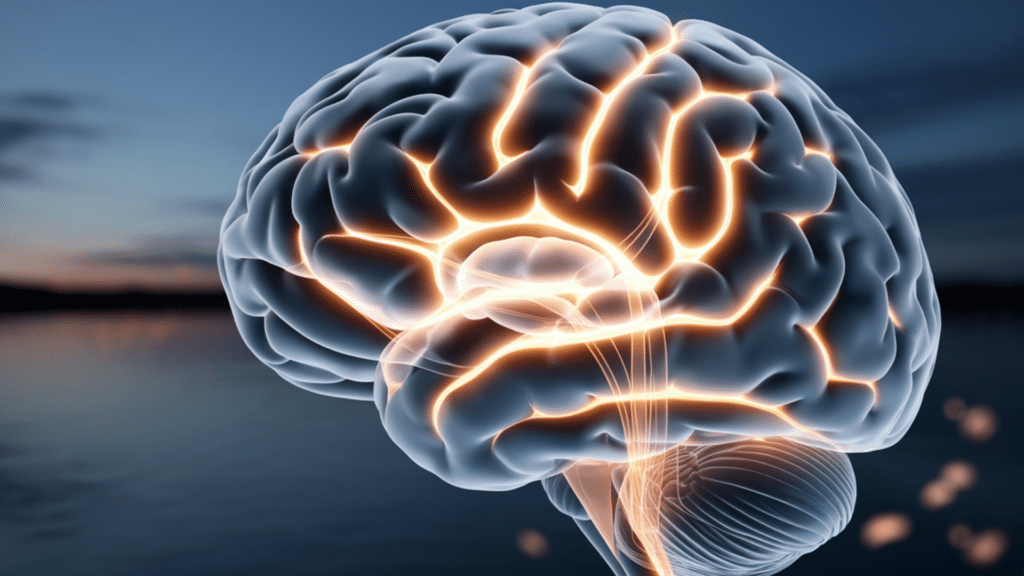
I remember staying up way too late during a busy week and feeling my mind slow down the next morning.
You’ve probably felt that same heavy fog after missing sleep.
It can make you wonder what’s really going on in your head, especially when you come across claims that the brain eats itself from lack of sleep, or see questions like Does your brain eat itself when rest is low.
That kind of headline grabs attention fast, but it also adds confusion for anyone trying to understand what actually happens.
I want to break it down in a clear, steady way so you can see what the science really shows and how it affects your day-to-day life. Let’s get started.
What’s Actually Happening to Your Brain When You Don’t Sleep
When you miss sleep, your brain doesn’t start destroying itself. What does change is how hard its maintenance systems work. Two major processes are involved:
Waste removal slows down. During sleep, the brain clears built-up waste more efficiently through a fluid-based system called the glymphatic system. When sleep is cut short, that clearing process becomes less effective, so normal byproducts of daily brain activity can linger longer.
Support and immune cells become more active. With extended wakefulness, specific brain cells involved in cleanup and immune defense ramp up their activity. This is part of regular upkeep, but if sleep loss becomes chronic, this can contribute to higher inflammation over time, which may affect thinking, mood, and memory.
So the real story isn’t “your brain eats itself.” It’s closer to: your brain’s cleanup and immune systems shift into a more stressed, less efficient mode when you don’t sleep.
Where the “Brain Eats Itself From Lack of Sleep” Headline Came From

Does your brain eat itself? The phrase likely traces back to animal research that observed increased “cleanup” activity in the brain after sleep loss, and was then turned into a dramatic claim in news coverage. Here’s what the major research areas actually suggest:
University of Bari (2017): Researchers observed that certain support cells became more active in clearing weaker or worn-out components around synapses when sleep was restricted. This was interpreted by some outlets as “the brain eating itself,” but the finding indicated an increase in normal cleanup activity, not brain tissue destruction.
University of Rochester (glymphatic system): Deep sleep appears to support more effective waste clearance from the brain. When sleep is limited, this system doesn’t work as efficiently, which is one reason researchers study connections between sleep, protein buildup, and long-term brain health.
NIH-linked research on immune activation: Studies show that sleep loss can increase activity in microglia (immune cells in the brain). This may raise inflammation during prolonged sleep restriction, which helps explain brain fog and reduced mental sharpness after poor sleep.
None of this equals “your brain eating itself.” It reflects how the brain adapts — and how those adaptations may become harmful if they persist.
Short-Term Sleep Loss vs. Chronic Sleep Loss
Does sleep deprivation cause brain damage? Sleep loss affects you differently depending on how often it happens.
Short-Term Sleep Loss (Occasional Bad Nights)
This is where most people experience:
- Slower focus and reaction time
- Irritability or mood swings
- Brain fog and reduced memory sharpness
For most people, these effects can improve quickly after a night of recovery sleep and a return to a steady schedule.
Chronic Sleep Loss (Ongoing Pattern)
When sleep deprivation becomes routine, the brain may stay in a higher activation state for longer than is ideal:
- Cleanup and immune systems remain more “switched on.”
- Inflammation may stay elevated.
- Memory and concentration can become more noticeably affected over time.
Research is still narrowing down the long-term impact on humans, but the pattern is consistent: the brain functions best when sleep is regular and sufficient.
How to Protect Brain Function with Better Sleep
You don’t need a perfect routine. Even small changes make a real difference.
Daily Habits That Help
- Keep a consistent sleep and wake time as often as possible
- Dim lights and reduce screens 30–60 minutes before bed
- Keep your room calm, dark, and quiet
- Avoid heavy meals, alcohol, or caffeine late at night if they disrupt your sleep
When You Should Seek Help
Consider professional support if you:
- Struggle to fall asleep most nights
- Wake up often and can’t return to sleep
- Feel exhausted even after “full” nights in bed
- Notice sleep problems lasting weeks and affecting daily life
A doctor can help identify causes like stress disorders, insomnia, circadian rhythm issues, or sleep apnea and guide treatment.
Conclusion
I hope this helped you see the real science behind sleep and how it shapes brain health.
The idea sounded confusing at first, but now you know these changes come from normal cleanup systems working harder when rest is limited.
The main point is simple: steady sleep keeps your mind clear, your mood steady, and your memory in better shape. As you think about your own sleep routine, try one or two small changes and notice how your day feels.
If you want to keep learning, I shared more topics that can help you understand how rest affects the body. Check out my other blogs for more support and a deeper look at how the brain eats itself from lack of sleep.