
Everyone deserves to live in a comfortable and clean home. That said, living a comfortable life is a decision you have to work for, even if that just means figuring out the furniture to include in your space.
The good news? It’s more than possible to create and thoughtfully design a home you can truly call your own that’s both cosy and functional. The difference you can feel in your day-to-day waking up in a house you actually like is staggering, and it can play a big role in your productivity and well-being.
If you don’t want to feel like you’re living in a cramped or uncomfortable space, then you’re reading the right article. We’ll run you down some tips to help you build a home that you can comfortably breathe and lounge in—all without tearing down your bank account.
Let’s jump right into it!
3 Factors to Consider When Creating a Comfortable Living Space
Creating a cosy living space on a budget is a multi-faceted ordeal. It’s not just about safety-proofing the space or adding pleasant fragrances—it’s about combining all of these things to support everyday living.
As this is the case, it’s essential to be comprehensive when planning the design and function of your living space. Even subtle details can have a profound impact on the atmosphere of your space; as such, try to balance all these elements when planning your next living space layout.
If you’re eager to know which factors to consider, then here they are in greater detail:
Furniture and Furniture Sets
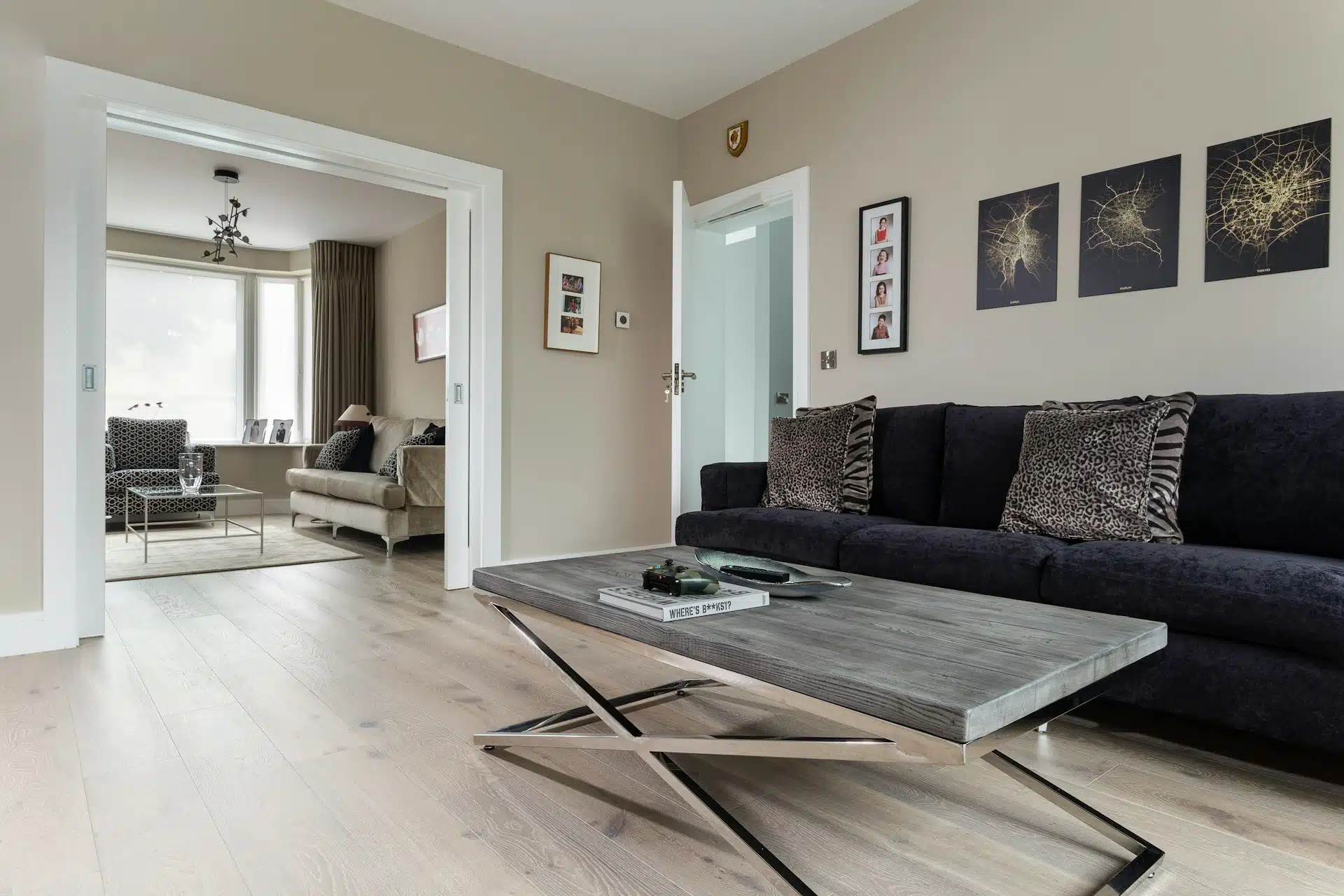
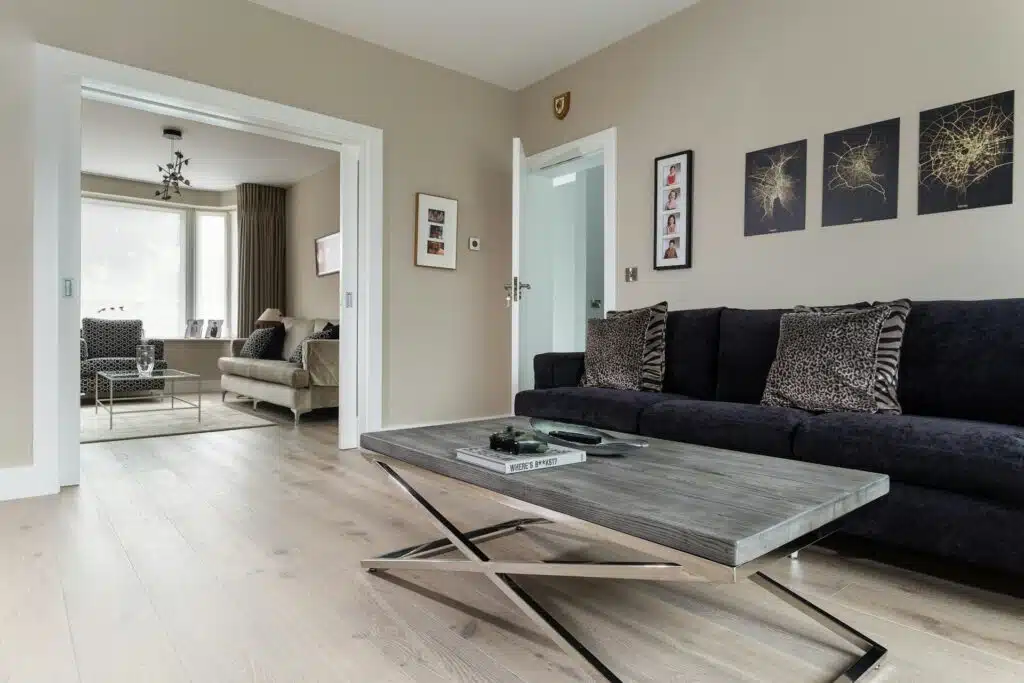
The first thing you should think about when designing a comfortable home is its furniture. The furniture is what makes a home livable, enabling you to remain comfortable throughout the day.
That being said, furniture and furniture sets can fetch a hefty price, especially if you plan to fully decorate your space from scratch. High-quality tables and sofas can vary greatly in price, and cheaping out on them may mean sacrificing some degree of comfort.
The good news is that there are ways you can reduce the cost of these essential items while still ensuring comfort for you and your family. One way you can do this is by being selective of the furniture you choose to buy for your home. You don’t immediately have to purchase a set just because it’s there—it could end up cluttering your home and making it look messy. Prioritise getting key pieces like a coffee table and a sofa, then build your space from there.
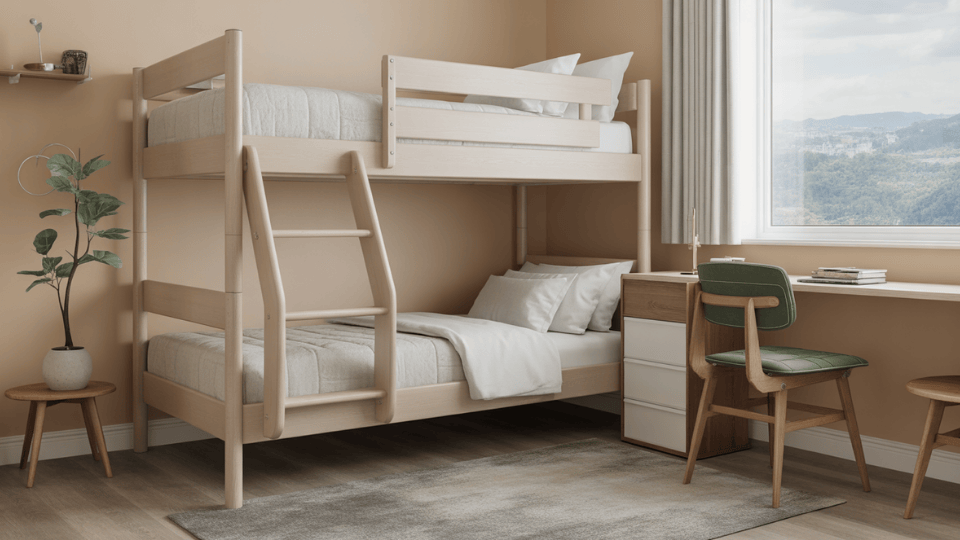
You can also consider getting two-in-one furniture for extra value. Think along the lines of ottomans, coffee tables with leg shelves, and the like. This can help maximise space in your home and minimise the need for you to buy extra storage compartments.
You can also save up by searching for secondhand furniture and preloved items. You can typically find these furniture pieces in online marketplaces or warehouse stores, so scout around your local area and pick some favourite pieces there.
By being methodical and thoughtful when selecting your furniture pieces, you’ll be able to decorate a comfortable home with your own personal flair without spending over your budget.
Prioritise Safety
A comfortable living space should first and foremost be a safe one.
Beauty and aesthetics may be highly valuable considerations for you personally, and there’s nothing wrong with that. However, it’s also important to reduce the risk of accidents to ensure that your home is not just good to look at, but also comfortable and safe.
There are various ways you can uphold safety in your home. The first is by being selective of the furniture you choose. If you’re sharing a home with a senior citizen, for instance, it’s beneficial to invest in non-slip furniture like rugs and flooring in high-risk areas around the house, like the bathroom and kitchen.
It’s also important to keep hazards, such as loose electrical wiring and chemicals, out of reach. Anti-ligature furniture may also be something to look into if you live in a home with a vulnerable individual.
In any case, by prioritising safety in your home, you can create a home that’s both physically safe and peaceful for the mind. These safety additions reduce the risk of accidents and injuries, which can make your home much more suitable for daily living.
Lighting and Natural Light
Another subtle but critical detail when designing a comfortable and affordable living space is your home’s lighting scheme.
Lighting plays a big role in influencing the atmosphere of one’s home. If it’s too dark or dim even during the daytime, it can promote negative emotions more often than not.
On the flip side, if there’s a good amount of natural light entering the house from the windows, this could promote feelings of lightness and more positive emotions.
Of course, your mileage may vary depending on your personal taste, but fundamentally, that idea is true for most people. As such, it’s a good idea to be intentional with how you choose your lighting.
In general, warmer, diffused lighting tends to make a space feel more comfortable than harsh white or fluorescent lights. They also consume less electricity, leading to a lower utility bill at the end of each month.
Of course, if you need a lot of brightness, these white lights are still excellent choices. You can also play with verticality and put a combination of floor lamps, ceiling lights, and table lamps in a space.
By having lighting options, you can make your space feel bright and functional throughout the day to varying degrees.
Temperature and Ventilation

Another way to improve the comfort of your community living space is by managing the temperature and airflow of the house.
Comfort is closely tied to how your body feels amidst certain conditions and temperatures. If it’s humid and hot, then you could feel sticky and unpleasant, which is certainly not a nice feeling to have.
On the other hand, a space with good airflow and balanced temperature feels fresher, calmer, and far more livable. This can be achieved by making a few simple touches.
For one, you can place windows directly opposite each other, so that air can cycle through without obstructions. You can also put a ceiling fan and turn it on to move the air around.
A temperature regulator like an A/C unit can also help keep your community space cool and comfortable day and night. You can use its built-in energy-savings mode to reduce your monthly utility bill.
By being intentional with your temperature and ventilation, you can make your home much more comfortable for resting and living. In turn, this can promote a good quality of life for you and everyone else in the household.
We hope that these tips can help you come up with a potential home DIY project to create a more pleasant living environment. All the best in creating a comfortable home on a budget!