
Washing your bed sheets by hand may seem like a big task, but I’ve found it’s easier than you think. There’s something satisfying about knowing your sheets are clean without relying on a washing machine.
Maybe you’re looking to save energy, dealing with sensitive fabrics, or just don’t have access to a washer right now. Whatever your reason, I can tell you that hand-washing is a simple yet effective way to get the job done.
I’ll walk you through each step of the process, with no fancy equipment needed, just a few basic tools and a little patience. Ready to learn how I wash bed sheets the right way? Let’s get started!
Why Wash Bed Sheets by Hand?
Hand-washing bed sheets offers a gentle, effective alternative to machine washing, particularly valuable for sensitive fabrics like silk, linen, or vintage textiles that require extra care.
This method is ideal when you lack access to a washing machine, during travel, living in a dorm, or during appliance breakdowns.
Hand-washing gives you complete control over water temperature, detergent concentration, and agitation intensity, helping preserve fabric integrity and extend sheet lifespan.
It’s also an eco-friendly choice, consuming less water and energy than standard machines. While more time-intensive than tossing sheets in a washer, hand-washing ensures thorough cleaning while protecting your investment in quality bedding.
What You’ll Need Before You Start
Before you begin the actual washing process, it helps to gather your supplies so everything flows smoothly. Most items are already available in your home.
Essential supplies:
- Large container (bucket, bathtub, or plastic tub)
- Laundry detergent (your regular brand)
- Water at an appropriate temperature (check care label)
- Rinsing area with good drainage
- Clothesline or drying rack
Optional but helpful:
- Stain remover for spots
- White vinegar (fabric softener alternative)
- Soft brush for stubborn stains
Having everything ready beforehand saves time and ensures you won’t need to pause mid-wash to search for supplies.
How to Wash Bed Sheets by Hand: Step by Step
With your supplies gathered and your washing schedule in mind, let’s move into the actual hand-washing process.
Follow these straightforward steps to hand-wash your sheets effectively, ensuring they come out clean, fresh, and well-maintained without a machine.
1. Prepare Your Washing Area
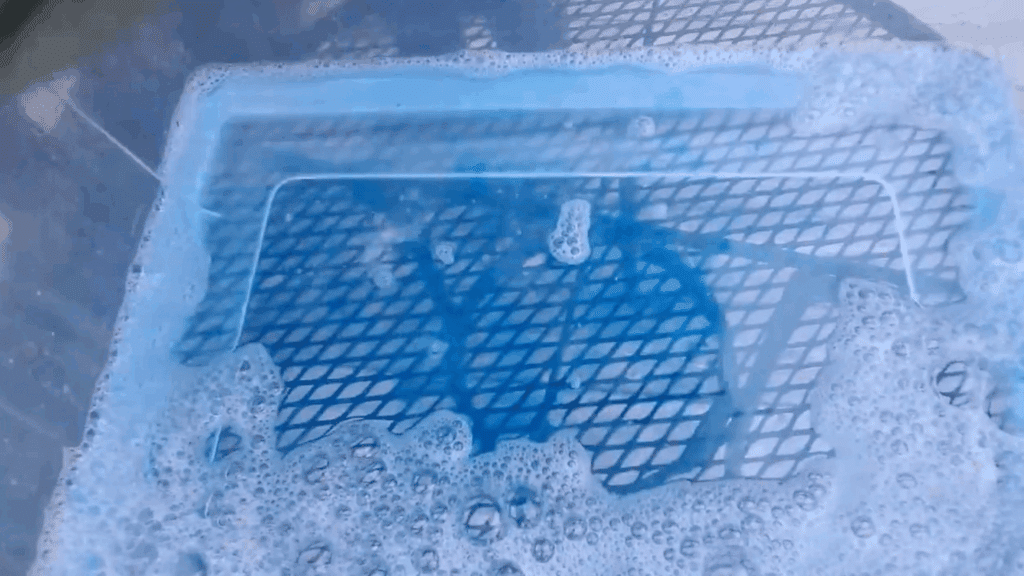
Select a large container, such as a bathtub, bucket, or plastic tub, and fill it with water at the appropriate temperature for your fabric type.
Add your detergent and mix thoroughly until fully dissolved. Use a stain-lifting detergent for heavily soiled sheets. Ensure you have enough space to work comfortably.
2. Soak Your Bed Sheets

Submerge your sheets and pillowcases completely in the soapy water, ensuring all fabric is covered.
Let them soak for at least 30 minutes to allow the detergent to penetrate deeply and loosen dirt, oils, and body residue. This soaking step makes the actual washing much more effective and easier.
3. Wash the Sheets and Pillowcases
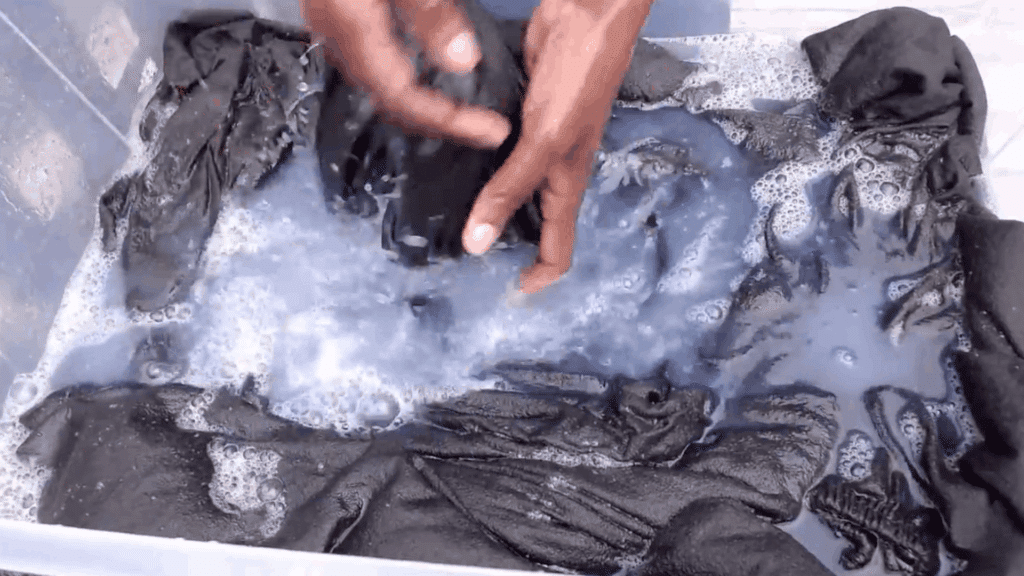
After soaking, begin washing by gently rubbing the fabric between your palms. Start with pillowcases, then move to sheets, working systematically from edge to edge.
Agitate the fabric gently but thoroughly, paying extra attention to soiled areas. Add more detergent if needed for stubborn spots or heavily soiled sections.
4. Rinse the Sheets Thoroughly

Drain the soapy water completely and refill your container with fresh, clean water. Submerge the sheets and agitate them to remove all detergent residue.
Repeat this rinsing process multiple times until the water runs completely clear, ensuring no soap remains. Thorough rinsing prevents stiffness and skin irritation.
5. Squeeze Out Excess Water
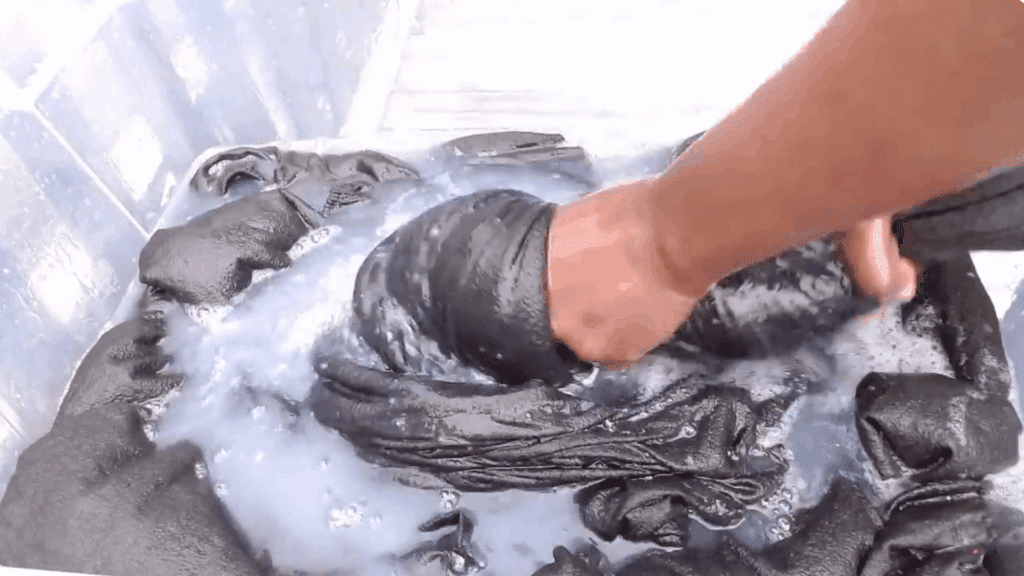
Fold the sheets in half and gently press or squeeze to remove excess water. Avoid aggressive wringing or twisting, which can damage fibers and cause wrinkles.
For very wet sheets, roll them in a clean, dry towel and press firmly to absorb additional moisture before moving to the drying stage.
6. Dry the Sheets Properly

Hang sheets on a clothesline or drying rack in a well-ventilated area for air drying. For white sheets, direct sunlight naturally brightens and disinfects.
Keep colored sheets in shade to prevent fading. Smooth out wrinkles with your hands before hanging. Ensure good airflow for faster, more even drying.
With these six simple steps, you can hand-wash your bed sheets effectively and keep them fresh, clean, and in excellent condition for years to come.
Here is the detailed video by Florence Straka
Handling Various Sheet Fabrics
Since different fabrics respond differently to water and detergent, adjusting your approach based on the type of sheets matters. Here’s how each sheet material requires specific care to maintain quality, softness, and durability:
| Fabric Type | Water Temperature | Detergent Type | Agitation Level | Special Care Notes | Drying Method |
|---|---|---|---|---|---|
| Cotton | Warm water | Standard detergent | Moderate | Durable and easy to care for | Tumble dry on medium heat |
| Sensitive fabrics (Silk/Linen) | Cool to lukewarm water | Gentle, pH-neutral detergent | Minimal | Requires proper handling | Air dry or tumble dry low |
| Microfiber/Synthetics | Warm water | Standard detergent | Gentle | Avoid fabric softener | Tumble dry on low heat |
Always check your sheet’s care label first, as manufacturer instructions may vary. Adjusting your approach based on fabric type helps preserve quality and extends the life of your bedding.
Troubleshooting Common Issues with Hand-Washed Sheets
Even when you follow all the steps correctly, you may run into a few common problems. Here’s how to fix them quickly and effectively:
- Lingering soap smell: Rinse more thoroughly with additional fresh water cycles, or add a splash of white vinegar to your final rinse to eliminate detergent residue.
- Stiff or rough texture: Soak sheets in water with ¼ cup baking soda for 30 minutes, then rinse well. Use less detergent in future washes to prevent buildup.
- Color fading: Wash dark and light sheets separately. Use cool water instead of hot, and turn colored sheets inside out before washing to protect dyes.
- Excess water retention: Press sheets against the tub side to squeeze out water, or roll them in a dry towel to absorb excess moisture before hanging.
- Wrinkles and creases: Smooth sheets with your hands before hanging. Shake them out well and hang them taut on the line to minimize wrinkles naturally.
With these simple solutions, you can address most hand-washing challenges and keep your sheets fresh, soft, and looking their best.
How Often to Wash Your Bed Sheets?
Now that you understand why hand-washing can be beneficial, you might be asking yourself how often you actually need to do it.
Regular sheet washing is essential for maintaining a clean, healthy sleep environment. As a general rule, wash your bed sheets every 1 to 2 weeks to remove accumulated sweat, body oils, dead skin cells, dust mites, and allergens.
However, your ideal frequency depends on personal factors. Wash weekly if you sleep without pajamas, have allergies or asthma, sweat heavily at night, share your bed with pets, or eat in bed.
You can extend to bi-weekly washing if you shower before bed, wear clean pajamas consistently, have no allergies, and live alone without pets. Adjust based on your lifestyle and comfort.
Final Thoughts
I know washing your bed sheets by hand may take a little extra time, but I’ve learned it’s an effective way to keep your sheets fresh, clean, and well-maintained, especially when a washing machine isn’t available.
By following the simple steps I’ve shared here, your bedding will last longer and stay just as comfortable as it’s always been.
I always focus on using the right detergent, applying gentle agitation, and giving my sheets a thorough rinse to remove soap residue.
If my guide on washing bed sheets has been helpful to you, I invite you to explore my other practical tips on laundry, cleaning, and home care.