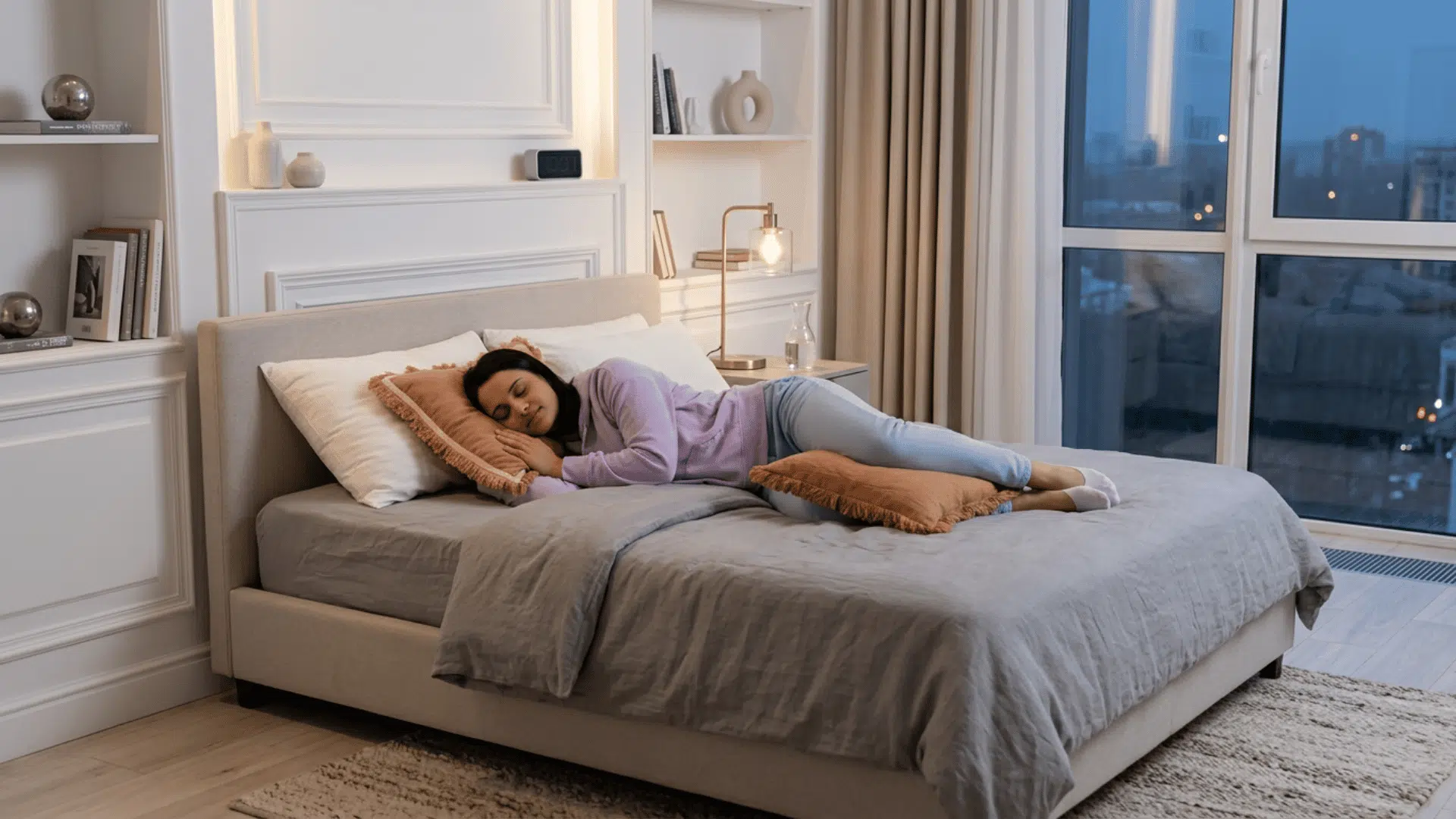
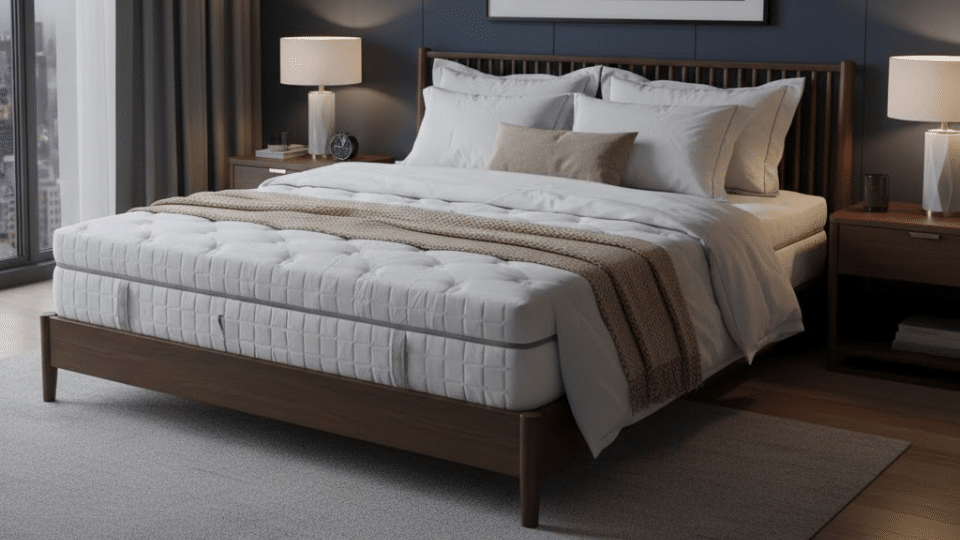
I’ve spent years waking up with stiff hips and a lower back that felt like it aged overnight. Finding the best mattress for back and hip pain changed everything for me, but the search was overwhelming.
Most guides either drown you in medical jargon or push products without explaining why they actually help. This isn’t that kind of post.
I’m going to walk you through exactly how to choose a mattress based on your sleep position, where your pain sits, and your body weight.
You’ll see my top six picks with no fluff, learn when medical conditions change the choice, and get a simple one-week test to know if your new mattress is working. By the end, you’ll have a clear answer, not another confusing listicle.
Which Mattress Would Work for Back and Hip Pain
If you’re pressed for time, here’s what matters most when choosing the best mattress for back and hip pain: side sleepers need medium to medium-firm options with strong pressure relief around the shoulders and hips.
Back sleepers do best with medium-firm support that keeps the lumbar spine lifted. Heavier sleepers, anyone over 230 pounds, should look for hybrid or latex mattresses with reinforced support cores to prevent sagging.
If you’re dealing with scoliosis or disc issues, avoid anything too soft that lets your spine sink unevenly. This quick framework will steer you in the right direction before you start comparing brands.
How to Choose a Mattress for Back and Hip Pain
Finding the right match doesn’t require endless research, just three focused decisions that narrow your options fast.
Step 1: Your Sleep Position
Side sleepers need cushioning at pressure points, hips and shoulders, so a medium or medium-soft feel prevents numbness and keeps the spine aligned.
Back sleepers require firmer support under the lumbar curve to avoid that hollow-back sag. Stomach sleepers are rare among pain sufferers, but if that’s you, go firmer to keep hips from sinking.
Step 2: Where You Feel Pain Most
If hip pressure wakes you up or leaves you stiff, prioritize contouring materials like memory foam or zoned latex. Lower back stiffness means your spine isn’t staying neutral, look for targeted lumbar support or a firmer feel that resists sagging.
Some people feel both, which usually points to a mattress that’s either too soft everywhere or too firm where you need relief.
Step 3: Your Body Weight
Under 130 pounds: softer mattresses work because you won’t compress them enough to lose support. Between 130–230 pounds: medium-firm is the sweet spot for most pain types.
Over 230 pounds: you need durable, high-density foams or coil systems that won’t bottom out within a year. Weight dictates how deep you sink, which directly affects spinal alignment.
Best Mattresses for Back and Hip Pain (Expert Picks)
These six options cover the most common pain profiles without overwhelming you with a dozen near-identical choices.
1. Helix Midnight Luxe
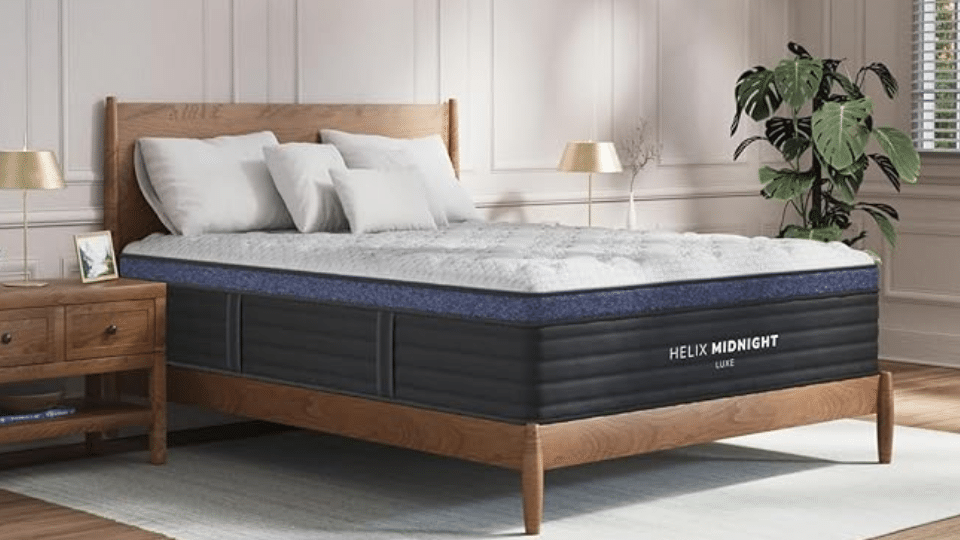
Best for: Side sleepers with hip pressure
Feel: Medium with memory foam top
Why it helps: Zoned coils add extra support under the lumbar while softer foam cushions hips and shoulders, keeping your spine straight without numbness.
Watch out if: You’re a back sleeper over 230 pounds, it may feel too soft long-term and lose that initial support.
2. Saatva Classic
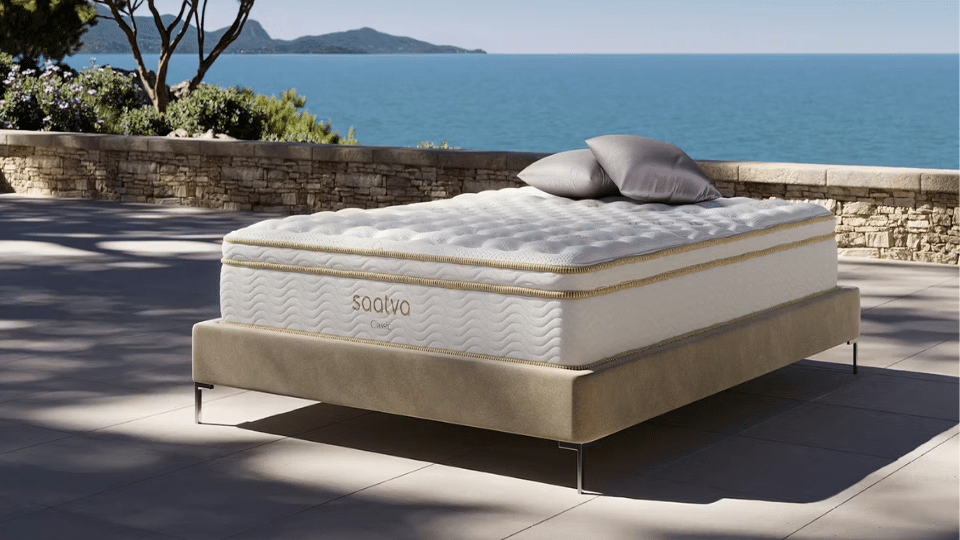
Best for: Back sleepers with lower back pain
Feel: Medium-firm hybrid
Why it helps: Dual-coil system with a lumbar-focused center keeps your lower back lifted. The Euro pillow top adds just enough cushion without sacrificing alignment or causing sag.
Watch out if: You’re a strict side sleeper under 130 pounds, it might feel too firm on your shoulders and hips.
3. WinkBed Plus
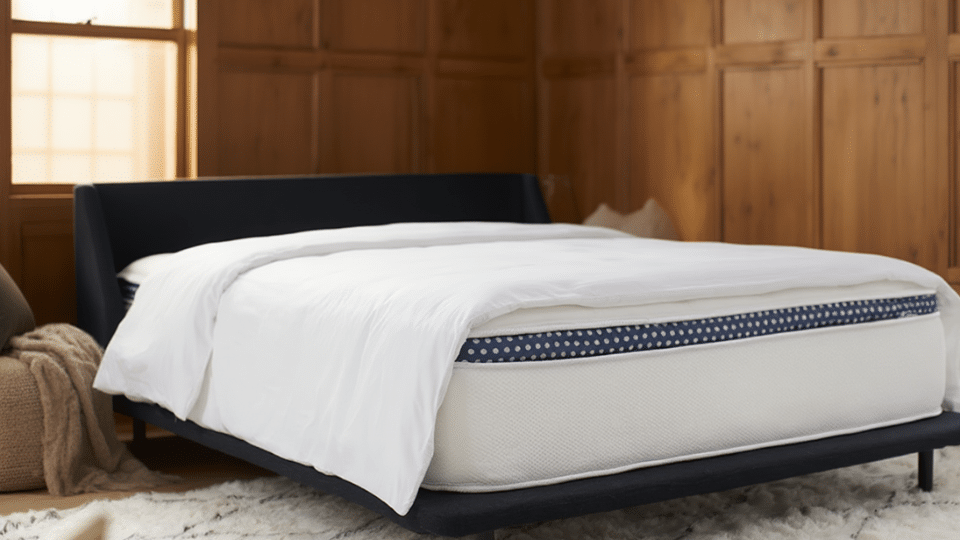
Best for: Heavier sleepers (over 230 lbs)
Feel: Firm hybrid
Why it helps: Reinforced coils and high-density foams prevent bottoming out. The lumbar pad targets lower back support, and edge support stays solid for easier movement in and out of bed.
Watch out if: You’re under 200 pounds, this will feel unnecessarily hard and won’t contour to your curves.
4. Avocado Green Mattress
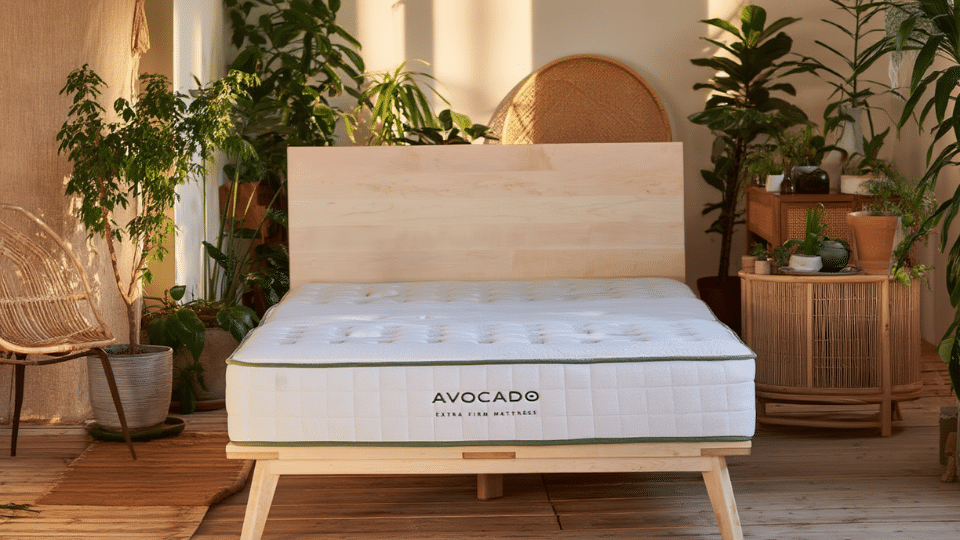
Best for: Eco-conscious buyers with back pain
Feel: Medium-firm latex hybrid
Why it helps: Natural latex rebounds quickly, keeping your spine aligned without the sinking feeling of memory foam. The coil base provides strong support, and materials stay cool for hot sleepers.
Watch out if: You need deep contouring for hip pain, latex doesn’t hug like memory foam, so pressure relief is less pronounced.
5. Nectar Memory Foam
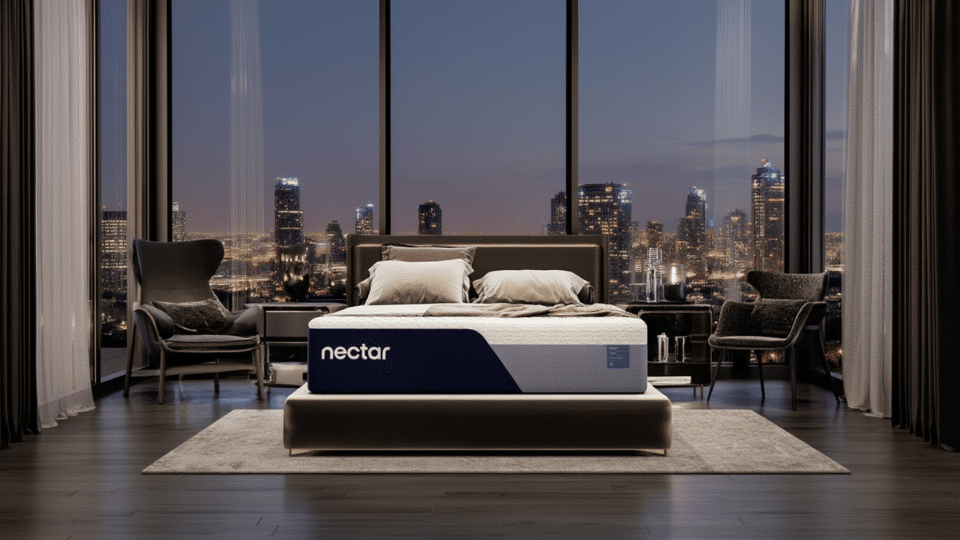
Best for: Budget-conscious side sleepers
Feel: Medium with adaptive memory foam
Why it helps: Multiple foam layers contour to the hips and shoulders while a firm base prevents excessive sinking. The price point is accessible, and the 365-night trial removes buying pressure.
Watch out if: You sleep hot, all-foam construction traps more heat than hybrids, even with cooling gel infusions.
6. Casper Wave Hybrid
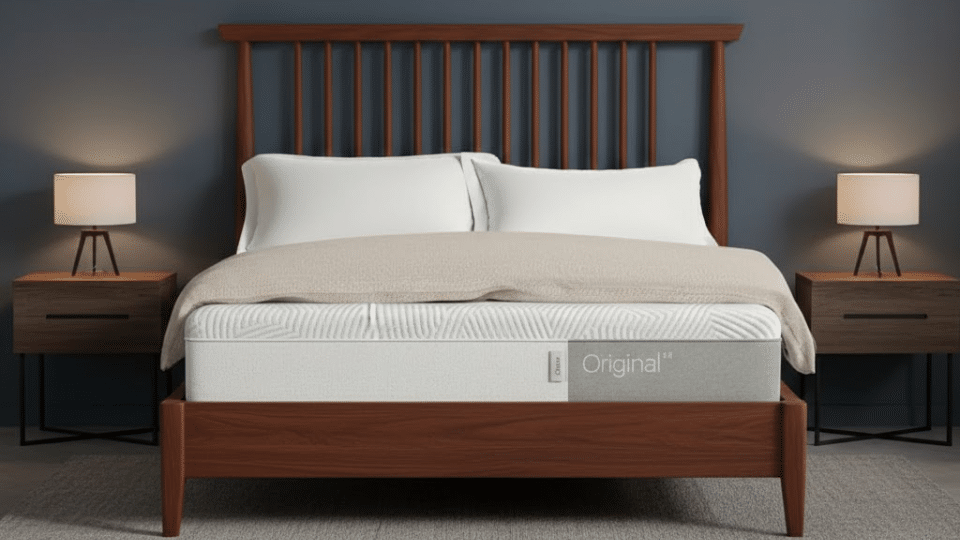
Best for: Combination sleepers with mixed pain
Feel: Medium with zoned support
Why it helps: Three ergonomic zones provide firmer support under your lower back and softer cushioning at shoulders and hips, so alignment stays consistent whether you’re on your side or back throughout the night.
Watch out if: You’re on a tight budget—this sits in the premium price range, and similar zoned support exists in more affordable models.
When Pain Changes the Choice of the Mattress
Specific medical conditions shift the mattress equation. What works for general stiffness won’t necessarily help scoliosis, herniated discs, or isolated hip pain.
- Hip pain: Prioritize pressure relief over firmness; too much support backfires by creating numbness and restricting blood flow at contact points.
- Lower back pain: Alignment and anti-sag features matter more than softness. You need a structure that keeps your lumbar spine lifted, not cushioning.
- Scoliosis: Uneven support exacerbates the curve. Look for consistent, even surfaces that don’t let one side sink deeper than the other.
- Herniated discs: Strong anti-sag construction is essential. Any dip pulls your spine out of neutral and loads the damaged area.
None of this requires a medical-grade mattress, but you can’t just pick “medium-firm” and hope it addresses your specific condition.
Checklist to Know if a Mattress Is Helping
Your body gives clear feedback faster than you think. Use this checklist after seven nights to know if your new mattress is working:
Visual Alignment Check:
Take a side-view photo while lying down, your spine forms a straight line from neck to tailbone (no curve or sag)
Pressure Point Check:
No hip numbness when you wake up
No tingling in arms or legs
No “dead-arm” feeling in the morning
Morning Mobility Check:
Morning stiffness has noticeably improved by day 7
You’re not hobbling to the bathroom
You don’t need 10+ minutes to loosen up after getting out of bed
Pain Pattern Check:
Pain decreases as the night goes on (not worsens)
You’re not waking up in worse shape than when you went to bed
If you can not check most of these boxes within the first week, don’t wait months to decide, your body is already telling you the mattress isn’t doing its job.
The Bottom Line
Finding the best mattress for back and hip pain doesn’t require a medical degree or a month of trial and error. I’ve given you a three-step framework that cuts through the noise: know your sleep position, identify where pain hits hardest, and factor in your weight.
The six picks I’ve shared cover the most common pain profiles without burying you in options, and each one targets a specific need instead of claiming to fix everything.
Remember the one-week test, your spine and hips will signal whether you’ve made the right call faster than any review can.
Trust what your body tells you in those first seven mornings. If you found this helpful, drop a comment with your biggest mattress question or share what finally worked for you.