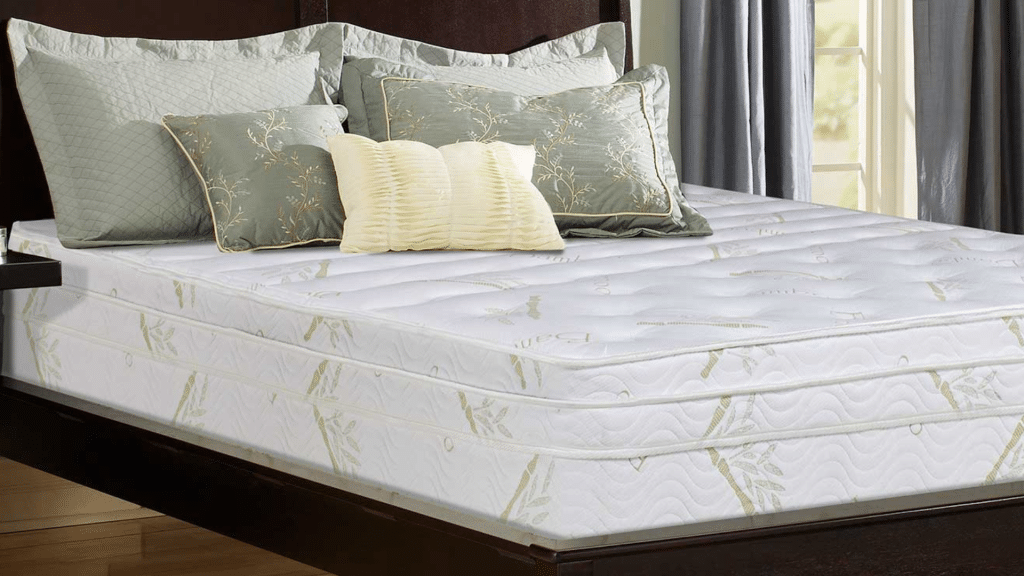



How long does it take to break in a mattress, and why does your new bed feel so stiff? I know that disappointed feeling when you unbox an expensive mattress only to find it uncomfortable at first.
Your brand-new mattress needs time before it reaches peak comfort and supports your body the way expected. Some people give up too early and return their mattress before giving it a fair chance.
The break-in timeline depends on several factors, including mattress type, weight, and preferred sleeping position.
Understanding what’s normal helps you avoid making hasty decisions you’ll regret later. Let’s see everything you need to know about mattress break-in periods.
What Does “Breaking in a Mattress” Mean?
Breaking in a mattress means letting the materials soften and adjust to your body over the first few weeks. When a mattress is brand new, it often feels stiff, firm, or different than what you expected.
The materials inside need time to compress, expand, and mold to your unique body shape and sleeping position. Different mattress types break in at different speeds depending on what they’re made of.
Memory foam mattresses soften with your body heat and weight, while innerspring mattresses loosen up as the coils adjust.
Hybrid mattresses combine both materials, so they need time for all layers to work together properly. Latex mattresses are naturally more responsive but still need some adjustment time. This break-in period is completely normal.
How Long Does It Take to Break In a Mattress?

I know the break-in period varies depending on your mattress type and several personal factors affecting how quickly it adjusts.
Understanding the typical timeline and what influences it helps you set realistic expectations for your new mattress. Here’s what you need to know:
Typical Mattress Break-In Time
Most mattresses need anywhere from one month to three months to fully break in and feel their best. Here’s how long different mattress types typically take:
| Mattress Type | Average Break-In Time | What to Expect |
|---|---|---|
| Memory Foam | 30-60 days | Starts firm, gradually softens with body heat and weight, molds to your shape over time |
| Innerspring | 30-45 days | Coils loosen up quickly and feel less stiff after the first few weeks of regular use |
| Hybrid | 45-90 days | Multiple layers need time to work together, combining foam softening with coil adjustment |
| Latex | 60-90 days | Takes the longest to break in, is naturally responsive, but needs time to conform completely |
| Pillow Top | 30-60 days | The top layer softens first, the base layers take longer, and gradually become more plush overall |
Your mattress will feel different at each stage of the break-in process as materials adjust gradually. Be patient during this period because the mattress continues improving throughout the entire timeline listed above.
Factors That Affect the Break-In Period
Several personal factors influence how quickly your specific mattress breaks in and feels comfortable for you. Here are the main factors that speed up or slow down the process:
- Mattress Type: Your mattress type determines how quickly materials compress and adjust, with foam taking longer than innersprings overall.
- Sleep Position: Your sleep position affects pressure points, with side sleepers needing more break-in time than back or stomach sleepers.
- Body Weight: Your body weight influences how quickly the mattress compresses, with heavier sleepers experiencing faster break-in periods naturally.
- Room Temperature: Room temperature matters especially for memory foam and latex, as warmer rooms speed up the softening process significantly.
These factors work together to create your unique break-in timeline that may differ from advertised averages. Understanding them helps you predict how long your mattress will take to reach maximum comfort levels.
Signs Your Mattress Is Breaking In
Knowing what changes to look for helps you track your mattress’s progress during the break-in period. I’ve found that recognizing these signs reassures you that everything is adjusting properly and working as expected. Here are the key indicators:
| Sign | What’s Happening | When You’ll Notice It |
|---|---|---|
| Improved Comfort | The mattress feels more comfortable and less stiff against your body | After 2-3 weeks of regular use |
| Better Pressure Relief | You wake up with less pain in your shoulders, hips, and pressure points | After 3-4 weeks of consistent sleeping |
| Less Firmness | The mattress feels noticeably softer and less rigid than when new | After 1-2 weeks, especially in foam mattresses |
| Better Body Contouring | The mattress hugs your curves more closely around your hips and shoulders | After 4-6 weeks, particularly for side sleepers |
| Reduced New Smell | The chemical or plastic smell from the new foam fades away | Within 1-2 weeks with proper ventilation |
| Compression Marks Disappear | Indentations from your body bounce back faster when you get up | After 2-3 weeks of regular sleeping |
If you notice most of these signs happening, your mattress is breaking in correctly and on schedule. Your mattress is fully broken in when all these improvements feel consistent and stable every night.
Tips to Speed Up the Mattress Break-In Process
Waiting for your mattress to break in naturally can feel frustrating when you want immediate comfort right away. I’ve learned several simple tricks that help speed up the process and make your mattress comfortable faster. Here are the best ways to accelerate the break-in period:
- Sleep on It Every Night: Use your mattress consistently every night instead of occasionally to apply steady body heat and weight.
- Rotate It Regularly: Rotate your mattress head-to-foot every two weeks to distribute weight evenly and soften all areas faster.
- Let Foam Expand Fully: Allow memory foam and latex mattresses to expand completely for 24-48 hours after unboxing before sleeping on them.
- Increase Room Temperature: Keep your bedroom warmer during the break-in period, especially for memory foam that softens faster with heat.
These simple steps can reduce your break-in time by several weeks without damaging your mattress at all. Be patient and consistent with these tips, and you’ll notice improvements much sooner than expected overall.
What to Expect After the Break-In Period?

After your mattress finishes breaking in, it should feel noticeably more comfortable and supportive than when it was new. You’ll wake up with less pain in your pressure points, like your shoulders, hips, and lower back.
I’ve found that the mattress should maintain its shape throughout the night without developing noticeable dips or sagging spots.
Your sleep quality will likely improve because the mattress now conforms perfectly to your unique body shape. You shouldn’t feel like you’re sleeping on top of the mattress, but instead cradled by it comfortably.
The performance should stay consistent night after night without needing constant adjustments or flipping around. I believe this peak comfort level should last for several years with proper care and maintenance.
User Experiences: Breaking in a New Mattress
Many people feel disappointed when their new mattress feels too firm during the first few weeks of use. I’ve read a Reddit discussion that reveals just how common this frustration really is among new mattress owners.
One user mentioned that their mattress took about 6 weeks to feel truly comfortable for nightly sleep.
Another person shared that their hybrid mattress felt stiff initially but gradually softened with consistent nightly use.
The most common challenge people face is the temptation to return the mattress too early during the adjustment period. Initial discomfort makes buyers question their purchase decision, but patience usually pays off in the end.
What Happens if Your Mattress Doesn’t Break In Properly?
Sometimes a mattress doesn’t break in the way it should, which signals a potential problem with quality or fit. Knowing what to look for helps you decide eith to keep waiting or contact the manufacturer immediately. Here are the warning signs:
- The mattress stays uncomfortably firm after 90 days, causing persistent pain in your shoulders, hips, or back every morning.
- You notice visible sagging or indentations deeper than one inch that don’t bounce back when you get up.
- Pressure points never improve, even after months of use, leaving you sore and uncomfortable every morning.
- The mattress shows uneven wear, with soft spots in some areas and overly firm spots in others.
These issues usually indicate a defect or that you chose the wrong mattress type for your needs. Check your warranty and return policy immediately, as most manufacturers offer exchanges within a trial period.
Final Thoughts
Understanding how long it takes to break in a mattress helps you set realistic expectations and avoid buyer’s remorse.
I hope this information gave you the confidence to stick with your new mattress during the adjustment period. Every mattress needs time, but the wait becomes worthwhile when you finally experience that perfect comfort level.
Your body and the mattress both need these weeks to adapt and work together harmoniously overnight. Don’t rush the process or panic if your mattress feels different from what you expected at the beginning.
I believe giving your mattress the whole break-in period prevents unnecessary returns and wasted money completely. What’s your mattress break-in experience been like so far? Share your story below!