A lot of people look up the size of a twin bed when they’re setting up a kid’s room, planning a guest space, or trying to make a small bedroom feel comfortable. You might want the measurements to see how the bed fits in your layout without crowding the room.
A twin bed usually measures 38 by 75 inches, providing one person with enough space to sleep while keeping the room open.
In this guide, I’ll walk you through the exact measurements, the room size you need, and how a twin compares to other mattress sizes. By the end, you’ll know if this size works for your space and your daily routine.
What is the Size of a Twin Bed?
A standard twin bed measures 38 inches wide and 75 inches long, making it the smallest standard size for kids, teens, and shorter adults. It offers enough space for one person while keeping the room open.
The mattress itself covers about 2,850 square inches, or 19.8 square feet, with dimensions of 38″ x 75″ (96.5 x 190.5 cm). This helps you see how it fits into small or shared rooms.
Twin bed frames are slightly larger than the mattress, usually around 40–43 inches wide and 77–80 inches long. Designs with headboards, footboards, or thick rails take up a bit more space.
A twin mattress is often 6–12 inches thick, and the total height depends on your frame. Low platform frames sit closer to the floor, while box spring frames add extra height.
Comparing Twin Bed Dimensions to Others
When you compare every size side by side, it becomes much easier to see how a twin bed fits into the full mattress lineup.
This chart shows all major sizes in one place so you can spot the differences at a glance.
| Size Name | Dimensions (inches) | Dimensions (cm) | Best For |
|---|---|---|---|
| Small Single / Small Twin | 30″ x 75″ | 76.2 x 190.5 | Tight spaces, small kids |
| Twin (Single) | 38″ x 75″ | 96.5 x 190.5 | Kids, teens, shorter adults |
| Twin XL | 38″ x 80″ | 96.5 x 203.2 | Taller teens, adults, and dorms |
| Full / Double | 54″ x 75″ | 137.2 x 190.5 | Single adults, teens who need more width |
| Queen | 60″ x 80″ | 152.4 x 203.2 | Couples or single adults who want more room |
| King | 76″ x 80″ | 193 x 203.2 | Couples who want extra space |
| California King | 72″ x 84″ | 182.9 x 213.4 | Tall sleepers, large primary bedrooms |
Seeing each size side by side helps you compare width, length, and overall comfort. Now you can decide whether a twin bed gives you enough space, or if a wider or longer size makes more sense for your room and sleep needs.
Ideal Room Size for a Twin Bed
A twin bed works well in smaller rooms, but it helps to know the space you need before setting up your layout. The right room size makes the bed comfortable to use and provides enough space for furniture and walking.
Minimum Recommended Room Size: A single twin bed fits well in rooms around 7 feet by 10 feet. This gives you enough space to walk around, open doors, and place basic furniture without the room feeling cramped.
Who is a Twin Bed Best For?
A twin bed works for many different age groups and room setups. The chart below helps you see which sleepers benefit most from this size and why it fits their needs.
| Group | Key Details | Best For |
|---|---|---|
| Babies & Toddlers | Crib is 27.25″ x 51.25″. A twin works once they need more legroom or want to climb out. | Early crib transition; active sleepers. |
| Kids & Pre-Teens | Enough room until they reach about six feet tall. Space-friendly for small rooms. | Growing kids; compact bedrooms. |
| Teens & Petite Adults | Works well if height stays under six feet. Twin XL adds extra length if needed. | Teens, dorms, adults who want a small bed. |
| Guest Rooms & Daybeds | Great for tight spaces while still offering comfort. Fits multipurpose rooms. | Guests, vacation homes, daybeds. |
Seeing each group side by side makes it easier to match a twin bed to your needs. Now you can decide if this size gives you enough space or if a longer or wider mattress might work better.
Types of Twin Bed Frames & Setups
Twin mattresses fit into many different frame styles, and each one changes how the bed works in your room.
1. Standard Twin Bed Frame
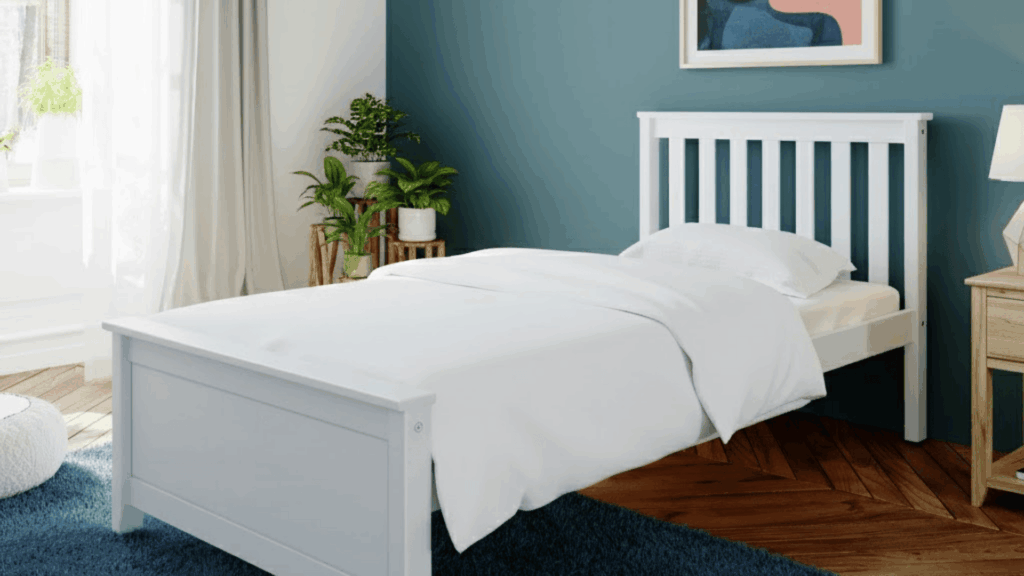
A standard twin frame holds a 38″ x 75″ mattress and comes in simple platform or metal styles. These frames fit small rooms well and keep the setup easy.
They also work with most headboards and footboards, giving you flexibility if you plan to change your room layout later.
2. Bunk Beds & Loft Beds
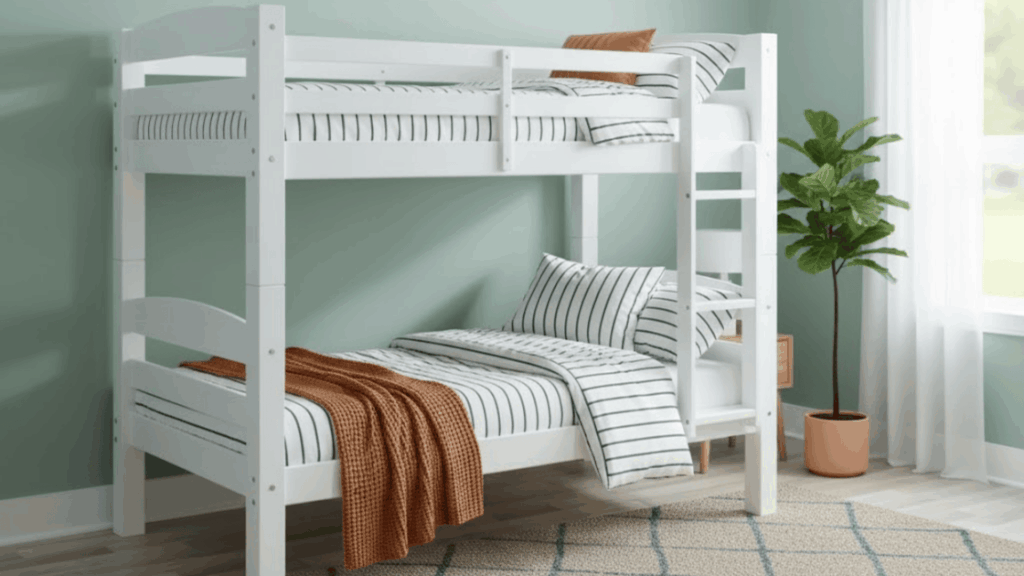
Bunk beds and loft beds almost always use standard twin measurements unless they’re marked as Twin XL. They save floor space and work well in shared rooms.
A loft bed also gives you open space underneath for a desk or storage, which helps keep the room organized.
3. Daybeds & Trundle Beds
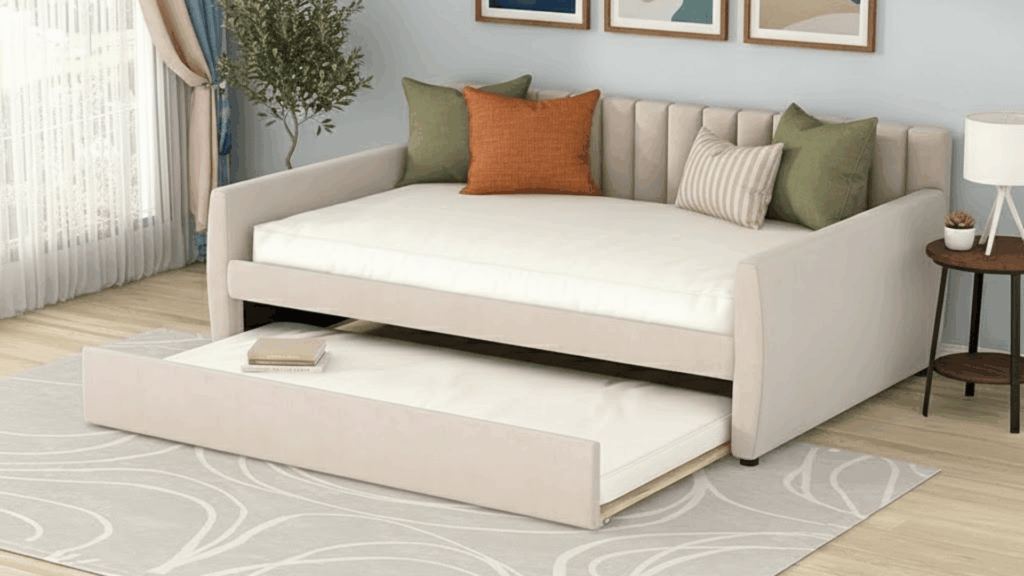
A daybed uses a twin mattress for sitting during the day and sleeping at night. It works well in guest rooms and small spaces.
A trundle bed adds a pull-out twin mattress with a lower height, giving you an extra sleeping spot without taking up extra room.
4. Adjustable & Storage Beds
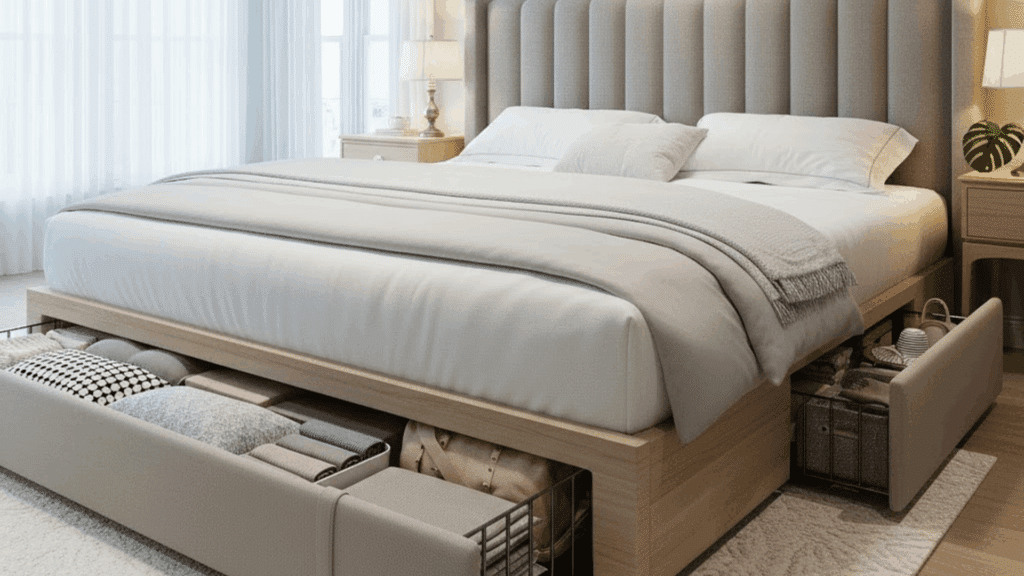
Adjustable and storage frames keep the standard 38″ x 75″ twin size but add extra features. Storage beds may include drawers or lift-up bases for organizing clothes or bedding.
Adjustable frames raise the head or foot of the mattress and work well for reading, relaxing, or easing pressure at night.
Bedding & Accessories Sizes for Twin Beds
Twin bedding comes in the standard 38″ x 75″ size, making it easy to match your mattress with the right protectors, toppers, sheets, and covers.
Most items labeled “Twin” will fit this size without any adjustments.
- Mattress protectors and toppers match the standard dimensions
- Check the mattress depth if you use a thicker topper
- Sheets, duvets, and comforters are sized for a clean drape
- Pillow sizes stay the same across all mattress sizes
- Blankets should be long enough to cover the 75-inch length
While pillows don’t depend on mattress size, blankets and comforters need enough length and width to hang neatly. Choosing the right depth and drape ensures your bedding fits well and feels comfortable.
How to Choose Between Twin and Other Sizes
Choosing the right mattress size depends on your height, your room layout, and how much sleeping space you want each night.
1. Checklist: When a Twin Bed Size Works
A twin bed can be a good fit if your needs are simple and your room is small. It gives you enough space to sleep without taking up much floor area. A twin might be the right choice if:
- You sleep alone
- You’re under six feet tall
- Your room is small
- You want to lower costs
If these points match your situation, a twin bed offers a practical mix of comfort and space-saving.
2. When You Might Need More Space Than a Twin
A twin bed may feel tight once you start needing extra room to stretch or turn. You might feel more comfortable with a larger size if:
- You need more length
- You need more space to move at night
- You sleep with a partner or a frequent guest
If any of these apply to you, a Twin XL, full, or queen may give you a better sleep experience.
3. Budget, Growth & Future-Proofing
Twin beds cost less than larger sizes, so they’re a simple choice when you want to save money. Keep in mind that kids and teens may outgrow the shorter length once they gain height.
If you want a bed that lasts through growth spurts, a Twin XL or full-size may be a better long-term pick.
Final Thoughts
Now that you understand the size of a twin bed, you can make a more confident choice for your room.
I hope this guide helped you see how the measurements work, how this size compares to larger options, and what you need to think about as you plan your setup.
It’s easier to picture your layout once you know how much space the mattress will take and how it will fit into your routine.
As you review your room, measure the areas and think about your height, your sleep habits, and your comfort needs. These small steps make the decision simpler. Feel free to read my other posts.