

A comfortable backyard can quickly lose its appeal when mosquitoes, flies, and other pests take over. Effective outdoor pest defense starts with simple property maintenance, then adds targeted controls where insects breed or gather. You don’t need to strip the yard of plants or cover every surface with chemicals.
Instead, focus on moisture, airflow and the small hiding spots that allow pest populations to grow. A few regular checks can keep patios, play areas and garden paths far more inviting throughout the warmer months.
Start With a Yard Inspection
Walk around the property and look closely at damp, shaded or neglected areas. Mosquitoes can develop in small amounts of standing water, including water trapped in plant saucers, toys, clogged gutters and folded tarps. Empty these containers and scrub them when possible since some mosquito eggs can remain attached to the sides.
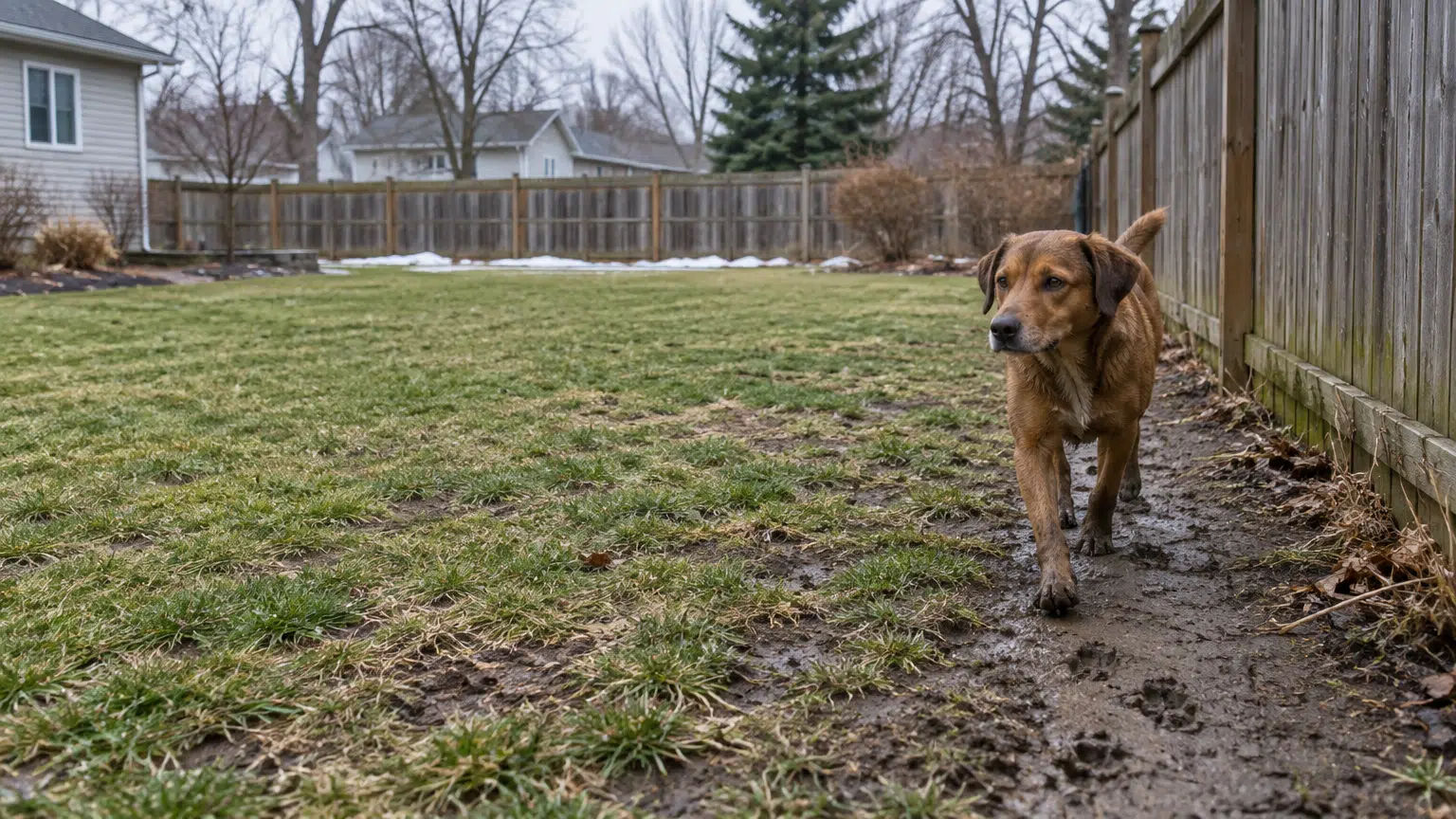
Check underneath decks, around sheds and behind dense shrubs for damp organic debris. Clear away leaf piles and keep drainage channels open. Repeat this inspection after heavy rain or irrigation repairs. A five-minute check every week is usually easier than addressing a large pest population later.
Choose Controls for the Actual Problem
Identify where insects are gathering before selecting a product. Larvicides are intended for standing water that can’t be emptied, while traps and outdoor sprays serve different purposes. Product labels explain where an item may be used, how often to apply it, and which protective measures to follow.
Homeowners comparing options for mosquito treatment can review sprays, foggers, larvicides, traps and kits suited to different yard conditions. Choose the narrowest treatment that addresses the problem and follow every label direction. Keep children and pets away from treated spaces for the period stated on the label.
Make the Yard Less Welcoming to Pests
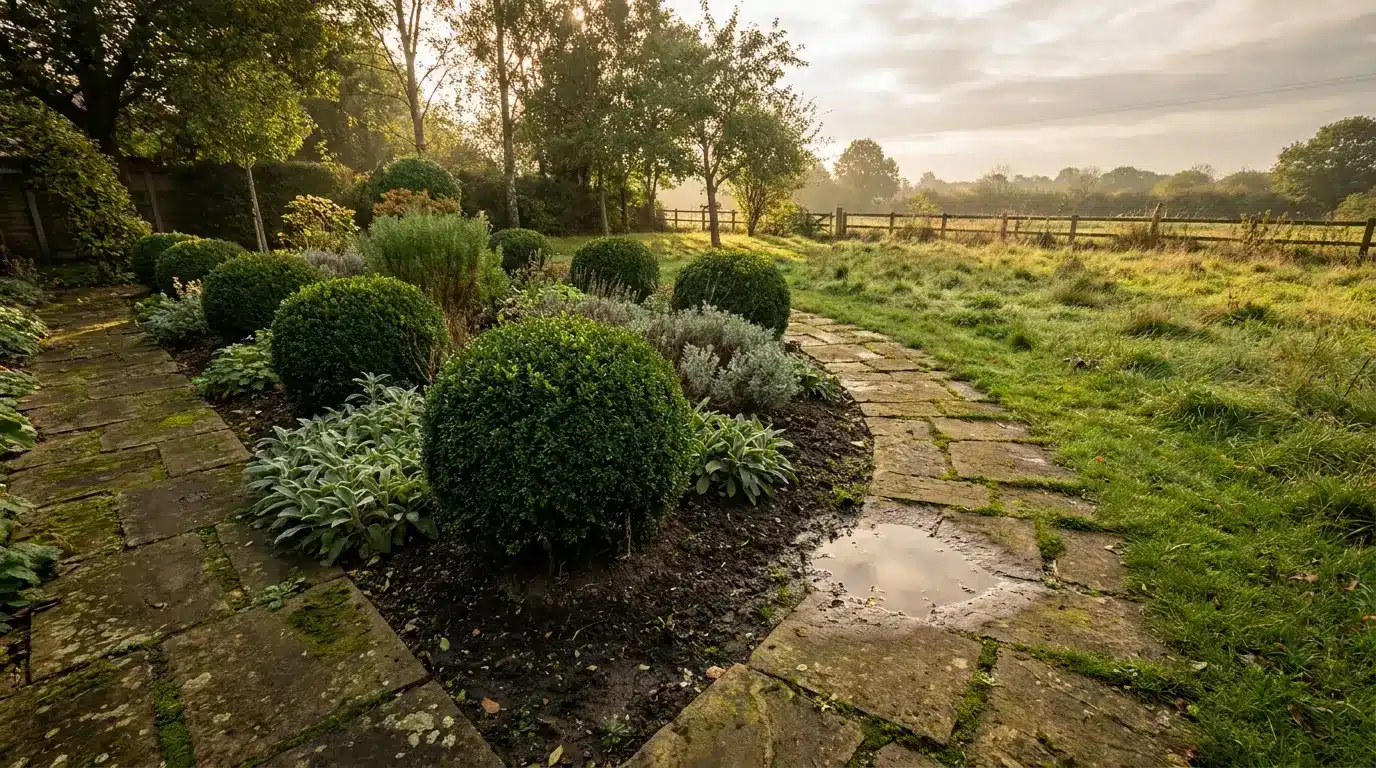
Trim dense plants near seating areas, so sunlight and air can reach the soil. Mosquitoes often rest in cool, sheltered vegetation during the day, while thick ground cover may hold moisture longer after rain. Practical backyard landscaping strategies include managing plant density and reducing stagnant water near frequently used spaces.
Avoid overwatering lawns and garden beds. If puddles remain several hours after irrigation, adjust the schedule or repair low spots that collect runoff. Moving a compost bin farther from the patio and keeping outdoor trash containers closed can also reduce flies. These changes improve comfort without turning the yard into a bare space.
Protect Patios and Gathering Areas
Concentrate your efforts around the places where people spend time. A fan positioned near a covered patio can create airflow that makes it harder for weak-flying insects to hover nearby. Repair damaged screens on porches and make sure doors close fully. If outdoor lights attract insects, move fixtures away from seating or use lighting designed to draw fewer bugs.
Comfort also depends on how the space is arranged. Leave some room between furniture and thick vegetation, then keep table surfaces clean after meals. If you’re updating the larger area, this guide to creating a fresh and functional outdoor space offers useful ideas for organizing a backyard around daily use.
Use Lower-Impact Methods Wisely
Physical prevention and routine maintenance should form the base of your pest plan. Helpful eco-friendly pest control methods can include habitat changes, barriers, and biological controls. These options work best when they match the insect and the conditions supporting it.
Be cautious with homemade mixtures. Even plant-based ingredients can irritate skin, damage leaves, or affect helpful insects when applied incorrectly. Test any suitable product on a small area first and follow its directions. Schedule treatments for times when pollinators are less active, and avoid spraying flowers unless the product label specifically permits that use.
Keep Defense Part of the Routine
Outdoor pest control works better as a short recurring task than as a once-a-season project. Empty standing water each week, clean gutters when debris collects, and check screens after storms. During warm, wet weather, inspect the yard more often because insect populations can rise quickly.
Pay attention to changes after each adjustment. If moving a planter or correcting a leaking faucet reduces activity, keep that fix in place. Persistent problems may point to hidden drainage issues or breeding sites beyond the area you checked. A dry plant saucer, an open breeze around the patio, and a clean gutter can make the next evening outdoors noticeably more comfortable.